Does Thessaloniki Get Snow?
Does Thessaloniki get snow? Winter temperatures, rainfall and what the HNMS station record says about snow in Thessaloniki, plus where to find snow nearby.
Thessaloniki, Greece's second city, sits on the north shore of the Thermaic Gulf in Central Macedonia, and its winter climate is colder than the island-and-Athens image of Greece suggests. The HNMS Thessaloniki Mikra station table, covering 1959 to 2010, puts the January mean daily minimum at 1.5 C and the December rainfall at 55.1 mm, the highest monthly figure in the year. That combination of near-freezing nights and winter rain is what shapes the honest answer to the snow question, and this page works through it figure by figure.
Does Thessaloniki Get Snow?
Snow does fall in Thessaloniki in winter, but it is a visitor, not a resident: the HNMS Thessaloniki Mikra station table, 1959 to 2010, records no snow-day count at all, and the figures it does carry, a January mean low of 1.5 C and a February mean low of 2.3 C, describe nights that sit at the freezing mark rather than a city buried each winter. Treat snow in the city centre as a possibility in a cold spell, never as a plan.
That is the careful version, and it deserves unpacking. What the table does establish is the thermal backdrop. January nights average 1.5 C, which means many individual nights fall below zero, and February averages 2.3 C. A coastal city at sea level holds enough daytime warmth, with the January mean daily maximum at 9.3 C, that any snow that settles usually gives way quickly to rain-soaked pavement.
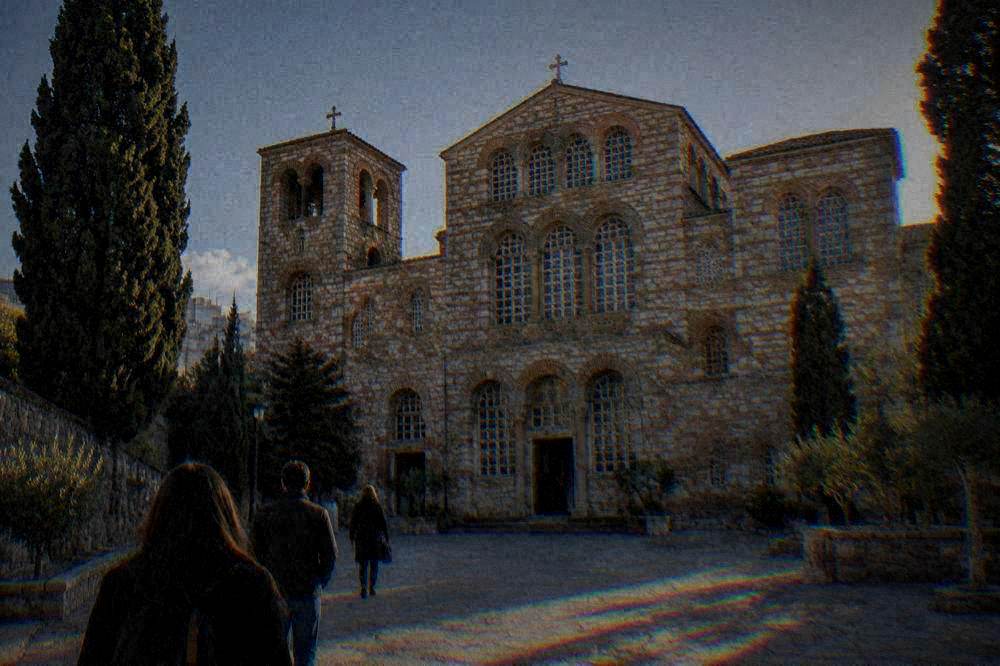
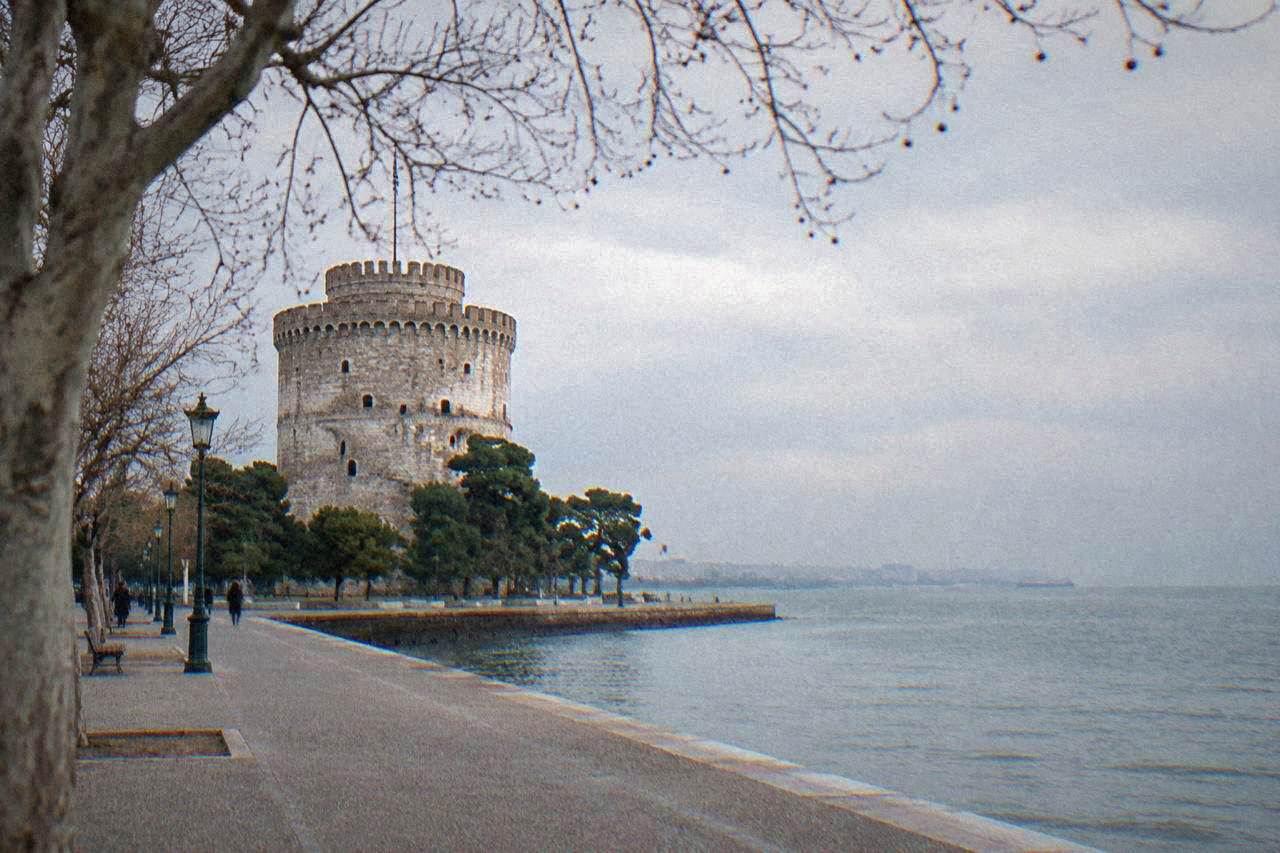
The geography matters as much as the averages. Thessaloniki is a low-lying coastal city on the Thermaic Gulf, not a mountain town, and the sea moderates the waterfront. The upper town of Ano Poli, inside the Byzantine walls on the hill above the centre, sits higher and holds cold and any settling snow a little longer than streets at sea level. When cold air pushes down from the north over Central Macedonia, the city can take on a brief white coat, and older photographs of a snow-dusted White Tower circulate every few years. None of that changes the planning advice: pack for cold rain, and enjoy snow as a bonus if a cold snap delivers it.
For a sense of what the city offers when the weather turns, the overview at things to see across Thessaloniki and the answer on how many days are enough for Thessaloniki both hold up in winter, because the core sights are museums, churches and covered markets rather than beaches.
How Cold Does Thessaloniki Get In Winter?
The HNMS Thessaloniki Mikra station table, 1959 to 2010, gives winter mean daily maximums of 9.3 C in January, 11.0 C in February and 10.9 C in December, with mean daily minimums of 1.5 C, 2.3 C and 3.2 C in the same months, and December carries the year's highest monthly rainfall at 55.1 mm. Cold, then, means single-digit days and near-freezing nights, not alpine conditions.
Winter in Thessaloniki is a wet, brisk season. Rain days run high, at 11.5 in January, 10.7 in February and 12.7 in December, which is the highest figure in the table. The wind helps explain the chill: the prevailing wind is north-westerly all year except August, and a north-westerly in January off the Balkan interior feels sharp on the Nea Paralia promenade. Daytime highs near 10 C are mild by northern European standards, but the damp air and the wind off the gulf make it feel colder than the number suggests.
| Month (HNMS Thessaloniki Mikra station, 1959 to 2010) | Mean daily max | Mean daily min | Rainfall | Rain days |
|---|---|---|---|---|
| December | 10.9 C | 3.2 C | 55.1 mm | 12.7 |
| January | 9.3 C | 1.5 C | 37.7 mm | 11.5 |
| February | 11.0 C | 2.3 C | 35.0 mm | 10.7 |
| November | 15.5 C | 7.1 C | 52.8 mm | 11.0 |
| March | 14.3 C | 4.7 C | 37.9 mm | 12.1 |
Read the table as a packing list rather than a forecast. Layers, a real raincoat and shoes that survive wet stone are the winter kit for Thessaloniki, because the pattern is showery: November and December both average more than eleven rain days, and November's 52.8 mm sits just behind December's 55.1 mm. Snow sits outside the table entirely, which is why this page gives no snow-day figure and why any guide that quotes one deserves a raised eyebrow.
A cold day is also a good day for a guided walk, since the city centre is compact and the route can lean on covered stops such as Modiano Market. The private walking tour with a local is built around exactly that flexibility, and Check availability shows the operator's live listing.
Where Can You See Snow Near Thessaloniki?
Yes, reliably snowy ground sits within day-trip range: Mount Olympus at the Prionia trailhead is about 86 minutes by road from Aristotelous Square, Meteora at Kalambaka is about 228 km and a full day, and the mountains above Veria and Naoussa are about 52 and 76 minutes away respectively, all computed over free-flow routing. Real winter, in short, is a short drive inland and uphill.
The contrast between the coast and the interior is the point. Thessaloniki averages January nights just above freezing, while the massif of Olympus, about 106.9 km from the city, holds its snow well into spring at altitude, and the mountain is a regular sight on the horizon from the city on clear winter days. Kastoria, at about 192.9 km by road, is a lake town in the mountains of Western Macedonia where winter is a proper season, and it is a long but feasible trip. Edessa, about 90 km away, is known for its waterfalls, which freeze into dramatic shapes in cold spells.
| Snow-country destination | Distance from Aristotelous Square | Drive time, free-flow |
|---|---|---|
| Veria | 72.8 km | about 52 minutes |
| Naoussa | 92.3 km | about 76 minutes |
| Mount Olympus (Prionia trailhead) | 106.9 km | about 86 minutes |
| Edessa (waterfalls) | 90.3 km | about 82 minutes |
| Kastoria | 192.9 km | about 130 minutes |
| Meteora (Kalambaka) | 227.5 km | about 154 minutes |
Times are free-flow estimates with no traffic, parking or stops, so a winter drive with chains-season rules, fog or mountain traffic runs longer, and the pass roads above Litochoro close or require winter equipment when snow lies. Prionia itself is the trailhead for the Enipeas gorge route on Olympus, and the high refuge on the mountain operates seasonally, roughly from early May to late October, so winter visitors should treat the high mountain as scenery rather than a hiking destination. For the practical split between the two famous day trips, is Meteora closer to Athens or Thessaloniki covers the geography.
If a winter day trip appeals, the operator listings below cover the two most snow-relevant routes from the city.
Is Winter A Good Time To Visit Thessaloniki?
Winter is a strong season for the city itself: the Museum of Byzantine Culture runs winter hours of 08:30 to 15:30 from Monday and Wednesday to Sunday, the Archaeological Museum keeps 09:00 to 17:00 and closes on Tuesday from 1 November to 31 March, and the White Tower's winter hours run 08:30 to 15:30, all on the museums' own visiting pages. Fewer daylight hours, but full sightseeing.
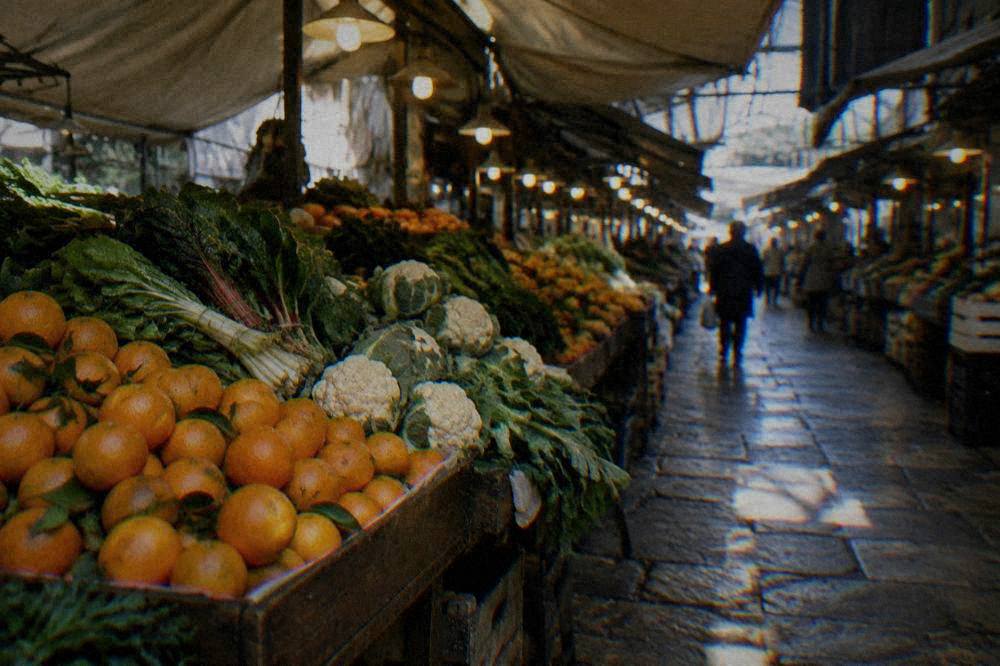
The practical texture of a Thessaloniki winter is mostly indoor-and-street, and the city is built for it. The fifteen UNESCO-listed Paleochristian and Byzantine monuments, inscribed in 1988, include working churches such as the Church of Saint Demetrius and Hagia Sophia that are free to enter and open outside services, so a cold morning can move from church to museum to coffee without ever standing in the open for long. Kapani Market and Modiano Market do the rest: covered, warm and busy whatever the sky is doing.
| Winter sight (1 November to 31 March) | Winter hours | Admission |
|---|---|---|
| Archaeological Museum | 09:00 to 17:00, closed Tuesday | 10 euro full, 5 euro reduced |
| Museum of Byzantine Culture | 08:30 to 15:30, closed Tuesday | 10 euro full, 5 euro reduced |
| White Tower | 08:30 to 15:30 daily | 8 euro full, 4 euro reduced |
State museums are free on 6 March, 18 April, 18 May, the last weekend of September and 28 October, which pairs usefully with a late-winter visit. Winter also carries the city's cultural calendar: the Thessaloniki International Film Festival ran its 67th edition from 5 to 15 November 2026, and the reported Dimitria festival ran 1 to 26 October 2026, so a cold-weather trip can be built around screenings and performances rather than terraces.
For a fuller seasonal comparison, including the months when the question flips from snow to swimming, see does Thessaloniki have nice beaches, and for the broader case, is Thessaloniki worth visiting. The desk's own summary lives on the Thessaloniki Travel Guide homepage.
Common Questions About Snow And Winter In Thessaloniki
Thessaloniki's winter is cold-rain territory with occasional snow, and the questions below collect the short answers on temperature, timing and packing for Greece's second city. Snow is a possibility mainly from December to February, January is the sharpest month, museums stay open on shorter hours with a Tuesday change, and every answer draws on the HNMS Thessaloniki Mikra station table, 1959 to 2010, plus museum hours on the institutions' own pages. Each one draws on the HNMS Thessaloniki Mikra station table, 1959 to 2010, and the museum hours on the institutions' own pages, and nothing else.
Does Thessaloniki Get Snow?
Snow falls in Thessaloniki in some winters, mainly in cold spells from December to February, when mean nightly lows run between 1.5 C and 3.2 C. The station record carries no snow-day count, so treat city snow as a possibility near the freezing nights, not a feature of every winter, and expect anything that settles at sea level to melt quickly.
Which Month Is Coolest In Thessaloniki?
January has the lowest mean daily minimum, 1.5 C, and the lowest mean daily maximum, 9.3 C, in the HNMS Thessaloniki Mikra station table, 1959 to 2010. December is rainier, at 55.1 mm against January's 37.7 mm, so December feels wet while January feels sharper.
Does It Snow On Mount Olympus Near Thessaloniki?
Yes, the Olympus massif, whose Prionia trailhead is about 86 minutes by road from Aristotelous Square, holds snow through winter and into spring at altitude. The high refuge operates roughly from early May to late October, so winter visitors should view the mountain from below rather than plan to hike it.
What Should I Pack For Winter In Thessaloniki?
Pack for cold rain: December averages 12.7 rain days and 55.1 mm, January 11.5 rain days, and nights sit near freezing from December to February. Layers, a waterproof jacket and shoes with grip on wet stone cover the season, with warm accessories for the north-westerly wind on the seafront.
Are Thessaloniki's Museums Open In Winter?
Yes, with shorter hours and a Tuesday change: the Archaeological Museum and the Museum of Byzantine Culture both close on Tuesday from 1 November to 31 March, the White Tower keeps daily winter hours of 08:30 to 15:30, and full tickets are 10 euro at the two museums and 8 euro at the tower. Check the current hours on each museum's own page before setting out.
Can You Swim Near Thessaloniki In Winter?
No, not realistically: the swimming season belongs to the warmer months at Perea and the Halkidiki beaches, while winter sea temperatures and 9 C daytime highs put the Thermaic Gulf firmly out of swimming range. Winter visitors walk the Nea Paralia promenade rather than swim from it, which is its year-round role.
Winter in Thessaloniki, in the end, is a season of near-freezing nights, frequent rain and the occasional snowfall that vanishes within days, with reliable snow waiting an hour inland on Olympus. Pack for the wet cold, book around the museums and the film festival, and let any snow that does fall in the city be the unscripted bonus it always was.