Hagios Demetrios: The Patron Saint's Basilica And Crypt
The Church of Saint Demetrius in Thessaloniki is the basilica of the city's patron saint and one of the fifteen monuments on Thessaloniki's UNESCO World Heritage listing. This guide covers what the basilica is, what the crypt holds, and how to fit it into a day in the city.
Short answer
The Church of Saint Demetrius in Thessaloniki is a UNESCO-listed Byzantine basilica dedicated to the city's patron saint. Entry to working churches in Thessaloniki is free and they are open outside services; no ticket is sold and no fixed hours apply.
The Church of Saint Demetrius in Thessaloniki, in Central Macedonia in northern Greece, is the basilica of the city's patron saint and one of the fifteen Paleochristian and Byzantine monuments inscribed on the UNESCO World Heritage List in 1988. Saint Demetrius day falls on 26 October, the same date the city marks its liberation in 1912, which makes the basilica the emotional centre of the city's calendar rather than simply another stop on a sightseeing route.
What Is The Church Of Saint Demetrius In Thessaloniki?
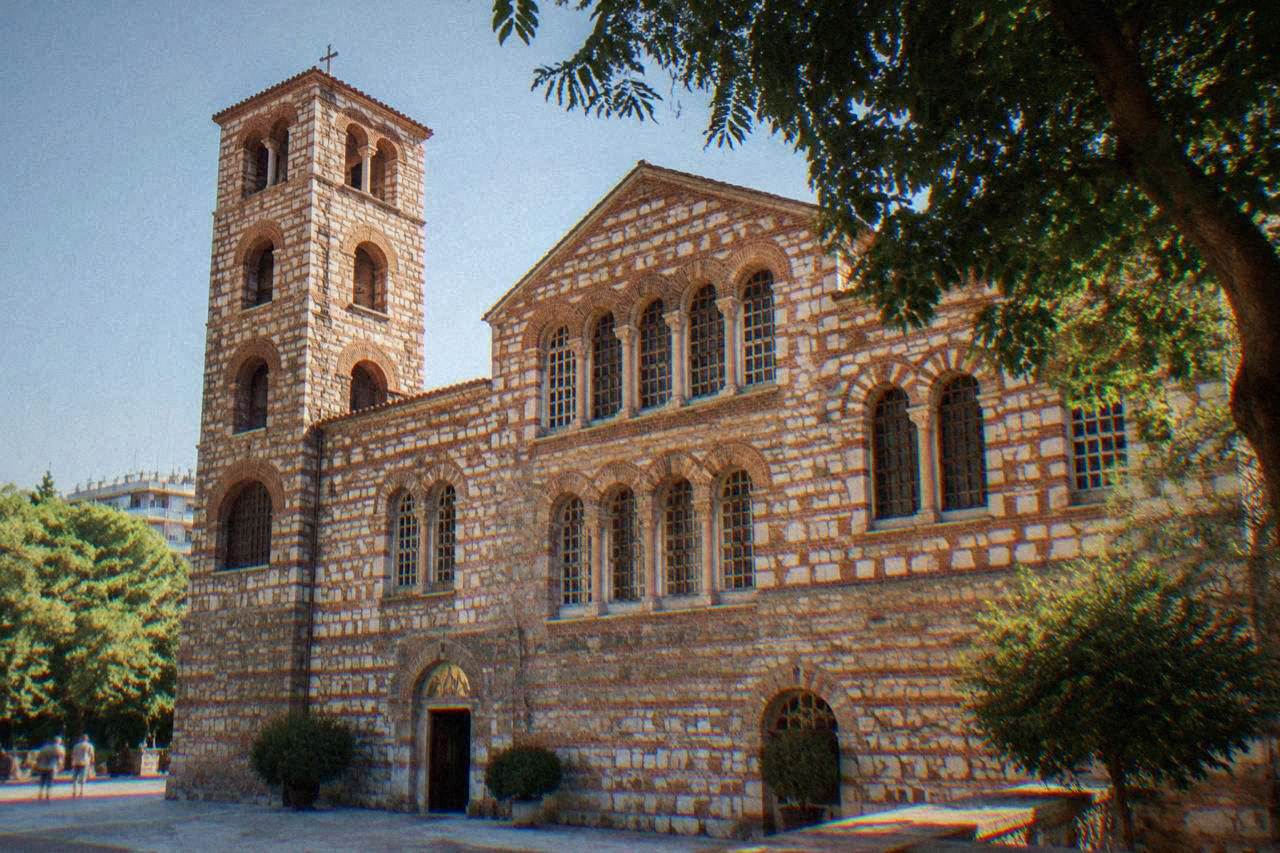
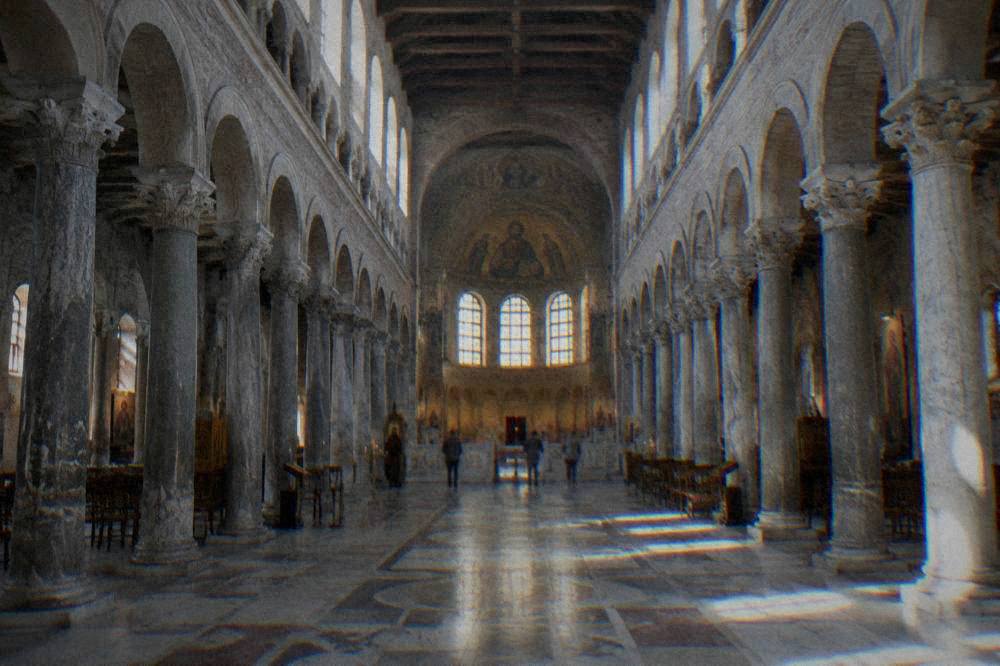
The Church of Saint Demetrius in Thessaloniki is a five-aisled basilica dedicated to Saint Demetrius, the martyr venerated as the city's patron saint, and it is one of the fifteen monuments on the UNESCO listing "Paleochristian and Byzantine Monuments of Thessaloniki", inscribed in 1988. It is a working church, free to enter, and it holds a crypt beneath the sanctuary that tradition connects directly to the saint.
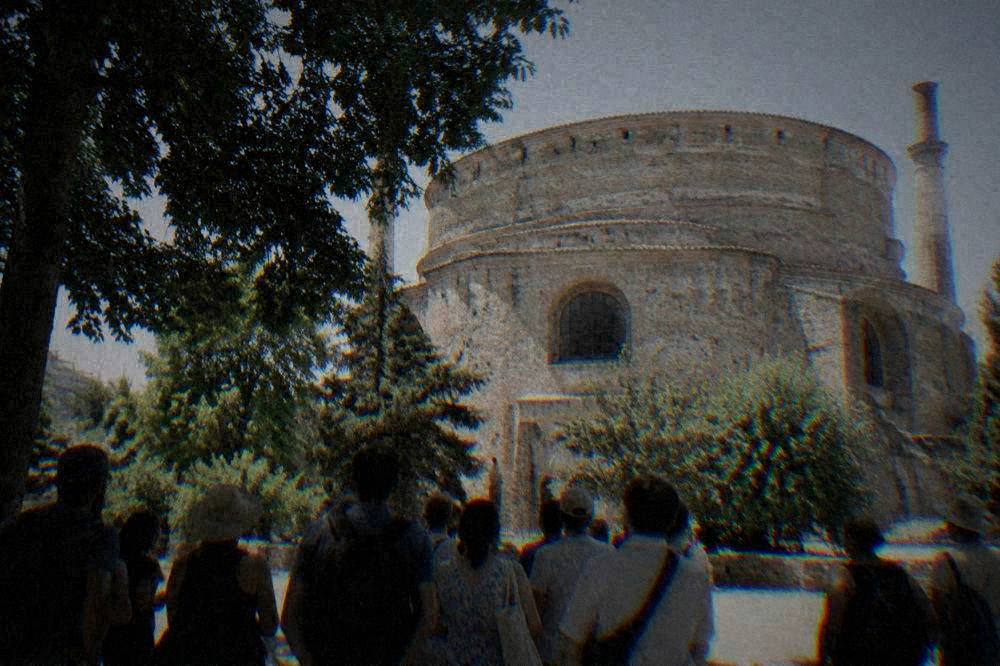
Thessaloniki was founded in 315 BC by Cassander and named for his wife Thessalonike, a daughter of Philip II, and for more than a thousand years of that history the basilica of Saint Demetrius has been the city's principal church. The UNESCO inscription covers fifteen Early Christian and Byzantine monuments across the city, and this basilica sits among them alongside the Rotunda, Hagia Sophia and the Panagia Acheiropoietos. The UNESCO listing is the authoritative starting point for the church's standing: it is not a museum piece but a functioning Orthodox place of worship.
The basilica was badly damaged in the Great Fire of 1917, the fire that devastated the city centre and left 73,000 people homeless, and Hagia Sophia was damaged in the same disaster. The church that stands today is the result of the reconstruction that followed.
Saint Demetrius is the patron saint of Thessaloniki, his name day on 26 October is marked annually, and the same date commemorates the liberation of the city on 26 October 1912. Few cities fold a saint's day and a national anniversary into one date; Thessaloniki does, and the basilica is where they meet.
Is The Church Of Saint Demetrius Free To Visit In Thessaloniki?
Yes, entry to the Church of Saint Demetrius in Thessaloniki is free, because it is a working Orthodox church rather than a ticketed state museum. Visitors should treat service times as the real schedule: the church is open to visitors outside services, and dress and behaviour follow normal Orthodox church custom.
This is the point where many guides overreach. They print opening hours, crypt hours or a ticket price for the basilica, and none of those figures holds up here. The contrast with the state museums is worth making plainly. The White Tower charges 8 euro full and 4 euro reduced under the prices in force from 1 April 2026, per the Museum of Byzantine Culture's visiting page. The Archaeological Museum and the Museum of Byzantine Culture each charge 10 euro full and 5 euro reduced. The Church of Saint Demetrius charges nothing and sells nothing, because it is first a place of worship.
| Sight in Thessaloniki | Admission | Basis |
|---|---|---|
| Church of Saint Demetrius | Free, working church | Open outside services |
| Hagia Sophia | Free, working church | Open outside services |
| Panagia Acheiropoietos | Free, working church | Open outside services |
| White Tower | 8 euro full, 4 reduced | State monument, prices from 1 April 2026 |
| Archaeological Museum | 10 euro full, 5 reduced | State museum |
| Museum of Byzantine Culture | 10 euro full, 5 reduced | State museum |
A practical consequence follows. State museums in Thessaloniki are free on 6 March, 18 April, 18 May, the last weekend of September and 28 October, but that schedule is irrelevant to the basilica, which never charges. What does matter is the liturgical calendar: on 26 October the church is the focus of the city's name-day observance, and a casual visit that day will be shaped by services rather than by any tourist timetable.
A guided walk is one way to see the basilica in context rather than in isolation. The Upper Town Historical Tour Experience covers Thessaloniki's historic quarters with a local guide, and its live listing holds the current price, schedule and availability.
What Is In The Crypt Beneath The Basilica?
The crypt of the Church of Saint Demetrius in Thessaloniki is the vaulted space beneath the sanctuary that tradition associates with the saint, and it formed part of the basilica's reconstructed layout after the 1917 Great Fire. No published opening hours or admission price exist for the crypt, so the only safe planning rule is to check locally on the day, since access follows the church's own arrangements rather than a museum schedule.
The crypt is the part of the basilica that draws the specific question, because tradition places the story of the saint himself there: a Roman bath complex on this spot is associated in the tradition with Demetrius's martyrdom, and the underground space has been venerated in connection with him for well over a millennium. What can be stated plainly is structural: the space sits below the church floor, it is reached from inside the basilica complex, and it belongs to the same UNESCO-listed monument. What cannot be stated, because the sources do not verify it, is a fixed timetable or any price. Visitors should confirm crypt access on the day of the visit.
The distinction matters more here than at most sights, because Thessaloniki's ticketed monuments follow published schedules while its churches follow liturgical ones. The Museum of Byzantine Culture, which holds much of the city's Byzantine material, runs daily 08:00 to 20:00 in summer and Monday, Wednesday to Sunday 08:30 to 15:30 in winter, closed Tuesday, with entry at 10 euro full and 5 euro reduced. The basilica keeps no comparable published hours in any source available to this page.
| Question about the crypt | What the sources support |
|---|---|
| Is it part of the UNESCO monument | Yes, within the inscribed basilica |
| What is it | Vaulted space beneath the sanctuary, linked by tradition to the saint |
| Admission price | None stated, working church |
| Guided access | Possible through a walking tour of the historic centre |
For readers who want the biblical background rather than the architecture, the Thessaloniki in the Bible guide covers the city's place in the Apostle Paul's journeys, a separate layer of the same city's religious history.
How Old Is The Church Of Saint Demetrius?
The construction dates of individual churches in Thessaloniki, including the Church of Saint Demetrius, remain uncertain, so no founding year can responsibly be printed. The basilica stands on a site associated with the martyrdom of Saint Demetrius, and it was devastated in the Great Fire of 1917, which damaged the city centre and Hagia Sophia, then rebuilt under the reconstruction that followed.
That answer may feel thin next to the confident century-by-century accounts elsewhere online, but it is the honest one. The city's fixed dates are well documented: founded 315 BC by Cassander, Ottoman conquest in 1430, liberated 26 October 1912, the Great Fire of 1917 with 73,000 left homeless, the earthquake of 1978, and European Capital of Culture in 1997. The UNESCO inscription of the fifteen monuments came in 1988. The basilica sits inside that frame, and its own building chronology, layer by layer, is the part this site will not guess at.
| Date | Event in Thessaloniki's documented history |
|---|---|
| 315 BC | City founded by Cassander, named for Thessalonike |
| 1430 | Ottoman conquest of the city |
| 26 October 1912 | Liberation, Greek army entry |
| 1917 | Great Fire devastates the centre, 73,000 homeless |
| 1978 | Earthquake damages the city |
| 1988 | UNESCO inscribes fifteen Paleochristian and Byzantine monuments |
The fire deserves its own sentence, because it explains the church a visitor actually sees. On 18 August 1917 a fire swept the centre of Thessaloniki and left tens of thousands homeless; the basilica of Saint Demetrius and Hagia Sophia were both damaged. The reconstruction that followed, shaped by the Hebrard plan for the city, is the reason Thessaloniki's centre looks the way it does, with Aristotelous Square as its planned centrepiece.
Where Is The Basilica And What Sits Near It?
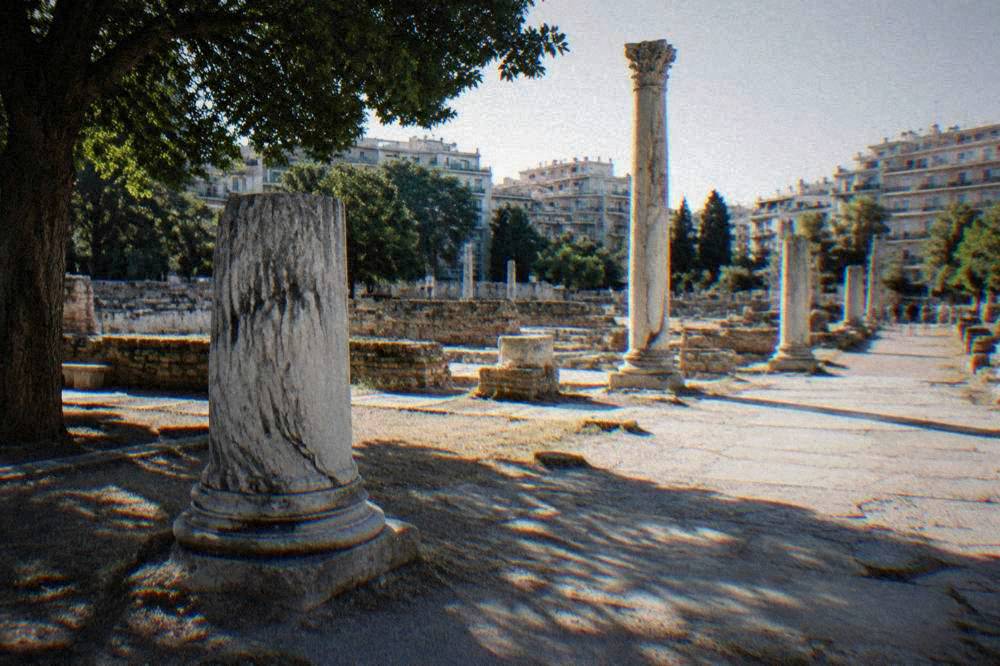
The Church of Saint Demetrius stands in the historic centre of Thessaloniki, a short walk from Aristotelous Square and the Roman Forum, on the street grid that slopes down from the upper town toward the seafront. Its nearest documented neighbours are the Roman Forum, the Arch of Galerius and the Rotunda to the east, and Hagia Sophia closer to the promenade, which makes the basilica a natural stop on any walk through the city's ancient and Byzantine core.
Thessaloniki is a compact coastal city on the Thermaic Gulf, and its monumental centre chains together easily on foot. The Roman Forum, the city's ancient civic heart, lies just above the basilica's street. From there the axis runs east along Egnatia past the Arch of Galerius, an open-air street monument that is free to view, to the Rotunda. North, the streets climb into Ano Poli, the old upper town inside the Byzantine walls, where the Heptapyrgion fortress, used as a prison until 1989, looks down over the whole basin.
| Neighbouring sight | What it is | Direction from the basilica |
|---|---|---|
| Roman Forum | Ancient civic complex of the city | Immediately uphill |
| Arch of Galerius | Open-air Roman monument on Egnatia, free to view | East |
| Rotunda | Roman monument, UNESCO listed | East, beyond the arch |
| Hagia Sophia | Working Byzantine church, UNESCO listed | Toward the seafront |
| Heptapyrgion | Fortress in Ano Poli, a prison until 1989 | Uphill, in the upper town |
| Aristotelous Square | Planned central square on the seafront | Downhill toward the sea |
The upper town connection is worth a note, because the basilica and Ano Poli belong to the same historical walk. The walls that enclose Ano Poli originally ran about 8 km, and part is still visible today; the Heptapyrgion within them became a prison in the late 19th century and remained one until 1989. A walking tour that links the two is one of the more efficient ways to cover the ground, and the Upper Town Historical Tour Experience is this site's featured option for exactly that route. Check availability
How Does Saint Demetrius Fit The City's Religious History?
Saint Demetrius is the patron saint of Thessaloniki, his name day on 26 October coincides with the anniversary of the city's liberation on 26 October 1912, and his basilica anchors a religious landscape that also includes Hagia Sophia, the Panagia Acheiropoietos, Hosios David and the Vlatadon Monastery, all within the UNESCO inscription of fifteen monuments from 1988. The Apostle Paul's connection to the city is a separate, earlier chapter, documented on its own page.
The coincidence of dates is the striking fact. When the Greek army entered Thessaloniki on 26 October 1912, the city had kept the feast of its patron on that same date for centuries. The double anniversary is marked annually, and the basilica is the focal point. Ochi Day follows two days later on 28 October with its parade, making late October one of the most ceremonially dense moments in the city's year.
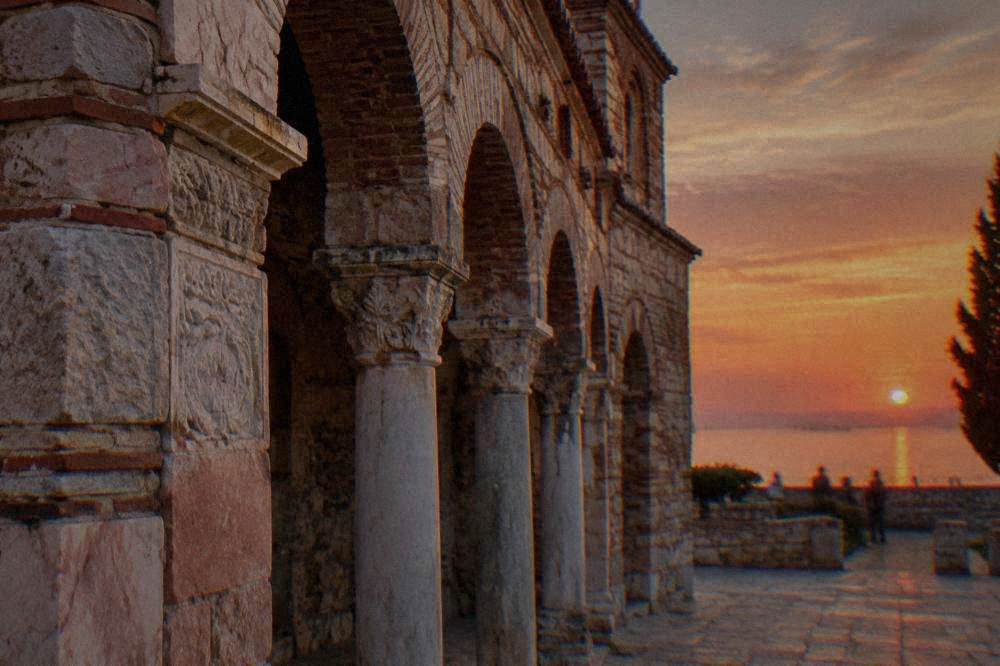
The working churches of the UNESCO list share the same visiting conditions as the basilica: free entry, open outside services, no published ticket. That uniformity is itself useful planning information. A visitor can walk Hagia Sophia, the Panagia Acheiropoietos, Hosios David and the Church of Saint Demetrius in one morning without buying a single ticket, then pay once at the Museum of Byzantine Culture or the Archaeological Museum for the museum half of the story. For the Pauline thread, the Thessaloniki in the Bible guide carries the detail.
| Church in Thessaloniki | Status in the UNESCO list | Visiting basis |
|---|---|---|
| Church of Saint Demetrius | One of the fifteen monuments | Free, open outside services |
| Hagia Sophia | One of the fifteen monuments | Free, open outside services |
| Panagia Acheiropoietos | One of the fifteen monuments | Free, open outside services |
| Hosios David | One of the fifteen monuments | Free, open outside services |
| Vlatadon Monastery | One of the fifteen monuments | Free, open outside services |
What Is The Best Way To Visit On A Short Stay?
A visit to the Church of Saint Demetrius needs no ticket and no booking, so the practical planning question is sequencing: pair the basilica with the Roman Forum above it, the Arch of Galerius and Rotunda to the east, and the seafront promenade below, in a single walking line through central Thessaloniki. Visitors with one day should anchor the walk at Aristotelous Square and work uphill to the upper town, where the Heptapyrgion closes the historical arc from antiquity to 1989.
The city rewards this kind of chaining because the sights sit close together. Thessaloniki's metro is open, Line 1 running since November 2024 with the Kalamaria extension inaugurated on 27 August 2026, and a basic ticket costs 0.60 euro with a daily ticket at 2.50 euro, per the Thessaloniki Metro's ticket page. But for the basilica itself, the metro is a background fact: the historic centre is a walking district, and the church belongs to a route measured in minutes on foot, not in transit legs.
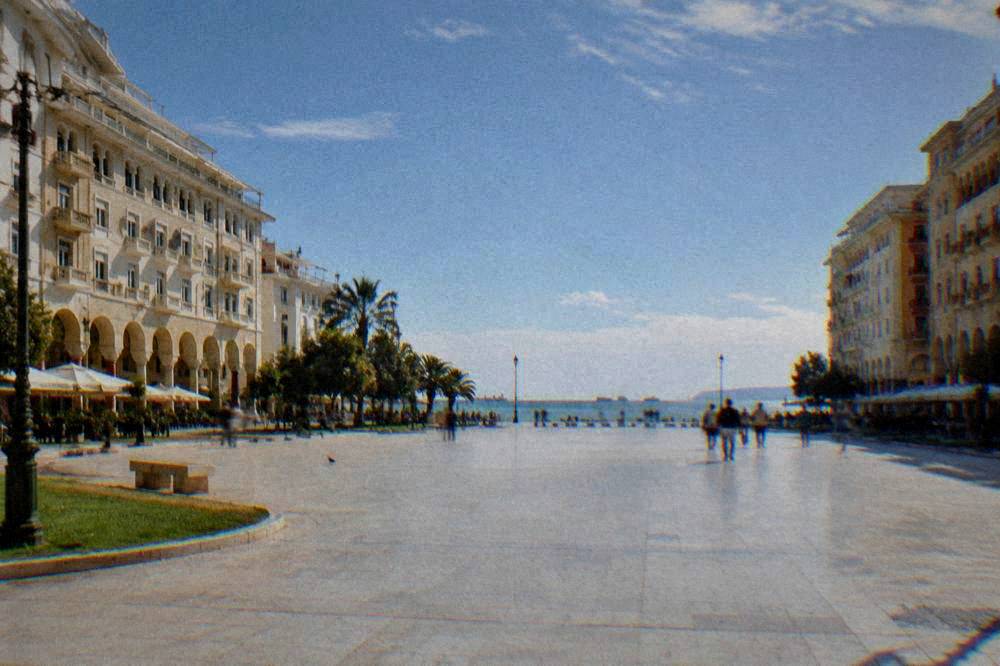
Timing around the year is simpler here than at the beaches. Swimming is not done on the city waterfront, the Nea Paralia is a promenade rather than a beach, so a basilica-centred visit works in any month. The HNMS Thessaloniki Mikra station record, 1959 to 2010, gives a July mean high of 31.7 C and a January mean low of 1.5 C, with December the highest monthly rainfall at 55.1 mm and August the lowest at 19.3 mm. October, the month of the saint's day, shows a mean high of 21.2 C, which is one reason late autumn ceremonies happen comfortably outdoors.
| Month | Mean high C | Mean low C | Rain mm |
|---|---|---|---|
| January | 9.3 | 1.5 | 37.7 |
| April | 19.1 | 7.9 | 36.1 |
| July | 31.7 | 19.3 | 23.8 |
| October | 21.2 | 11.3 | 43.0 |
| December | 10.9 | 3.2 | 55.1 |
Figures from the HNMS Thessaloniki Mikra station record, 1959 to 2010, shown for five sample months.
Guided options cover the same ground with a local's framing. The Upper Town Historical Tour Experience is the featured pick on this page; two other popular products, the Museum of Illusions admission and the Halkidiki Blue Lagoon cruise, extend a city stay in different directions.
The full sightseeing picture, including the state museums and the day trips beyond the city, is laid out on the things to do in Thessaloniki page, and the broader editorial context for this guide is on the Thessaloniki Travel Guide home page.
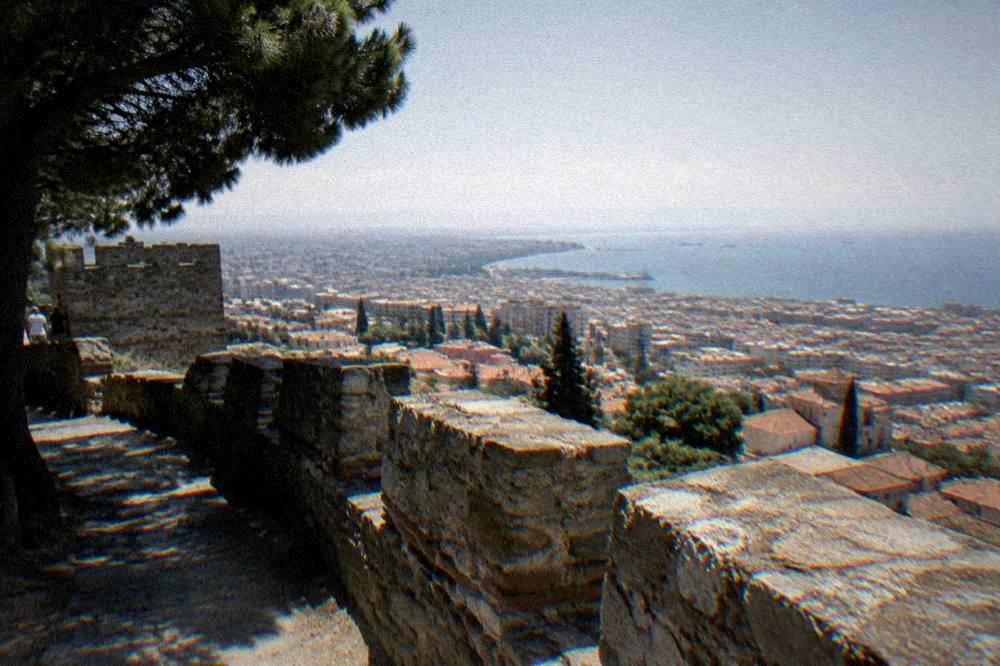
What Day Trips Pair Well With The Basilica?
Day trips from Thessaloniki reach Pella in about 43 minutes by road, Vergina in about 62, Dion in about 67 and Meteora in about 154, all measured from Aristotelous Square under free-flow conditions, so a morning at the basilica combines easily with an afternoon or a full day in ancient Macedonia. The basilica's own saint belongs to the city, but the region's archaeological wealth lies within an hour or two of his church.
These drive times are computed routing figures, presented as about, with no traffic or stops. Pella, the birthplace context of Alexander the Great's kingdom, and Vergina, home of the Royal Tombs of Aigai, form the classic ancient-Macedonia pairing. Dion sits at the foot of Mount Olympus, and Meteora, at about 228 km, is a full day rather than a half, a point worth repeating because it is so often misplanned. The Pella guide carries that trip's detail.
| Day trip destination | Road distance from Aristotelous Square | Drive time, about |
|---|---|---|
| Perea, for swimming | 23 km | 28 minutes |
| Pella | 46 km | 43 minutes |
| Vergina | 68 km | 62 minutes |
| Dion | 90 km | 67 minutes |
| Litochoro, Mount Olympus base | 91 km | 67 minutes |
| Kassandra, Kallithea | 86 km | 78 minutes |
| Meteora, Kalambaka | 228 km | 154 minutes |
The Blue Lagoon cruise, one of the trio below, covers the Halkidiki side of that table with lunch included.
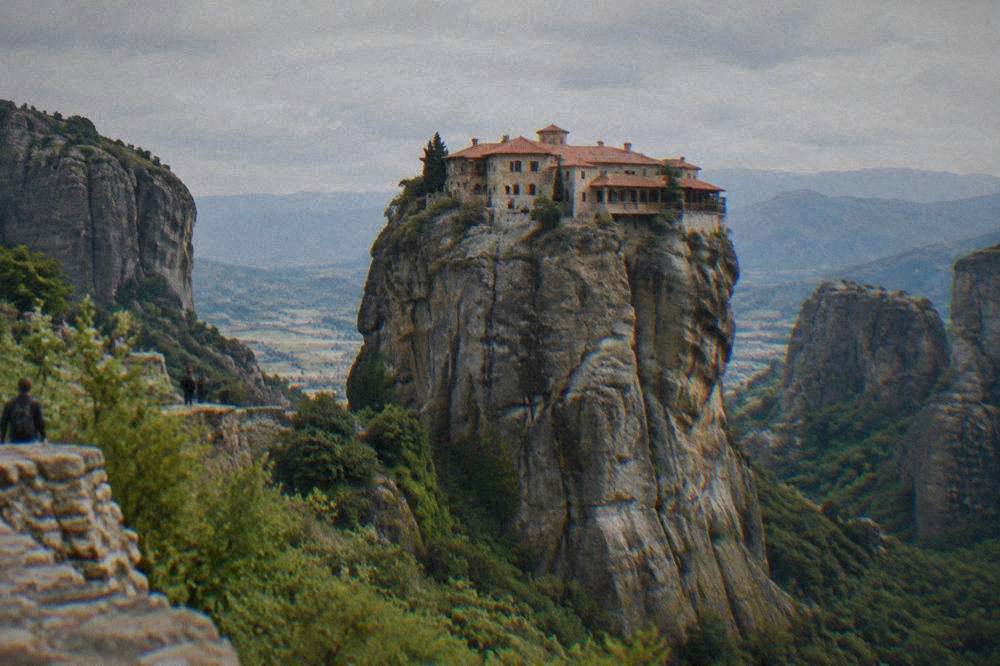
For families balancing a church visit with something lighter, the Museum of Illusions sits in the city centre and is a workable contrast stop on the same day.
And for the sea day, the Halkidiki cruise runs from the city out to the Blue Lagoon with lunch on board.
Common Questions About The Church Of Saint Demetrius In Thessaloniki
Is the Church of Saint Demetrius in Thessaloniki free?
Yes. It is a working Orthodox church and entry is free. It opens to visitors outside service times, and no ticket is sold.
Is the Church of Saint Demetrius UNESCO listed?
Yes. It is one of the fifteen Paleochristian and Byzantine Monuments of Thessaloniki inscribed on the UNESCO World Heritage List in 1988.
Can you visit the crypt of Saint Demetrius?
Confirm access locally on the day of your visit.
When is Saint Demetrius day in Thessaloniki?
26 October each year. The same date marks the liberation of the city in 1912, so the feast and the anniversary are observed together.
How far is the Church of Saint Demetrius from Aristotelous Square?
The basilica stands in the historic centre a short walk uphill from Aristotelous Square, close to the Roman Forum and the axis of Egnatia that leads to the Arch of Galerius and the Rotunda.
What should visitors wear to the Church of Saint Demetrius?
As in any working Orthodox church, dress modestly and behave as in a place of worship. Services take priority over sightseeing, and visiting happens around them.