Heptapyrgion: The Fortress And Prison At The Top Of Ano Poli
The Heptapyrgion, also called Yedi Kule, crowns the Acropolis of Thessaloniki at the top of Ano Poli: a fortress inside the Byzantine walls that became a prison and is now one of the finest viewpoints in Central Macedonia.
Short answer
The Heptapyrgion is the Byzantine-Ottoman fortress at the highest point of Thessaloniki's Ano Poli upper town. Built into the city walls and used as a prison from the late 19th century until 1989, it now offers panoramic views over the city, the Thermaic Gulf and, on clear days, Mount Olympus.
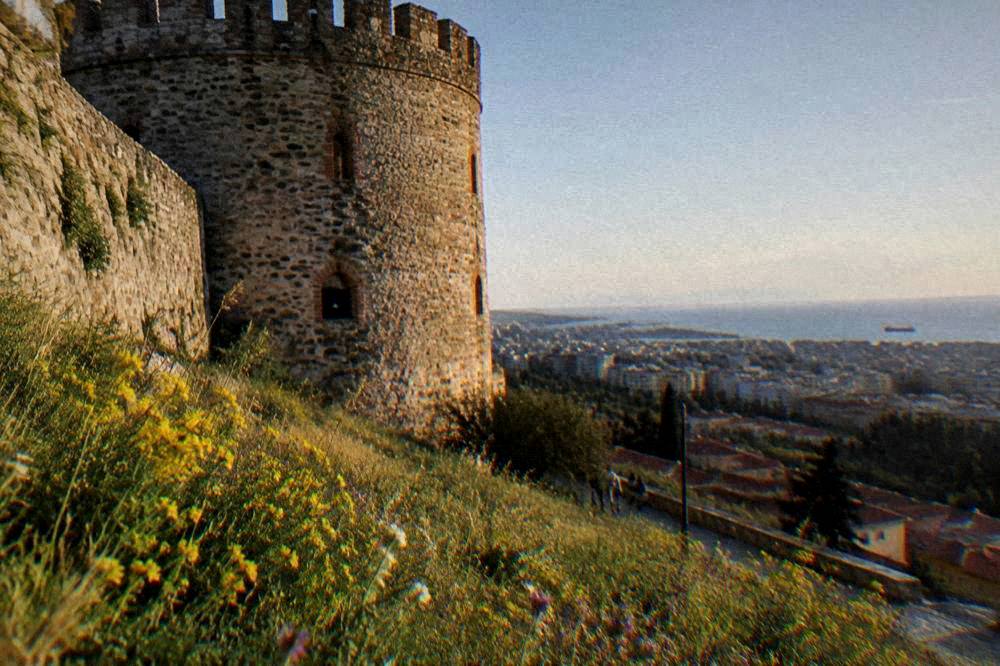
At the highest point of Thessaloniki, in Central Macedonia in northern Greece, where the Byzantine walls fold around the old upper town of Ano Poli, stands the Heptapyrgion: a fortress of seven towers that guarded the city's Acropolis for centuries and then locked its citizens away for a hundred years. The name is Greek for "seven towers", and the Ottoman equivalent, Yedi Kule, means exactly the same thing. Per the Hellenic Ministry of Culture's own monument page, the fortress served as a prison from the late 19th century until 1989, and the original circuit of walls ran about 8 km, of which roughly 4 km remains visible today. The view from the top takes in the whole Thermaic Gulf, the White Tower on the seafront promenade, and, on clear days, the ridgeline of Mount Olympus across the water.
This page covers what the Heptapyrgion is, where the name comes from, what survives inside, how the prison years shaped it, how to reach it on foot or by metro and bus, and what else to see in Ano Poli once you are up there. Practical details follow the sources: the guidance below tells you what is confirmed about opening hours and admission for the fortress itself, and where to check the rest.
What Is The Heptapyrgion In Thessaloniki?
The Heptapyrgion is the fortress complex at the summit of Thessaloniki's walled Acropolis, at the top of the Ano Poli upper town, combining Byzantine wall fabric, Ottoman towers and the buildings of a prison that operated from the late 19th century until 1989, according to the Hellenic Ministry of Culture's monument page. Its Greek and Ottoman names both mean "seven towers".
The fortress sits where the city's defensive walls meet the hill of the Acropolis, the high ground from which Thessaloniki has been watched over since the city was founded in 315 BC by Cassander and named for his wife Thessalonike, a daughter of Philip II. The Ministry of Culture's page records that the original circuit of walls ran about 8 km and that part of it, about 4 km, still stands, and the Heptapyrgion is the knot at its northern crest. The walls have Hellenistic origins, were expanded in the Byzantine period and were strengthened under the Ottomans after their conquest of the city in 1430, and the fortress reflects all three layers.
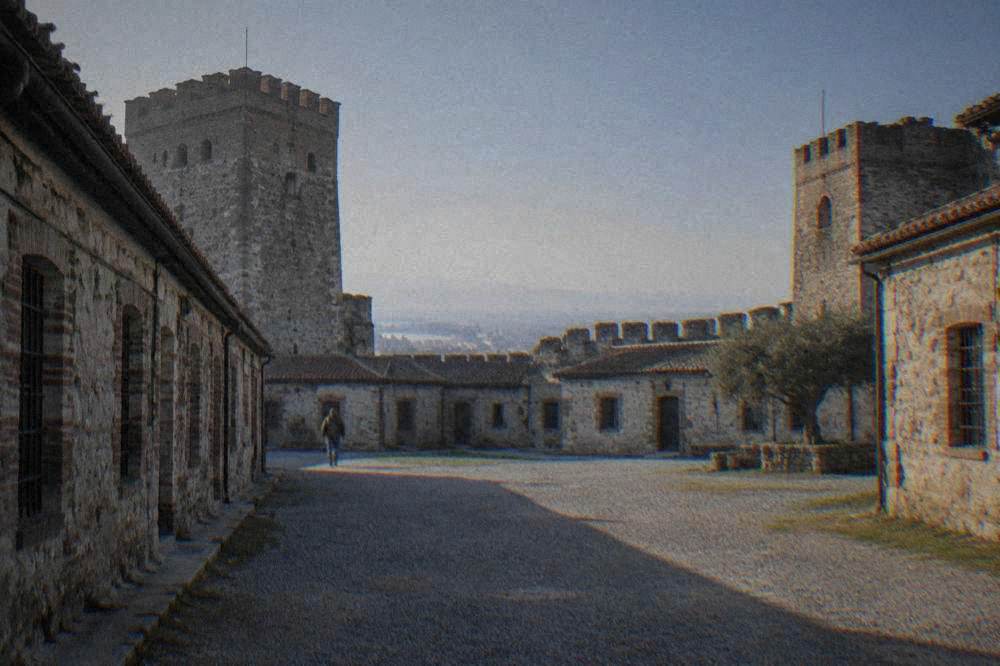
Inside the enclosure, the buildings that meet you first are not medieval at all. They are the cell blocks, workshops and guardhouses of the prison, built onto and into the older fortifications after the Ottoman authorities converted the fortress in the late 19th century. That conversion is why the site survived so completely: a working prison does not sell its stone for building material. When the prison closed in 1989, the complex passed to the Ministry of Culture, and restoration work has since returned parts of it to public use.
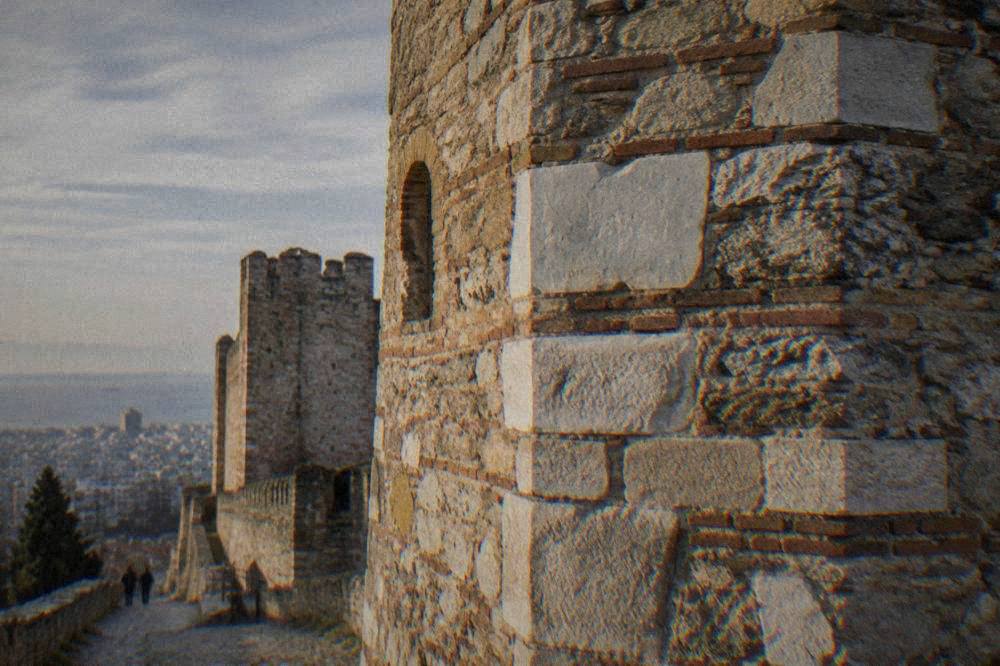
The seven towers that give the fortress both its names are not all one build. Some sit on Byzantine foundations, and others are Ottoman additions or rebuilds, which is typical of a fortification that stayed in military use for more than five hundred years in one form or another. The result reads like a chronology of the city in stone: Byzantine masonry with reused ancient blocks, Ottoman rebuilding, and prison-era brickwork, all in one compact enclosure.
For the position it holds in the city's story, the Heptapyrgion belongs on any Ano Poli walk, and it pairs naturally with the wall-side walk to the nearby Trigonion Tower. A good pairing for a first visit is a guided walk of the upper town: the Thessaloniki Private Walking Tour with a Local covers the fortress, the walls and the lanes below them, and you can Check availability for your dates.
Why Is It Also Called Yedi Kule?
Both names mean "seven towers": "Heptapyrgion" is Greek, from hepta (seven) and pyrgos (tower), while "Yedi Kule" is the Ottoman Turkish equivalent, yedi meaning seven and kule meaning tower. The fortress carried the Turkish name through the Ottoman centuries and the prison years, and both spellings appear on maps and signs in Thessaloniki today.
The double name is a fingerprint of the city's history. Thessaloniki spent the period from 1430, the Ottoman conquest, until 26 October 1912, when the Greek army entered the city and the protocol of surrender was signed, under Ottoman rule, and the administrative language of that era named the fortress in Turkish. The Greek name is the older concept, applied to the fortified Acropolis since the Byzantine period. When the prison closed and the site became a monument, Greek usage settled on Heptapyrgion, but Yedi Kule never left the vernacular.
Visitors will hear both, and signage near the site uses both. This guide uses "Heptapyrgion" throughout for consistency, which matches the spelling used across this site and in the Ministry of Culture's documentation. The table below sets out the two names side by side.
| Name | Language | Literal meaning | Period of common use |
|---|---|---|---|
| Heptapyrgion | Greek | Seven towers | Byzantine era to today |
| Yedi Kule | Ottoman Turkish | Seven towers | 1430 to 1912, still heard today |
| Eptapyrgio | Modern Greek variant | Seven towers | Alternative transliteration on some maps and signs |
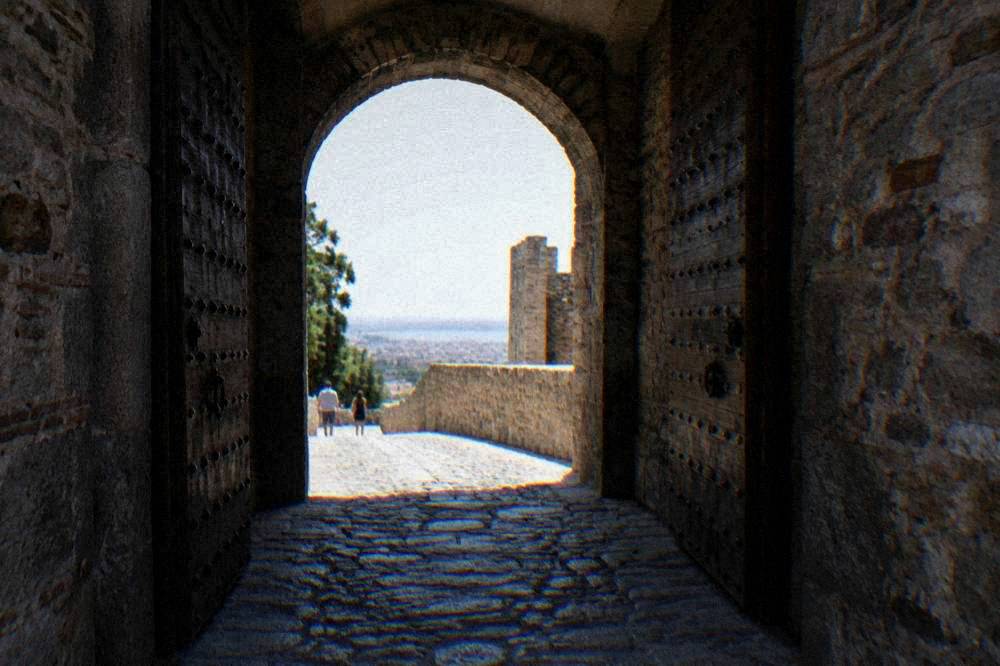
The fortress is one part of a much larger defensive system, and the walls themselves are part of the UNESCO story of the city. The "Paleochristian and Byzantine Monuments of Thessaloniki" were inscribed on the UNESCO World Heritage List in 1988 and cover fifteen monuments, and the city walls are counted among them. The Ano Poli upper town is where that heritage is densest, as the next section explains.
What Can You See Inside The Heptapyrgion Today?
Inside the walls you can walk the fortress courtyard, see the seven towers along the curtain, and view the restored prison buildings that were in use until 1989, together with sections of Byzantine wall fabric that predate the Ottoman rebuilds, all per the Ministry of Culture's monument description. Check the current details on exact opening hours and any admission charge before you set out.
The prison buildings are the most distinctive feature, because they are unusual for a European fortress: rather than being cleared away, the cell wings have been kept as part of the record of the site. The fortress operated as a prison through the late Ottoman period, the Balkan Wars, both world wars and the decades after, and it finally closed in 1989. What stands now is a rare layered monument: fortification and house of detention in one enclosure.
Around the courtyard, look for the contrast in masonry. The Byzantine stretches reuse ancient spolia, worked blocks taken from earlier Roman buildings, while the Ottoman towers are rougher, built for artillery-era defence. The Ministry of Culture's page notes the walls' Byzantine expansion and Ottoman strengthening, and both phases are legible on site.
| What you see | Period | Notes |
|---|---|---|
| Seven towers on the curtain | Byzantine foundations, Ottoman rebuilds | Source of both names |
| Curtain wall sections | Byzantine, with reused ancient stone | Part of about 4 km of walls still visible citywide |
| Prison cell blocks and guardhouses | Late 19th century to 1989 | Kept as part of the site's record |
| Restored interiors and exhibition spaces | Post-restoration | Part of the complex returned to cultural use |
| The Acropolis hilltop itself | Continuous since antiquity | The high ground of the walled city |
The walk up through Ano Poli rewards you regardless of whether the interior is open, and the wall-side path toward the Trigonion Tower is public.
How Do The Heptapyrgion And The Walls Fit The UNESCO Listing?
The city walls are among the fifteen monuments of the "Paleochristian and Byzantine Monuments of Thessaloniki", inscribed on the UNESCO World Heritage List in 1988, and the Heptapyrgion is the fortress at the point where those walls enclose the Acropolis at the top of Ano Poli. The listing is the city's, not the fortress's alone: fifteen components in total.
Thessaloniki's UNESCO inscription is unusual for its breadth: it covers churches, the Rotunda and the walls as a single property, reflecting the city's role as a Byzantine metropolis second in importance only to Constantinople for long stretches of the empire's history. Founded in 315 BC, conquered by the Ottomans in 1430, liberated on 26 October 1912, damaged by the Great Fire of 1917 and the earthquake of 1978, the city carries every layer, and the UNESCO listing protects the Byzantine one.
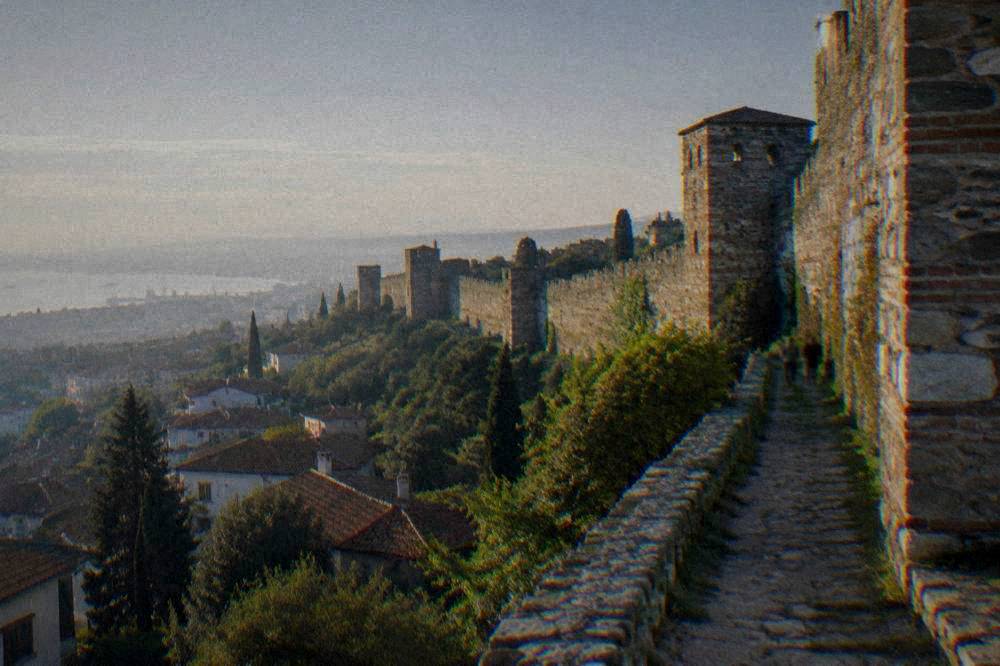
The Heptapyrgion's place in that story is defensive. The walls it anchors kept the upper town's street plan intact while the lower city was rebuilt after the 1917 fire, which is why Ano Poli today feels like a different settlement from the grid of the centre around Aristotelous Square. Walking from one to the other, you cross from the post-1917 city into the medieval one in about twenty minutes on foot.
| UNESCO component | Where it sits | Relation to the Heptapyrgion |
|---|---|---|
| City walls | Upper town, around Ano Poli | The fortress is built into them at the Acropolis |
| Church of Saint Demetrius | City centre, below the walls | A short walk down through Ano Poli |
| Hagia Sophia | City centre | On the route between centre and upper town |
| Hosios David (Latomou Monastery) | Ano Poli | Minutes from the fortress approach |
| Vlatadon Monastery | Ano Poli, near the walls | The monastery inside the walled upper town |
| Rotunda | City centre | Roman-era, part of the same Byzantine listing |
For a fuller treatment of the upper town's Byzantine churches, see Hosios David, Ano Poli's Byzantine chapel and the Vlatadon Monastery guide, both of which sit within a short walk of the fortress walls. A themed walk through all of this is what the old town walking tour of Ano Poli covers, with the mythology and botany of the hill woven in.
How Long Did The Heptapyrgion Serve As A Prison?
The Heptapyrgion served as a prison from the late 19th century until 1989, roughly a hundred years, according to the Hellenic Ministry of Culture's monument page, which records the conversion under the Ottomans and the closure date. From the Greek state's consolidation of the city after 1912 until its closure, it was a principal prison of Thessaloniki, and the cell buildings inside the walls date from those years.
The prison years are the reason the fortress is so intact and so sombre. Ottoman Thessaloniki needed a secure facility and had a ready-made one in the fortress, and the institution outlived the empire that created it: it operated through the Greek state's consolidation of the city after 1912 and on until it closed in 1989. When it closed, the site passed to the Ministry of Culture, and the prison buildings were preserved rather than demolished, a decision that shapes the visit today.
| Period | Role of the site | Source note |
|---|---|---|
| Byzantine era | Acropolis fortress within the walls | Walls expanded in this period |
| After 1430 | Ottoman fortress, strengthened | Ottoman conquest of the city |
| Late 19th century | Converted to a prison | Ministry of Culture record |
| Until 1989 | Prison in continuous use | Closure date per the ministry page |
| After 1989 | Monument under restoration | Cultural use of parts of the complex |
The buildings speak for themselves. If you want the narrative layer, a guided walk with a local is the way to get it, which is exactly what the private walking tour with a local provides, with the fortress as one stop in a route through Ano Poli's lanes.
How Do You Get To The Heptapyrgion?
The Heptapyrgion is reached on foot from the city centre in about twenty to thirty minutes uphill through Ano Poli, or by metro to a station on Line 1 followed by a walk or a short bus ride up; Thessaloniki's metro is open, with Line 1 running since November 2024 and the Kalamaria extension since 27 August 2026, and a basic ticket costs 0.60 euro per the Thessaloniki Metro's ticket page.
There is no station at the top of the hill, by definition: a fortress on an Acropolis is where transit does not reach. The practical routes are these. On foot from Aristotelous Square, walk up through the streets behind the Roman Forum area and keep climbing until the walls appear; the route passes the Church of Saint Demetrius region and enters Ano Poli's lanes. Alternatively, take the metro to a stop on the eastern side and approach the walls from the Trigonion Tower end, which is the gentler climb.
| Option | What it involves | Confirmed details |
|---|---|---|
| On foot from the centre | Uphill walk through Ano Poli, about 20 to 30 minutes | Free, always available |
| Metro Line 1 | Running since November 2024, Kalamaria extension since 27 August 2026 | 0.60 euro basic, 2.50 euro daily ticket, per the metro ticket page |
| Metro hours | 05:15 to 00:30 Sunday to Thursday, 05:15 to 02:00 Friday and Saturday | Per the Thessaloniki Metro's site |
| Taxi | To the upper town edge of Ano Poli | Fare not printed; confirm with the driver |
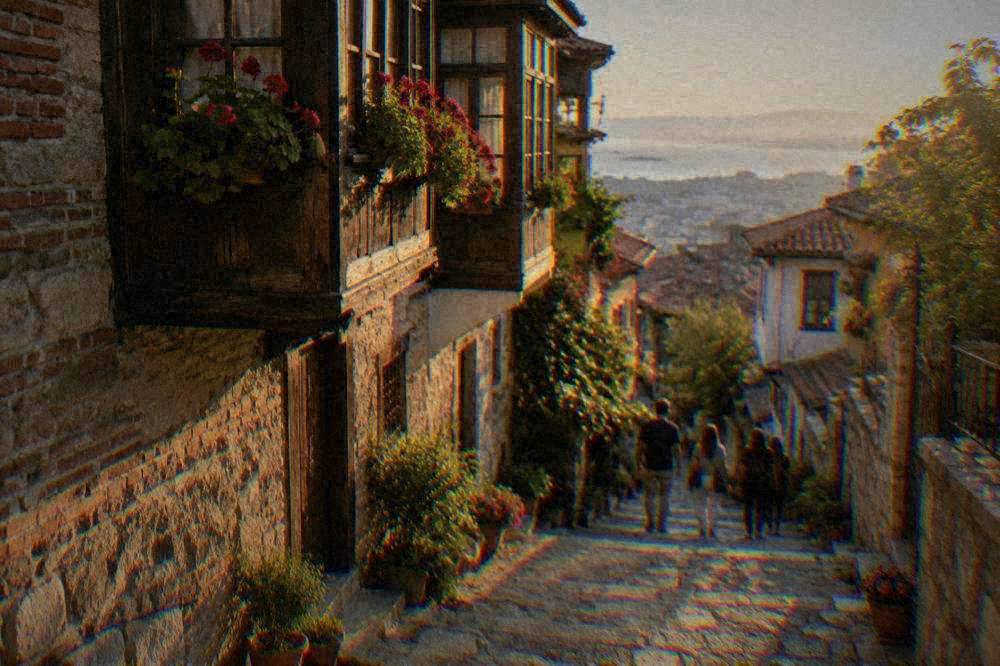
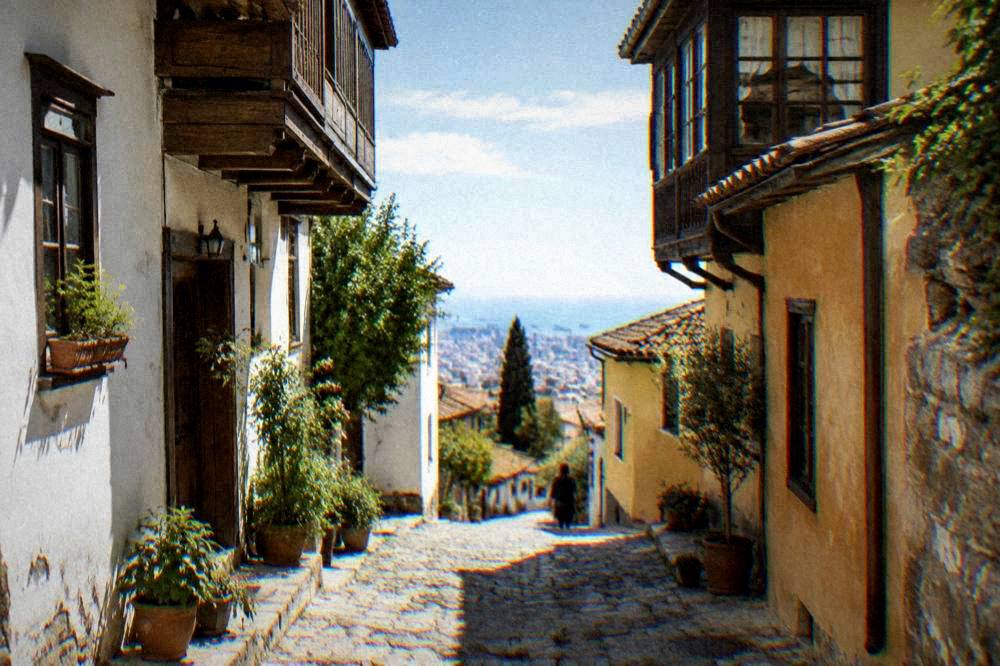
The climb is the point. Ano Poli's streets are the old Ottoman-era upper town, with traditional houses, small squares and the walls rising above them, and the approach on foot is a walk through the city's oldest surviving fabric. Wear sound shoes: the upper lanes are cobbled and steep, and the wall paths are unpaved in stretches.
What Is The View From The Top On A Clear Day?
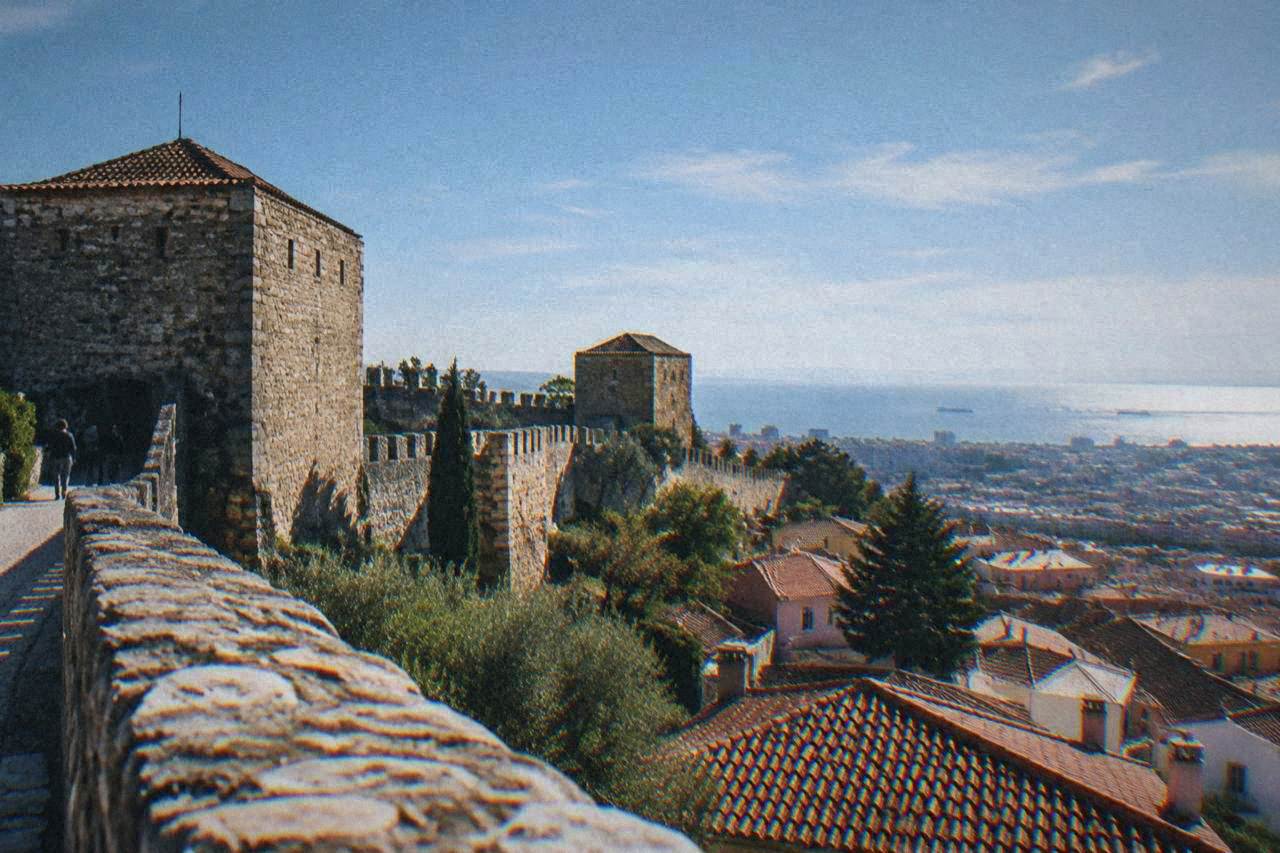
From the walls beside the Heptapyrgion the view takes in the whole of Thessaloniki below, the Thermaic Gulf and the seafront with the White Tower, the eastern suburbs toward Kalamaria, and, across the gulf on clear days, the mass of Mount Olympus, whose Prionia trailhead is about 86 minutes by road from Aristotelous Square. It is the city's rooftop.
The panorama is the reward for the climb, and the locals treat it that way: the wall path between the fortress and the Trigonion Tower is one of the city's evening promenades, facing west over the rooftops toward the gulf. Sunset here looks down the length of the city, with the Nea Paralia promenade and the sea to the west and the plain of Central Macedonia to the north.
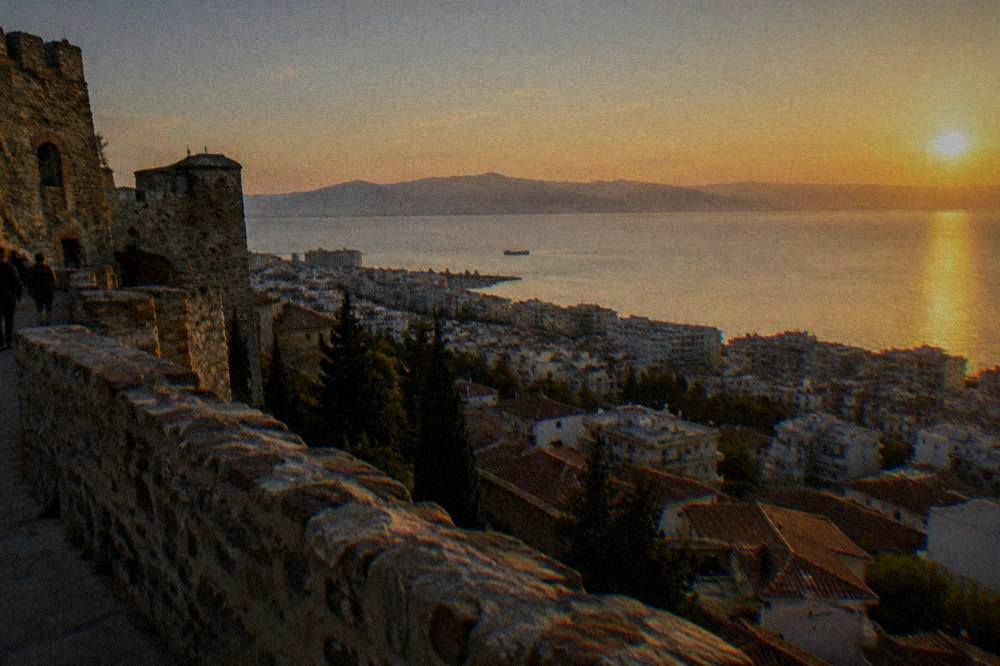
A few orientation notes help. The White Tower, the city's landmark on the seafront, is clearly visible below to the southwest. Mount Olympus sits across the gulf to the southwest and is most reliably visible in the cooler, clearer months of autumn, winter and spring; in the haze of high summer it can be indistinct. The HNMS Thessaloniki Mikra station record, 1959 to 2010, shows the city's clearest pattern is dry summers, with August averaging only 19.3 mm of rain and July a mean high of 31.7 C, while December carries the highest monthly rainfall at 55.1 mm, which makes the shoulder months comfortable for a walk uphill.
What Else Should You See In Ano Poli Around The Fortress?
Around the Heptapyrgion, Ano Poli holds the Trigonion Tower on the wall path, the Byzantine chapel of Hosios David, the Vlatadon Monastery inside the walls, and a network of lanes of traditional houses that make up the old upper town, all within a short walk of the fortress gates and all part of why this district is a destination in itself.
Plan the visit as a circuit rather than an out-and-back. Come up through the lanes, enter or view the fortress, then follow the wall path east to the Trigonion Tower, descend past Vlatadon Monastery and Hosios David, and drop back into the city near the Byzantine churches of the centre. That loop takes in the UNESCO-listed wall fabric, two of the city's Byzantine monuments and the best views, and it can be done at a slow pace in a morning or an afternoon.
| Stop | What it is | Distance from the fortress |
|---|---|---|
| Trigonion Tower | Tower on the wall path, viewpoint | A few minutes' walk east |
| Vlatadon Monastery | Monastery inside the walls, UNESCO listing | Minutes below the fortress |
| Hosios David | Byzantine chapel with early mosaics | A short walk downhill |
| Ano Poli lanes | Traditional houses and small squares | All around the approach |
| Byzantine walls | About 4 km visible citywide | The fortress sits in them |
For a first visit to the city overall, this upper-town circuit sits well inside a two-day plan, and the two days in Thessaloniki itinerary places it alongside the White Tower, the Rotunda and the Arch of Galerius. If you are short on time, the fortress and the wall path alone give you the essential view and the essential history in one stop.
When Is The Best Time Of Day To Visit The Heptapyrgion?
Late afternoon into sunset is the practical answer: the Heptapyrgion and the adjoining wall path face west over the Thermaic Gulf, so the evening light across the city and the sea is the signature scene, and the summer heat is past by then, with the HNMS Thessaloniki Mikra station record, 1959 to 2010, showing July and August mean highs above 31 C. Mornings suit a quieter circuit of Ano Poli.
But the approach, the walls, the Trigonion Tower path and the lanes of Ano Poli are open public space at any hour, and the evening promenade along the walls is a local habit for good reason. In winter the light comes early and the wind on the exposed hilltop can be sharp, with January mean lows of 1.5 C in the station record; in summer the late start also spares you the steepest part of the climb in the heat of the day.
| Season | Mean high / low (C) | Monthly rain (mm) | What it means for the climb |
|---|---|---|---|
| Spring (Apr) | 19.1 / 7.9 | 36.1 | Comfortable walking weather |
| Summer (Jul) | 31.7 / 19.3 | 23.8 | Climb early or late in the day |
| Autumn (Oct) | 21.2 / 11.3 | 43.0 | Warm afternoons, evening light |
| Winter (Jan) | 9.3 / 1.5 | 37.7 | Clear air, wind on the hilltop |
All figures are from the HNMS Thessaloniki Mikra station, 1959 to 2010, a weather-station record of temperature and rainfall.
Is The Heptapyrgion Worth The Climb From Central Thessaloniki?
Yes: the Heptapyrgion combines a UNESCO-linked fortress, a preserved prison, the finest panorama in Thessaloniki and the walk through Ano Poli's old lanes into a single visit, and nothing else in the city puts a thousand years of its defensive history in one compact place. The climb is real but short, and the wall path beyond the gates extends the payoff.
For visitors deciding how to spend a limited stay, the trade-off is simple. The seafront landmarks, the White Tower, the Rotunda and the Arch of Galerius, are flat and close together; the Heptapyrgion asks for a hill walk and returns the whole city spread below you. If your time in Thessaloniki runs to two days or more, do both, and the full things-to-do overview sets out the ordering. This Thessaloniki Travel Guide page is the fortress chapter of that story.
A few final practical notes. Greece is in the Schengen area and uses the euro, and the emergency number is 112. The tourist information centre at Aristotelous Square, tel. +30 2310 229070, is reported by the city's tourism site as the place to confirm current opening arrangements for the fortress. Carry water for the climb in summer, and in every season give the wall path toward the Trigonion Tower the extra fifteen minutes: it is the same walls, the same UNESCO story, and the view only improves as you go.
Common Questions About The Heptapyrgion In Thessaloniki
What does Heptapyrgion mean?
It means "seven towers" in Greek, from hepta (seven) and pyrgos (tower). The Ottoman name for the same fortress, Yedi Kule, means exactly the same thing in Turkish.
How old is the Heptapyrgion?
The fortress sits on the Acropolis of a city founded in 315 BC, with walls of Hellenistic origin that were expanded in the Byzantine period and strengthened under the Ottomans after 1430. The seven towers combine Byzantine foundations and Ottoman rebuilds.
Was the Heptapyrgion a prison?
Yes. Per the Hellenic Ministry of Culture's monument page, it served as a prison from the late 19th century until 1989, and the cell buildings from those years survive inside the walls.
How much does it cost to visit the Heptapyrgion?
Check the current price and opening hours on the Ministry of Culture's ticketing channels or with the tourist information centre at Aristotelous Square before you go.
How do I get to the Heptapyrgion?
Walk up through Ano Poli from the centre in about twenty to thirty minutes, or take the metro (Line 1, basic ticket 0.60 euro per the Thessaloniki Metro's ticket page) and approach the walls from the eastern side near the Trigonion Tower.
Can you see Mount Olympus from the Heptapyrgion?
On clear days, yes, across the Thermaic Gulf to the southwest. The mountain is most reliably visible in the cooler months; summer haze can hide it.