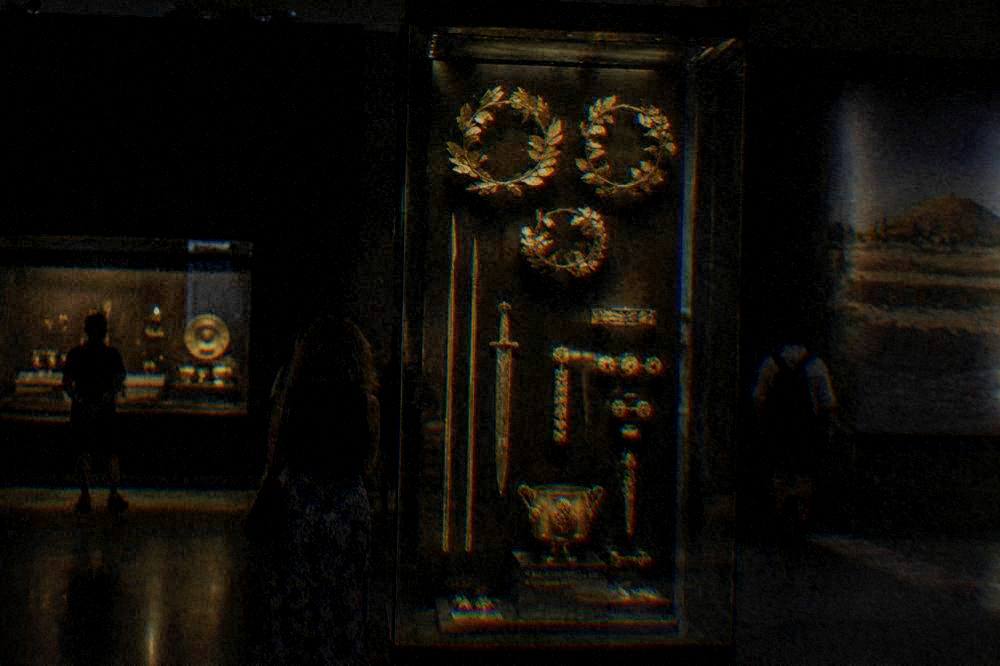
Pella: Alexander The Great's Capital
Pella, the birthplace of Alexander the Great and capital of the ancient kingdom of Macedon, sits about 43 minutes by road from Aristotelous Square in Thessaloniki, with a museum and excavated site that make it one of the shortest major day trips in Central Macedonia.
Short answer
Pella is about 46 km and roughly 43 minutes by road from central Thessaloniki. The archaeological museum is reported to charge about 10 euro, with a reported combined ticket of about 15 euro covering the site, museum and palace. Summer hours are reported as 08:00 to 20:00 daily except Tuesday from 12:00; confirm hours and prices on the official pages before you go.
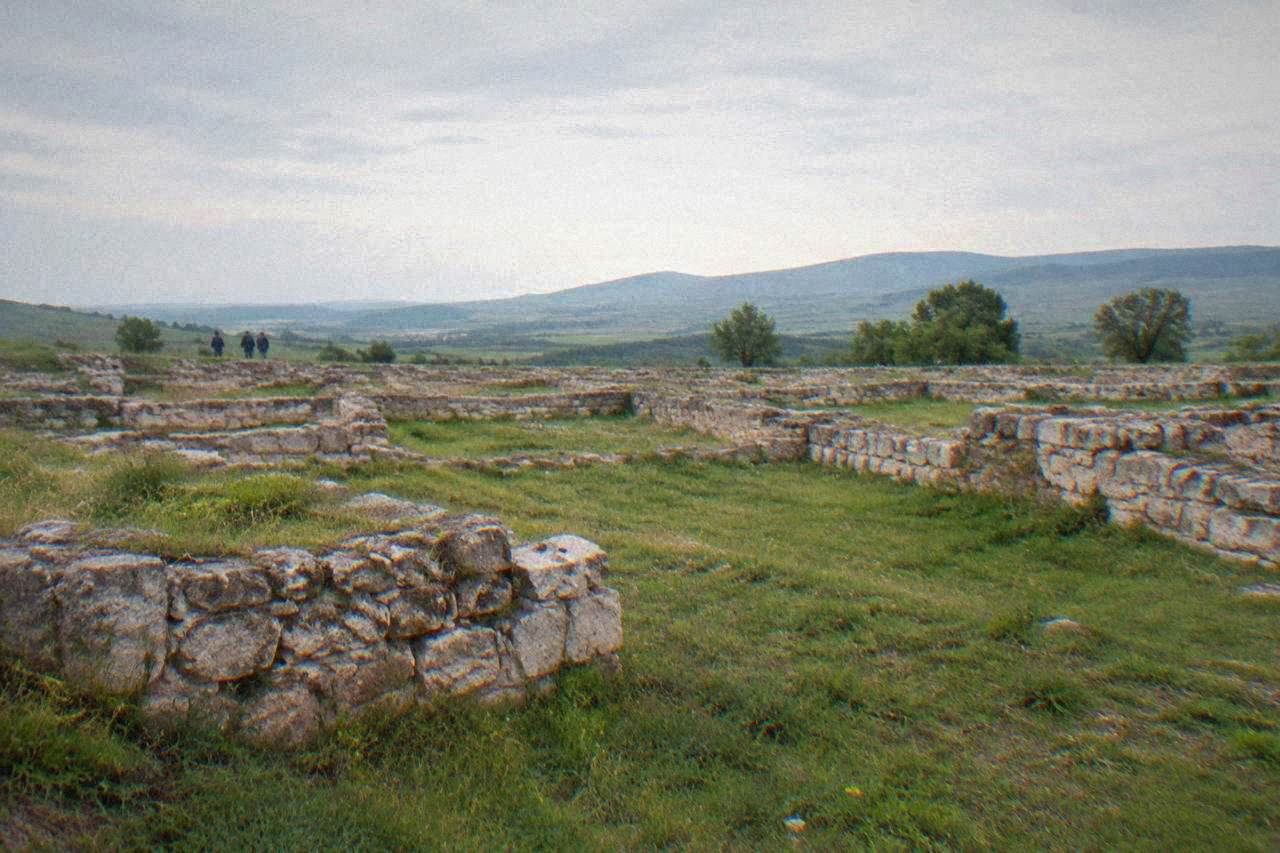
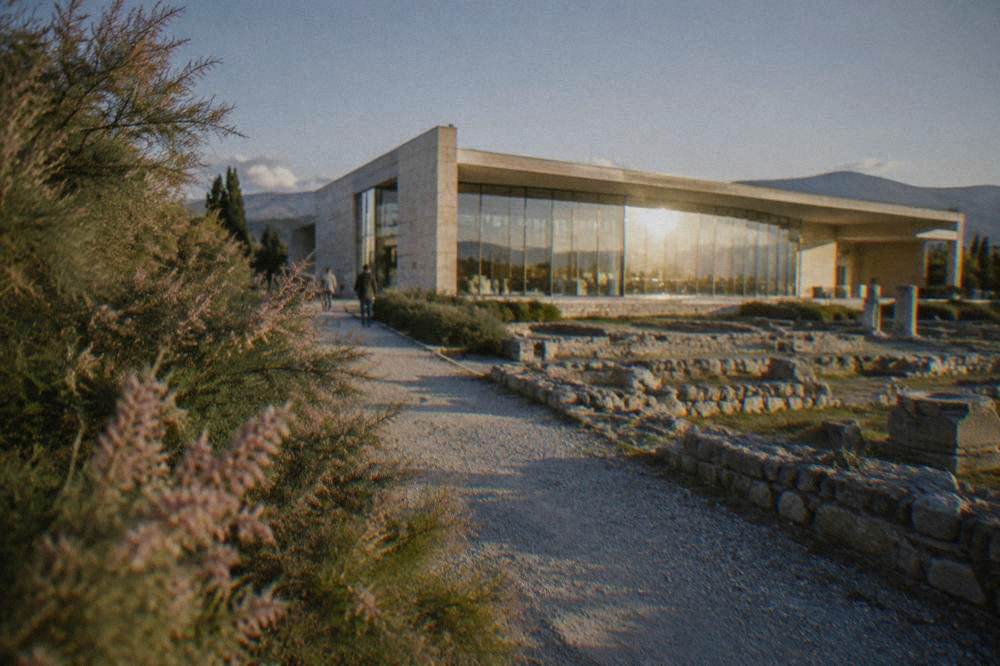
Pella, the capital of the ancient kingdom of Macedon and the city where Alexander the Great was born, lies about 46 km west of Thessaloniki in Central Macedonia, roughly 43 minutes by road from Aristotelous Square. That makes it one of the shortest of the big archaeological day trips from the city, closer than Vergina, closer than Dion, and far closer than Meteora. The site splits into two parts: an open-air archaeological park with the palace, the agora and the house foundations with their pebble mosaics, and a modern museum that holds the originals, including the famous stag-hunt mosaic.
Thessaloniki itself was founded in 315 BC by Cassander, and Pella was already the royal capital before that, promoted under King Archelaus and reaching its peak under Philip II and Alexander. Visiting both cities in one trip lets you trace the arc of Macedonian power: the capital at Pella, the royal tombs at Vergina, and the Roman and Byzantine layers that followed in Thessaloniki, whose Alexander the Great sites guide covers what remains in the city itself.
Where Is Pella And How Far Is It From Thessaloniki?
Pella sits about 46 km west of Thessaloniki in Central Macedonia, roughly 43 minutes by road from Aristotelous Square under free-flow conditions, with no traffic, parking or stops included in that figure. The modern village of Pella stands beside the ancient site, and the drive leaves the city westbound on the national road. There is no need for an early start unless you want one.
The 43-minute drive time is a computed free-flow figure over OSM routing, not a promise: add time for morning traffic leaving Thessaloniki, for the walk from wherever you park, and for anything you add on the way. What the figure does establish is the ranking. Pella is the closest of the headline ancient sites to Thessaloniki, closer than Vergina at about 62 minutes and 68 km, and much closer than Meteora at about 154 minutes and 228 km by road.
That proximity shapes how the day works. A Pella-only trip is a comfortable half day or unhurried full day from Thessaloniki. A Pella-and-Vergina pairing, the classic combination for anyone following Alexander's Macedonia, is a full day with a late start possible, because the two sites sit about 25 minutes' drive apart through the plain. The table below puts Pella in context against the other day trips covered on this site.
| Day trip from Aristotelous Square | Distance by road | Free-flow drive time |
|---|---|---|
| Pella | 46 km | about 43 minutes |
| Vergina | 68 km | about 62 minutes |
| Veria | 73 km | about 52 minutes |
| Naoussa | 92 km | about 76 minutes |
| Edessa | 90 km | about 82 minutes |
| Dion | 90 km | about 67 minutes |
| Loutra Pozar | 111 km | about 100 minutes |
| Meteora (Kalambaka) | 228 km | about 154 minutes |
Distances and times are computed from OSM routing and assume free-flow conditions; treat them as planning figures and add margin in peak season. If you are weighing Pella against a beach day instead, the seafront promenade at Nea Paralia is a walk, not a swim, and the swimming beaches near Thessaloniki sit the other side of the gulf.
What Are The Opening Hours And Ticket Prices At Pella?
The Pella archaeological museum and site are reported to run summer hours of 08:00 to 20:00 daily from 1 April to 31 October, with Tuesdays from 12:00, and winter hours of 08:30 to 15:30 with Tuesdays closed, from 1 November to 31 March. The museum alone is reported at about 10 euro, with a reported combined ticket of about 15 euro covering the site, museum and palace. Confirm both on the official pages before you go.
State sites in Greece commonly close on 1 January, 25 March, Easter Sunday, 1 May and 25 to 26 December, and reduced hours apply over the Easter weekend. Standard state free-admission days, when they apply here as they do at the state museums of Thessaloniki, fall on 6 March, 18 April, 18 May, the last weekend of September and 28 October.
The Tuesday pattern is the detail that catches people out. In summer the site reportedly opens at midday on Tuesdays rather than shutting, so a Tuesday visit is possible but eats the morning; in winter Tuesday is closed entirely. If your Thessaloniki itinerary runs Monday to Friday, slot Pella on any day but Tuesday in the November-to-March window.
| Period | Reported hours | Tuesday | Reported tickets |
|---|---|---|---|
| 1 April to 31 October | 08:00 to 20:00 | from 12:00 | museum about 10 euro; combined about 15 euro |
| 1 November to 31 March | 08:30 to 15:30 | closed | confirm on the official page |
| State free days | 6 Mar, 18 Apr, 18 May, last Sep weekend, 28 Oct | as above | free entry where the scheme applies |
Reported figures, not fetched official ones: recheck hours and the current price on the museum's own ticket page before booking anything non-refundable. If your trip to Pella is part of a wider northern-Greece plan, the Vergina day trip guide carries the same caveats for the royal tombs, where the reported ticket is about 20 euro full and 10 euro reduced.
What Do You Actually See At The Pella Site And Museum?
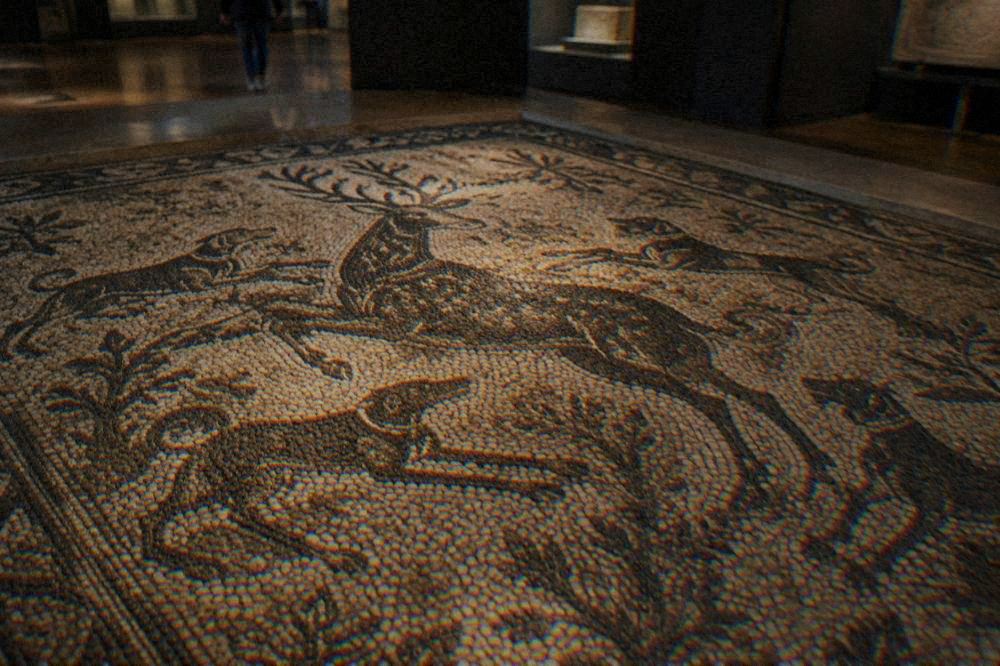
The visit splits into an open-air archaeological park and a museum: the park holds the palace on its hill, the enormous agora, and house foundations with in-situ pebble mosaic floors, while the museum displays the excavated originals, most famously the stag-hunt and lion-hunt pebble mosaics from the wealthy houses of the ancient city. Allow roughly half a day for both without rushing.
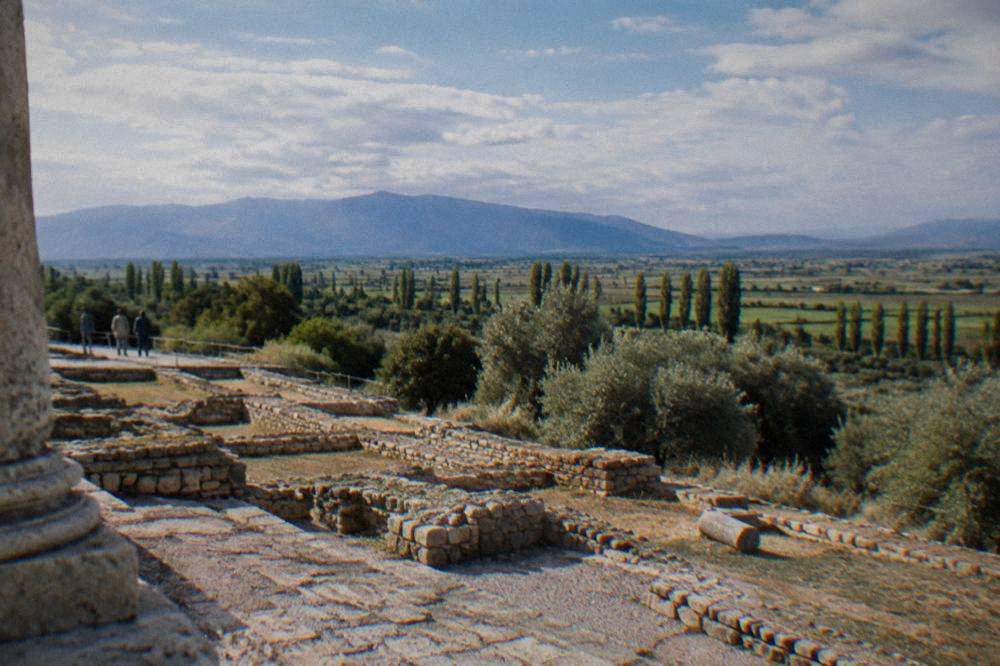
The palace sits apart from the main residential excavation, uphill and a short drive or stiff walk away, and it is the part of Pella that explains why the capital was placed here: a raised royal quarter looking over the plain that once formed the shore of a lake basin connected to the Thermaic Gulf. The harbour silted up over the centuries, which is why a coastal capital in Alexander's time now sits inland among orchards.
| Area of Pella | What it is | What to look for |
|---|---|---|
| Palace quarter | Royal complex on the hill | Scale of the courts and the view over the plain |
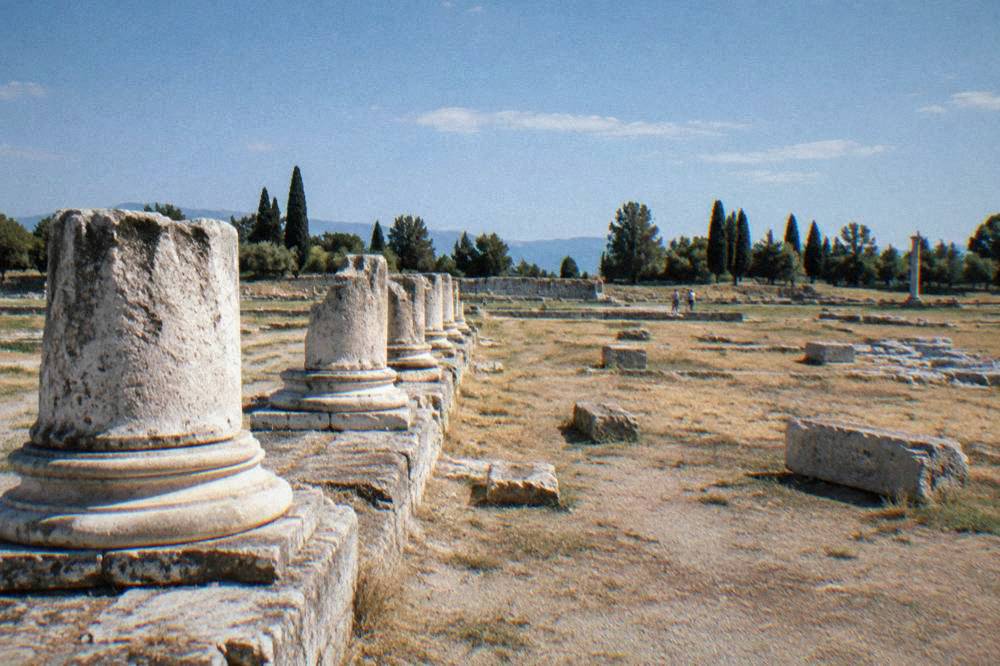
| Agora | Colonnaded public square, vast by ancient standards | Foundation lines and the shop row |
| House of Dionysus | Wealthy private house | Pebble mosaic of Dionysus on a panther |
| House of the Abduction of Helen | Elite residence | Named mosaic floor, viewed from the walkway |
| Museum | Purpose-built gallery | Stag-hunt mosaic, Alexander-head depictions, everyday objects |
The pebble mosaics are the signature finds. Unlike the later tile mosaics of the Roman world, these are pictures built from thousands of small naturally coloured stones, made in Pella's own mosaic workshops, and the finest were lifted from the houses and moved into the museum where climate and footsteps cannot reach them. The site keeps copies or exposed floors in place, and the museum's galleries walk you through both the court world and the ordinary city: coins, pottery, tools and the domestic rooms of a capital that housed tens of thousands before the Romans eventually favoured Thessaloniki.
For context on what came after, the Rotunda in central Thessaloniki shows the Roman-era monumental building the later city is full of, and the Palace of Galerius is the Roman imperial answer to what Macedonian kings built at Pella a few centuries earlier.
Can You Visit Pella And Vergina In One Day From Thessaloniki?
Yes, and it is the standard pairing: Pella and Vergina sit about 25 minutes' drive apart, both west of Thessaloniki, so a loop of roughly two to three hours of total driving covers both, with Pella about 43 minutes out and Vergina about 62 minutes out from Aristotelous Square. Treat it as a full day, starting by 09:00, with the palace hill at Pella first and the royal tombs at Vergina after lunch.
The order matters less than the Tuesday rule and the light. In summer both sites are reported open to 20:00, so the pressure is low; in winter, with everything closing at 15:30 and Tuesdays closed, the pairing only really works on a long daylight day. A practical summer shape: leave Thessaloniki around 09:00, reach Pella for opening, do the palace and the site until midday, see the museum, drive to Vergina for mid-afternoon, and return to Thessaloniki for the evening. The Meteora guide covers the trip that should not be squeezed into the same day: Kalambaka is about 228 km away and is a full day on its own.
| Time | Stop | Notes |
|---|---|---|
| 09:00 | Leave Aristotelous Square | about 43 minutes free-flow to Pella |
| 09:45 | Pella palace hill | walk the royal quarter first, before the heat builds |
| 11:00 | Pella site and agora | pebble-mosaic houses and the colonnaded square |
| 12:30 | Pella museum | stag-hunt mosaic and the gallery of everyday finds |
| 14:00 | Drive to Vergina | about 25 minutes between the sites |
| 14:30 | Museum of the Royal Tombs of Aigai | reported ticket about 20 euro, confirm before you go |
| 17:30 | Return to Thessaloniki | about 62 minutes free-flow |
The museum at Vergina is the Museum of the Royal Tombs of Aigai, a partly underground structure built over the unlooted tombs themselves, and its reported ticket of about 20 euro full and 10 euro reduced is a separate figure from anything at Pella. A reported combined ticket of about 15 euro exists at Pella for the site, museum and palace together; whether any state combined ticket spans Pella and Vergina is not something the sources here confirm, so buy them as separate visits unless a listing says otherwise.
If you would rather have someone else handle the driving and the storytelling in Greek and English, a guided excursion from Thessaloniki does exactly that, and free cancellation terms sit on the operator's listing.
Is Pella Worth It If You Have Already Seen The Thessaloniki Museums?
Yes, for one reason above all: Pella is the place, not the story of the place. The Archaeological Museum in Thessaloniki and the Museum of Byzantine Culture display the city's own finds across a thousand years of urban life, but Pella and Vergina hold the Macedonian royal world that existed before Thessaloniki was founded in 315 BC, and standing in the palace court or over a mosaic floor in situ is a different experience from a gallery.
The two Thessaloniki museums are excellent and cheap by European standards: the Archaeological Museum charges 10 euro full and 5 euro reduced, and the Museum of Byzantine Culture the same, both figures per the museums' own published prices, and both sit within an easy walk or metro ride of the centre. Use them on a city day. Then give Pella its own half day, because the open-air site is the part no city museum can reproduce: the scale of the agora, the layout of the streets, and the hilltop palace with the plain stretching to what was once the water.
For travellers building a whole Alexander itinerary, the sequence runs Pella, where he was born, then Vergina, the old royal seat at Aigai, then sites like Dion at the foot of Mount Olympus, where the Macedonians worshipped Zeus, and finally the layers of Thessaloniki itself. The Arch of Galerius and its neighbours belong to the Roman story that follows; Pella is where the earlier one starts.
When Is The Best Time Of Year To Visit Pella From Thessaloniki?
The reported summer hours, 08:00 to 20:00 from April to October, give the widest window, but the climate data argues for spring or autumn: the HNMS Thessaloniki Mikra station record, 1959 to 2010, shows July mean daily highs of 31.7 C and August 31.4 C, against May at 24.6 C and October at 21.2 C, and the Pella site is open ground with little shade. May, early June, September and October are the sweet spots.
The climate table below is the weather-station record for Thessaloniki itself, the nearest long-run series for the plain, and it holds for Pella a short drive west. Rainfall is modest by northern-European standards but not zero in any month, and the rain-day counts are worth a glance: July averages 6.7 rain days and August 5.1, against November at 11.0 and December at 12.7. Annual rainfall totals 444.5 mm.
| Month | Mean high C | Mean low C | Rain days |
|---|---|---|---|
| April | 19.1 | 7.9 | 11.1 |
| May | 24.6 | 12.6 | 11.0 |
| June | 29.4 | 17.0 | 7.9 |
| July | 31.7 | 19.3 | 6.7 |
| August | 31.4 | 19.1 | 5.1 |
| September | 27.1 | 15.4 | 7.0 |
| October | 21.2 | 11.3 | 9.3 |
HNMS Thessaloniki Mikra station, 1959 to 2010. These are station means, not a forecast, and July and August afternoons on an unshaded site are genuinely hot work; if you do go in high summer, use the 08:00 opening, do the palace hill while it is cool, and keep the museum, which is climate-controlled, for the middle of the day. In winter the shorter hours and the Tuesday closure cut your margin, though the site itself is quieter and the mosaics indoors lose nothing.
How Do You Get To Pella Without A Car?
What is solid: driving takes about 43 minutes free-flow from Aristotelous Square, parking at an archaeological site in a village is normally straightforward, and a rented car makes the Pella-and-Vergina loop trivially easy, a combination covered in the Vergina guide.
The third option is a guided excursion, which removes the transport question entirely. The operator's live listing carries the pick-up point, the schedule and the cancellation terms, and the related tour on this page, a Thessaloniki shore excursion with port pick-up, shows how the format works for cruise passengers in particular.
What Else Can You Combine With Pella On A Day Trip?
The strongest pairings from Thessaloniki are Pella with Vergina, about 25 minutes apart, Pella with Veria at about 52 minutes from the city, or a three-stop loop adding Edessa's waterfalls, reported free to enter, at about 82 minutes from Thessaloniki; Naoussa and its wine country sit about 76 minutes out and fit a longer summer day when hours stretch to 20:00.
Each of these is covered in its own page on this site: Veria, the Byzantine town on the way to Vergina; Edessa, whose waterfall park is reported free to enter, confirm locally before you go; and Naoussa, where the wine estates of northern Greece cluster, though estate opening hours are not stated here and need checking. A three-stop day, Pella, Vergina and Edessa, is ambitious but workable from a 08:30 start in the April-to-October window.
| Combination | Total driving, free-flow | Best season | Notes |
|---|---|---|---|
| Pella only | about 1.5 hours round trip | any season | half day, easy |
| Pella and Vergina | about 2.5 hours | April to October | the classic Alexander day |
| Pella, Vergina, Edessa | about 3.5 hours | summer hours only | start by 08:30 |
| Pella and Veria | about 2 hours | any season | Byzantine churches in Veria |
| Pella, Naoussa, Veria | about 3 hours | summer | wine country, check estate hours |
Driving figures are computed free-flow times summed over the loop; real days run longer with parking, tickets and lunch. If the sea is calling instead of antiquity, Halkidiki and its two peninsulas are the beach counterpart to this whole western loop, about 78 minutes to Kallithea on Kassandra.
What Should You Know Before You Go To Pella?
Take water, a hat and solid shoes, because the site is exposed and the ground is gravel and ancient stone; carry cash for the reported tickets in case card payment is limited; avoid Tuesdays between November and March when the site is reported closed; and budget at least three hours on site for the palace, agora and museum together, more if the mosaics are the point of the trip.
A few practical notes in the site's reporting voice. The nearest full services, banks and pharmacies are in the modern town and in Edessa, the provincial capital about 82 minutes from Thessaloniki. Food near the site is limited to village-scale options, so either eat in Edessa or Veria on a loop, or carry what you need for the site hours. The emergency number across Greece, including anywhere in Central Macedonia, is 112.
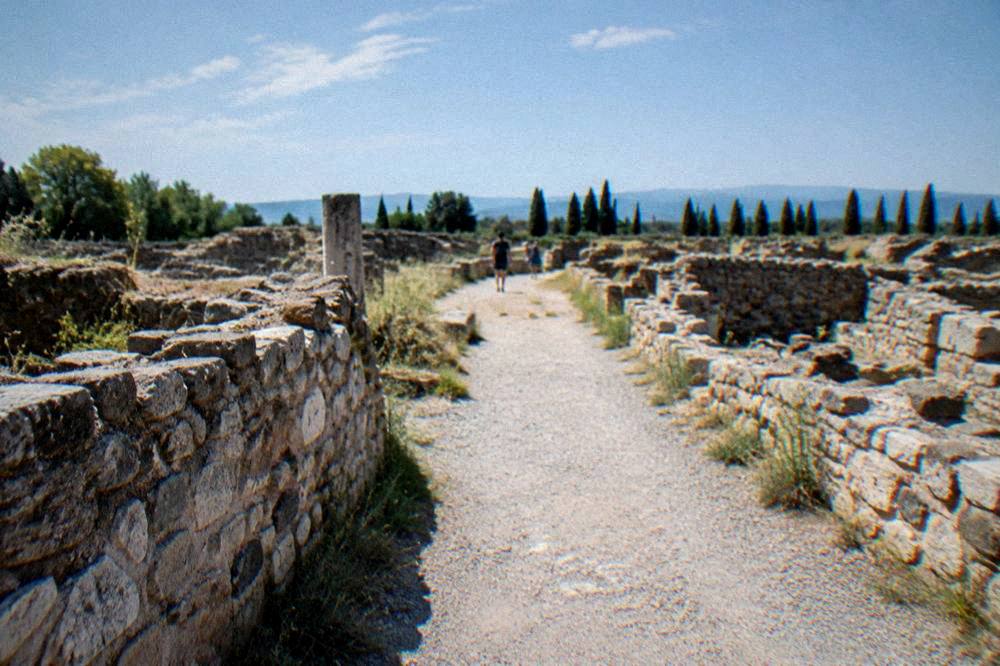
Photography needs no special permission at ordinary state sites, but tripod and drone rules vary and are worth confirming on the official pages with everything else. The mosaics in the museum are behind the usual low barriers; the floors in the houses are viewed from raised walkways, so wide-angle shots work better than long lenses. And if the day turns wet, the HNMS record shows rain days in every month, the museum half of Pella plus the Byzantine churches of Veria make a workable wet-weather version of the loop, since working churches are free to enter and open outside service times.
How Does Pella Compare With The Other Ancient Sites Near Thessaloniki?
Pella is the closest headline ancient site to Thessaloniki at about 43 minutes, it is the only one that was a living capital city of the Macedonian kingdom before Alexander's conquests, and it trades the tomb monuments of Vergina and the sanctuary atmosphere of Dion for streets, houses and mosaics; in drive time it is the cheapest day out, in atmosphere it is the most domestic.
That is the real distinction. Vergina is a funeral landscape, a museum built over royal tombs. Dion is a sanctuary town at the foot of Mount Olympus, temples among trees. Pella is a city: you walk its grid, stand in its shops' foundations, and look at floors that householders commissioned. If the Macedonian story is the thread of your trip, the three sites answer three different questions, and the drive times make all three reachable from a Thessaloniki base without changing hotels, which is one of the practical reasons to stay in Thessaloniki rather than touring.
The wider region rounds out the picture: Mount Olympus and Litochoro for the mountain, Lake Kerkini for birdwatching, and, for a long-haul day, Kavala and Philippi to the east, about 118 and 127 minutes out respectively, where Philippi pairs with the Alexander-era story through the Roman and biblical layers that followed.
A Sample Day: Thessaloniki To Pella And Back
A realistic day leaves Thessaloniki at 09:00, reaches Pella by about 09:45, spends the morning across the palace, agora and mosaics, breaks for a late lunch, adds either Vergina or nothing at all, and has you back at Aristotelous Square by late afternoon or early evening, with total driving under three hours and the whole trip doable without a guide if the reported hours hold.
The point of the schedule below is flexibility: Pella is short enough by road that it forgives a slow morning, and the reported summer hours to 20:00 mean you are never racing the clock between April and October. Winter days need the discipline.
| Stop | Suggested time on site | Reported ticket | Free-flow drive from previous stop |
|---|---|---|---|
| Aristotelous Square departure | 0 | n/a | n/a |
| Pella palace hill | 45 to 60 minutes | included in combined ticket | about 43 minutes |
| Pella agora and houses | 60 to 90 minutes | included in combined ticket | 5 minutes |
| Pella museum | 60 to 90 minutes | museum about 10 euro, combined about 15 euro | walk |
| Optional: Vergina | 2 hours | about 20 euro | about 25 minutes |
| Return to Thessaloniki | n/a | n/a | about 62 minutes from Vergina, 43 from Pella |
Reported prices and hours: confirm on the official ticket pages before you go. If a guided version suits you better, the live listing states pick-up, inclusions and cancellation terms, and the selection below covers Thessaloniki-based options for city days around your Pella trip.
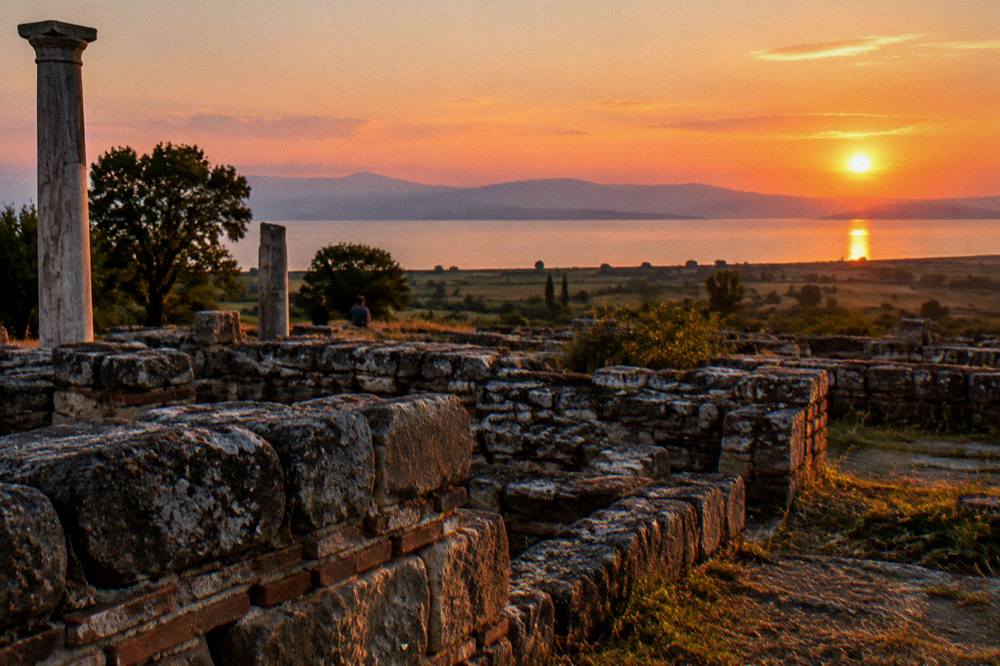
However you arrange it, Pella earns its half day. It is the capital before the capital, an easy road from Thessaloniki, and the mosaics alone justify the drive west out of the city. Pair it with Vergina for the full Macedonian story, or keep it slow and simple, and let the palace hill have the last hour of the afternoon.
Common Questions About Pella Greece
How far is Pella from Thessaloniki?
Pella is about 46 km by road from Aristotelous Square in Thessaloniki, roughly 43 minutes under free-flow conditions. Add time for traffic, parking and walking at the site.
What are the opening hours at Pella?
The site is reported to run 08:00 to 20:00 daily from 1 April to 31 October, with Tuesdays from 12:00, and 08:30 to 15:30 from 1 November to 31 March with Tuesdays closed. Confirm on the official pages before you go.
How much does it cost to visit Pella?
The museum is reported at about 10 euro, with a reported combined ticket of about 15 euro covering the site, museum and palace. These are reported figures, so check the current price on the official ticket page before booking.
Can you combine Pella and Vergina in one day?
Yes. The two sites are about 25 minutes apart by road, and both are within about an hour of Thessaloniki, so a loop with roughly two to three hours of total driving is a standard full-day trip.
What is Pella famous for?
Pella was the capital of the ancient kingdom of Macedon and the birthplace of Alexander the Great. Its pebble mosaics, the palace quarter and the vast agora are the headline remains.
When is the best time to visit Pella?
May, early June, September and October combine the reported summer opening hours with moderate temperatures; the HNMS Thessaloniki Mikra station record, 1959 to 2010, shows July and August mean highs above 31 C, and the open site has little shade.