Alexander The Great Sites Near Thessaloniki
Alexander the Great was born in the kingdom of Macedon, and its capital cities, tombs and sanctuaries all sit within day-trip range of Thessaloniki.
Short answer
The Alexander the Great sites closest to Thessaloniki are Pella, the birthplace of Alexander and capital of Macedon, about 43 minutes away by road, and Vergina (Aigai), the old royal capital with the Museum of the Royal Tombs, about 62 minutes away. Dion, the sacred city of the Macedonians at the foot of Mount Olympus, is about 67 minutes away. All three are practical day trips by car or guided tour.
Thessaloniki sits at the heart of the ancient kingdom of Macedon, the state that Philip II built into a military power and his son Alexander carried to the Indus. The city itself was founded in 315 BC by Cassander, who named it after his wife Thessalonike, a sister of Alexander, but the older royal centres lie west and southwest of the modern city. Pella, where Alexander was born, is about 43 minutes by road from Aristotelous Square. Vergina, the old capital at Aigai where the royal tombs were found, is about 62 minutes. Dion, the Macedonians' sacred city under Mount Olympus, is about 67 minutes. This page lays out what each site holds, what the reported tickets cost, and how to plan the trip, with more background in our overview of things to do in Thessaloniki.
Which Alexander The Great Sites Can You Reach From Thessaloniki?
Four main Macedonian sites sit within day-trip range of Thessaloniki: Pella, the capital where Alexander was born, about 43 minutes by road; Vergina (Aigai), the earlier royal capital with the Museum of the Royal Tombs of Aigai, about 62 minutes; Dion, the sacred city of the Macedonians at the foot of Mount Olympus, about 67 minutes; and the city of Thessaloniki itself, founded in 315 BC by Cassander and named for Thessalonike, a sister of Alexander the Great.
The geography matters for planning. Pella lies to the west, Vergina and Veria farther southwest, Dion to the south near Litochoro. A car, a guided tour or the KTEL intercity buses from the Macedonia station connect them, though a single day comfortably covers either Vergina plus Pella, or Dion on its own with time on Mount Olympus. The drive times in the table below are computed over OpenStreetMap routing in free-flow conditions, so real journeys with traffic and parking take longer.
| Macedonian site | What it was | Drive from Aristotelous Square |
|---|---|---|
| Pella | Capital of Macedon, birthplace of Alexander | about 43 minutes, 46 km |
| Vergina (Aigai) | First royal capital, site of the royal tombs and the palace | about 62 minutes, 68 km |
| Veria | Ancient Beroia, city linked to the Macedonian court era | about 52 minutes, 73 km |
| Dion | Sacred city of the Macedonians at the foot of Mount Olympus | about 67 minutes, 90 km |
| Thessaloniki | Founded 315 BC by Cassander, named for a sister of Alexander | base |
For travel logistics once you are on the ground, see the site's guide to getting around Thessaloniki.
What Will You See At The Museum Of The Royal Tombs Of Aigai In Vergina?
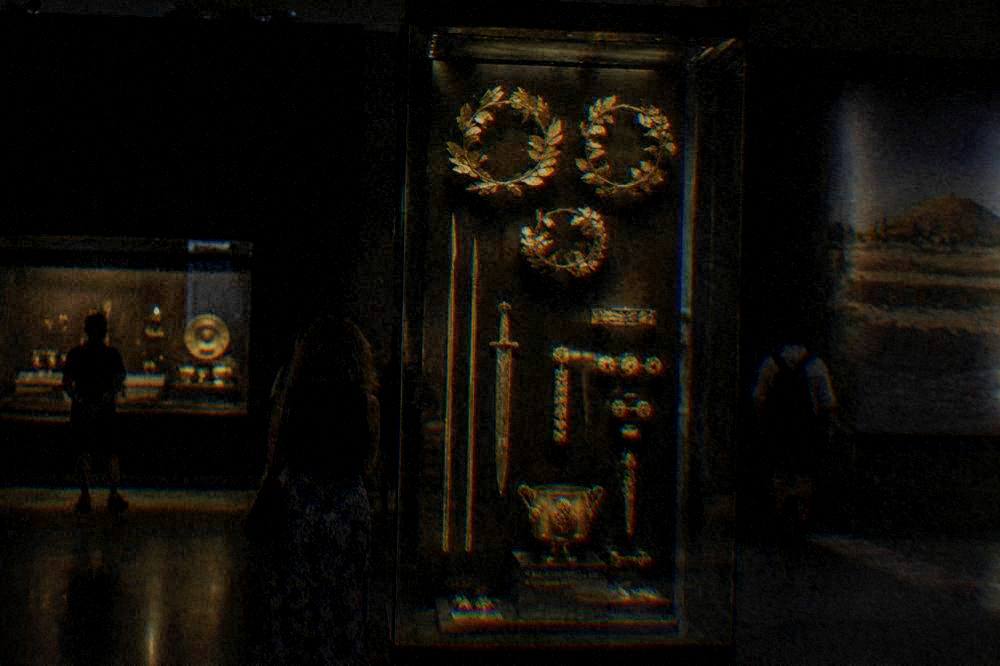
The Museum of the Royal Tombs of Aigai at Vergina is an underground museum built over the actual Macedonian royal burial mound, where visitors walk past the unplundered tomb facades, painted and studded with the famous golden star of the Argead dynasty, together with gold wreaths, armour, banqueting vessels and the remains of the royal palace of Aigai nearby. The museum is entered as part of the Polycentric Museum of Aigai, reported at about 20 euro full and 10 euro reduced, a figure to confirm on the museum's own site before you go.
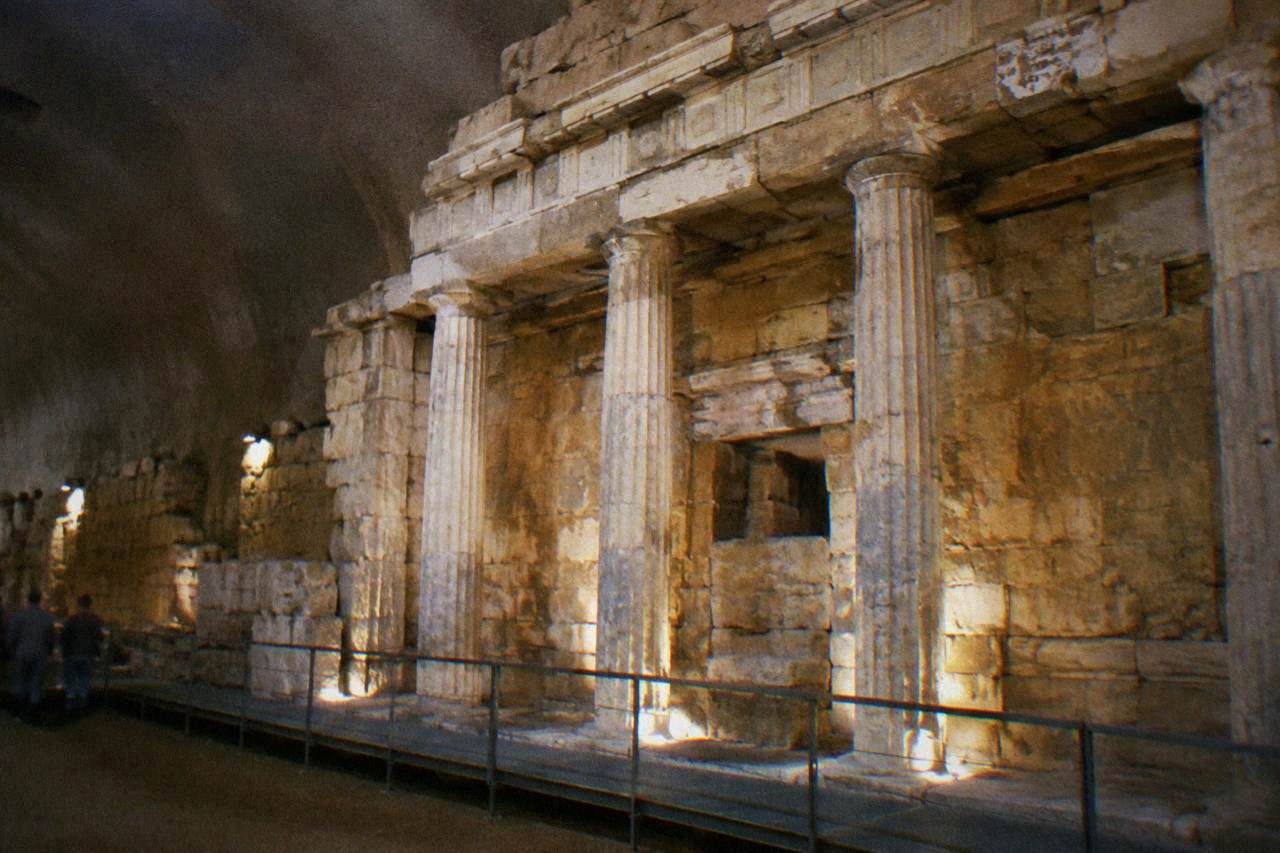
Vergina is Aigai, the first capital of Macedon. The great tumulus covered several royal burials, and the display of treasures is arranged inside the mound itself, with the tomb facades left in place behind glass. The site's museum framework also includes the Central Museum Building, the palace, the theatre and the necropolis, all covered by the one reported ticket. The palace at Aigai, a vast structure rebuilt under Philip II, is the building most directly tied to the generation before Alexander: it was here, in the theatre next door, that Philip II was assassinated, the event that put Alexander on the throne.
Reported summer hours at Vergina run 08:00 to 20:00 Monday and Wednesday to Sunday, with a midday opening on Tuesday, and winter hours of 09:00 to 17:00 with Tuesday closed; treat these as reported and recheck before travel. A half day at Vergina pairs naturally with Pella or with Veria on the way back toward Thessaloniki.
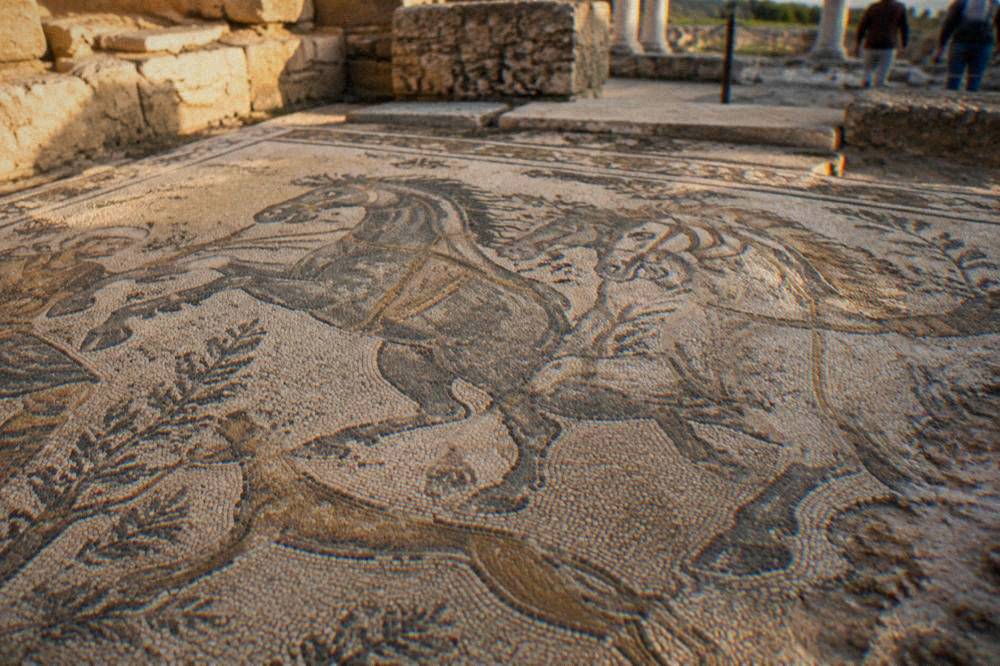
The mosaic pavements are the other headline at Pella rather than Vergina, but the two museums tell one story in two halves. Vergina holds the burials and the gold; Pella holds the daily world of the court. Anyone with a full day and a car can do both.
What Does The Pella Archaeological Museum Hold?
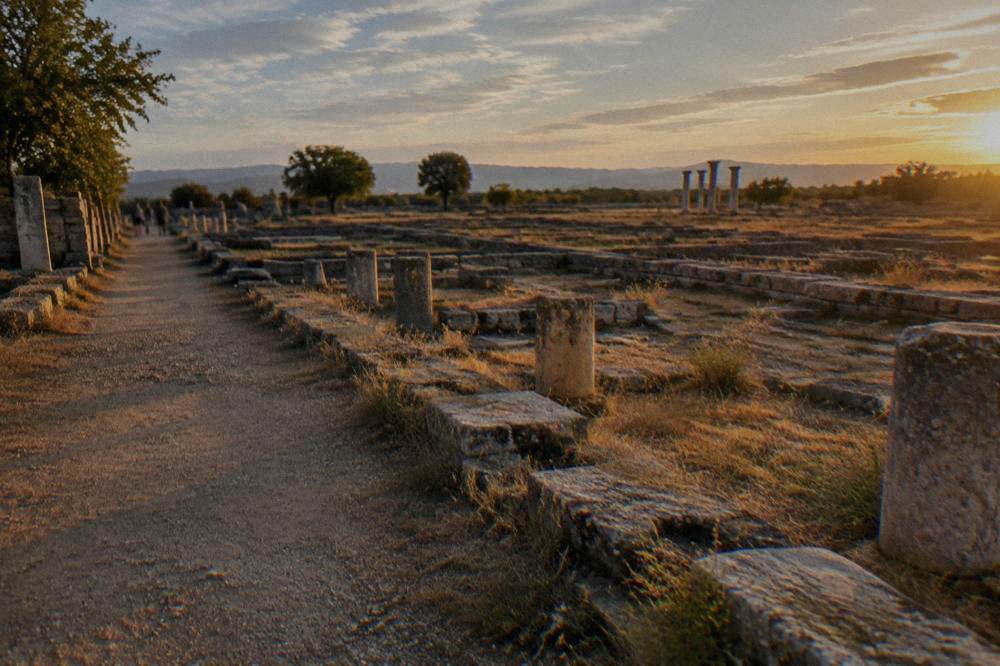
The Pella Archaeological Museum displays the excavated remains of the city where Alexander the Great was born, including large pebble mosaic floors with hunting and Dionysiac scenes, the site of the palace across the modern road, and finds from the houses, workshops and sanctuary of the Macedonian capital, with the museum ticket reported at about 10 euro and a combined site, museum and palace ticket reported at about 15 euro. The open-air archaeological site beside the museum holds the grid of streets, the agora and the sanctuary of Darron.
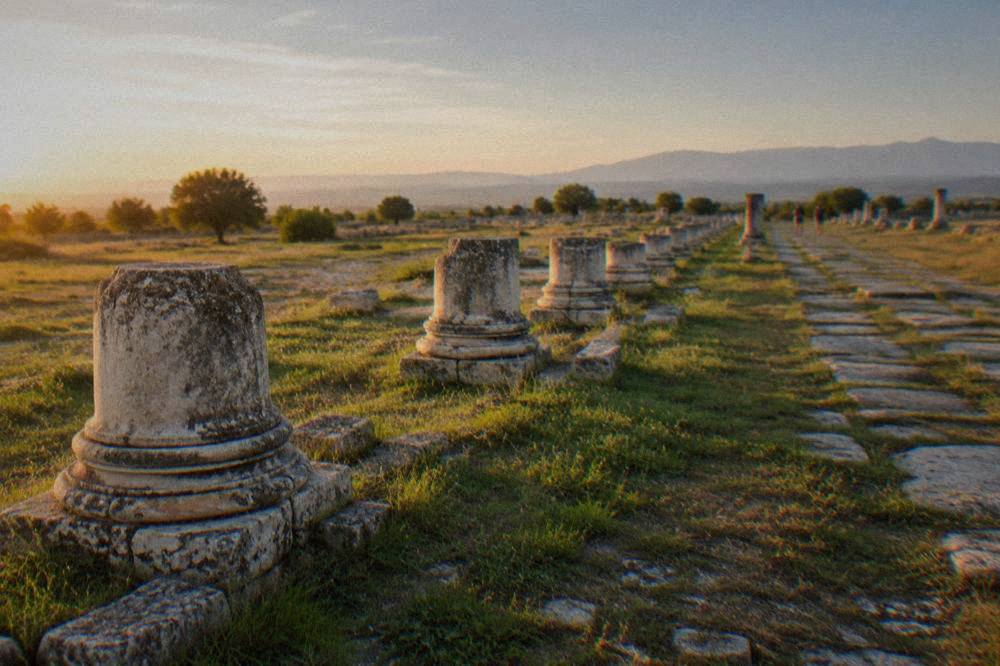
Pella became the capital of Macedon, replacing Aigai, and it was the working centre of the kingdom under Philip II and Alexander. The mosaics made of river pebbles are the museum's signature pieces, laid in the banquet rooms of wealthy houses, with figures of lions, deer and Dionysos riding a panther. The palace sits on a low hill across the road, a substantial complex still under excavation, and the reported summer opening runs 08:00 to 20:00 with winter hours of 08:30 to 15:30 and Tuesday closed; confirm current hours and prices on the official archaeology pages before setting out. More of these guides are collected on Thessaloniki Travel Guide.
For the site's own dedicated page with the fuller picture, read the guide to Pella as a day trip from Thessaloniki.
Can You See Macedonian Traces Inside Thessaloniki Itself?
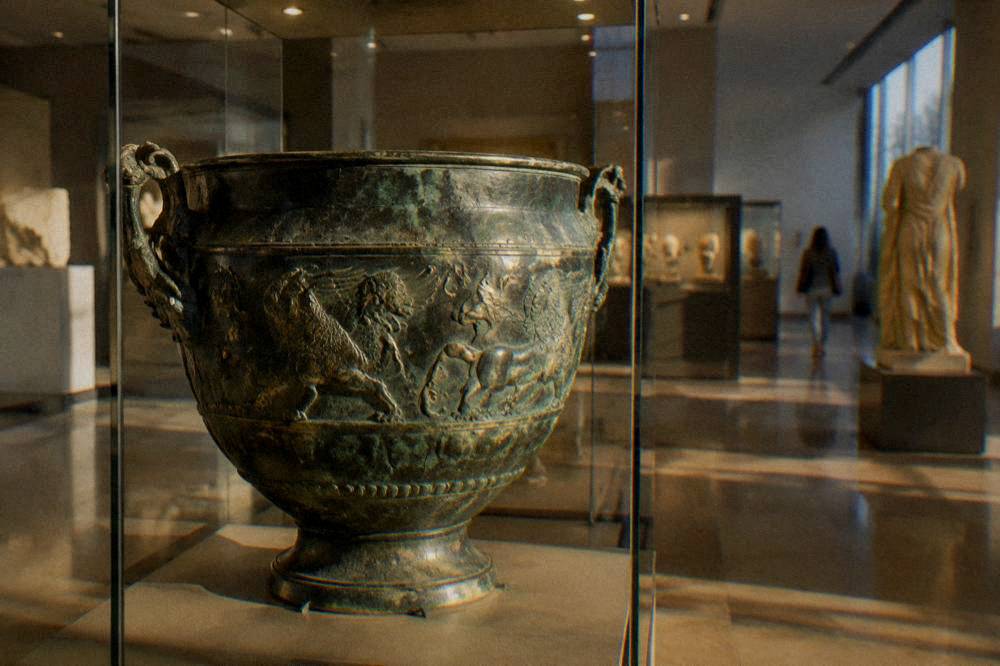
Thessaloniki holds no Alexander-era palace, since the city was founded in 315 BC, after his death, but its Archaeological Museum displays the gold of ancient Macedon, including the Derveni krater and finds from the royal region, and its streets carry the name of Alexander and his era in statues, avenues and the city's own founding story, with the museum's ticket at 10 euro full and 5 euro reduced. The Archaeological Museum is open 09:00 to 17:00 daily from April to October and closed on Tuesdays from November to March, per the museum's own visiting page.
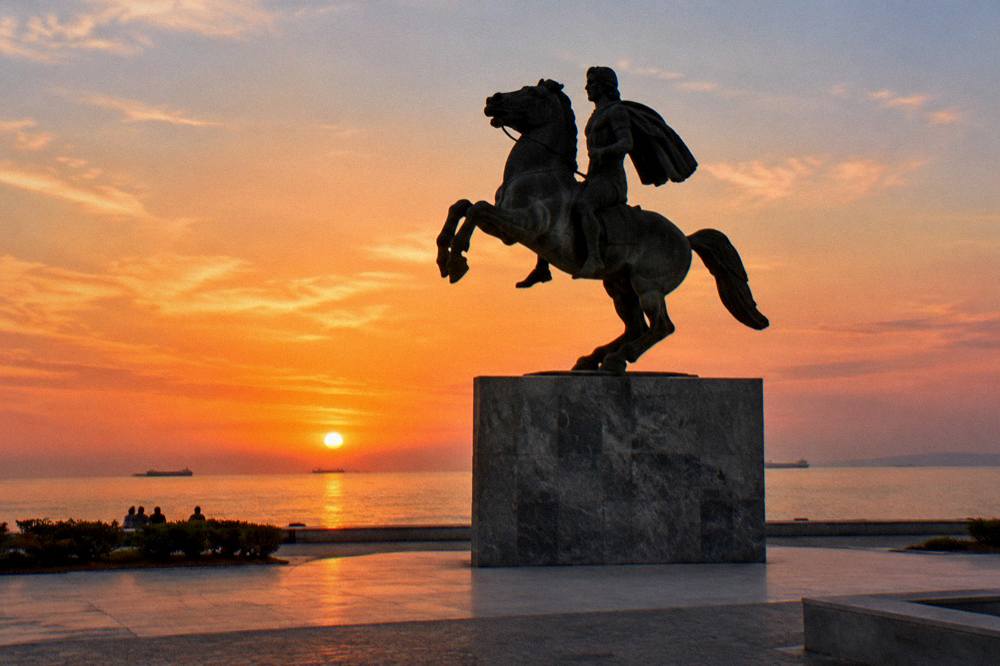
The museum's Macedonian galleries are the indoor half of any Alexander itinerary. The Derveni krater, a bronze wine vessel of extraordinary workmanship from a tomb of the late Macedonian royal period, is the single object that connects the city to the aristocratic world Alexander moved in. Beyond the galleries, the city honours its regional history on horseback: the equestrian statue of Alexander on the seafront avenue is the modern landmark, and the Nea Paralia promenade runs past it along the Thermaic Gulf. The promenade is for walking, not swimming; the nearest swimmable beaches are at Perea, about 28 minutes by road, as covered in the guide to beaches near Thessaloniki.
A private guide based in the city frames these pieces in a single story. The Thessaloniki Private Walking Tour with a Local covers the city's layers with a local companion, and Check availability works well a day or two before heading out to the royal sites.
How Far Are The Alexander The Great Sites From Thessaloniki?
Pella is about 43 minutes and 46 km by road from Aristotelous Square, Vergina about 62 minutes and 68 km, Veria about 52 minutes and 73 km, and Dion about 67 minutes and 90 km, all computed over routing in free-flow conditions, which means no traffic, no parking and no stops, so a realistic day with two sites and lunch runs longer. Philippi and Amphipolis, the eastern Macedonian sites tied to later history, sit about 127 minutes and 78 minutes away respectively and belong to a separate itinerary.
| Site | Km by road | Minutes, free-flow |
|---|---|---|
| Pella | 46 | about 43 |
| Veria | 73 | about 52 |
| Vergina | 68 | about 62 |
| Dion | 90 | about 67 |
| Naoussa | 92 | about 76 |
| Lake Kerkini | 88 | about 82 |
| Edessa | 90 | about 82 |
| Loutra Pozar | 111 | about 100 |
| Philippi | 156 | about 127 |
| Kavala | 155 | about 118 |
Distances shape the day. Vergina and Pella combine into one loop of roughly two hours of driving plus museum time. Dion sits in a different direction, toward Mount Olympus, and pairs better with Litochoro or with a stop at the Nea Paralia waterfront in the evening back in the city. Edessa's waterfalls, with a park reported as free to enter, make a natural add-on after Vergina if the day runs long. For the mechanics of the drive itself, the guide to Thessaloniki car rental covers the practicalities.
What Can A Guided Tour Add To The Macedonian Sites?
The food of the region belongs on the same trip. Central Macedonia's wineries and the markets of Thessaloniki carry the Macedonian table into the present, and a guided food walk explains what a restaurant menu never does. The Gastronomic Food Tour in Thessaloniki with a Chef is the city-side counterpart to a day among the tombs; check availability before committing to an evening slot.
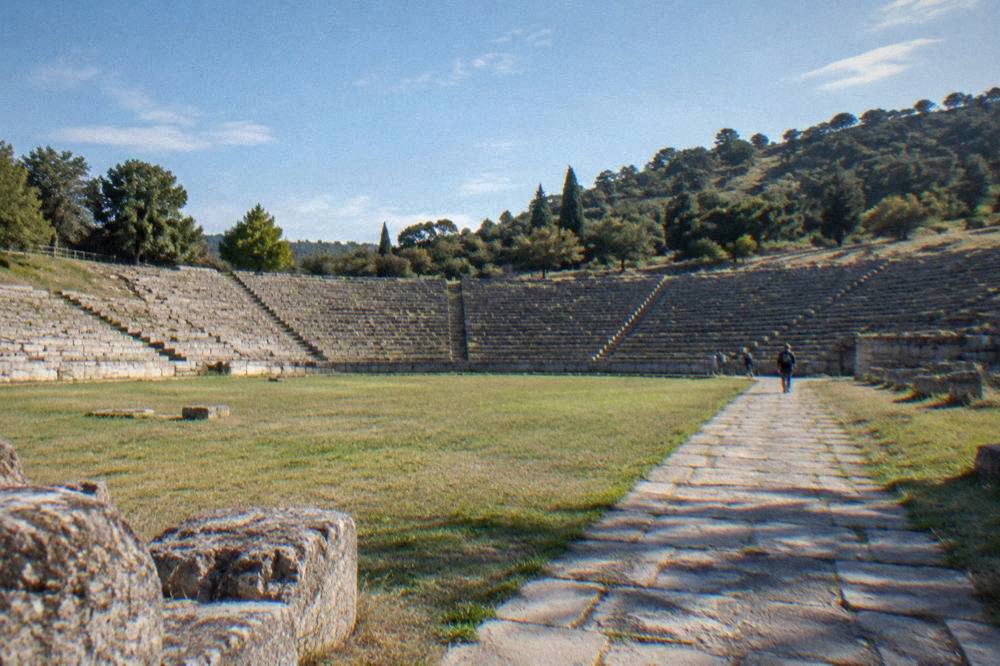
For the royal sites themselves, the Day Tour at Royal Tombs of Aigai and Museum of Pella covers both halves of the Macedonian story with pickup in Thessaloniki, and check availability for your dates, since these trips run on fixed schedules.
When Is The Best Time Of Year For The Alexander Sites?
Late April, May, September and early October are the comfortable window for the Macedonian sites: the HNMS Thessaloniki Mikra station, 1959 to 2010, records mean highs of 24.6 C in May and 21.2 C in October against 31.7 C in July, and the open-air ruins at Pella and Dion have almost no shade, while the reported summer hours at Vergina and Pella run to 20:00, giving long days for the drive.
The museum hours follow a summer and winter split. Vergina and Pella keep the long reported summer openings from April into October, and Dion's archaeological park, per its own site, runs 08:00 to 20:00 Wednesday to Monday with 08:30 to 15:30 in winter. Winter visits are quieter and the light can be beautiful, but Tuesday closures and the short 08:30 to 15:30 days cut a two-site plan down to one.
| Month | Mean high C | Mean low C | Rain mm |
|---|---|---|---|
| Apr | 19.1 | 7.9 | 36.1 |
| May | 24.6 | 12.6 | 44.2 |
| Jun | 29.4 | 17.0 | 29.8 |
| Jul | 31.7 | 19.3 | 23.8 |
| Aug | 31.4 | 19.1 | 19.3 |
| Sep | 27.1 | 15.4 | 29.8 |
| Oct | 21.2 | 11.3 | 43.0 |
Figures are station means for the HNMS Thessaloniki Mikra station, 1959 to 2010, and the sites sit inland of the city, where summer heat feels stronger than the coastal numbers suggest. The fuller month-by-month picture is in the guide to Thessaloniki weather and the seasonal breakdown in the best time to visit Thessaloniki.
How Do You Plan A Vergina And Pella Day Trip Without A Car?
A car-free plan uses the KTEL intercity buses from the Macedonia station in Thessaloniki toward Veria for Vergina and toward Pella for the capital site, or a single booked day tour that covers both, and the practical choice is timing: the KTEL routes serve the towns rather than the museum gates, so a tour or a rental car saves the walk and the wait, while the tour option handles the reported opening hours for you. Confirm current timetables on the operator's pages before travel.
The KTEL Macedonia station lies about 4 km from the centre, reachable by city transport; the metro's Line 1, open since November 2024 with the Kalamaria extension inaugurated 27 August 2026, serves the city itself, and the guide to the Thessaloniki metro covers tickets, with the basic fare at 0.60 euro and the daily ticket at 2.50 euro per the metro's own ticket page. Arriving from Athens, the guide to Athens to Thessaloniki and the practical pages on Thessaloniki airport to the city centre cover the rest of the journey.
A sample shape for one long day, adjustable to seasons and opening hours:
| Time | Stop | Note |
|---|---|---|
| 08:30 | Leave Thessaloniki | Vergina is about 62 minutes free-flow |
| 09:45 | Museum of the Royal Tombs of Aigai | reported 20 euro full, confirm on the museum site |
| 13:00 | Lunch in Veria or on the road to Pella | Veria is about 52 minutes from the centre |
| 15:00 | Pella site and museum | reported 10 euro museum, 15 euro combined |
| 18:00 | Return drive | Pella is about 43 minutes from Aristotelous Square |
What Else Pairs Well With The Macedonian Sites?
Dion and Mount Olympus pair naturally with the Alexander story, since Dion was the sacred city where the kings made offerings before campaigns, and it is about 67 minutes from Thessaloniki, while the palace and theatre of Aigai at Vergina, the waterfalls at Edessa and the vineyards around Naoussa extend the same loop through northern Greece's Macedonian heartland, all within about 100 minutes of the city. Prices and hours beyond the reported Vergina and Pella tickets should be confirmed at each site.
Dion's park, per its own site, charges 10 euro full and 5 euro reduced including the Archaeological Archive, open 08:00 to 20:00 Wednesday to Monday with winter hours of 08:30 to 15:30. Alexander's connection there is the sanctuary itself: the Macedonian kings sacrificed at Dion before marching to war, and the excavated altars and theatres sit against the backdrop of Mount Olympus, whose trails from Litochoro are covered in the site's day-trip pages. For the northern loop as a whole, the city's museum resources round out the picture in Thessaloniki museums.
Common Questions About Alexander The Great Sites
Which Alexander the Great sites are closest to Thessaloniki?
Pella, where Alexander was born, is about 43 minutes by road from Aristotelous Square, and Vergina (Aigai), the old royal capital with the Museum of the Royal Tombs of Aigai, is about 62 minutes. Dion, the sacred city of the Macedonians, is about 67 minutes.
How much do the Vergina and Pella tickets cost?
The Vergina (Aigai) ticket is reported at about 20 euro full and 10 euro reduced, the Pella museum at about 10 euro, and a combined Pella site, museum and palace ticket at about 15 euro. These are reported figures from secondary sources; confirm the current price on each museum's own ticket page before booking.
Can you visit Vergina and Pella in one day from Thessaloniki?
Yes. The two sites are about 43 to 62 minutes from the city in different directions but link into a single loop of roughly two hours of driving in free-flow conditions, and organized day tours run the combination with pickup in Thessaloniki.
Was Alexander the Great born in Thessaloniki?
No. Alexander was born in Pella, then the capital of Macedon, about 46 km from modern Thessaloniki. Thessaloniki was founded later, in 315 BC, by Cassander, and named after his wife Thessalonike, a sister of Alexander.
Is the Museum of the Royal Tombs of Aigai the same as the Vergina museum?
Yes. The Museum of the Royal Tombs of Aigai is the underground museum inside the royal burial mound at Vergina, and it forms part of the Polycentric Museum of Aigai together with the Central Museum Building, the palace and the other monuments on the site.
Do you need a car for the Alexander sites from Thessaloniki?
A car or a booked day tour is the practical choice. KTEL intercity buses from the Macedonia station serve the towns of the region, but the museum gates sit at a distance from some stops, and a tour covers the reported opening hours and the driving in one booking.