Best Time To Visit Thessaloniki, Season By Season
Thessaloniki, the second city of Greece on the Thermaic Gulf, rewards different travellers in different months: here is what the weather record, the event calendar and the museum schedule say about picking yours.
Short answer
May, September and early October give Thessaloniki its steadiest balance of warm days, thin crowds and open hours, per the HNMS Thessaloniki Mikra station record and the state museum calendar.
Thessaloniki sits on the Thermaic Gulf in Central Macedonia, northern Greece, a coastal city of fifteen UNESCO-listed Paleochristian and Byzantine monuments, a seafront promenade called the Nea Paralia, and a food scene that runs from Modiano Market to the Ladadika district. Choosing when to go matters less for whether the city works, it works in every season, and more for how hot the walk up to Ano Poli will be, which museums are on winter hours, and whether your dates collide with the International Fair or the Film Festival. This guide lays out the weather record from the Hellenic National Meteorological Service, the fixed event dates, and the seasonal rhythms of the sights so the choice becomes a planning decision rather than a guess. The Thessaloniki Travel Guide weather pages cover the numbers in more depth.
What Is The Best Month To Visit Thessaloniki?
For the steadiest all-round conditions, May, September and the first half of October are the months the numbers support: mean highs of 24.6 C in May, 27.1 C in September and 21.2 C in October, with rainfall comparable to midsummer, per the HNMS Thessaloniki Mikra station record, 1959 to 2010. Museums are on summer hours in May and on summer hours through October, so opening times do not constrain the day either.
The reasoning behind that answer is arithmetic more than opinion. July and August post mean highs of 31.7 C and 31.4 C, and the upper town, the Byzantine walls and the Heptapyrgion all involve uphill walking with little shade. December carries the highest monthly rainfall in the station table at 55.1 mm and January lows average 1.5 C, which is not severe but changes what a seafront walk feels like. May and September sit in the middle of both ranges, and both fall inside the state museums' summer schedule.
There is a second lens: events. October brings the Dimitria festival, reported for 2026 as running 1 to 26 October, and 26 October is Saint Demetrius day, the city's patron feast, which doubles as the anniversary of the 1912 liberation. November brings the International Film Festival. If either of those is the point of the trip, the weather question answers itself, and the sections below give the numbers for that choice too. For depth on the individual sights, start with things to do in Thessaloniki and the guide to the Thessaloniki museums.
What Is The Weather In Thessaloniki Month By Month?
The HNMS Thessaloniki Mikra station, 1959 to 2010, records mean daily highs rising from 9.3 C in January to 31.7 C in July, mean lows from 1.5 C in January to 19.3 C in July, and monthly rainfall between 19.3 mm in August and 55.1 mm in December, with an annual total of 444.5 mm. Rain days run from 5.1 per month in August to 12.7 in December.
That table is the backbone of every "when to go" judgement on this page, so here it is in full. The station record is a 51-year average, not a forecast for your week, but it shows the shape of the year: a cool, wetter winter, a sharp spring warm-up, a hot dry summer and a gentle autumn.
| Month | Mean high C | Mean low C | Rain mm | Rain days |
|---|---|---|---|---|
| January | 9.3 | 1.5 | 37.7 | 11.5 |
| February | 11.0 | 2.3 | 35.0 | 10.7 |
| March | 14.3 | 4.7 | 37.9 | 12.1 |
| April | 19.1 | 7.9 | 36.1 | 11.1 |
| May | 24.6 | 12.6 | 44.2 | 11.0 |
| June | 29.4 | 17.0 | 29.8 | 7.9 |
| July | 31.7 | 19.3 | 23.8 | 6.7 |
| August | 31.4 | 19.1 | 19.3 | 5.1 |
| September | 27.1 | 15.4 | 29.8 | 7.0 |
| October | 21.2 | 11.3 | 43.0 | 9.3 |
| November | 15.5 | 7.1 | 52.8 | 11.0 |
| December | 10.9 | 3.2 | 55.1 | 12.7 |
Two details in that table surprise people who expect a purely Mediterranean pattern. May is wetter than August by more than double, 44.2 mm against 19.3 mm, and March logs more rain days than any winter month. Summer rain is rare and brief; spring rain comes in heavier bursts. The prevailing wind is north-westerly all year except in August, when it swings southerly, which is the month the gulf water feels warmest at the shore.
For a fuller reading of the same record, including what it means for packing, see Thessaloniki weather.
Whatever the month, the city's core experiences run all year, and a guided introduction is a sound first-day move. A sunset city-highlights walk, a food-and-drink walk with a chef, and the rotating OTE Tower with a light meal each fit the calendar differently, but all three operate across the seasons.
Is Spring The Best Season For Thessaloniki?
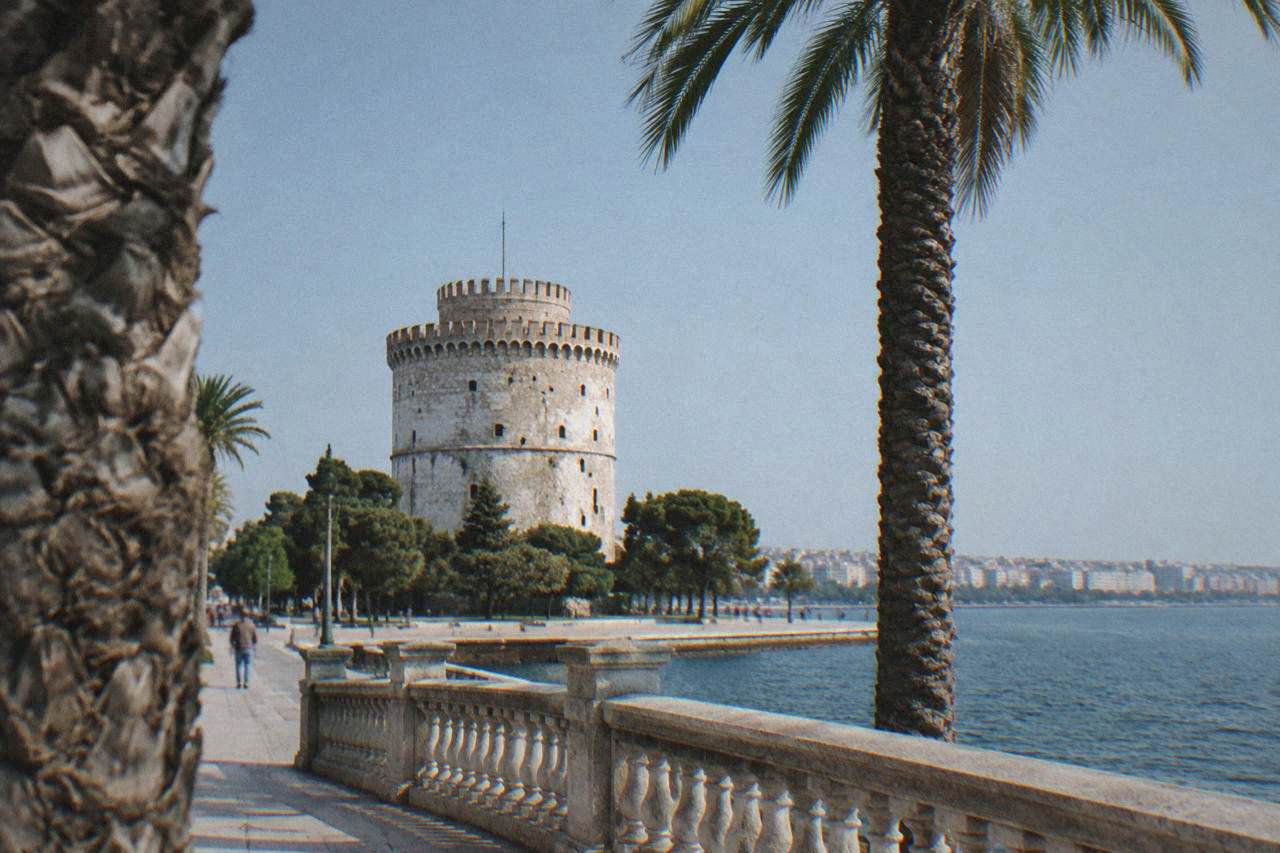
Spring is the strongest season for walking the city end to end: April averages a 19.1 C high, May 24.6 C, and the White Tower is open 08:00 to 21:00 daily from 1 April and the Museum of Byzantine Culture daily 08:00 to 20:00 from 8 May. The trade-off is spring rain, 36.1 mm in April and 44.2 mm in May, so a light layer and a folding umbrella earn their place.
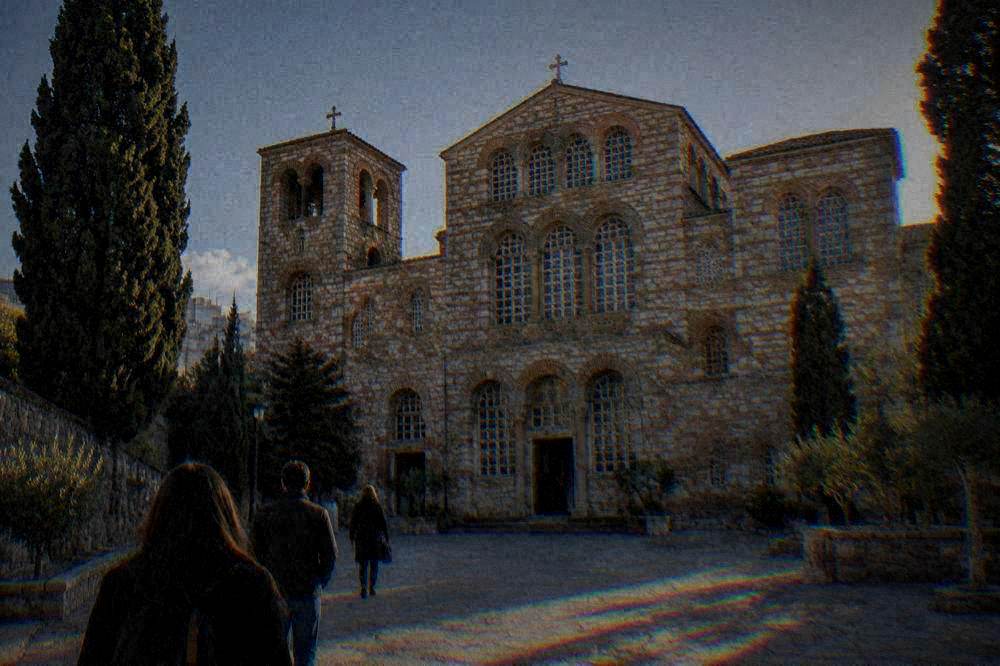
April and May are when the long itineraries become comfortable. The climb from the Church of Saint Demetrius up through Ano Poli to the Heptapyrgion and the Trigoniou Tower viewpoint is a serious walk in July heat and a pleasant one in April. The Byzantine churches, fifteen of them on the UNESCO list inscribed in 1988, are free to enter and open outside service times, and the Byzantine churches of Thessaloniki guide maps the circuit.
Ticketing changes in spring too. The White Tower's price of 8 euro full and 4 euro reduced took effect from 1 April 2026, and the Archaeological Museum and the Museum of Byzantine Culture are both 10 euro full and 5 euro reduced. Easter shifts everything by a few weeks: Orthodox Easter falls on 2 May in 2027, reported by calendar sources, and the days around it change museum hours, so confirm before you go if your trip lands near it.
| Spring month | Mean high / low C | What opens or changes |
|---|---|---|
| March | 14.3 / 4.7 | Museums still on winter hours until 31 March; free entry on 18 April is later |
| April | 19.1 / 7.9 | Summer hours begin at the White Tower from 1 April |
| May | 24.6 / 12.6 | Full summer schedule; free museum entry on 18 May |
A late-March visit still works, but it is a different city: winter hours at the state museums mean the Archaeological Museum closes on Tuesday from 1 November to 31 March, and the Byzantine museum runs 08:30 to 15:30 except Tuesday. May, on the other hand, is close to peak conditions before peak heat.
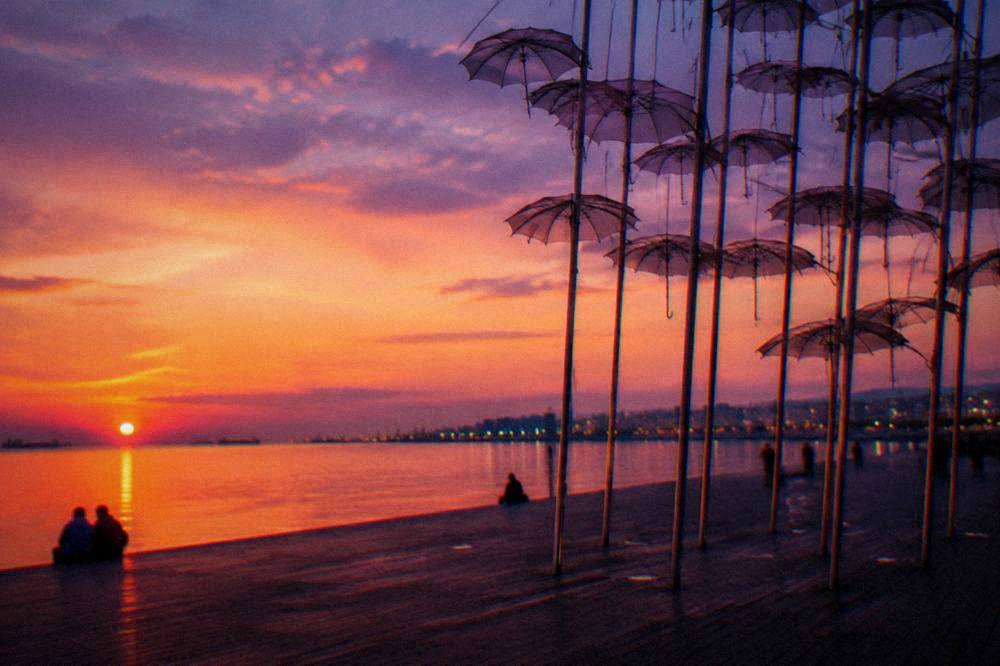
The OTE Tower in the fair grounds rotates above the seafront gardens, and a slot there pairs well with a spring evening on the Nea Paralia, the promenade that runs along the gulf. Swimming is not part of that walk: the Nea Paralia is a promenade, not a beach, and swimmers head to Perea, about 28 minutes away by road.
What Is Summer In Thessaloniki Like?
Summer is hot and dry, with July and August mean highs of 31.7 C and 31.4 C, overnight lows near 19 C, and only 5.1 rain days in August, per the HNMS Thessaloniki Mikra station, 1959 to 2010. The White Tower stays open until 21:00 and the metro runs until 02:00 on Friday and Saturday, so the practical summer rhythm shifts toward mornings, long lunches and evenings outdoors.
The heat is manageable with a schedule change rather than a cancellation. Start at 08:00 when the museums open, be indoors or at lunch from midday to five, then use the long evening: sunset walks, the Ladadika restaurant district, the seafront. The metro's Friday and Saturday service until 02:00, with 05:15 starts daily, makes late evenings easy to get home from, and the basic ticket is 0.60 euro with a 2.50 euro daily ticket, per the Thessaloniki Metro's ticket page.
August is the month of the lowest rainfall in the station table, 19.3 mm, and the fewest rain days, 5.1, but also the month the prevailing wind turns southerly. Locals leave the city in chunks through August, and some shops and services follow them, while the festivals thin out ahead of the September International Fair. If heat is the one thing that ruins a trip for you, skip July and August; if a warm gulf evening matters above all, they deliver.
Swimming day trips are the summer speciality. Perea is about 28 minutes by road from Aristotelous Square, Epanomi about 36, and the Halkidiki peninsulas of Kassandra and Sithonia about 78 and 96 minutes respectively, computed over free-flow road routing. The beaches near Thessaloniki guide covers the options, and the Thessaloniki and Halkidiki itinerary combines both halves of the trip.
| Summer month | Mean high / low C | Rain days | Best hours outdoors |
|---|---|---|---|
| June | 29.4 / 17.0 | 7.9 | 08:00 to 11:30, 19:00 to close |
| July | 31.7 / 19.3 | 6.7 | 08:00 to 11:00, 20:00 to close |
| August | 31.4 / 19.1 | 5.1 | 08:00 to 11:00, 20:00 to close |
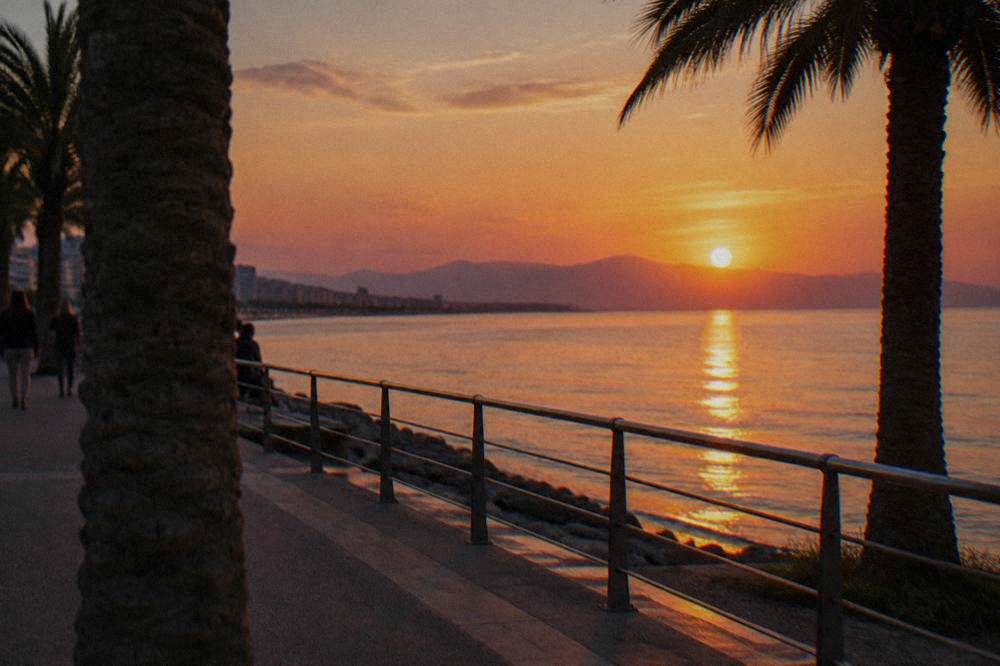
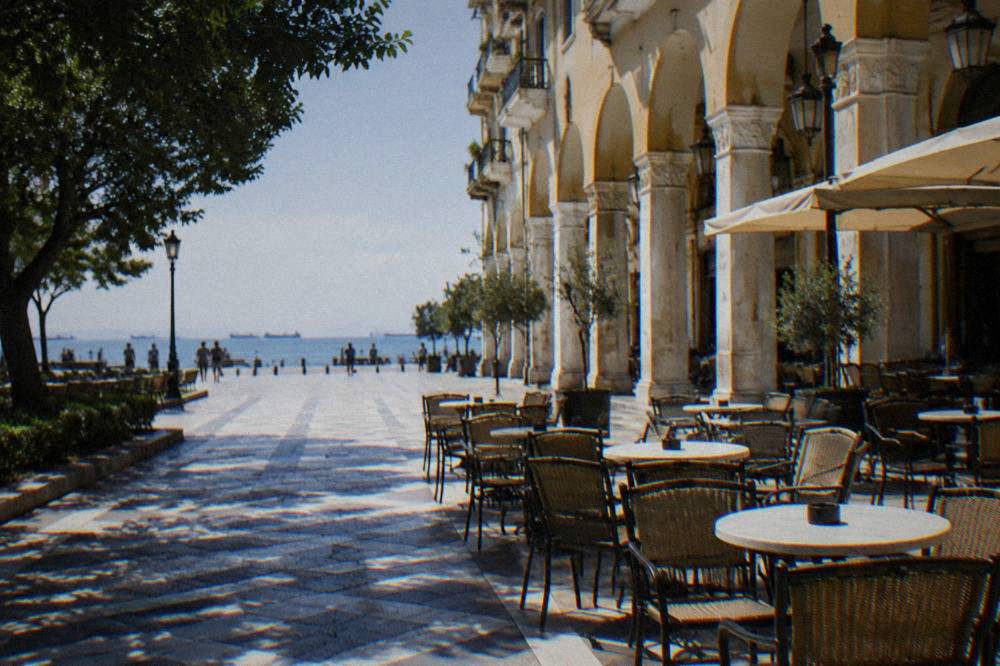
Summer evenings are when the city's character shows, and a guided sunset walk is built for exactly those hours.
Is Autumn The Best Time To Visit Thessaloniki?
Autumn is arguably the strongest season of all: September averages a 27.1 C high with 7.0 rain days, October 21.2 C, and the city's event calendar peaks with the Dimitria festival reported for 1 to 26 October 2026, Saint Demetrius day on 26 October and the International Film Festival from 5 to 15 November 2026. Museums hold summer hours until 31 October, so nothing closes early.
Late September and early October are the confluence month: warm enough for a gulf-view lunch, cool enough for the walls of Ano Poli, and stacked with events. The 90th Thessaloniki International Fair ran 5 to 13 September in 2026 with Japan as honoured country, and the Fair's September slot makes hotel demand spike in that window, so book ahead for the first half of September or shift to October. The Thessaloniki International Fair and Thessaloniki festivals pages carry the full calendar.
November is the pivot month. The Film Festival, in its 67th edition 5 to 15 November 2026, fills the city's cinemas, but the state museums switch to winter hours on 1 November: the Archaeological Museum and the Museum of Byzantine Culture both close on Tuesday and run shorter days. Rainfall climbs to 52.8 mm. A festival trip in November is a different, indoor-forward itinerary, and a good one, but plan around those Tuesday closures.
| Autumn date | Event or change | Effect on a visit |
|---|---|---|
| 5 to 13 September 2026 | International Fair, 90th edition | Busier hotels, trade-fair crowds downtown |
| 1 October 2026 | Dimitria festival begins, reported | Music and theatre across the city, to 26 October |
| 26 October | Saint Demetrius day and liberation anniversary | Religious and civic events, 1912 anniversary |
| 28 October | Ochi Day | National holiday, parade, free state-museum entry |
| 5 to 15 November 2026 | Film Festival, 67th edition | Cinema-focused city, winter museum hours from 1 November |
One caution on October: free-admission days at state museums include the last weekend of September and 28 October, which affects both queues and planning, and those days draw crowds to the big three museums.
What Is Winter In Thessaloniki Like?
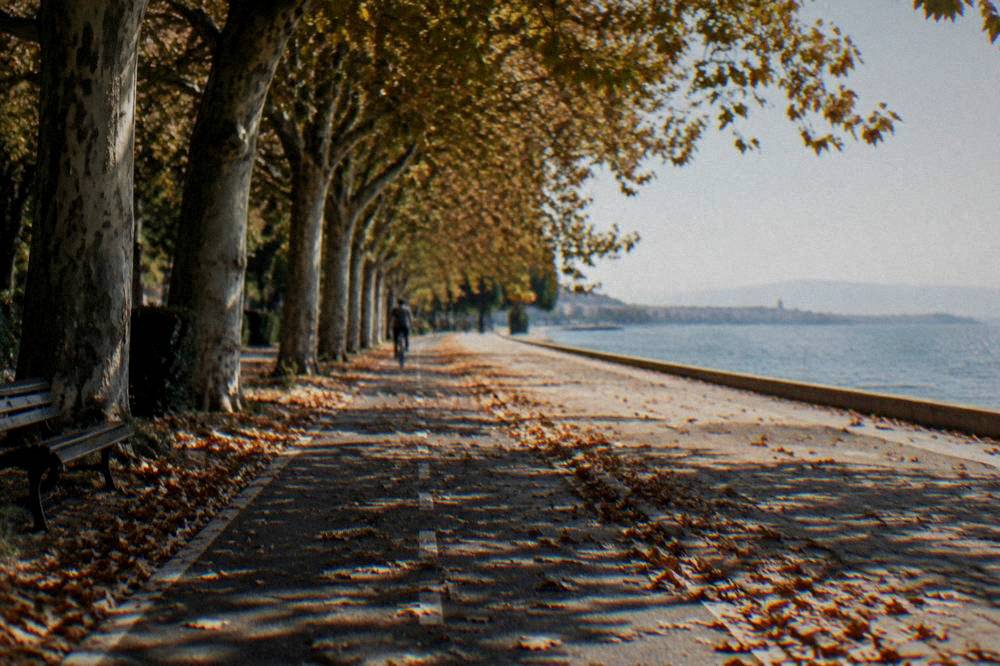
Winter is mild on paper and cool in practice: January averages a 9.3 C high and a 1.5 C low, December rainfall is the highest monthly figure in the station record at 55.1 mm, and museums run winter hours from 1 November to 31 March, with the Archaeological Museum and the Museum of Byzantine Culture closed on Tuesday. January lows at 1.5 C mean frosty nights are possible; the station table records no snow-day count.
Winter Thessaloniki is a museum, market and food city. The Archaeological Museum at 10 euro full and 5 euro reduced, the Museum of Byzantine Culture at the same prices, and the White Tower at 8 euro and 4 euro hold their collections whatever the weather, and the Modiano and Kapani markets are at their most atmospheric in cool weather. The free things to do in Thessaloniki page includes the churches and the seafront, which cost nothing. Sunday openings for shops are not something the sources support, so confirm locally if retail matters to your plans.
Two free-entry windows fall in winter: the first and third Sundays of November to March at state museums, alongside the fixed free days of 6 March and 28 October. Combine that with the low-season quiet at the Rotunda and the Galerian complex, and a winter trip can cover an unusual amount of ground. Christmas adds a festive layer at Aristotelous Square, though programme dates for 2026 had not been announced, so treat Christmas plans as provisional.
The climate resilience fee, a Greek accommodation levy collected per room per night, is lower from November to March than in the April-to-October window, per published Greek rate tables, so a winter stay costs less on that line item too. Rates vary by accommodation category and are collected at the property.
| Winter month | Mean high / low C | Rain mm | Rain days |
|---|---|---|---|
| November | 15.5 / 7.1 | 52.8 | 11.0 |
| December | 10.9 / 3.2 | 55.1 | 12.7 |
| January | 9.3 / 1.5 | 37.7 | 11.5 |
| February | 11.0 / 2.3 | 35.0 | 10.7 |
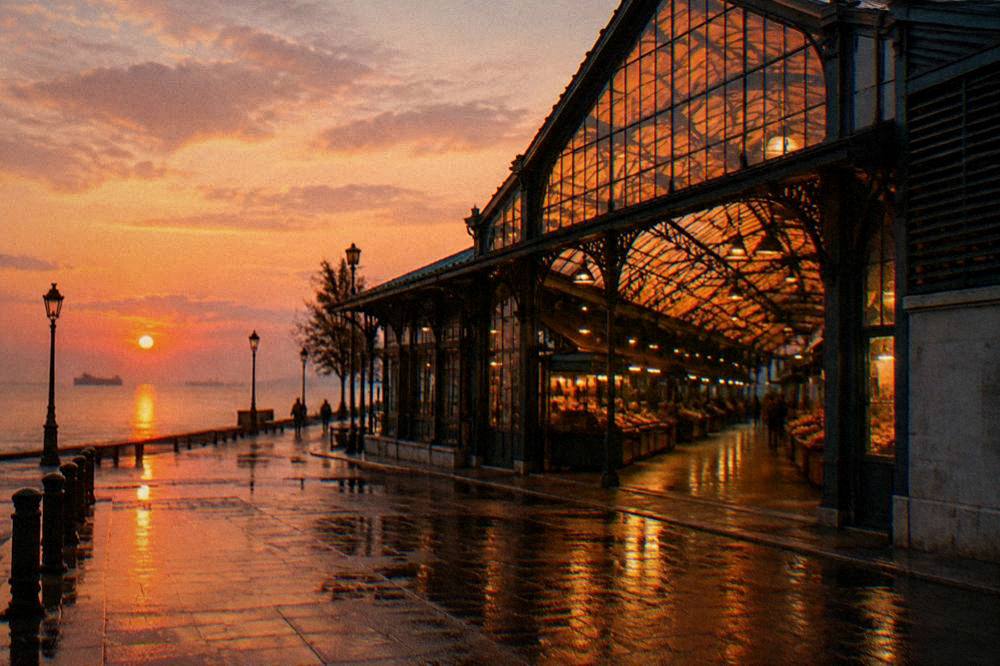
Food anchors a winter visit, and the market-and-tasting circuit moves indoors. The what to eat in Thessaloniki guide is the companion read.
When Is The Best Time For Day Trips From Thessaloniki?
Ancient Macedonia sites are best from April to June and September to October: Vergina is about 62 minutes by road, Pella about 43 and Dion about 67, all with summer opening to 20:00 in the warm months and winter closures on Tuesday, while Meteora at about 228 km and 2 hours 34 minutes is a full day in any season and the Olympus high refuge only operates roughly early May to late October.
Timing day trips is mostly about mountain and museum calendars. The Refuge A on Mount Olympus, near the Prionia trailhead about 86 minutes from the city, opens seasonally from about early May to late October, reported by the refuge's own season page, so a summer-only hiking plan should check those dates first. Dion's archaeological park runs summer hours of roughly 08:00 to 20:00 with a winter Tuesday closure. Vergina's ticket, reported at 20 euro full and 10 reduced by the museum's own site, covers the Royal Tombs complex, and the drive is short enough that shoulder-season light is a real pleasure in the covered museum spaces.
| Day trip | Drive time from Aristotelous Square | Season note |
|---|---|---|
| Pella | about 43 minutes | Museum hours shorten from 1 November |
| Vergina | about 62 minutes | Royal Tombs museum is covered, all season |
| Dion | about 67 minutes | Park on summer hours to 20:00, roughly |
| Litochoro | about 67 minutes | Gateway to Olympus trails |
| Mount Olympus, Prionia | about 86 minutes | Refuge A reported open about early May to late October |
| Edessa | about 82 minutes | Waterfall park is free, reported |
| Kassandra, Kallithea | about 78 minutes | Beach season May to September |
| Sithonia, Nikiti | about 96 minutes | Beach season May to September |
| Meteora, Kalambaka | about 154 minutes, about 228 km | Full day in every season |
Drive times are computed over free-flow routing, so add margin for traffic and stops. The Mount Olympus, Vergina and Meteora guides each break down transport options, and the northern Greece itinerary strings several together.
Which Time Of Year Suits Your Trip To Thessaloniki?
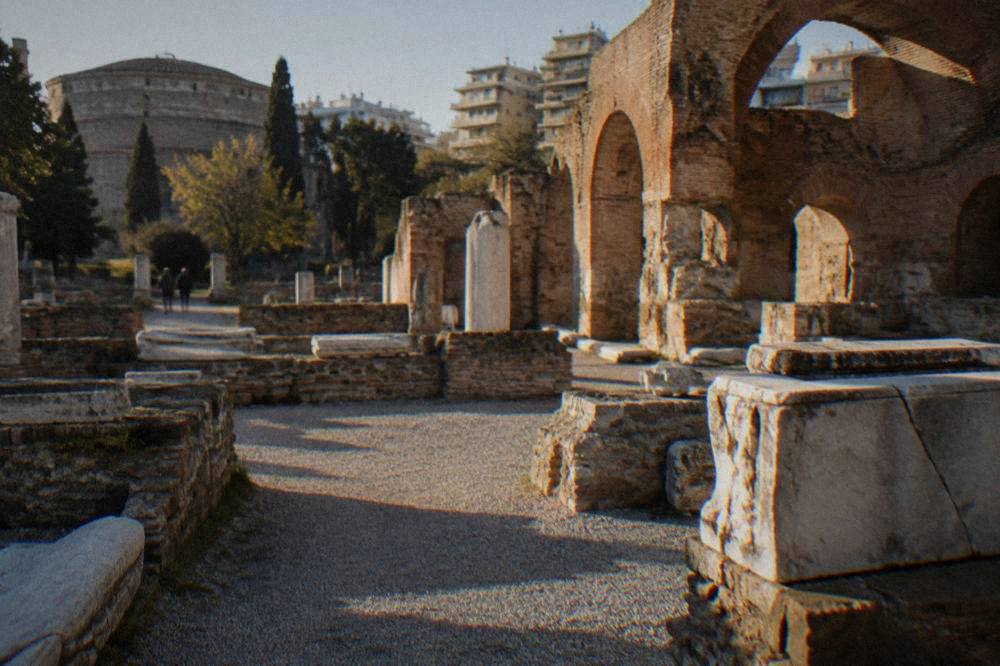
Match the season to the trip's purpose: May and September for general sightseeing, June or early July for beach-and-city combinations, October for festivals and food, November for the Film Festival, and December to February for museums and markets at low season prices. Every month keeps the metro, the working churches and the food scene fully available, so the real variables are heat, rain and event dates.
That is the whole decision in one line, and the table below turns it into a planner. Whatever the month, getting oriented on day one pays off, and the trio below, a sunset highlights walk, a chef-led tasting circuit and the rotating tower, covers the city from three angles in any season.
| If your priority is | Go in | Why |
|---|---|---|
| Walking the whole city | April, May | 19.1 to 24.6 C highs, summer museum hours |
| Beaches and swimming | June to early September | Warmest weather, Perea and Halkidiki in season |
| Festivals and food | Late September and October | Fair, Dimitria, Saint Demetrius day, 21 to 27 C highs |
| Cinema and indoor culture | November | Film Festival 5 to 15 November 2026, low-season rates |
| Museums and markets, quiet | December to February | 9.3 to 11 C highs, thin crowds, winter museum hours |
| Hiking Mount Olympus | Late May to early October | Refuge A reported open about early May to late October |
| Budget travel | November to March | Lower climate resilience fee, low-season lodging demand |
Common Questions About The Best Time To Visit Thessaloniki
What is the best time to visit Thessaloniki?
May, September and early October, on the numbers: mean highs of 24.6 C, 27.1 C and 21.2 C respectively, rainfall near summer levels, all museums on summer hours, and the October festival season in full swing.
Is Thessaloniki too hot in summer?
July and August average highs of 31.7 C and 31.4 C per the HNMS Thessaloniki Mikra station, 1959 to 2010. It is manageable with morning sightseeing and evening walks, since the White Tower stays open to 21:00 and the metro runs to 02:00 on Friday and Saturday, but the uphill Ano Poli routes are strenuous in that heat.
Does it rain a lot in Thessaloniki?
Annual rainfall totals 444.5 mm, which is modest, but it is unevenly spread: December has the highest monthly total at 55.1 mm and August the lowest at 19.3 mm. Rain days run from 5.1 in August to 12.7 in December.
Is winter a good time to visit Thessaloniki?
Winter suits a museum, market and food itinerary: January averages a 9.3 C high, the churches are free to enter, and the state museums cost less to visit on their winter free Sundays. The trade-off is Tuesday closures at the Archaeological Museum and the Museum of Byzantine Culture from 1 November to 31 March, and shorter opening hours.
When is Thessaloniki busiest?
The International Fair in the first half of September, reported at 5 to 13 September for 2026, fills hotels downtown, and the Film Festival in November and the late-October holidays draw their own crowds. Free museum days such as 28 October also concentrate visitors at the major sites.
Can you swim in Thessaloniki?
Not from the city waterfront: the Nea Paralia is a promenade. Swimming is at Perea, about 28 minutes away by road, at Epanomi or in Halkidiki, with the beach season running roughly May to September on the station's temperature curve.
Whenever you choose, the essentials do not change: the emergency number is 112, Greece uses the euro and is in the Schengen area, and a little planning around the museum calendar, the events and the heat turns a good month into the right one.