Thessaloniki Metro: Lines, Stations And Tickets
Thessaloniki's metro opened in November 2024 and grew again with the Kalamaria extension in August 2026. Here is what the official operator publishes on lines, tickets and hours, and how the system fits a visit to the city.
Short answer
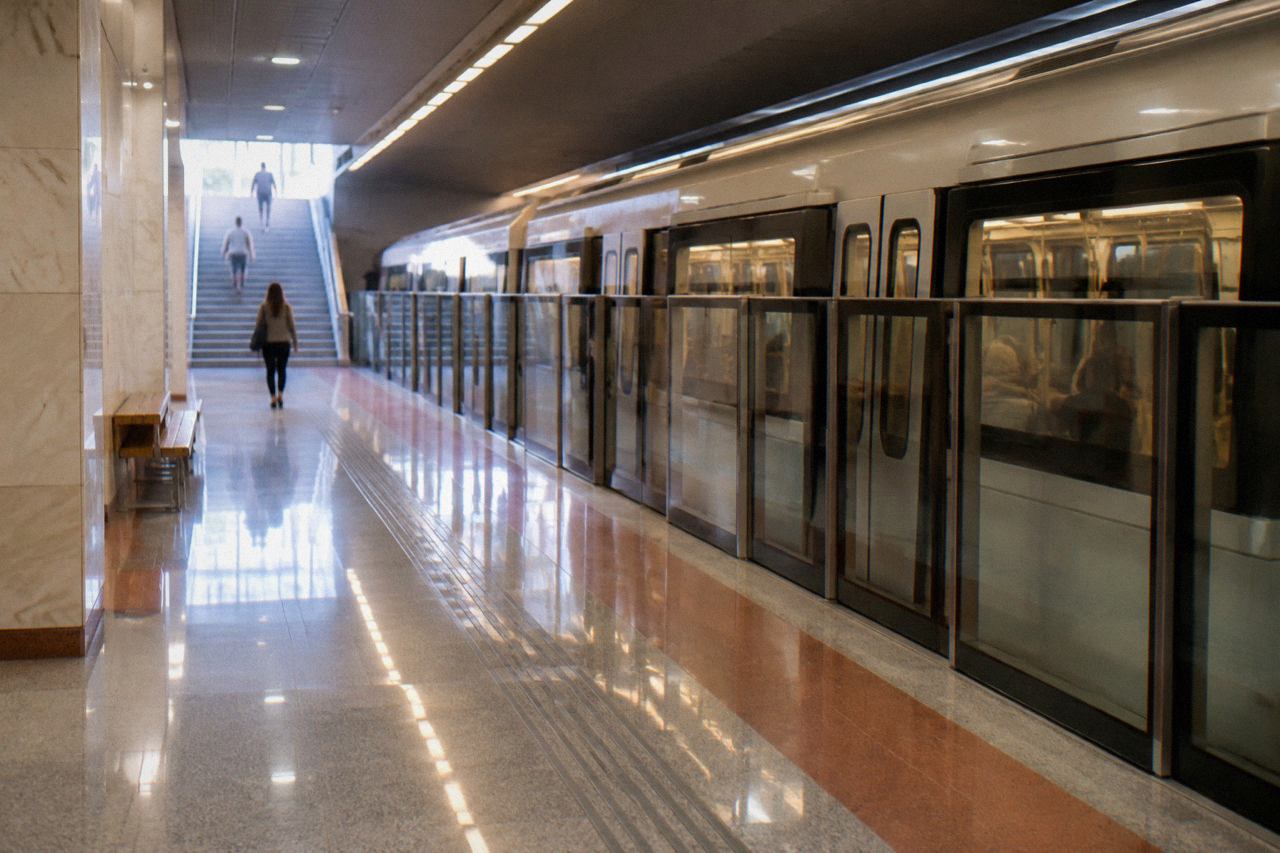
The Thessaloniki metro is open and running. Line 1 opened in November 2024 between New Railway Station and Nea Elvetia, and the five-station Kalamaria extension was inaugurated on 27 August 2026. A basic ticket costs 0.60 euro per journey and a 24-hour ticket 2.50 euro, per the operator's ticket page.
Thessaloniki, the second city of Greece, sits on the Thermaic Gulf in Central Macedonia, and since November 2024 it has had something the internet still regularly tells you it lacks: a working underground metro. The system's first line opened between New Railway Station and Nea Elvetia in November 2024, and on 27 August 2026 a five-station extension carried it into Kalamaria, according to the operator's own press release. This guide sets out what the Thessaloniki metro actually offers a visitor, with every fare and hour taken from the operator's published pages rather than from the out-of-date forum threads that still describe a construction site.
For a city that spent years being described as "the largest in Europe without a metro", the change is recent enough that plenty of guides have simply not caught up. The practical upshot for a visitor is straightforward: the metro runs along the city's north-south spine, connects the railway and intercity bus stations with the eastern districts, and does so for less than the price of a koulouri. The sections below cover the line and its extension, the ticket range, the stations most useful for sightseeing, the airport connection, and how the metro fits alongside the hop-on hop-off bus loop and the walking city centre that Thessaloniki still very much is.
What Is The Thessaloniki Metro?
The Thessaloniki metro is a fully underground rail line that opened to the public in November 2024, running from New Railway Station to Nea Elvetia, with a five-station Kalamaria extension inaugurated on 27 August 2026. The Ministry of Infrastructure and Transportation's press release states the extension added almost 5 km of running line and carries a reported 63,000 passengers a day.
The base line opened first, in November 2024, and the operator's own press release for the extension notes that the first line was inaugurated at that time. The Kalamaria branch, opened on 27 August 2026, runs southeast toward Mikra and, per the same government release, puts Mikra about 15 minutes from the centre by train. Those two figures, the daily ridership and the journey time, come from the ministry's announcement rather than from the operator's timetable pages, so treat them as reported figures and confirm current performance locally.
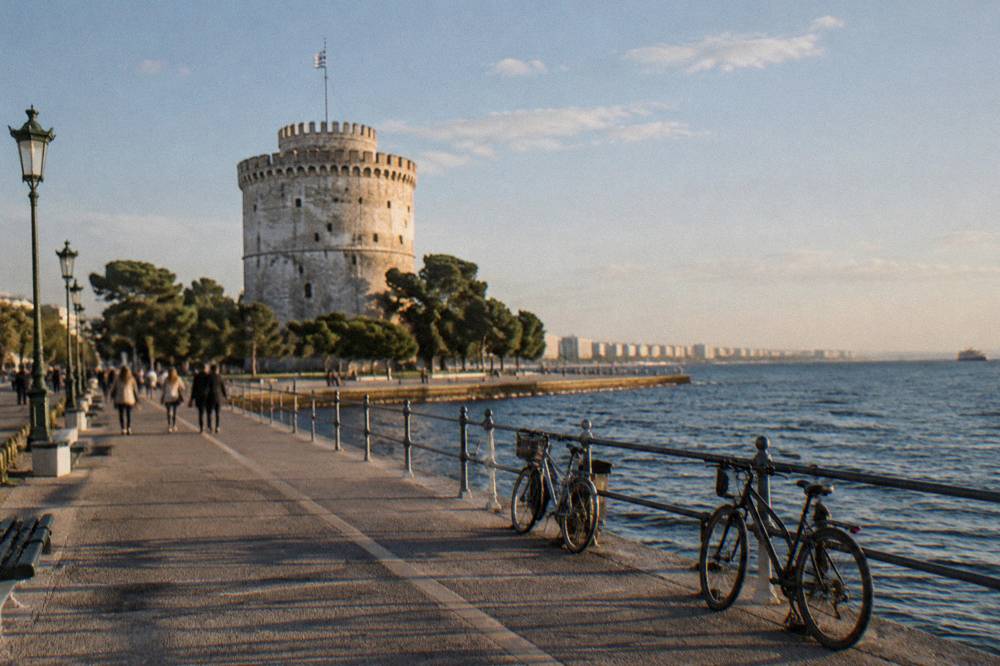
What the metro does not do is replace the city itself. Thessaloniki's core, from Aristotelous Square to the White Tower and along the Nea Paralia promenade, is compact and walkable, and the fifteen UNESCO-listed Paleochristian and Byzantine monuments are scattered through streets that no underground line can serve. The metro is at its most useful for the arrivals and departures that bookend a stay: the rail connection at New Railway Station, the eastern neighbourhoods, and the Kalamaria district. For the geometry of a sightseeing day, pair it with getting around Thessaloniki as a whole, because buses, taxis and shoe leather still carry a lot of the load between stations.
Construction began in 2006, which is why two decades of "still digging" jokes accumulated online. The archaeology delayed things in a way few metro projects anywhere have matched: tunnelling cut through the heart of a city founded in 315 BC, and the finds were extensive enough that a dedicated archaeology museum for the metro discoveries, the Metropolis of Thessalonians at Pavlos Melas, was reported to have opened with hours of 08:30 to 15:30 except Tuesdays. That museum is itself a reason the metro story is worth knowing before you ride.
How Much Do Thessaloniki Metro Tickets Cost?
A basic single ticket on the Thessaloniki metro costs 0.60 euro, or 0.30 euro reduced, for one journey, and a 24-hour unlimited ticket costs 2.50 euro, according to the operator's ticket page. The same page lists a 10+1 carnet of basic tickets at 5.80 euro and a 30-day pass at 16 euro.
Those are the published fares, and they are unusually low by European metro standards. For a visitor making two or more journeys in a day, the 24-hour ticket at 2.50 euro is the arithmetic winner from the fourth ride onward; for a single hop from the railway station into the centre, the 0.60 euro basic ticket is all that is needed. The ticket page does not state that a metro ticket is also valid on the OASTH city buses, and that integration should not be assumed: confirm at a ticket machine or with the operator before planning a mixed bus-and-metro journey on one fare.
| Ticket | Price | What it covers |
|---|---|---|
| Basic single | 0.60 euro | One journey, full fare |
| Basic single, reduced | 0.30 euro | One journey, reduced fare |
| Daily ticket | 2.50 euro | 24 hours, unlimited metro rides |
| 10+1 carnet | 5.80 euro | Eleven basic-ticket journeys |
| 30-day pass | 16 euro | Unlimited metro travel for a month |
Buy tickets from the machines in the stations before you travel; the operator's ticket page is the authority on the current products and prices, and fares pages are the one place a printed number can silently age. Greece uses the euro, so no currency conversion is involved. If a fare ever looks different on the machine than on this page, the machine wins.
For travellers combining the metro with the rest of the transport picture, the wider context is in the Thessaloniki airport to city centre guide, which covers the bus lines that connect the airport with metro stations. One caution worth repeating: no published page states that the 0.60 euro ticket doubles as a bus ticket, and repeating that claim from a forum post is how misinformation survives. Check with the operator.
Which Stations Are Most Useful For Visitors?
The most useful stations for a visitor are those on the north-south spine through the city centre and, since 27 August 2026, the Kalamaria branch stations in the southeast, with the operator's station pages listing every stop. No station sits directly on the seafront promenade, so the White Tower and the Nea Paralia remain a walk from the line.
The metro's geometry is a single corridor rather than a web, and that shapes how it fits a visit. The line ties together the New Railway Station at the western end, the central districts, and the eastern neighbourhoods toward Nea Elvetia and, since August 2026, Kalamaria. Per the ministry's press release, Mikra station sits about 15 minutes from the centre. The station-level detail that matters for sightseeing is which surface attractions sit within a reasonable walk of an exit, and the table below pairs the metro corridor with what the Thessaloniki museums and sightseeing guides cover in depth.
| Metro corridor section | What sits at surface level nearby |
|---|---|
| New Railway Station end | Rail services toward Athens and northern Greece, KTEL intercity connections |
| City centre stations | Aristotelous Square, Ladadika, Modiano Market and Kapani Market within walking range |
| Eastern stations | The residential and nightlife districts east of the centre, toward Kalamaria |
| Kalamaria branch (since 27 August 2026) | The Kalamaria district and Mikra, about 15 minutes from the centre per the ministry release |
Because the historic core is pedestrian-friendly, the honest advice is that the metro supplements rather than replaces a walking itinerary. The Thessaloniki walking tour pattern, White Tower to Ano Poli on foot, still works exactly as it did before 2024. What the metro adds is cheap, fast access to the ends of the city: a rail arrival at New Railway Station, an evening in Kalamaria, or a morning at the eastern end without a taxi.
For travellers who want the sights without the legwork, a hop-on hop-off bus loop is the natural companion to the metro, since it serves the seafront and the landmark cluster that the underground line bypasses. The Thessaloniki City Sightseeing Hop-On Hop-Off Bus Tour covers that surface loop, and its live listing carries the current price, schedule and language options.
What Hours Does The Thessaloniki Metro Keep?
The Thessaloniki metro runs from about 05:15 to 00:30 from Sunday to Thursday and from 05:15 to 02:00 on Friday and Saturday, according to the operator's homepage, with those times marking the first and last departures from the terminal stations. The system operates every day of the week.
The Friday and Saturday extension to 02:00 matters in a city whose dining and nightlife rhythm runs late. Thessaloniki's evening culture is one of its draws, and a two o'clock last departure from the terminals gives a later safety net than the midweek schedule. The published hours are first and last departures from the terminals, so the final train reaches an intermediate station somewhat earlier; anyone relying on a specific last connection should be at the platform well before the terminal time.
| Day | First departures | Last departures from terminals |
|---|---|---|
| Sunday to Thursday | 05:15 | 00:30 |
| Friday and Saturday | 05:15 | 02:00 |
Frequency is adjusted by demand, and the operator publishes detailed timetable segments rather than a single "every X minutes" figure, so no train-frequency promise appears here. In practice the wait at a central platform is short at the times a visitor is likely to be travelling, but the authority on any specific interval is the operator's own timetable pages.
One seasonal note for late-October travellers: the city's calendar fills around the feast of Saint Demetrius on 26 October and Ochi Day on 28 October, and the 67th Thessaloniki International Film Festival ran 5 to 15 November 2026. Event evenings push demand onto the system late, and the Thessaloniki festivals guide covers what coincides with what.
How Do You Connect From Thessaloniki Airport To The Metro?
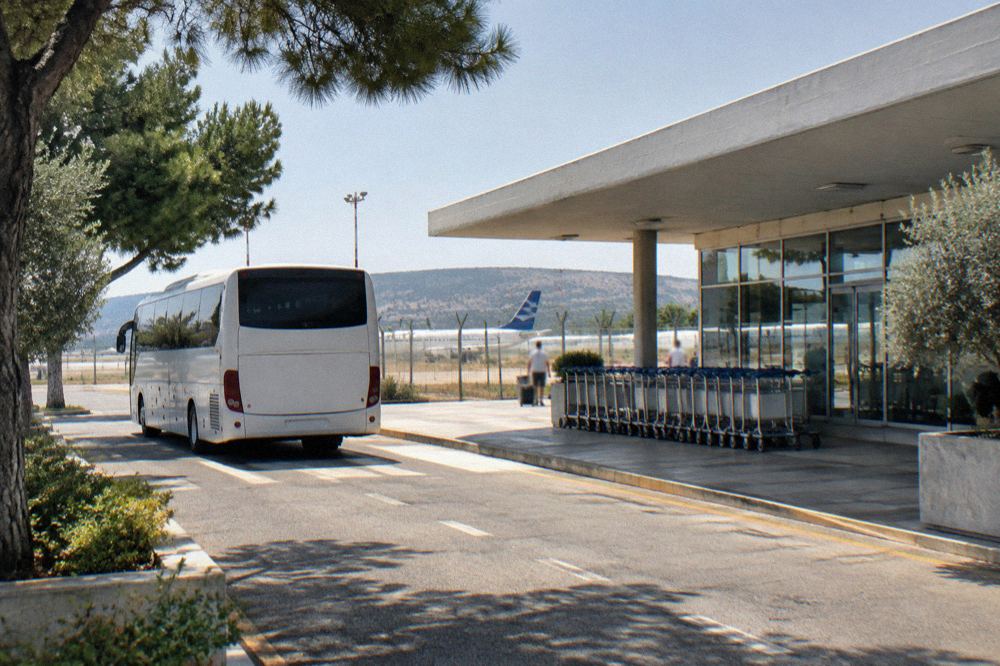
Thessaloniki Airport "Makedonia" connects to the metro by OASTH bus lines X2 and X3, which the bus operator's route list shows running to Nea Elvetia and Mikra metro stations respectively, with line X1 serving the KTEL station and N1 running at night. The reported airport bus fare is about 2 euro, and a reported daytime taxi to the centre costs about 25 euro.
The airport sits about 16 km and 20 minutes by road from Aristotelous Square, and the bus lines listed on the OASTH service pages are the published public-transport bridge to the rail network. Line X3, running to Mikra station, is the one that feeds directly into the newest stretch of the metro, the Kalamaria branch opened on 27 August 2026; line X2 feeds Nea Elvetia at the eastern terminal of the base line. The bus fare of about 2 euro and the taxi figure of about 25 euro are reported figures from secondary sources rather than printed on an official tariff page, so confirm the current price when you buy, per the guidance in the airport transfer guide. The wider set of guides lives on Thessaloniki Travel Guide.
| OASTH airport line | Connects to |
|---|---|
| X1 | KTEL Macedonia intercity bus station |
| X2 | Nea Elvetia metro station |
| X3 | Mikra metro station, Kalamaria branch |
| N1 | KTEL station, night service |
The airport's own information page lists public bus and taxi connections, and the full decision tree between bus, taxi and metro-plus-bus is worked through in the dedicated Thessaloniki airport to city centre guide. The short version: with luggage, the reported 25 euro daytime taxi is the direct option; on a budget, the airport bus to a metro station and a 0.60 euro ticket the rest of the way is the cheapest route the published fares support.
Does The Metro Help With Day Trips From Thessaloniki?
The metro helps at the bookends of a day trip, connecting New Railway Station and the KTEL corridor with your accommodation, but every major day-trip destination from Thessaloniki is reached by intercity bus, train or tour coach from the surface network, not by the metro itself.
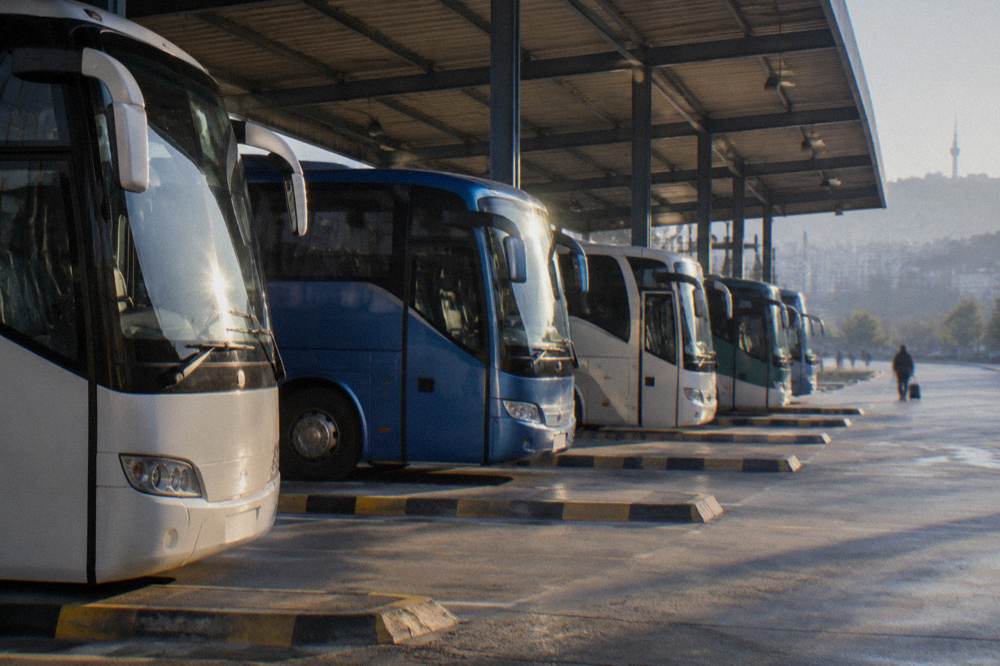
The KTEL Macedonia intercity bus station sits about 4 km from the centre and is served by airport line X1, and the railway station anchors the western end of the metro line. That makes the metro a genuine asset for reaching departure points without a taxi, especially early in the morning when day trips leave. The destinations themselves, Vergina, Pella, Dion, Edessa, Halkidiki and Meteora, are all far beyond the city, and the road distances from Aristotelous Square make the scale plain.
| Day-trip destination | Distance by road from Aristotelous Square | Approximate free-flow drive time |
|---|---|---|
| Pella | 45.7 km | about 43 minutes |
| Vergina | 68.0 km | about 62 minutes |
| Kassandra gateway (Nea Moudania) | 60.1 km | about 57 minutes |
| Dion | 90.1 km | about 67 minutes |
| Edessa | 90.3 km | about 82 minutes |
| Sithonia (Nikiti) | 97.2 km | about 96 minutes |
| Meteora (Kalambaka) | 227.5 km | about 154 minutes |
Meteora deserves its own warning because the "easy half day" claim still circulates: Kalambaka is about 228 km away by road, roughly two and a half hours each way without traffic, which makes it a full-day commitment. The dedicated Meteora guide covers the options. For Halkidiki, the KTEL Chalkidikis services run from a separate station on the 9th km of the Thessaloniki to Nea Moudania road, a detail that catches out travellers who head to the wrong terminal, and the Halkidiki guide untangles the two-peninsula geography.
Organised day tours sidestep the station-hopping entirely, and for archaeological destinations a guide adds context the sites reward. Two options that pair well with a metro-based stay:
Is The Thessaloniki Metro Good For Sightseeing?
The metro is a useful spine for a Thessaloniki sightseeing day, but the principal sights cluster in a walkable core between Aristotelous Square, the White Tower and Ano Poli, so the metro serves best for the longer hops at the edges of the city rather than for hopping between landmarks.
Think of the city in three bands. The first is the historic core: Aristotelous Square, the Roman Galerian complex of the Arch of Galerius and the Rotunda, Hagia Sophia, the Church of Saint Demetrius and the Ladadika district, all within a walk of one another. The second is the waterfront band: the White Tower and the Nea Paralia promenade, which is for walking, not swimming, since the nearest swimmable beaches are at Perea, about 28 minutes away by road, and Epanomi. The third is the periphery: Ano Poli uphill, Kalamaria southeast, and the stations and terminals at either end. The metro earns its fare in the third band and leaves the first two to your feet.
| City band | Main sights | Best transport |
|---|---|---|
| Historic core | Aristotelous Square, Rotunda, Arch of Galerius, Hagia Sophia, Church of Saint Demetrius | On foot |
| Waterfront | White Tower, Nea Paralia promenade | On foot, or hop-on hop-off bus |
| Upper town | Ano Poli, Heptapyrgion, city walls | On foot uphill, or bus |
| Eastern districts | Kalamaria, Nea Elvetia, Mikra | Metro |
For museum days, the Archaeological Museum charges 10 euro full and 5 euro reduced, the Museum of Byzantine Culture the same, and the White Tower 8 euro full and 4 euro reduced from 1 April 2026, per the museums' own visiting pages, with state museums free on 6 March, 18 April, 18 May, the last weekend of September and 28 October. The free things to do in Thessaloniki guide builds on those free days, and the best time to visit Thessaloniki guide adds the weather picture: per the HNMS Thessaloniki Mikra station record, 1959 to 2010, July averages a mean high of 31.7 C and January a mean low of 1.5 C.
A food tour is one sightseeing format where the walking core is the whole point, since Thessaloniki's eating culture concentrates in the markets and lanes of the centre, from Modiano Market outward. The pairing below covers that side of the city.
What Should You Know Before Riding The Thessaloniki Metro?
Before riding, know the published basics: fares are 0.60 euro single and 2.50 euro for 24 hours, hours run from 05:15 to 00:30 midweek and 02:00 on weekends, tickets come from station machines, and bus-plus-metro fare integration is not stated on the operator's pages, so confirm it before relying on one ticket for both.
A few practical points make the system easier. Greece's emergency number is 112, and it applies on the network as everywhere in the country. Greece is a Schengen member and has used the euro since 2001, so there are no border or currency complications for most European visitors. Station names are printed in Latin script as well as Greek, matching the single Latin spellings used across this site, Kalamaria, Nea Elvetia, Mikra and the rest, which keeps orientation simple.
Travellers who need step-free access at individual stations should confirm directly with the operator before travelling. Likewise, no luggage-size rule, bicycle policy or fare-enforcement detail is published on the pages this guide draws from, and inventing any of them would be exactly the kind of plausible-sounding filler that makes older metro pages unreliable.
The wider planning picture, including where to base yourself relative to the line, is covered in where to stay in Thessaloniki, and the full surface-transport comparison, buses, taxis and car hire, sits in the getting around Thessaloniki guide. For a first visit that mixes the metro with everything else, the things to do in Thessaloniki overview is the place to start.
How Does The Metro Change A Short Visit To Thessaloniki?
The metro compresses the ends of a short Thessaloniki visit, putting the railway station, the eastern districts and Kalamaria within a 0.60 euro ride of the centre, and since 27 August 2026 the Kalamaria branch does the same for the southeast, so even a one-day stay can sensibly combine the historic core with a district that used to demand a taxi.
On a one day in Thessaloniki itinerary, the metro's role is honest but limited: the day's spine is still the walk from the White Tower through the centre and up to Ano Poli. Where the system earns its place is at the margins of longer stays. A two days in Thessaloniki plan can give one afternoon to Kalamaria's seafront streets by metro; a three days in Thessaloniki plan can use the New Railway Station end for a northern-Greece train excursion and still be back in the centre for dinner.
Cruise passengers should note the geometry too: the Thessaloniki cruise port day pattern relies on the port area's proximity to the core, and the metro is a secondary tool there rather than the main one. And for the winter visitor, when the HNMS Thessaloniki Mikra station record, 1959 to 2010, shows December's rainfall at 55.1 mm against August's 19.3 mm, a cheap underground hop between museums has obvious appeal on a wet afternoon, as the Thessaloniki in winter guide explores.
The bus loop remains the most time-efficient way to see the surface sights for anyone who would rather not walk the whole core, and it complements the metro rather than competing with it. Check availability on the operator's live listing for current schedules.
Common Questions About The Thessaloniki Metro
Is the Thessaloniki metro open?
Yes. Line 1 opened to the public in November 2024 between New Railway Station and Nea Elvetia, and the Kalamaria extension of five more stations was inaugurated on 27 August 2026. Claims that the metro is under construction or opening soon are out of date.
How much is a Thessaloniki metro ticket?
A basic single ticket costs 0.60 euro, reduced 0.30 euro, and a 24-hour unlimited ticket costs 2.50 euro, according to the operator's ticket page. A 10+1 carnet of basic tickets costs 5.80 euro and a 30-day pass 16 euro.
What time does the Thessaloniki metro run until?
Trains run from about 05:15 to 00:30 from Sunday to Thursday and from 05:15 to 02:00 on Friday and Saturday, with those times being the first and last departures from the terminal stations.
Does the Thessaloniki metro go to the airport?
No, the metro does not serve the airport directly. OASTH bus lines X2 and X3 connect the airport with Nea Elvetia and Mikra metro stations respectively, and line X1 serves the KTEL station. The reported airport bus fare is about 2 euro.
Can you use a metro ticket on the bus in Thessaloniki?
The operator's ticket pages do not state that a metro ticket is valid on OASTH buses, so do not assume it is. Confirm with the operator or at a ticket machine before making a mixed journey on a single fare.
Is the Thessaloniki metro useful for tourists?
Partly. The metro is excellent for the longer hops, the railway station, the eastern districts and Kalamaria, but Thessaloniki's main sights cluster in a walkable core between Aristotelous Square, the White Tower and Ano Poli that the line does not directly serve.
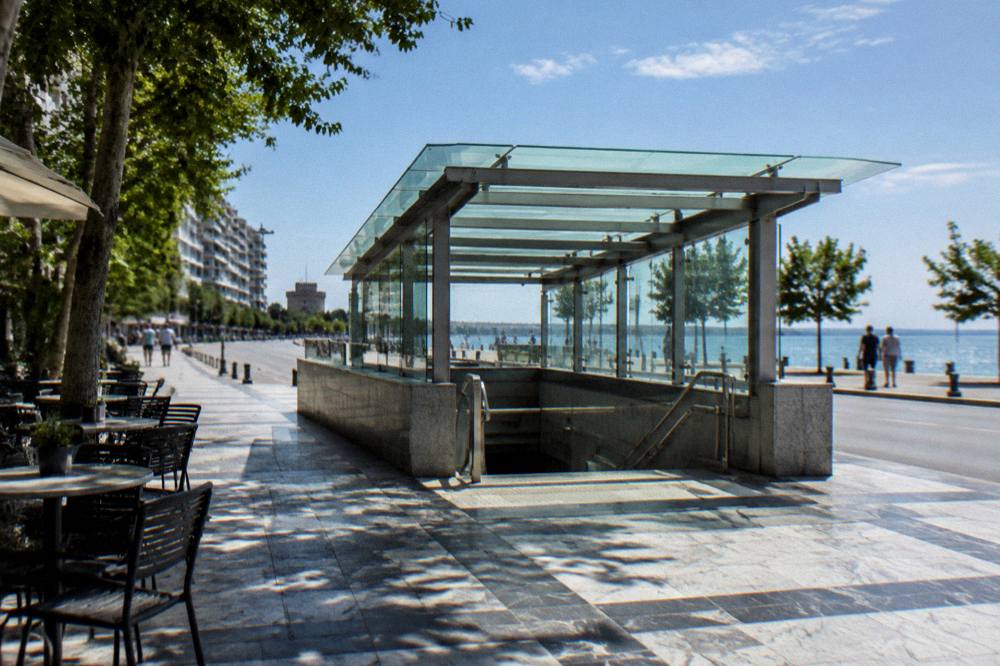
The Thessaloniki metro is no longer a rumour, a construction project or a punchline. It is a small, cheap, modern system that does a specific job well: it ties the ends of a long, narrow city to its centre for the price of a pastry. Ride it for the arrivals, the departures and the evenings in Kalamaria, and walk the rest, because that is exactly how the city is built to be seen.