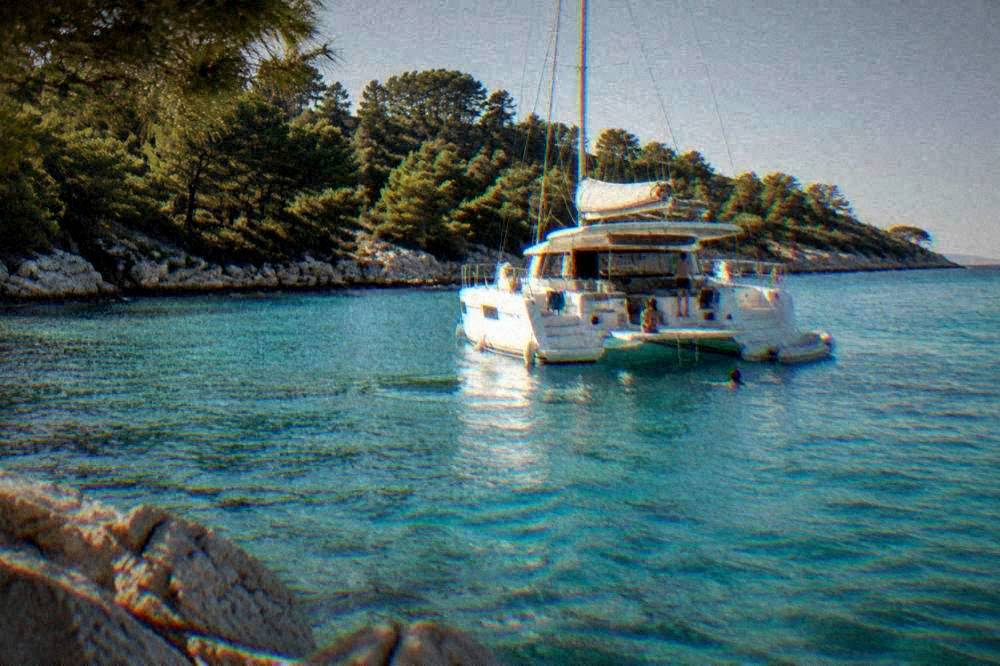
Halkidiki From Thessaloniki: Beaches An Hour Away
Halkidiki is the three-fingered peninsula region directly south of Thessaloniki, and its gateway is about an hour away by road.
Short answer
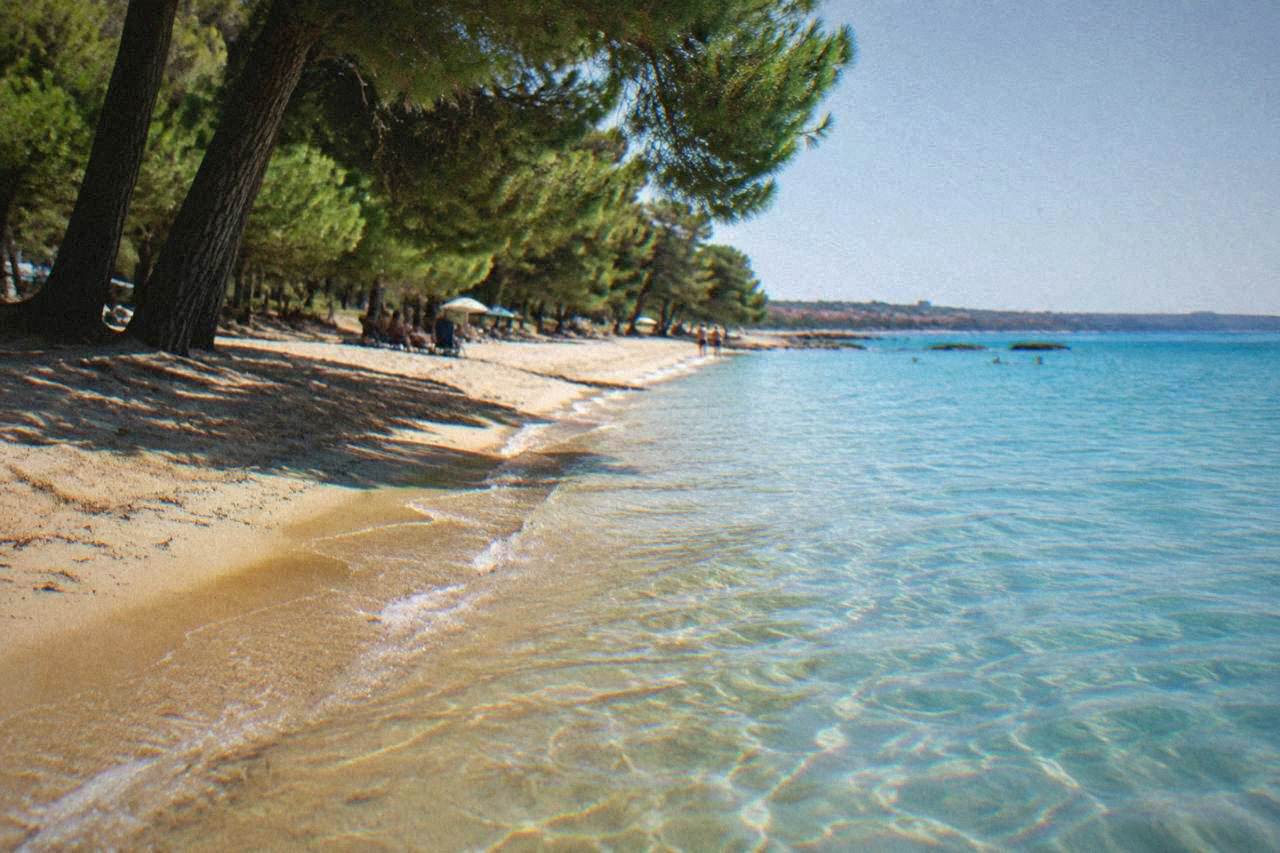
Halkidiki starts about 57 minutes and 60 km by road from Aristotelous Square in Thessaloniki, at the Nea Moudania gateway. Kassandra is about 78 minutes, Sithonia about 96 minutes, and Ouranoupoli, the departure point for Mount Athos cruises, about 139 minutes. Buses of the KTEL Chalkidikis network run from the Thessaloniki area, and organized day trips cover the beaches without a hire car.
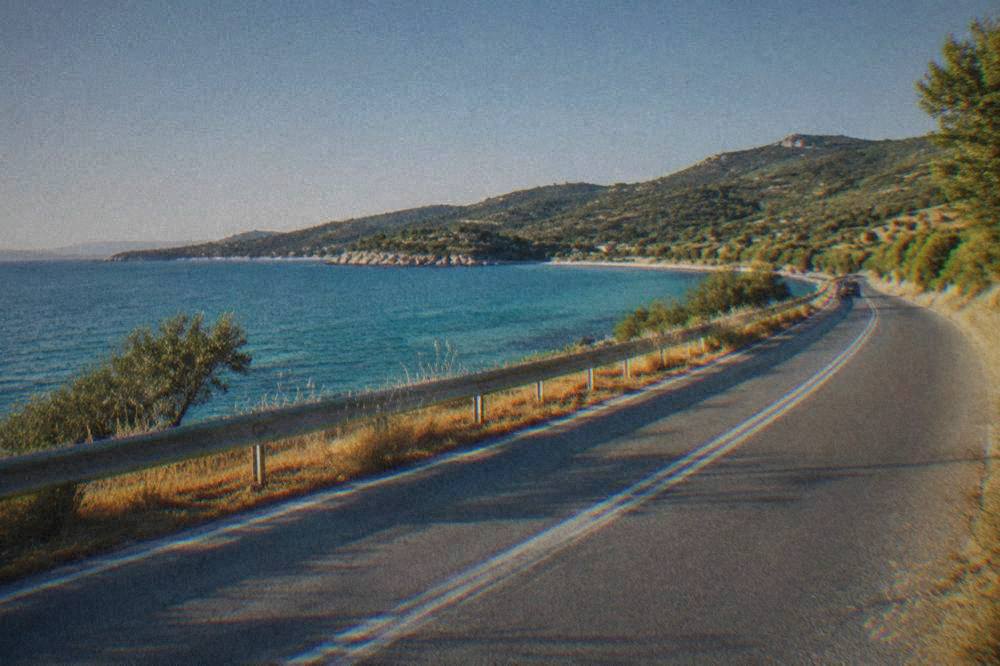
Halkidiki is the peninsula region that hangs from the mainland directly south of Thessaloniki, in Central Macedonia, northern Greece, and its road gateway at Nea Moudania sits about 57 minutes and 60 km from Aristotelous Square. The region divides into three peninsulas: Kassandra to the west, Sithonia in the middle, and the eastern Athos peninsula, where the monastic republic of Mount Athos begins at Ouranoupoli. None of this is island hopping. You drive, or ride a bus, along the neck of land that connects Halkidiki to the city's own region, and the first beaches arrive before the first hour is out.
Where Is Halkidiki And How Far Is It From Thessaloniki?
Halkidiki is the three-peninsula region directly south of Thessaloniki on the Aegean side of Central Macedonia, about 57 minutes and 60 km by road from Aristotelous Square to its Nea Moudania gateway, with Kassandra about 78 minutes and 86 km, Sithonia about 96 minutes and 97 km, and Ouranoupoli about 139 minutes and 130 km. Kassandra is pinned at Kallithea and Sithonia at Nikiti, and both are peninsulas, so times vary by village.
Those figures are free-flow drive times computed over OpenStreetMap routing, with no traffic, no parking search and no stops, so treat them as a floor rather than a promise. A Friday afternoon in July, when the whole of Thessaloniki heads for the same coast, stretches each of them, and the single main road down the neck of Halkidiki carries everyone at once. Build the buffer in before the beach, not after it.
The geography is worth one paragraph of precision, because loose language causes real planning errors. Kassandra and Sithonia are broad, swimmable peninsulas with roads around them. The third, eastern prong is the Athos peninsula, and its southern part is the monastic community of Mount Athos: entry requires a permit called a diamonitirion and is men only, per the reported rules of the Pilgrims' Bureau, and boats from Ouranoupoli view the coast from the sea without landing. That boundary shapes everything about the eastern peninsula, and it is covered in its own section below.
| Destination from Aristotelous Square | Distance by road | Drive time (free-flow) |
|---|---|---|
| Halkidiki gateway (Nea Moudania) | 60.1 km | about 57 minutes |
| Epanomi | 28.8 km | about 36 minutes |
| Afytos (Kassandra) | 83.3 km | about 79 minutes |
| Kassandra (Kallithea pin) | 86.2 km | about 78 minutes |
| Sithonia (Nikiti pin) | 97.2 km | about 96 minutes |
| Ouranoupoli | 129.9 km | about 139 minutes |
How Do You Get From Thessaloniki To Halkidiki Without A Car?
Intercity buses of the KTEL Chalkidikis network are the public-transport link between Thessaloniki and the Halkidiki peninsulas, departing from the KTEL Halkidiki terminal at the 9th kilometre of the Thessaloniki to Nea Moudania road, itself reachable from central Thessaloniki by city bus. Fares and timetables are not carried on this site, so confirm both at the terminal or the operator's own pages before travelling. A hire car or an organized day trip covers the same ground on your own clock.
The KTEL Macedonia station on Giannitson Street in Menemeni, about 4 km from the centre, serves Thessaloniki's western and northern intercity routes, but Halkidiki is the exception: its operator, KTEL Chalkidikis, runs from its own terminal out on the Moudania road. That split catches out travellers who arrive at the wrong station, so check which terminal your village requires before you leave the centre. Once on the peninsula, villages on both Kassandra and Sithonia are threaded by local KTEL services, though frequency thins at the far ends of each peninsula, and the last return of the day matters more than the first departure.
Driving yourself changes the arithmetic completely. The route out of Thessaloniki is straightforward, the gateway is under an hour away in free-flow conditions, and a car lets you string a Kassandra beach, a village lunch stop and an evening return into one day. The trade-off is summer parking in the popular villages: arrive early or confirm arrangements with your accommodation. For readers weighing the whole question of whether the city or the coast should anchor the trip, the comparison page on Thessaloniki versus Halkidiki lays out what each does well, and the combined Thessaloniki and Halkidiki itinerary splits a week between the two.
Organized transport is the third option, and for a single day it is often the calmest one. The Kassandra beaches private tour from Thessaloniki covers the driving, the route and the beach stops as one booking, which removes the bus timetable from the equation entirely. Check availability if that shape of day appeals.
Kassandra Or Sithonia: What Actually Separates The Two Peninsulas?
Kassandra is the nearer and quicker peninsula from Thessaloniki, about 78 minutes and 86 km to its Kallithea pin against Sithonia's about 96 minutes and 97 km to Nikiti, roughly twenty extra minutes each way. Beyond those measured distances, the choice between the two comes down to distance, the kind of coastline you want, and how much driving a day trip can absorb.
Kassandra is the western prong, the first you reach, and the more built-up of the two along its southern shore, with organized beach villages strung along a road that loops the peninsula. Sithonia, the middle prong, is the longer drive and the wilder coastline, with coves that sit at the end of tracks rather than at the edge of promenades. Neither description is a ranking, and none is offered here: what the figures support is the time budget. On a day trip that returns to Thessaloniki the same evening, Kassandra leaves more of the day on the sand; Sithonia rewards an early start or an overnight.
One practical note on the geometry: both pins are just that, pins. Kallithea sits mid-way down Kassandra's west side and Nikiti at Sithonia's neck, and a village at the far tip of either peninsula adds real time to the drive. Plan by your specific destination, not by the peninsula name alone.
| Kassandra | Sithonia | |
|---|---|---|
| Pin used for drive time | Kallithea | Nikiti |
| Distance from Aristotelous Square | 86.2 km | 97.2 km |
| Free-flow drive time | about 78 minutes | about 96 minutes |
| Position in Halkidiki | western peninsula | middle peninsula |
| Character of the coast, in general terms | organized beach villages along a loop road | coves and longer stretches, more driving between stops |
What Does A Day On Kassandra Look Like?
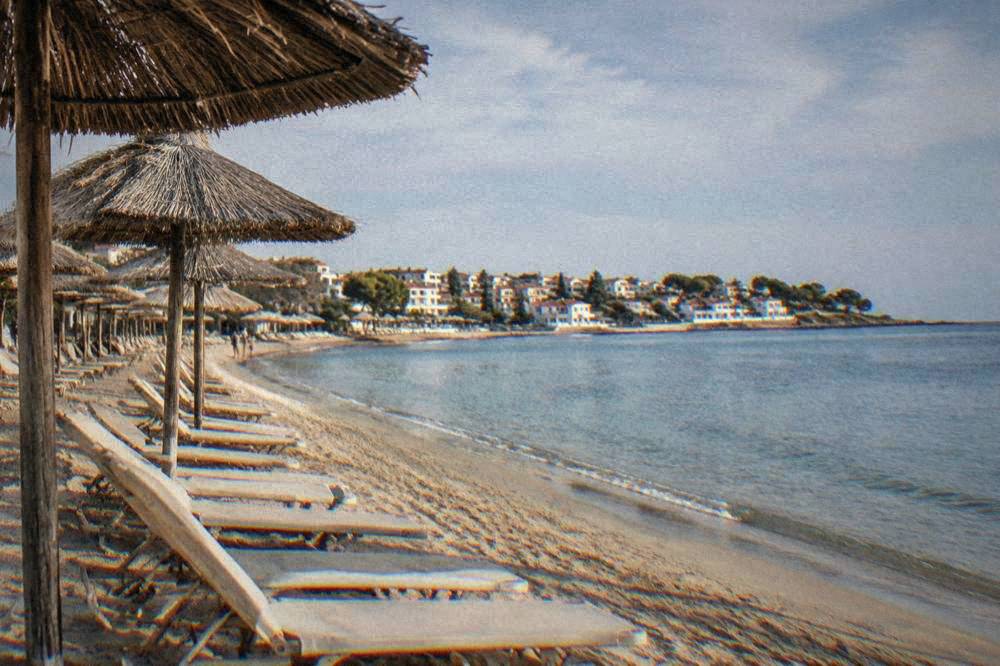
A day on Kassandra from Thessaloniki means roughly an hour and a quarter of driving each way to the Kallithea area, leaving five to seven usable hours on the peninsula itself depending on the start time, spent between an organized beach on the loop road, a village stop for food, and the return before dark. Afytos, on the peninsula's neck, is about 79 minutes out and makes a natural first or last stop.
The typical shape of the day writes itself once the drive time is known. Leave Thessaloniki early, cross the Nea Moudania gateway while the road is still moving, and the first Kassandra beaches open up shortly after Afytos. The peninsula's loop road means you can drive one side out and the other side back without retracing tracks. What this site cannot print is a list of which beach is better than which, Blue Flag status, umbrella or sunbed prices, or beach-bar costs, so confirm locally on arrival or with your accommodation before the day. For the broader question of swimming near the city, including the closest options short of Halkidiki itself, the guide to beaches near Thessaloniki covers the full run of options from Perea outward.
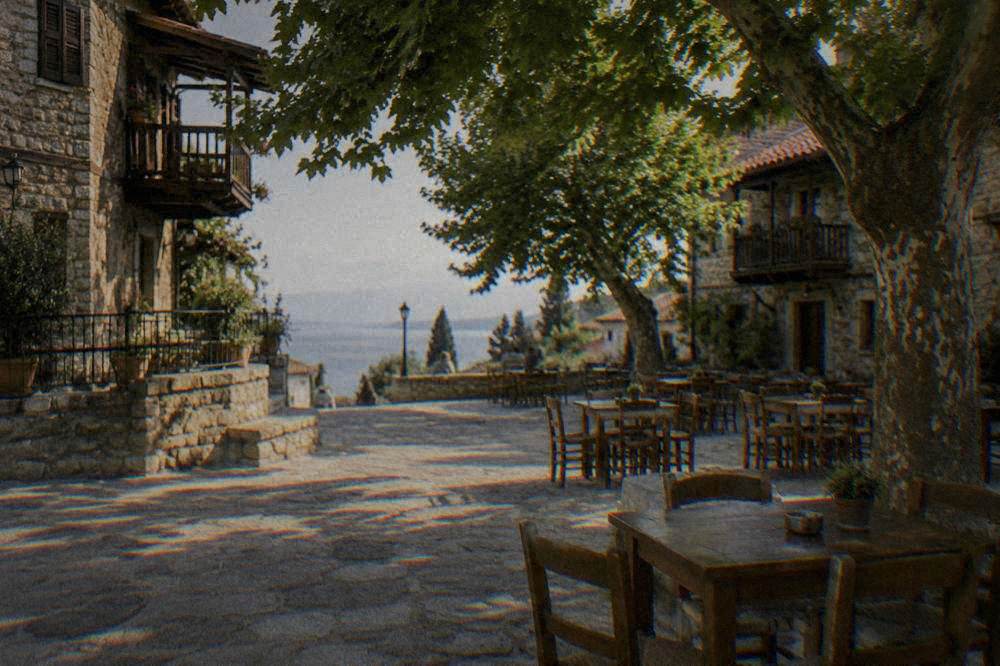
Food on Kassandra follows the coast, and the region shares Thessaloniki's northern Greek table rather than an island one. Village tavernas serve the fish and produce of the Thermaic Gulf and the Aegean side alike, so follow local recommendation on the day. Readers who want the fuller food picture of the region the trip starts from can start with the answer to what food Thessaloniki is famous for, and the dedicated Kassandra day-trip page goes deeper on that peninsula alone.
What Does Sithonia Offer A Day-Tripper From Thessaloniki?
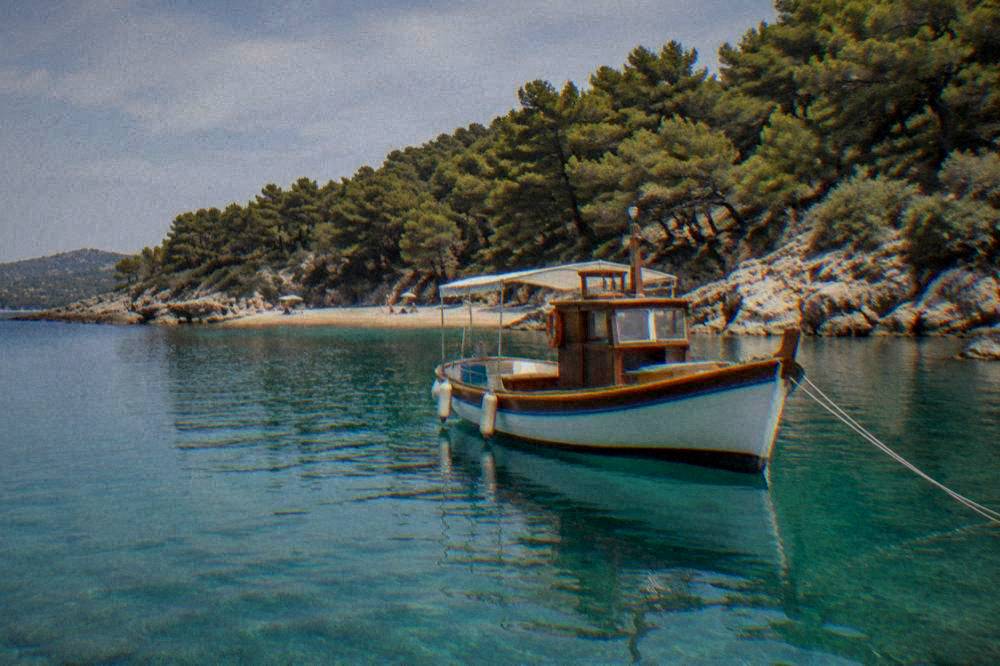
Sithonia offers the longer drive, about 96 minutes and 97 km to the Nikiti pin from Aristotelous Square, in exchange for a quieter, less organized coastline of coves and pine-backed stretches, and it rewards either a very early start or, better, an overnight stay rather than a there-and-back day. The case for Sithonia rests on distance and character, not a scorecard.
The middle peninsula asks more of the driver and gives a different day in return. Distances between coves add up: a beach at the far end of Sithonia is well beyond the Nikiti pin, and the peninsula's roads narrow as they near the water. A day trip is entirely possible, but the arithmetic favours leaving before the morning traffic builds and accepting a late return, or splitting the trip across two days, which the Thessaloniki and Halkidiki itinerary is built to do. The dedicated Sithonia day-trip page carries the peninsula's fuller picture.
One caution this site states plainly: no list of nudist or naturist beaches and no legal claim about nudism appears anywhere on this site, including in the dedicated answer on nudist beaches on Halkidiki. Where clothing-optional use is a genuine concern, ask locally and behave by what you find, not by what a listicle promised.
A waterborne alternative exists for readers whose Halkidiki day is about the sea itself rather than the shore. The Blue Lagoon cruise from Thessaloniki runs to a Halkidiki swimming stop with lunch included, which converts the peninsula from a drive into an anchorage. Check availability for dates and the current price.
Can You Visit Mount Athos From Thessaloniki On A Day Trip?
You cannot enter Mount Athos on an ordinary day trip: entry to the monastic republic requires a permit called a diamonitirion, is men only under the reported rules, and is arranged well ahead through the Pilgrims' Bureau in Thessaloniki. What a day trip can do is the reported boat cruise from Ouranoupoli, about 139 minutes and 130 km from Aristotelous Square, which views the monasteries from the sea and does not land.
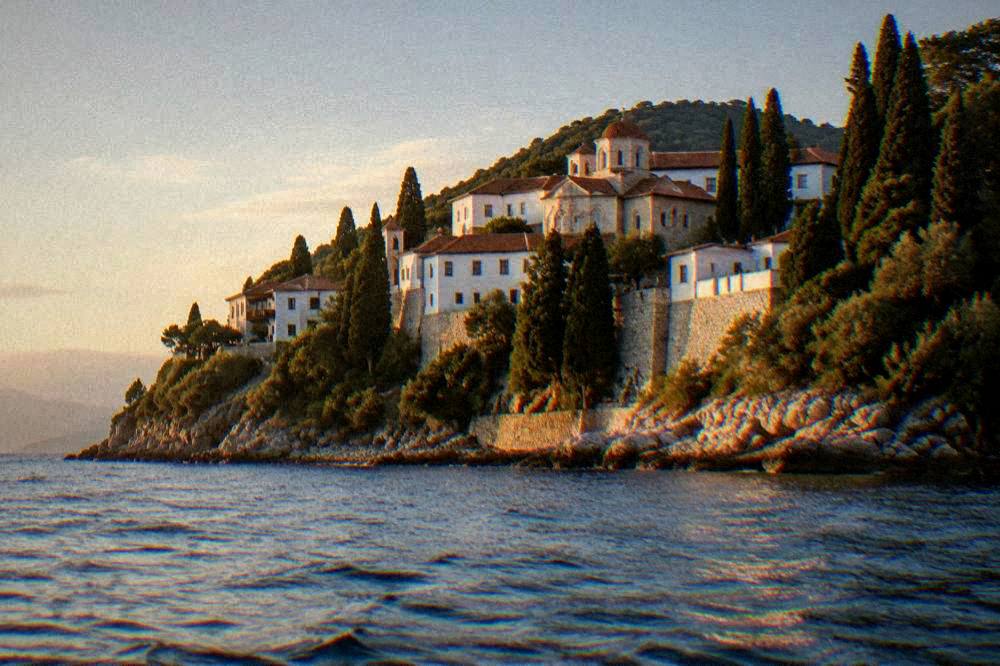
The distinction matters, because marketing copy blurs it constantly. A Mount Athos cruise is a sea voyage along the Athos peninsula's coast, sailing past monasteries that rise from the cliffs; it is not a visit. Nobody aboard lands, and women and men alike travel as viewers, which makes the cruise the one part of the Athos experience open to everyone. Landing is a separate undertaking entirely, with its own permit process, and the rules around it are reported rather than stated on any official page this site could read, so confirm everything with the Pilgrims' Bureau before planning around entry. The rest of the planning pages sit on Thessaloniki Travel Guide.
Ouranoupoli itself, at the top of the third peninsula, is the practical base for the cruise and a pleasant town in its own right, with the Byzantine tower on the water at its edge. Note the drive: at about 139 minutes each way, it is the longest of the standard Halkidiki runs, and a cruise departure time plus nearly two and a half hours of driving each way makes this the earliest start of any trip on this page. The fuller picture, including what the permit system involves, sits on the Mount Athos cruise page.
Can You Swim Without Going To Halkidiki At All?
Yes, and this is the planning fact many visitors to Thessaloniki get wrong: the city's own waterfront, the Nea Paralia, is a promenade on the Thermaic Gulf and not a swimming beach, and the nearest swimmable water from Aristotelous Square is Perea, about 28 minutes and 23 km by road, with Epanomi at about 36 minutes and 29 km, both closer than anywhere in Halkidiki.
The Nea Paralia is one of the great walks of northern Greece, a seafront promenade running from the White Tower district along the gulf, and its job is walking, running and sunset-watching, not swimming. The water it overlooks is a working gulf beside a major port city. The swimming coastline begins south of the airport: Perea and the Agia Triada stretch sit closest, Epanomi beyond them, and then the Halkidiki neck takes over. Reported by secondary sources, a seasonal water taxi also runs between Thessaloniki and Perea in summer for about 10 euro one way; confirm its current schedule and price before relying on it, as this figure is reported rather than official.
What no source on this site verifies for any of these beaches is Blue Flag status, water quality, facilities or prices. For the honest answer to the question visitors ask most, see does Thessaloniki have nice beaches, which keeps the same discipline. What the figures do support is a simple ladder of commitment: Perea for a half day, Epanomi for a bit more, Halkidiki when the whole day belongs to the water.
| Swimming option from Aristotelous Square | Distance | Drive time (free-flow) | What it is |
|---|---|---|---|
| Nea Paralia | 0 km | on foot | promenade, not a swimming beach |
| Perea | 23.0 km | about 28 minutes | closest swimmable beach town |
| Epanomi | 28.8 km | about 36 minutes | coast before the Halkidiki neck |
| Kassandra (Kallithea pin) | 86.2 km | about 78 minutes | organized beach villages |
| Sithonia (Nikiti pin) | 97.2 km | about 96 minutes | coves and quieter stretches |
What Is There To Do In Halkidiki Besides The Beach?
Beyond the beaches, Halkidiki offers the villages and tavernas of the two swimmable peninsulas, the boat viewpoint of the Athos coast from Ouranoupoli, and, on the mainland side of the region's neck, the caves of Petralona, about 55 minutes and 52 km from Aristotelous Square, together with wine country within reach of the peninsula's edge, all doable as add-ons to a beach day or as a day without sand at all.
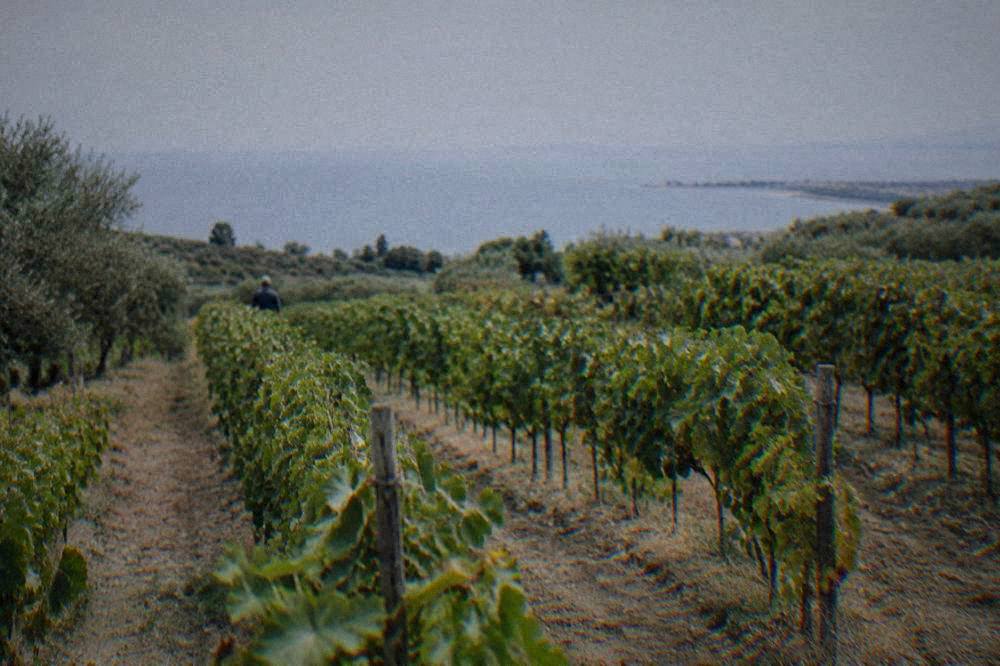
Petralona Cave, with its famous calcite formations and its hominin-find museum, sits west of the Halkidiki neck near the Kassandra side, and it is the one inland stop that slots neatly between Thessaloniki and the beaches. On the palate side, northern Greece's wine country runs from the hills behind Thessaloniki down towards the region's edge, and the northern Greece wine guide maps the wineries that a Halkidiki loop can absorb.
For readers whose holiday is anchored in Thessaloniki with Halkidiki as one day among several, the alternatives fan out in every direction: the royal tombs at Vergina, the mosaics of ancient Pella, the park and museum at Dion, the waterfalls of Edessa, and the full-day monasteries of Meteora, each with its own drive time and character. The root guide to things to do in Thessaloniki holds the city's own half of the holiday.
When Is The Best Time Of Year For A Halkidiki Day Trip?
The beach season runs on the Greek summer, with the HNMS Thessaloniki Mikra station, 1959 to 2010, recording July at a 31.7 C mean daily high and August at 31.4 C, June at 29.4 C and September at 27.1 C, so June and September pair warm water figures with thinner roads than July and August, while May at a 24.6 C mean high suits coast-walking more than swimming. No sea-temperature figures are printed on this site for any month.
Those are weather-station averages for the city's own air, not a beach forecast, and they are the only climate figures this site stands behind. What they frame is the seasonal rhythm. July and August concentrate the crowds, the heat and the traffic on the two-lane road down the neck; June and September stretch the season on either side with slightly cooler air; and the shoulder months of May and October belong to walkers, diners and the Athos cruise more than to swimmers. October carries a further consideration on the city side: the Dimitria festival, reported for 1 to 26 October 2026, fills Thessaloniki's evenings with performances, and the Thessaloniki in summer guide covers the peak months in detail.
| Month | Mean daily high (HNMS Thessaloniki Mikra, 1959 to 2010) | Mean daily low | Rainfall |
|---|---|---|---|
| May | 24.6 C | 12.6 C | 44.2 mm |
| June | 29.4 C | 17.0 C | 29.8 mm |
| July | 31.7 C | 19.3 C | 23.8 mm |
| August | 31.4 C | 19.1 C | 19.3 mm |
| September | 27.1 C | 15.4 C | 29.8 mm |
How Should You Plan A Halkidiki Day Trip From Thessaloniki?
Plan the day backwards from your return time: pick the peninsula by drive time, about 78 minutes each way for Kassandra's Kallithea pin and about 96 for Sithonia's Nikiti pin, leave before mid-morning to protect beach hours, decide in advance whether the day is one beach or several, and reserve the Ouranoupoli cruise day for the earliest start of all, about 139 minutes each way. Free-flow times assume no traffic, so add a summer margin to every leg.
Three practical rules fall out of the arithmetic. First, the single road down the Halkidiki neck is the bottleneck for every destination on this page, so departure time buys more beach time than route choice does. Second, one peninsula per day is the honest limit for a there-and-back trip; a day that tries to see Kassandra and Sithonia together spends its middle hours in the car. Third, if the day must end back in Thessaloniki for dinner, reverse-commute before the evening rush, or make the evening the point and stay for a taverna sunset instead.
For travellers who would rather the day run on someone else's logistics, organized options cover both land and water: the private Kassandra beaches tour that anchors this page, and the nature-focused excursions in the picks below. And if a coastal day is not what the holiday needs, the hills win it: the Olympus lagoons nature trip trades the sea for alpine water and mountain air within the same half-day radius of the city.
What If The Weather Turns On Your Halkidiki Day?
A rainy day still has options within the same radius: Petralona Cave at about 55 minutes, the archaeological museum of ancient Pella at about 43 minutes, and Thessaloniki's own state museums, the Archaeological Museum at 10 euro full and 5 reduced and the Museum of Byzantine Culture at 10 euro full and 5 reduced, per their own visiting pages, are all closer than any Halkidiki beach, and the city's rainy-day playbook is the largest in the region.
The climate record sets expectations honestly. Rainfall in the Thessaloniki station record runs at 44.2 mm in May, falls to 19.3 mm in August, and rises through autumn to 55.1 mm in December, so a washout is unlikely in high summer and entirely plausible from October onward. When one lands, the peninsula's open-air appeal collapses and the inland day trips take over: the royal tombs at Vergina at about 62 minutes, the waterfalls of Edessa at about 82, and the cave at Petralona all sit within the same hour-and-a-half ring. Museum hours are seasonal and the Archaeological Museum closes on Tuesdays from 1 November to 31 March, per its visiting page, so check the day of the week as well as the weather.
| Rainy-day alternative | Distance from Aristotelous Square | Drive time (free-flow) | Type of visit |
|---|---|---|---|
| Pella Archaeological Museum | 45.7 km | about 43 minutes | museum and site |
| Petralona Cave | 52.5 km | about 55 minutes | cave and museum |
| Vergina (Royal Tombs of Aigai) | 68.0 km | about 62 minutes | underground museum |
| Veria | 72.8 km | about 52 minutes | old town and museums |
| Edessa waterfalls | 90.3 km | about 82 minutes | waterfalls, park free to enter |
Readers planning a full northern-Greek week can mix coast and culture from the same base: the northern Greece itinerary sequences Thessaloniki, Halkidiki and the ancient sites into one route, and the region's other day trips, from Lake Kerkini to Kavala, extend it further.
Common Questions About Halkidiki From Thessaloniki
How far is Halkidiki from Thessaloniki?
The Halkidiki gateway at Nea Moudania is about 60 km and 57 minutes by road from Aristotelous Square in free-flow conditions. Kassandra's Kallithea pin is about 86 km and 78 minutes, Sithonia's Nikiti pin about 97 km and 96 minutes, and Ouranoupoli about 130 km and 139 minutes. Add a margin for summer traffic on the single road down the peninsula neck.
Kassandra or Sithonia: which is better?
This site prints no ranking, because no comparison of their beaches or water exists in its sources. The measured difference is distance: Kassandra is about 78 minutes from Aristotelous Square and Sithonia about 96. Kassandra is the nearer, more organized loop; Sithonia is the longer, quieter drive. Choose by time budget and coastline character.
Can you swim in Thessaloniki itself?
No. The Nea Paralia is a promenade on the Thermaic Gulf, not a swimming beach. The nearest swimmable water is Perea, about 28 minutes and 23 km by road, with Epanomi at about 36 minutes. Halkidiki's beaches start beyond Epanomi on the peninsula neck.
Can women visit Mount Athos?
No. Entry to Mount Athos requires a permit called a diamonitirion and is men only under the reported rules of the monastic community. The boat cruise from Ouranoupoli, about 139 minutes from Thessaloniki, views the monasteries from the sea and does not land, and it is open to everyone aboard.
Is there a bus from Thessaloniki to Halkidiki?
Yes. KTEL Chalkidikis runs intercity buses to the peninsula from its terminal at the 9th kilometre of the Thessaloniki to Nea Moudania road, which is separate from the KTEL Macedonia station. Fares and timetables are not carried on this site, so confirm them with the operator before travelling.
Is Halkidiki an island?
No. Halkidiki is a region of peninsulas connected to the mainland south of Thessaloniki in Central Macedonia. You reach it entirely by road, with no ferry required, and its three prongs are Kassandra, Sithonia and the Athos peninsula.