Petralona Cave: Stalactites On The Way To Halkidiki
Petralona Cave lies about 53 km and 55 minutes by road from Aristotelous Square in Thessaloniki, on the low hills near the neck of land that joins Halkidiki to the mainland, and it is one of the few inland sights that pairs naturally with a peninsula day out.
Short answer
Petralona Cave is about 53 km and about 55 minutes by road from Aristotelous Square in Thessaloniki, on the way to the Halkidiki peninsulas. Visits are by guided tour, entry closes before the site itself, so confirm the current price at the site's own ticket point before you go.
Petralona Cave sits in the limestone hills of Central Macedonia, roughly south east of Thessaloniki and west of the neck of land that carries the road into Halkidiki. It is a show cave, visited on guided tours, and its position is its great strength: from Aristotelous Square the drive is about 53 km and about 55 minutes by road, which puts it closer than almost every major archaeological day trip from the city.
Where Is Petralona Cave And How Far Is It From Thessaloniki?
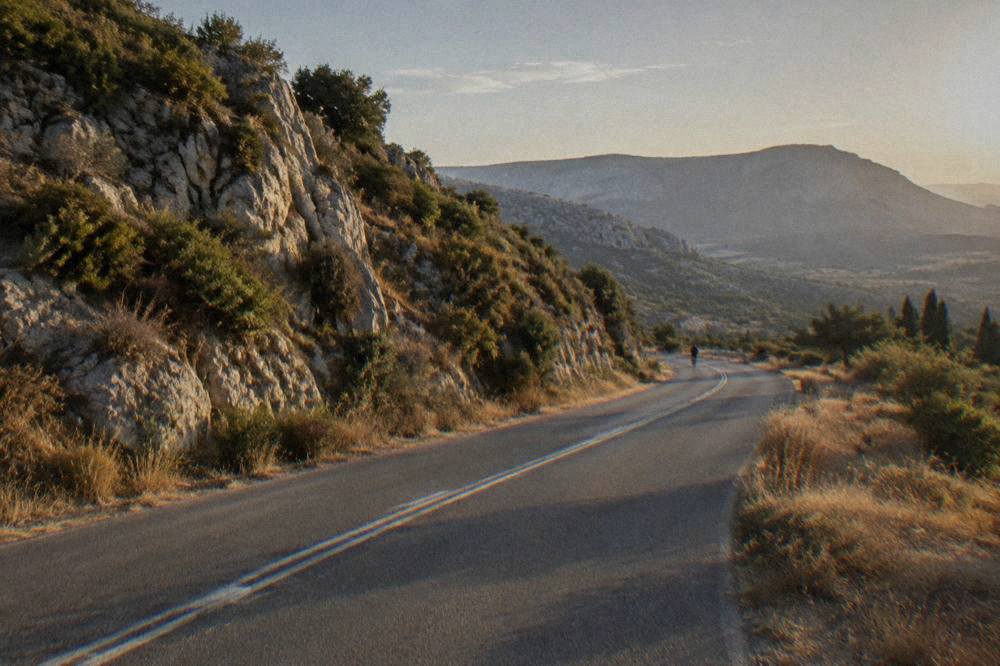
Petralona Cave lies about 53 km by road from Aristotelous Square in Thessaloniki, a drive of about 55 minutes in free-flow traffic, on the western side of the approach to Halkidiki. It is inland, on the low limestone hills near the Kassandra neck, not on either peninsula itself, and it is reached by road rather than by rail. The distance and time are computed over standard road routing with no traffic, so a summer weekend can stretch them.
That position is what makes the cave so usable. The same road continues east toward the Halkidiki gateway at Nea Moudania, which is about 60 km and about 57 minutes from the city, meaning the cave sits roughly on the itinerary of anyone heading for Kassandra. Drivers heading deeper, to Sithonia at Nikiti, about 97 km and 96 minutes out, pass within reach too. The cave is not a peninsula sight, but it is the last substantial inland stop before the water.
For orientation, the broader set of day-trip distances from Aristotelous Square looks like this, all computed over free-flow road routing:
| Destination | Distance by road | Driving time (free-flow) |
|---|---|---|
| Petralona Cave | about 53 km | about 55 minutes |
| Epanomi | about 29 km | about 36 minutes |
| Perea | about 23 km | about 28 minutes |
| Halkidiki gateway (Nea Moudania) | about 60 km | about 57 minutes |
| Kassandra (Kallithea) | about 86 km | about 78 minutes |
| Afytos | about 83 km | about 79 minutes |
| Sithonia (Nikiti) | about 97 km | about 96 minutes |
| Pella | about 46 km | about 43 minutes |
| Vergina | about 68 km | about 62 minutes |
| Lake Kerkini | about 88 km | about 82 minutes |
| Edessa | about 90 km | about 82 minutes |
| Loutra Pozar | about 111 km | about 100 minutes |
| Meteora (Kalambaka) | about 228 km | about 154 minutes |
Two readings of that table matter. First, the cave is one of the shortest full stops on the list, shorter than any of the Halkidiki pins beyond the gateway. Second, it clusters naturally with the western Halkidiki villages rather than with the northern archaeological sites, which lie in the opposite direction. If Thessaloniki is your base, the Thessaloniki and Halkidiki itinerary page carries the fuller route logic.
How Much Time Should You Set Aside For A Petralona Cave Visit?
Plan on roughly half a day for the cave itself, with the drive each way about 55 minutes from central Thessaloniki, plus the guided tour inside and some buffer for tickets and the walk to the entrance. The tour format means you cannot control your own pace inside, so the honest planning figure is three to four hours door to door from the city centre, more if you stop anywhere en route. The free-flow drive times do not include summer weekend traffic toward Halkidiki.
Visits inside the cave are conducted as guided tours rather than free wandering, and the site stops admitting visitors before closing time, so arriving late in the day is the main way to lose the trip. The exact last-entry rule and the tour schedule are operational details that change by season; confirm them locally or at the ticket point before you set out. What does not change is the arithmetic of the drive: about 55 minutes out, the visit, about 55 minutes back.
Half a day leaves the other half of the day free, and that is the real planning question. A morning at the cave plus an afternoon on Kassandra is feasible, since the cave sits roughly on the way to Kallithea. A morning at the cave plus an afternoon back in Thessaloniki works too: the city's own sights, from the White Tower at 8 euro full and 4 euro reduced since 1 April 2026 to the free-to-enter churches, absorb an afternoon easily. The things to do in Thessaloniki page lists the full set.
If the plan is cave in the morning and city in the afternoon, a guided walk is an efficient way to cover the centre without route-planning. A walking tour of the top sights and hidden gems pairs with the same half-day logic, and a food tour in the evening turns the drive home into a full day out.
Can You Visit Petralona Cave On The Way To Halkidiki?
Yes, and this is the cave's best use: the route from Thessaloniki toward the Kassandra side of Halkidiki passes close to Petralona, so a morning underground followed by an afternoon on the peninsula is a standard and realistic combination. From the cave it is a short onward drive to the Nea Moudania gateway at about 60 km from the city, and Kallithea on Kassandra about 86 km out. The fit is geographic fact, not opinion: the cave sits on the approach road.
The same logic is weaker for Sithonia. Nikiti is about 97 km and 96 minutes from Aristotelous Square, and the Sithonia road shares the same early stretch through the neck, so the cave still works as a stop, but the day gets long when a cave tour, a peninsula drive and a return to the city all sit in it. For a deeper Halkidiki plan, the Halkidiki overview, the Kassandra and the Sithonia pages break the peninsulas down separately, and none of the sources supports ranking one peninsula over the other.
A sample day built on the computed drive times:
| Stop | Distance from previous | Notes |
|---|---|---|
| Aristotelous Square departure | start | allow for city traffic leaving |
| Petralona Cave | about 53 km from the square | guided tour, morning |
| Nea Moudania gateway | onward toward Halkidiki | about 60 km total from the city |
| Kallithea, Kassandra | about 86 km total from the city | organised beach stretch |
| Return to Thessaloniki | about 86 km | evening drive, heavier in summer |
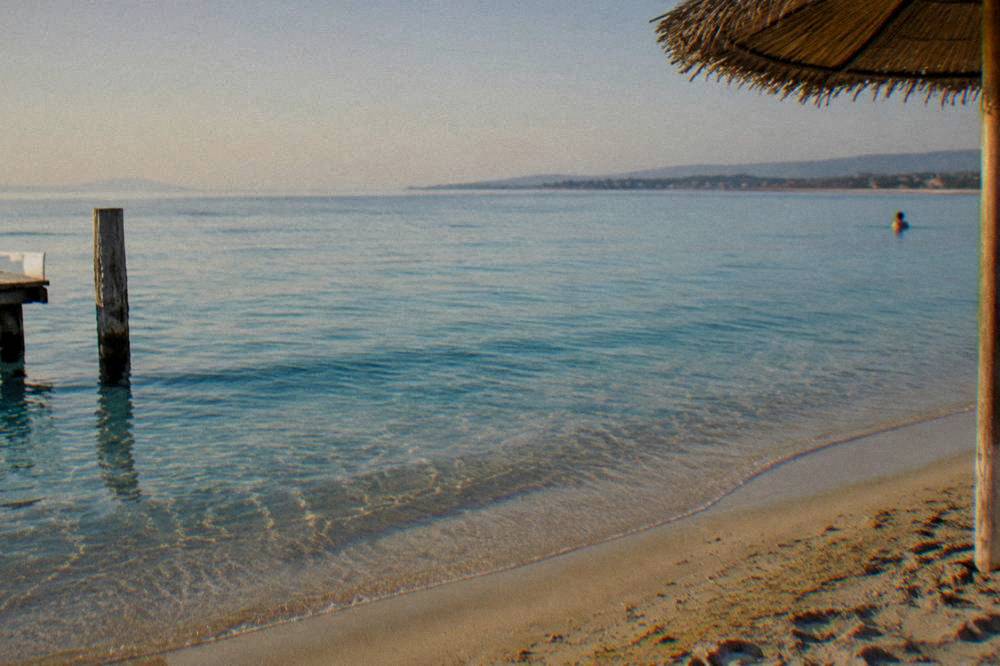
Swimming belongs on the peninsula side of this day, not the city side. The Nea Paralia in Thessaloniki is a promenade, not a beach, and the designated swim spots sit at Perea, Agia Triada and Epanomi or out in Halkidiki. If the sea rather than the cave is the priority of the day, the alternative is to skip the peninsula drive entirely.
How Much Does Petralona Cave Cost To Visit?
The honest instruction is to check the current Petralona Cave ticket price at the site's own ticket point or with the operator before you go, and to bring cash in euro in case card payment is not available at a rural gate. No figure on this page should be trusted over the price board on the day. What is stable is the currency and the country context: Greece, euro, Schengen member, emergency number 112.
For contrast, the state-run sights around Thessaloniki do publish their prices. The White Tower is 8 euro full and 4 euro reduced from 1 April 2026, per the Museum of Byzantine Culture's own visiting page, and the Archaeological Museum and the Museum of Byzantine Culture are each 10 euro full and 5 euro reduced. Those are city museums with posted tariffs; a provincial show cave operates differently, and the price has moved around enough in secondary sources that no single number deserves printing here.
A rough planning frame for a day that includes the cave, using only figures the sources support:
| Item | Figure | Basis |
|---|---|---|
| White Tower, Thessaloniki | 8 euro full, 4 reduced | from 1 April 2026 |
| Archaeological Museum | 10 euro full, 5 reduced | posted tariff |
| Museum of Byzantine Culture | 10 euro full, 5 reduced | posted tariff |
The free-admission days that apply to state museums, 6 March, 18 April, 18 May, the last weekend of September and 28 October, do not extend to a privately run cave. If your trip lands on one of those days, the better play is the free museum day in the city and the cave on another afternoon.
What Will You Actually See Inside The Cave?
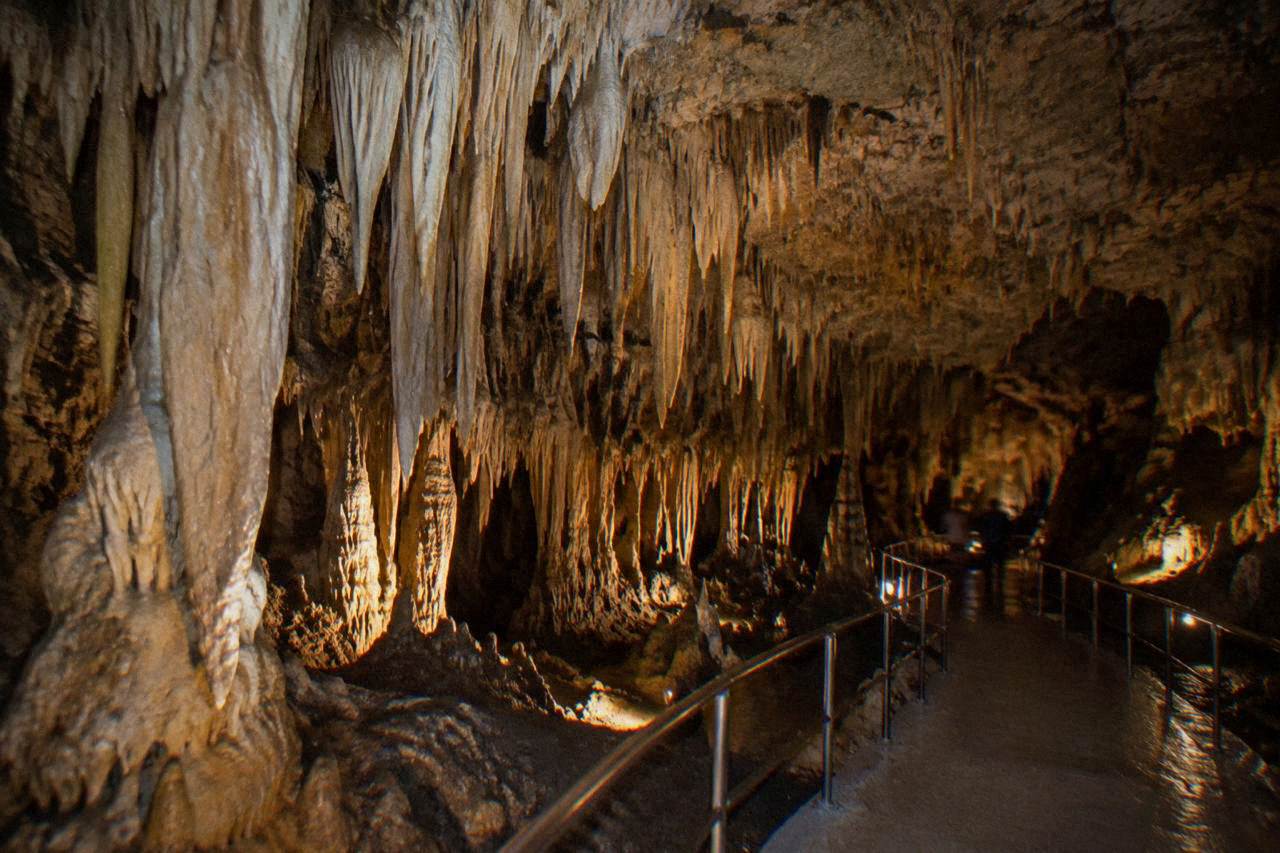
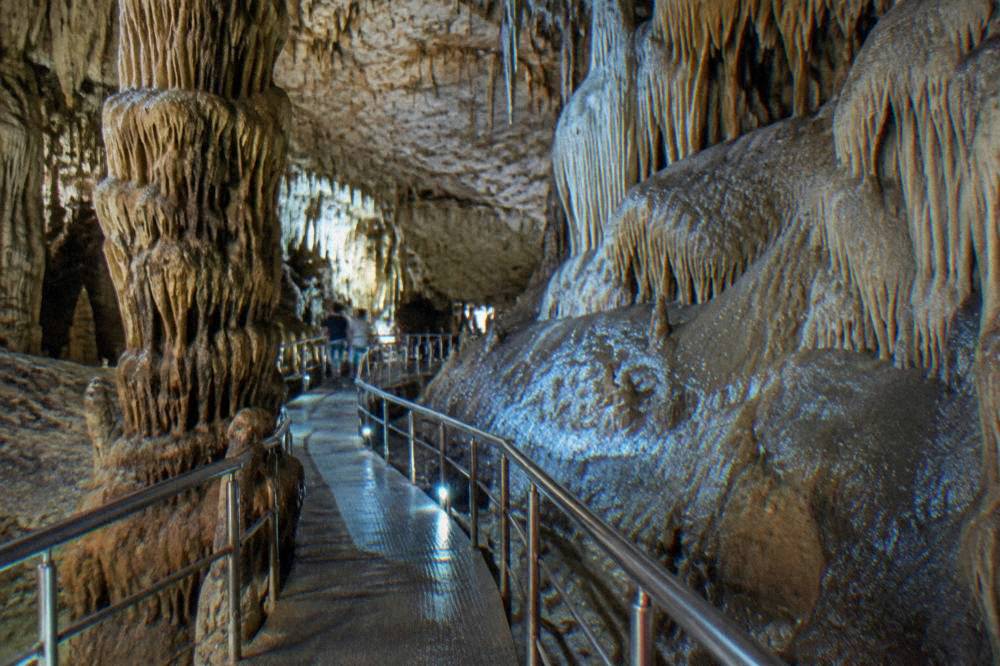
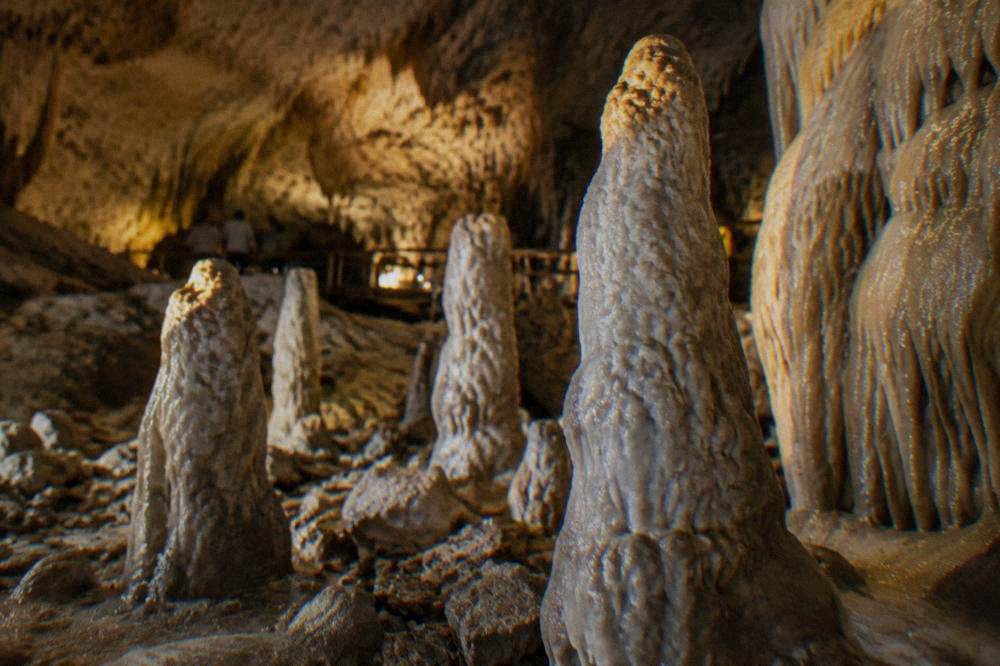
Petralona is a limestone cave visited on a guided walk through chambers of stalactites and stalagmites, the formations the site is known for and the reason for its approved billing as a stalactite stop. The tour format is fixed: visitors move with a guide along the lit route rather than exploring freely, and photography rules, if any, are stated at the entrance. The interior temperature of a limestone cave holds steady year-round, so a light layer is sensible even in July.
Beyond that, this site keeps to what it can support. The cave's fame in older guidebooks rests on human-remains finds and on decades of argument about their age and attribution, and none of that debate is settled in a form this site can print: the claims, the dates and the skull's place in the story are contested, and a travel page that repeats one side of an open scientific argument is doing the reader a disservice. The wider set of guides lives on Thessaloniki Travel Guide.
What can be said plainly is the experience shape. The walk is underground, it is lit, it is guided, and it is short enough to leave half a day spare, which is exactly the property that makes the Halkidiki combination work. Visitors with mobility concerns should ask at the ticket point about the path inside: no accessibility claim for this cave appears in any source this site uses, so the question has to be asked on the spot rather than assumed from a listing.
When Is The Best Time Of Year To Visit Petralona Cave?
The cave itself is temperature-stable, so the season matters mainly for the drive and the rest of the day: summer, when July's mean high at the HNMS Thessaloniki Mikra station, 1959 to 2010, is 31.7 C, pushes visitors toward caves and sea in one trip, while spring and autumn give cooler roads and the same interior. Confirm the cave's opening months before planning a winter visit.
The climate frame for the drive, from the HNMS Thessaloniki Mikra station record, 1959 to 2010:
| Month | Mean high C | Mean low C | Rain mm |
|---|---|---|---|
| April | 19.1 | 7.9 | 36.1 |
| May | 24.6 | 12.6 | 44.2 |
| June | 29.4 | 17.0 | 29.8 |
| July | 31.7 | 19.3 | 23.8 |
| August | 31.4 | 19.1 | 19.3 |
| September | 27.1 | 15.4 | 29.8 |
| October | 21.2 | 11.3 | 43.0 |
Read that as road-and-beach planning data, not cave data. August pairs the highest mean high, 31.4 C, with the lowest monthly rainfall, 19.3 mm, which is the classic cave-in-the-morning, sea-in-the-afternoon month. May carries more rain than August, 44.2 mm against 19.3 mm, but far kinder walking temperatures. The city's autumn calendar also matters: the Thessaloniki International Film Festival ran 5 to 15 November in 2026, and an October or November city stay with a cave afternoon is a genuinely good fit around it.
Timing within the week matters as much as the month. The road into Halkidiki carries heavy weekend leisure traffic in summer, and the computed 55-minute drive assumes free flow. A weekday morning visit, out early and back before the afternoon rush builds, is the low-stress version of this trip in July and August.
What Else Can You Combine With Petralona Cave In One Day?
The realistic pairings are the western Halkidiki beaches and villages, since the cave sits on that road, or a city afternoon back in Thessaloniki; the northern archaeological belt, Pella at about 43 minutes and Vergina at about 62 minutes from the city, runs in the opposite direction and does not combine honestly with the cave in one relaxed day. Distance decides this, and the table above already gives the numbers.
Pairing options in one view:
| Pairing | Direction | Feasibility in one day |
|---|---|---|
| Petralona + Kassandra beaches | south east | strong, shared road |
| Petralona + Afytos village | south east | strong, about 79 minutes to Afytos |
| Petralona + Sithonia (Nikiti) | south east | possible but long, 96 minutes to Nikiti |
| Petralona + city afternoon | loop back | easy, about 55 minutes back |
| Petralona + Vergina or Pella | opposite directions | not recommended |
| Petralona + Loutra Pozar | far north west | two separate days |
For visitors who want the deep dives rather than the combinations, the dedicated pages carry them: Vergina, Pella, Edessa, Lake Kerkini and Loutra Pozar. Each of those is a full day in its own right under the drive times above. The thermal baths at Loutra Pozar sit about 100 minutes out, nearly double the cave's drive, and no bath price appears in a usable source here.
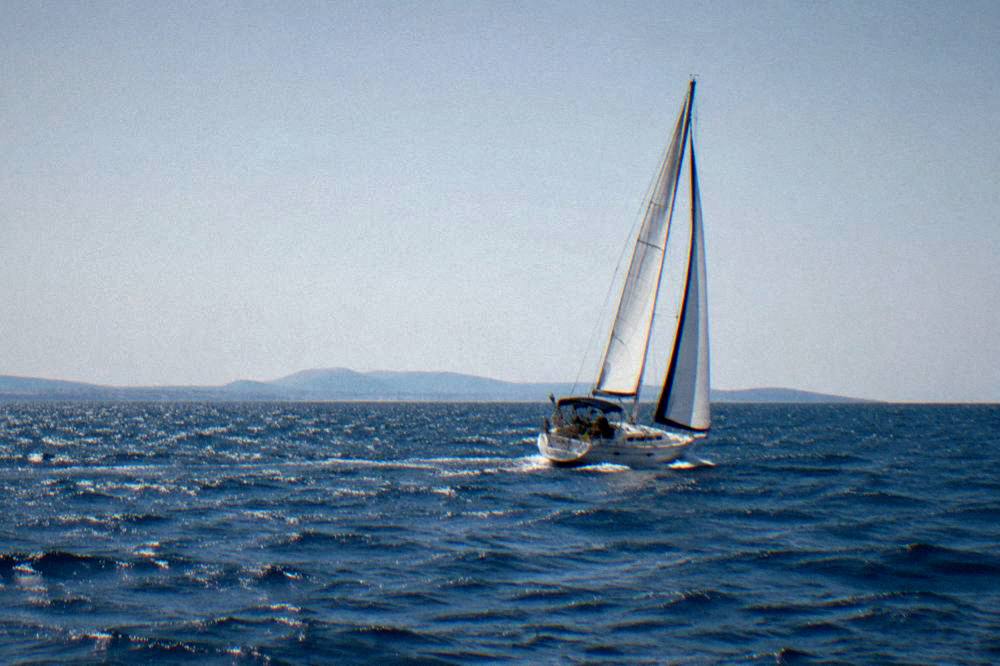
There is also a maritime alternative worth naming, because the cave and the sea use the same planning slot. Thessaloniki is a coastal city on the Thermaic Gulf, and a half-day sailing cruise out of the city covers the sea side of a Halkidiki itch without any long drive at all.
Is Petralona Cave A Good Trip With Children?
Families planning around nap times or short attention spans should call ahead rather than trust a listing's summary. The rule this site applies to itself is worth applying to the cave too: where the figure is not on an official page, it is a question for the day, not a paragraph on a website.
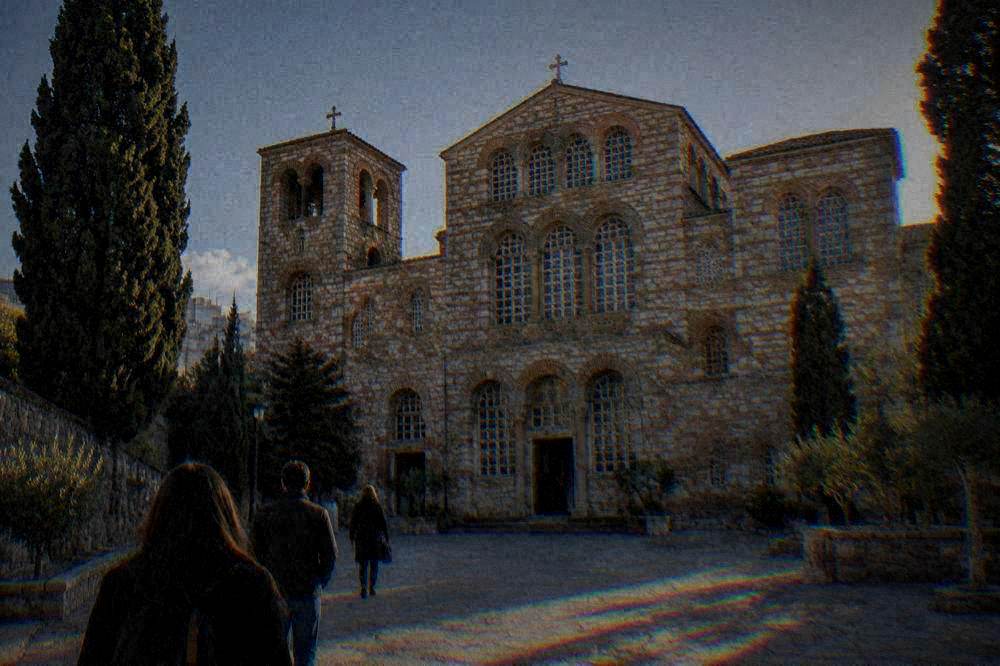
The fallbacks are strong. Perea, about 28 minutes from the city, Agia Triada and Epanomi, about 36 minutes, are the nearest designated swimming spots, and the city itself is generous with free sights: the working churches, including the Church of Saint Demetrius, are free to enter and open outside services. A cave-and-beach day with children can end at Perea on the way back rather than pushing all the way into Halkidiki.
How Do You Get To Petralona Cave Without A Car?
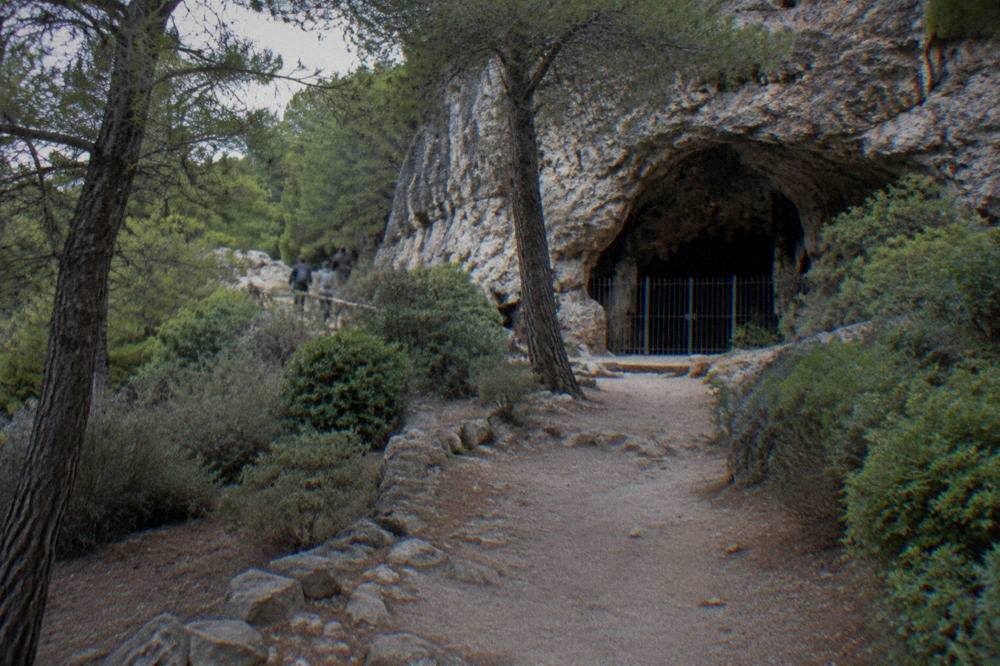
Petralona Cave is primarily a drive or a tour-vehicle destination, about 55 minutes by road from Thessaloniki, and anyone without a car should either rent one or book a day trip that includes the cave as a stop, confirming the itinerary at booking. The KTEL intercity network serves the region, but no specific line and stop is tied to the cave entrance.
What the transport facts do support, in the other direction, is the city end of any trip. The metro is open: Line 1 has run since November 2024, and the Kalamaria extension was inaugurated on 27 August 2026. The basic metro ticket is 0.60 euro and the daily ticket 2.50 euro, per the Thessaloniki Metro's own ticket page, running 05:15 to 00:30 Sunday to Thursday and 05:15 to 02:00 Friday and Saturday. That gets a visitor to a departure point in the centre in the morning, but it does not get them to a limestone hill in Halkidiki's approach.
For car-based travellers, the rental picture is on the Thessaloniki car rental page of this site's wider coverage, and the drive itself is ordinary Greek provincial road: about 53 km, signposted toward the Halkidiki neck, with fuel and supplies in the towns along the way. Allow more than the computed 55 minutes in July and August, and check the return leg before dark if the plan includes a peninsula afternoon, since the same road carries the weekend traffic back to the city.
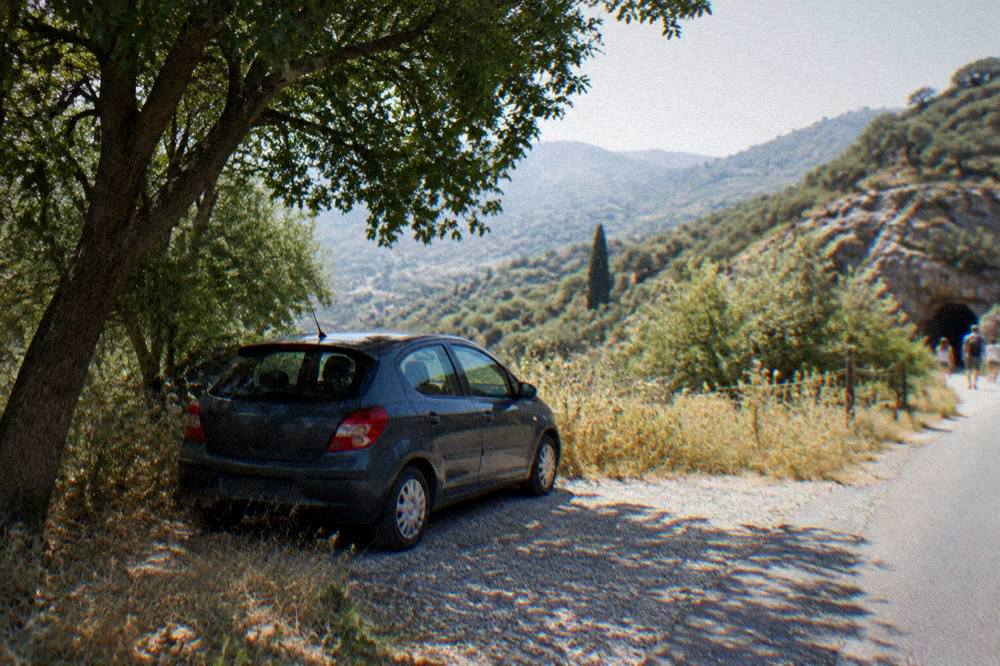
With the logistics settled, the choice of day comes down to taste. The cave in the morning, Kassandra in the afternoon, and the Thermaic Gulf on the horizon on the drive home, is the classic version. The sailing cruise below, the city walk and the food tour are the other three ways this site's roster covers a Thessaloniki day out, and each of them skips the drive entirely.
Common Questions About Petralona Cave Near Thessaloniki
How far is Petralona Cave from Thessaloniki?
Petralona Cave is about 53 km by road from Aristotelous Square in Thessaloniki, a free-flow drive of about 55 minutes. Summer weekend traffic toward Halkidiki can extend that, so leave a buffer on either end.
What is the ticket price for Petralona Cave?
Check the current price at the site's own ticket point before you go, and carry cash in euro in case card payment is unavailable at the gate.
Can you visit Petralona Cave and Halkidiki on the same day?
Yes. The cave sits on the approach to the Halkidiki neck, about 60 km from the city to the Nea Moudania gateway. A morning cave tour followed by an afternoon on Kassandra, about 86 km from Thessaloniki, is a realistic single-day plan.
Do you need a guided tour inside Petralona Cave?
Yes, visits are conducted as guided tours along the lit route rather than as free exploration, and admission stops before closing time. Tour schedules and last-entry rules change by season, so confirm them locally on the day.
Is Petralona Cave open all year?
Confirm the opening months and hours directly with the site before planning a winter visit; summer visits are the well-established pattern.
What should you wear inside the cave?
A light layer is sensible. Limestone cave interiors hold a steady temperature through the year, so the cave feels cool against a July mean high of 31.7 C on the HNMS Thessaloniki Mikra station record, 1959 to 2010. Footwear with grip suits the lit walkway.