Loutra Pozar: Hot Springs Under A Waterfall
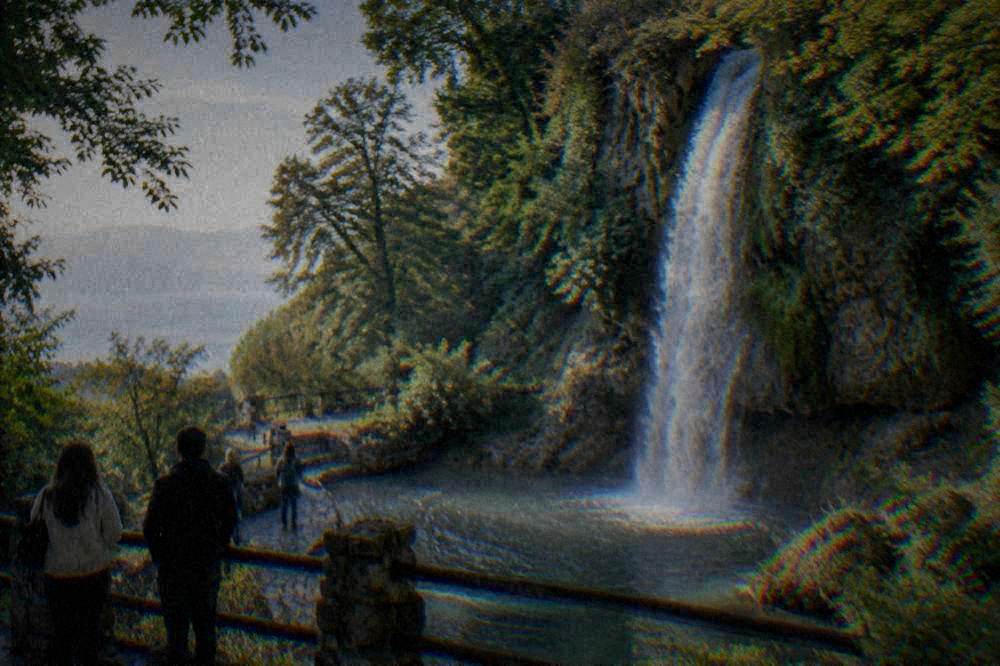
Loutra Pozar is a thermal-spring spa village about 100 minutes by road from Thessaloniki, in the mountains of Pella above Edessa, where hot mineral water fills indoor and outdoor pools right beside a small waterfall.
Short answer
Loutra Pozar lies about 111 km and 100 minutes by road from Thessaloniki.
Loutra Pozar is a spa village in the Pella mountains of Central Macedonia, about 111 km and 100 minutes by road from Thessaloniki, where naturally hot mineral water fills pools built into the foot of a wooded cliff and a small waterfall pours cold mountain water a few steps away. The site sits above the town of Edessa, which itself holds another famous set of waterfalls, and together the two make one of the most satisfying day trips out of Greece's second city.
What Are The Pozar Thermal Baths Near Thessaloniki?
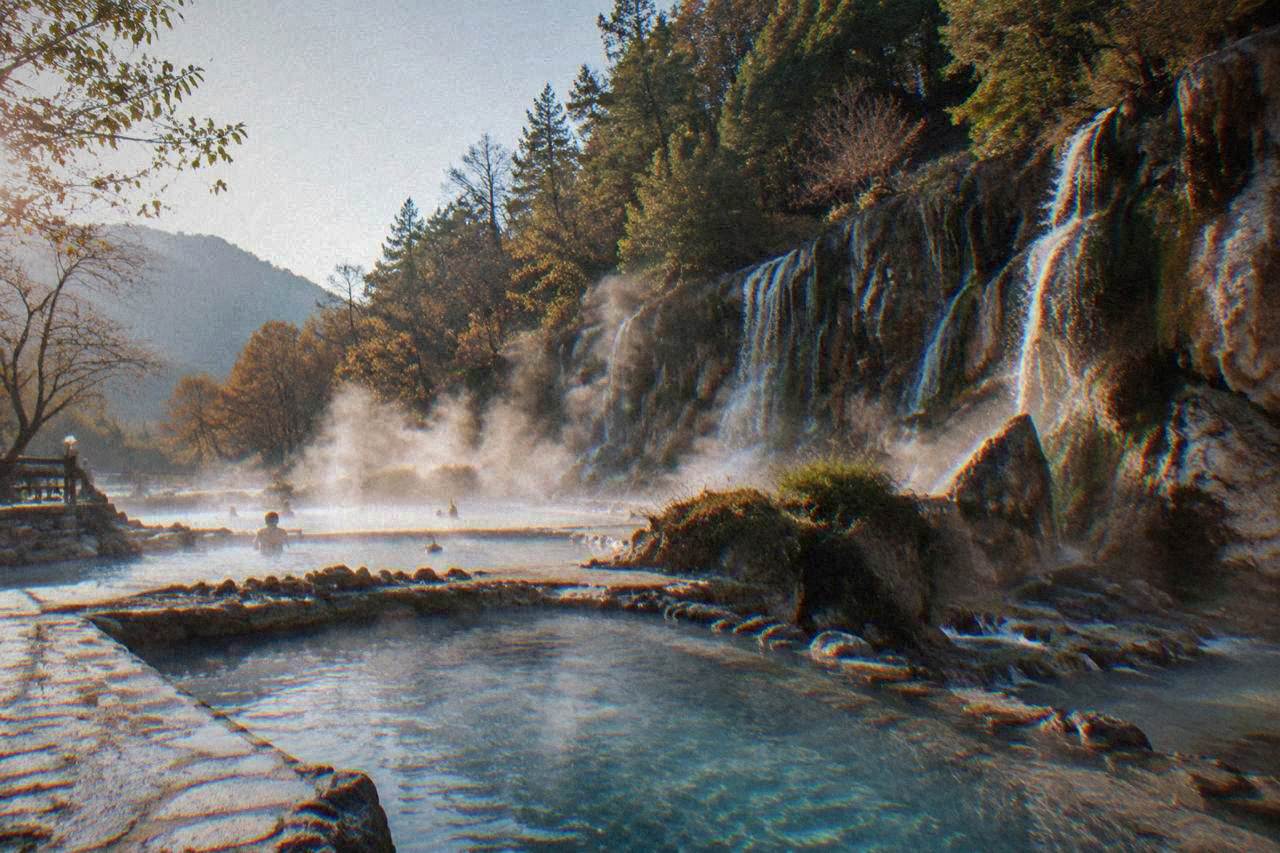
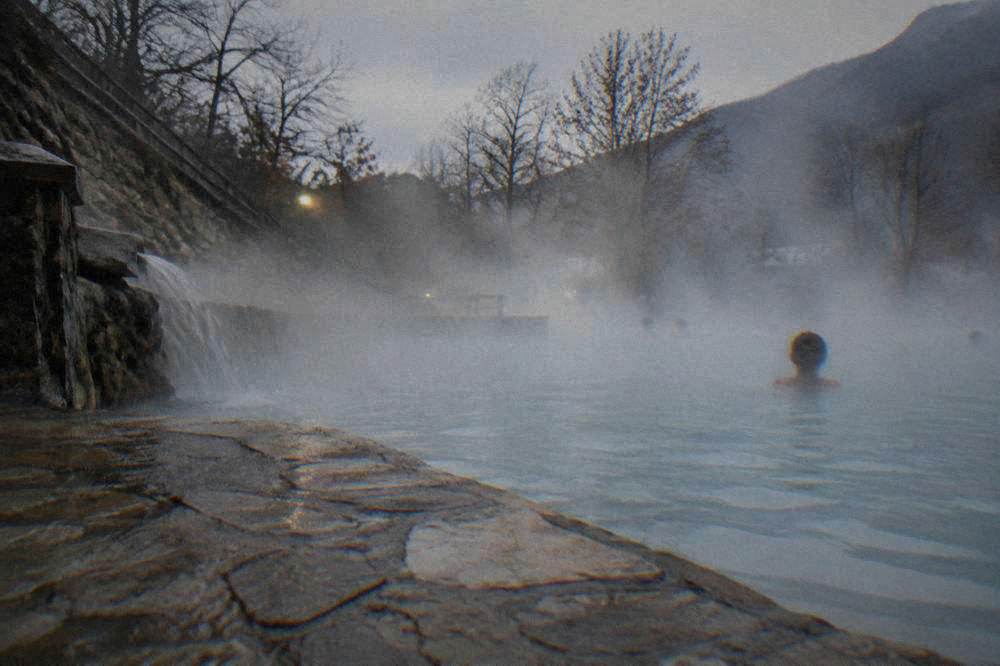
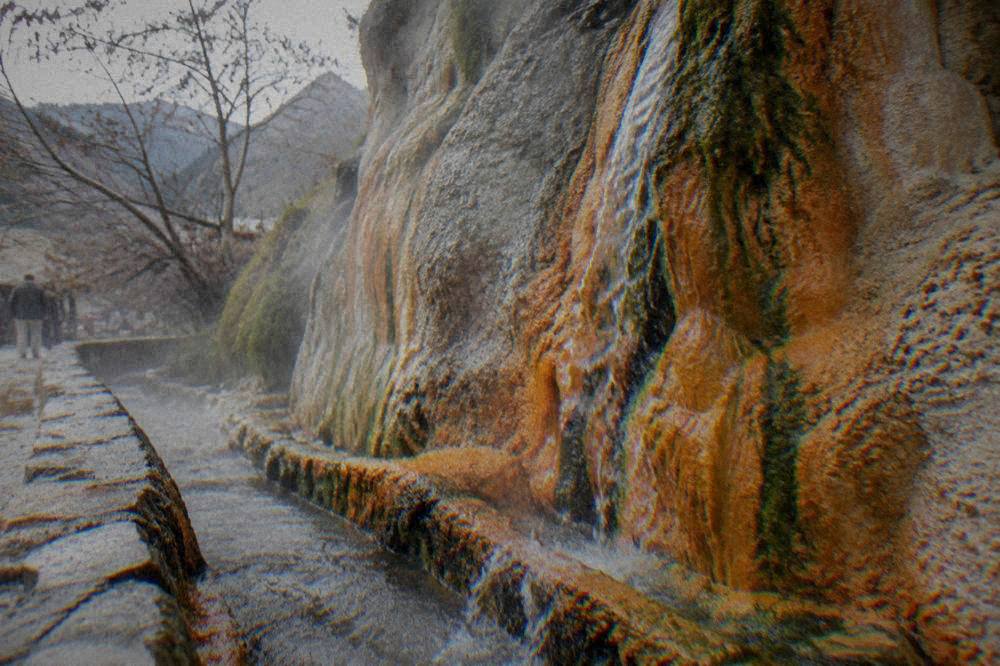
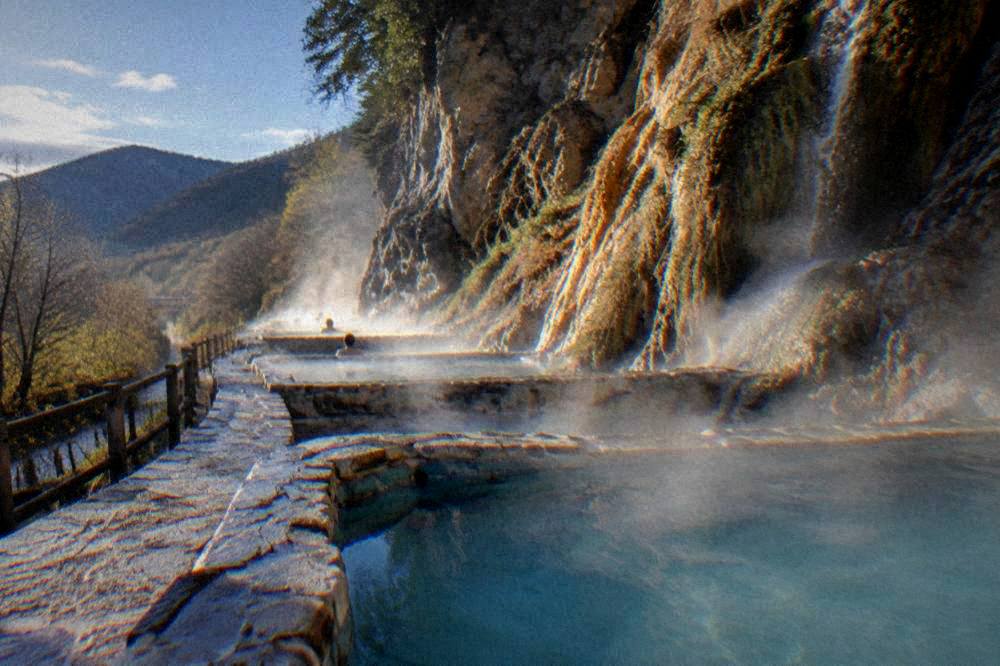
The Pozar thermal baths are a purpose-built spa complex at Loutraki in the municipality of Almopia, Pella, where hot spring water at reported temperatures around 37 C feeds indoor pools, outdoor pools and private bathtubs cut into the rock beside the Agios Nikolaos stream and its small waterfall.
The name is double-barrelled in everyday Greek usage. "Pozar" comes from the Slavic word for a burnt or charred place, a reference the local municipality uses in its own material, and "Loutra" simply means baths. The village is also called Loutraki Aridaias, after the nearby town of Aridaia, and you will see all three names on road signs between Thessaloniki and the springs. Pick one spelling in your notes and stick to it, because mapping apps return slightly different pins for each.
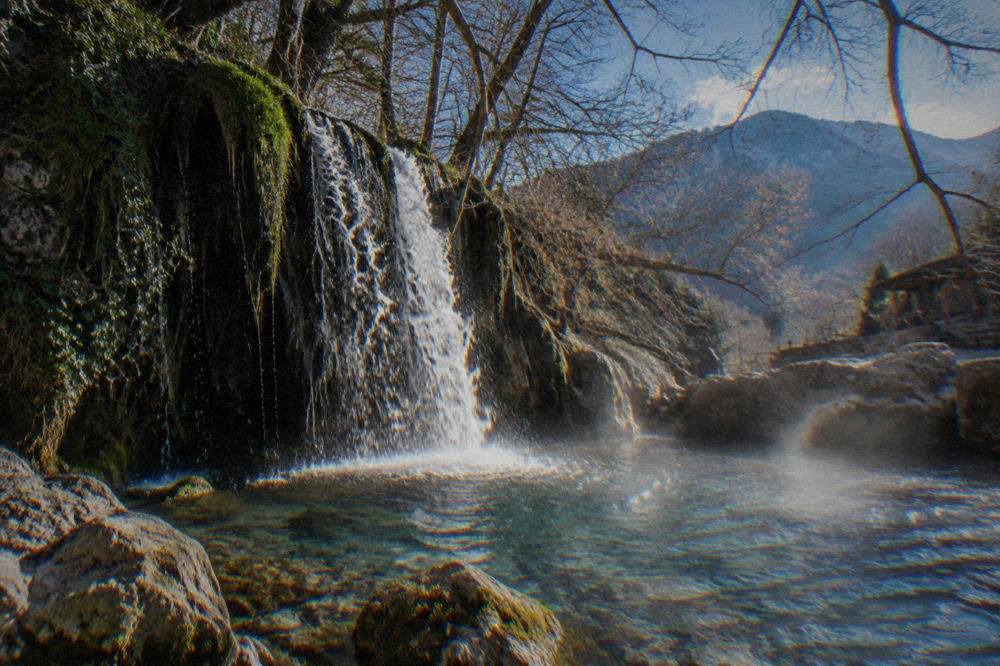
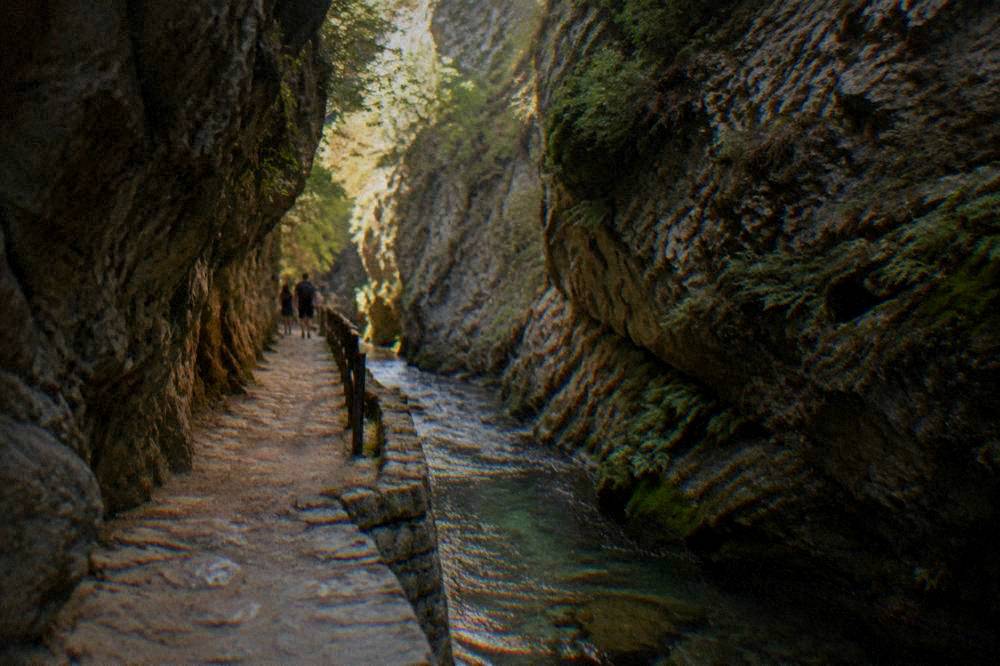
What makes the site unusual for Greece is the setting rather than the water alone. The pools sit in a narrow gorge at the base of a cliff face, with the hot springs on one side of the stream and the waterfall on the other, and a short trail climbs the gorge behind the baths. In winter, when the HNMS Thessaloniki Mikra station record shows mean daily highs of 9.3 C in the city, steam from the outdoor pools is visible from the parking area. The contrast between hot water and mountain cold air is the whole appeal.
The baths should not be confused with other thermal springs in northern Greece, of which there are several. Pozar is the one commonly combined with a Thessaloniki trip because it is the nearest major bathing complex to the city that sits in genuine mountain scenery, about 100 minutes by road from Aristotelous Square, computed over free-flow routing.
How Far Is Loutra Pozar From Thessaloniki And How Do You Get There?
Loutra Pozar is about 111 km from Aristotelous Square in Thessaloniki, about 100 minutes of driving in free-flow conditions, and the route runs north on the A1 motorway toward Edessa before branching into the mountains of Almopia. There is no rail station at the baths; the practical options are a hire car, an intercity bus toward Edessa or Aridaia with onward connection, or a guided day trip.
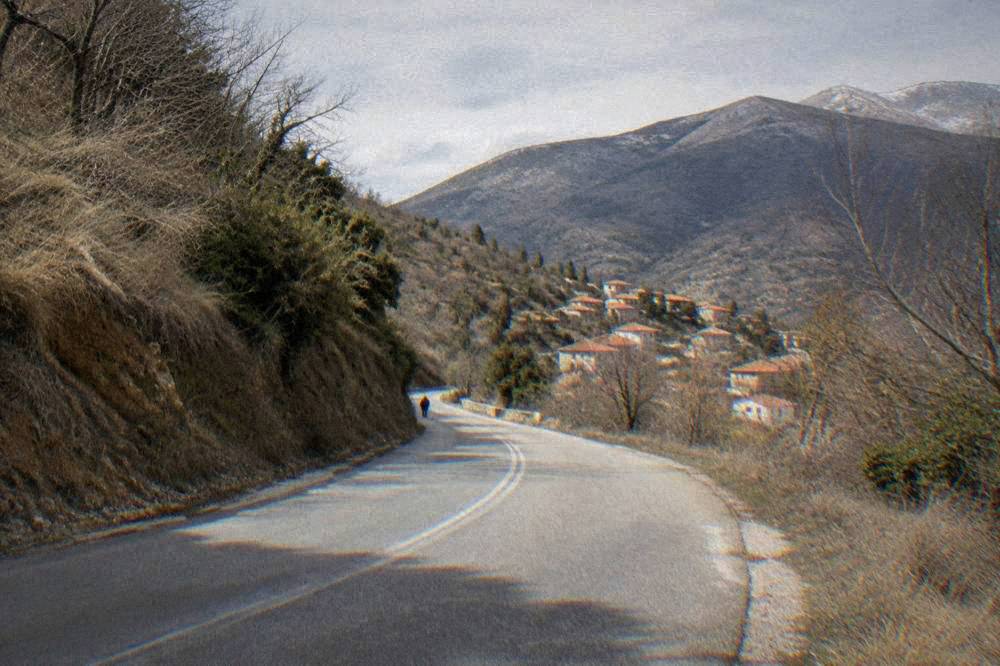
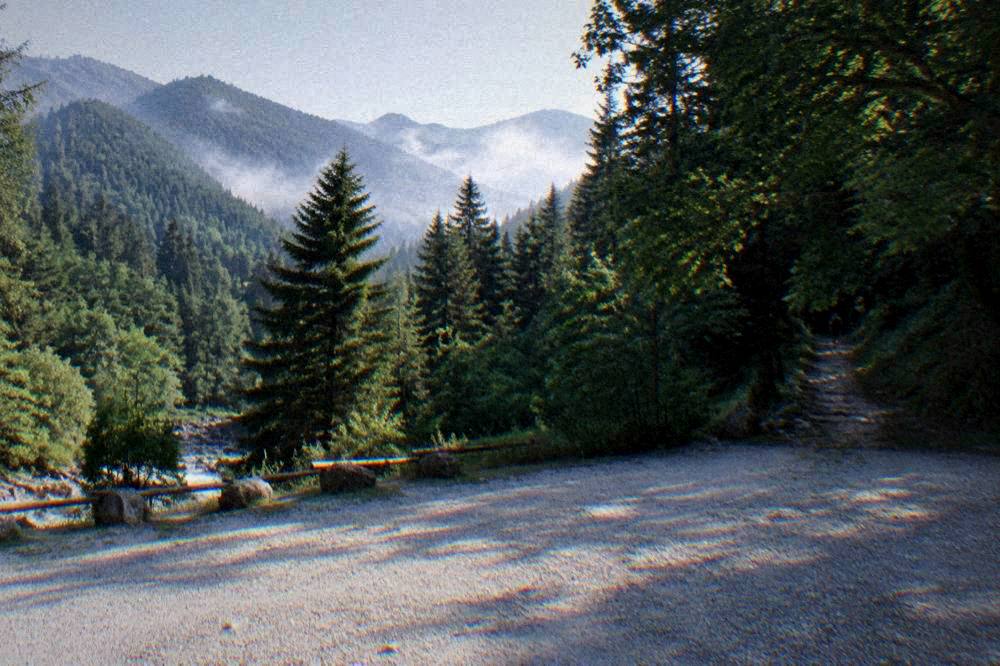
The drive breaks into three legs. The first is motorway: Thessaloniki to the Edessa area is fast dual carriageway for the bulk of the distance. The second is the regional road climbing through the Pella upland, past orchards and the villages of Almopia. The third is the final gorge road into Loutraki, which is short, winding and occasionally narrow, so the free-flow figure of about 100 minutes deserves a buffer in winter or in rain. Free-flow times assume no traffic, no parking search and no stops, so treat them as a floor rather than a promise.
| Leg of the journey | Approximate character | Notes |
|---|---|---|
| Thessaloniki to the Edessa junction | Motorway, the bulk of the distance | Fast, signed toward Edessa and Florina |
| Edessa junction into Almopia | Regional road through upland villages | Winding sections, allow extra time |
| Final approach to the baths | Gorge road into Loutraki | Narrow in places, parking at the site |
Public transport exists but is not seamless. A hire car or a booked excursion is the plan that removes the connection risk. For the wider picture of the region's roads and stops, the Thessaloniki Travel Guide covers each day trip route separately.
What Does A Day Trip To Loutra Pozar From Thessaloniki Look Like?
A sensible Pozar day from Thessaloniki spends roughly two hours on the road each way, gives the baths two to three hours including the gorge walk, and folds in the Edessa waterfalls, about 82 minutes from Thessaloniki and roughly 30 to 40 minutes further down the valley from the springs, on the way back. Total driving is modest by northern Greece standards, far less than the 154 minutes each way that Meteora demands.
The classic shape of the day is out via the motorway, up into Almopia for the baths, then down to Edessa for the waterfalls and an early evening return. The Edessa waterfall park is reported as free to enter in secondary sources, with the caveat to confirm before you go, and the municipal pages describe illuminated falls and a small water museum among the park's attractions. Our full Edessa waterfalls day trip guide covers that half of the day in detail.
Two timing choices matter. Decide whether the baths come first or second: baths first means you walk the gorge while dry, then drive down to Edessa; baths second means a hot soak at the end of a walking day, which in the colder months is the better order.
The mountain setting also changes what to pack. Even in a month when the city feels mild, the Pella upland runs cooler, and the walk between the pools and the waterfall is on wet stone.
How Much Do The Pozar Thermal Baths Cost And When Are They Open?
The official sources used for this site do not state a price for the Pozar baths, so the honest answer is to check the current price at the site's own ticket counter or with your tour operator before booking. The baths operate year round, with indoor pools in continuous use and outdoor pools in demand through winter, and reported water temperatures sit around 37 C, a figure to confirm on site.
The reporting rule matters here because prices for thermal baths in Greece are set by local authorities and change without much notice. Several secondary pages circulate figures for entry, private tubs and the hotel spa, none of them confirmed on an official page, and a guide that printed one would risk being wrong by the time you travel.
What can be stated plainly is the structure of the site. There are indoor communal pools, outdoor pools fed directly by the springs, individual bathtubs for private bathing, and a walking gorge behind the complex. Stays anywhere in Greece carry the climate resilience fee, collected by the accommodation, charged per room per night, and higher from April to October.
One more practical note: the emergency number across Greece, as across the EU, is 112, and the Pozar gorge has mobile coverage in the main complex area. For a cold-weather visit, the HNMS Thessaloniki Mikra station record, 1959 to 2010, puts January mean lows at 1.5 C in the city, and the mountains run colder still, which is exactly the condition the outdoor pools are built for.
Can You Combine Loutra Pozar With Edessa, Vergina Or Pella?
Yes, and the geography favours it: Edessa is about 82 minutes from Thessaloniki and sits directly below the springs, Vergina is about 62 minutes from the city and about 68 km by road, and the Pella museum is about 43 minutes out, so a two-stop day such as Pozar plus Edessa or Vergina plus Pella is the standard plan. Attempting all four in one day is not realistic with bathing time included.
The pairs that work are the ones the road order allows. Pozar and Edessa form the natural pair, valley neighbours on a single route out of Thessaloniki. Vergina and Pella form a second pair on a different axis, the ancient-Macedonia axis: the Museum of the Royal Tombs of Aigai at Vergina, with a reported ticket of about 20 euro full and 10 euro reduced, and the Pella museum at a reported 10 euro, with a reported combined ticket of about 15 euro, all figures to confirm before you go. Mixing the two axes in one day means three hours of extra driving.
| Day trip combination | Approximate road distance from Aristotelous Square | Approximate free-flow time | Fit |
|---|---|---|---|
| Loutra Pozar alone | 111 km | 100 min | Relaxed half-plus day |
| Pozar plus Edessa waterfalls | 111 km out, Edessa on the return | 100 min each way | The classic pairing |
| Vergina plus Pella | 68 km to Vergina, Pella between | 62 min to Vergina, 43 min to Pella | Ancient Macedonia day |
| Pozar plus Vergina | Both under 111 km but on different axes | Roughly 3 hours total driving | Ambitious but possible |
The depth of the ancient options is worth the detour on a separate day. Vergina's royal tombs sit under an earth mound inside the museum itself, and Pella holds the mosaics of Alexander the Great's birthplace. Our pages on Vergina and Pella carry the detail, and Veria, about 52 minutes from Thessaloniki, sits between them if you want a town with Byzantine churches and Ottoman quarters on the loop.
The Naoussa day trip page covers the town.
Is Loutra Pozar Worth It In Winter?
Yes, winter is arguably the strongest season for the baths: the outdoor pools are at their best when the air is cold, the reported 37 C spring water is the point of the trip, and the HNMS Thessaloniki Mikra station record, 1959 to 2010, shows the city itself averaging 9.3 C mean daily highs in January and 10.9 C in December, figures the mountains better. The gorge trail is wetter and colder, so dress for it.
The climate table for the city gives the baseline. Rainfall in Thessaloniki runs 52.8 mm in November and 55.1 mm in December against 19.3 mm in August, and the Pella upland receives its share of that as snow rather than rain at the height of winter. None of that closes the baths; it changes the packing list. Roads are cleared, but the final gorge approach deserves the same winter buffer you would give any mountain road in Greece.
| Month (city record) | Mean daily high C | Mean daily low C | Rainfall mm | What it means for Pozar |
|---|---|---|---|---|
| October | 21.2 | 11.3 | 43.0 | Warm days, cool soaks, quiet gorge |
| December | 10.9 | 3.2 | 55.1 | Steam, possible snow on the heights |
| January | 9.3 | 1.5 | 37.7 | Peak outdoor-pool season |
| March | 14.3 | 4.7 | 37.9 | Melting streams, fuller waterfall |
| July | 31.7 | 19.3 | 23.8 | Cool gorge walk, evening baths |
Figures: HNMS Thessaloniki Mikra station, 1959 to 2010.
The waterfall itself is at its fullest from late winter into spring, when snowmelt feeds the Agios Nikolaos stream, so March and April combine decent bathing weather with the year's strongest water. Summer flips the calculus: the gorge walk is the attraction and the hot pools suit the evening after a day elsewhere, perhaps after the Dion and Mount Olympus park trip on a separate day.
What Else Is Near Loutra Pozar?
The Almopia valley around the baths holds the market town of Aridaia, the upland villages of the Pella mountains, and the approaches to Mount Paiko, while the roads back toward Thessaloniki pass Edessa, the ancient sites of Pella and Vergina, and the wine town of Naoussa, all inside a two-hour radius of the city. The springs are a hub more than a lone destination.
Aridaia is the practical base: a working town with cafés and shops, a short drive below the baths, and the place to buy anything the gorge kiosks lack.
For comparison, the other long mountain day trips from the city: Lake Kerkini is about 82 minutes out and about 88 km by road, with boat trips and birdwatching on a reservoir ringed by mountains; the Vergina royal tombs are closer at about 62 minutes; and Petralona Cave, about 55 minutes out toward Halkidiki, is a different kind of underground visit. Each is a full plan in itself and each is described on its own page.
The northern frontier options, Kavala and Philippi, belong to the Apostle Paul itinerary rather than the mountain-spa one. If your trip leans toward antiquity, the Thessaloniki day-tour market covers both families of excursion, and the operators' listings carry current prices, ratings and durations that this page deliberately does not type.
Should You Book A Guided Tour Or Drive Yourself?
Drive yourself if you want a long soak, a lazy gorge walk and control of the clock; book a guided tour if you would rather not take mountain roads in winter, want the Edessa waterfalls folded into the same day without planning, or are travelling without a car from Thessaloniki. Both work: the drive is about 100 minutes each way in free-flow conditions, and tours cover the same ground with the logistics handled.
The case for the hire car is flexibility. The baths do not run on a schedule you must hit, and a car lets you linger at the waterfall, add Aridaia, or stop at Pella on the way home. The case for the tour is the last hour of road. The gorge approach is the one stretch of the route that rewards local familiarity, and in January conditions a driver who knows it removes the day's only friction. Tours also handle the ticket queue at the baths, whatever its length on the day, an operational detail no source can predict and none is claimed here.
The featured excursion on this page is the Pozar thermal baths and Edessa day trip from Thessaloniki, which pairs the two halves of the classic day; you can Check availability on the operator's live listing. Its full details are on the Pozar and Edessa day trip tour page, alongside the other northern Greece excursions in our day-trip coverage.
For drivers, the rental practicalities are on the car rental page, and the wider set of city options is in things to do in Thessaloniki. One figure to hold onto: whatever the season, the emergency number is 112.
What Should You Know Before You Go To Loutra Pozar?
Bring swimwear, a towel and shoes that grip wet stone; expect to pay at the counter because no online price is listed; allow about 100 minutes each way from Thessaloniki plus a winter buffer; and treat the reported 37 C water temperature as a figure to confirm on site. The baths suit all seasons, the gorge trail suits dry shoes, and nothing at the site requires advance booking if you drive yourself.
A few details close the planning. Accommodation at the springs exists for overnight stays, and any stay in Greece carries the climate resilience fee, per room per night, higher April to October.
| Question | Answer |
|---|---|
| Distance from Thessaloniki | About 111 km by road from Aristotelous Square |
| Driving time | About 100 minutes each way, free-flow |
| Nearest town | Aridaia, a short drive below the baths |
| Classic pairing | Edessa waterfalls, about 82 minutes from Thessaloniki |
| Reported water temperature | About 37 C; confirm before you go |
| Emergency number | 112 |
The last word on expectations. Pozar is not a luxury spa resort and does not market itself as one; it is a working thermal complex in a beautiful gorge, and its appeal is the elemental pairing of hot spring water and cold mountain stream. Readers who want that pairing, plus a waterfall larger than the gorge's own, should read our Edessa guide next. Readers planning a wider week in the north can chain this trip with Vergina, Pella and Naoussa into a two-day Pella loop with one night in Edessa or Aridaia.
Common Questions About Loutra Pozar Thermal Baths
How far is Loutra Pozar from Thessaloniki?
About 111 km by road from Aristotelous Square, about 100 minutes of driving in free-flow conditions, with a winding final stretch into the gorge.
What are the Pozar thermal baths?
A year-round thermal spa complex at Loutraki in the Pella mountains, with indoor and outdoor pools and private tubs fed by hot mineral springs beside a small waterfall and gorge trail.
How much do the Pozar thermal baths cost?
Check the current price at the counter or with your tour operator before booking.
Can you combine Loutra Pozar with the Edessa waterfalls?
Yes, and it is the classic pairing: Edessa sits directly below the springs, about 82 minutes from Thessaloniki, on the same route home.
Is Loutra Pozar worth visiting in winter?
The reported spring temperature of about 37 C makes winter the signature season for the outdoor pools, and the waterfall is at its fullest from snowmelt in late winter and spring.
How do you get to Loutra Pozar without a car?
Intercity buses run from Thessaloniki toward Edessa and the Pella region with onward connections; schedules change seasonally, so confirm with the operators, or take a guided day trip from the city.
Whether you drive or ride, the Pozar thermal baths are the day trip from Thessaloniki that turns the mountain cold into the point of the journey, and the pair of waterfalls on either side of the day makes the 111 km north feel short.