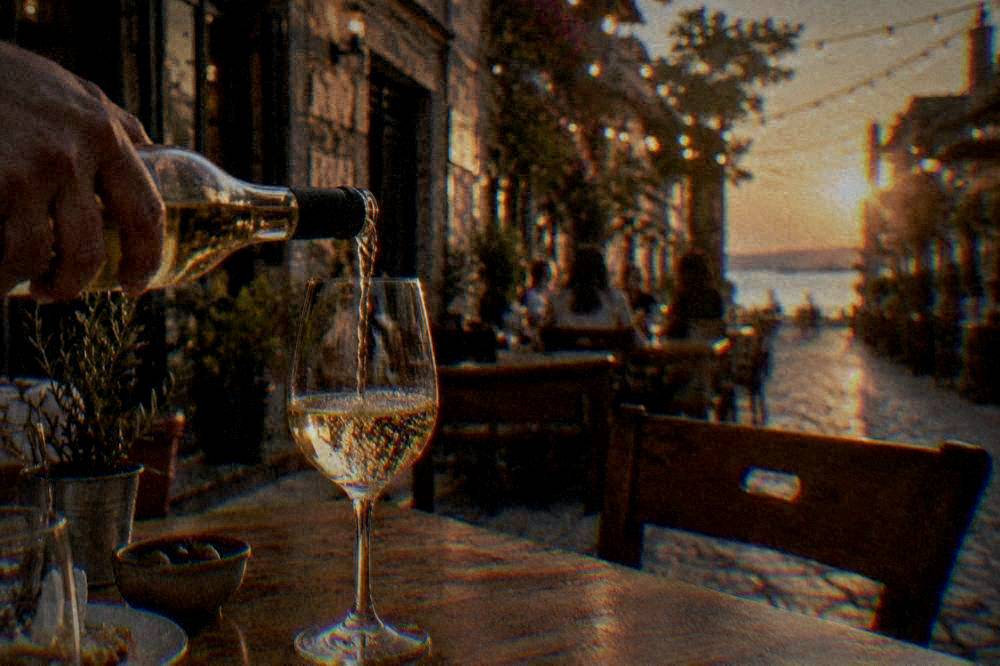
Naoussa: Xinomavro Wine And The Agios Nikolaos Springs
Naoussa sits about 92.3 km west of Thessaloniki, a wine town built on the Xinomavro grape, with a shaded springs park on its edge and the plain of ancient Macedon all around.
Short answer
Naoussa is a wine town in Central Macedonia, about 92.3 km and 76 minutes by road from Aristotelous Square in Thessaloniki, known for Xinomavro red wine and the Agios Nikolaos springs park, and usually combined with Veria, Vergina or Edessa on a day trip.
Naoussa is a small town in Central Macedonia, northern Greece, about 92.3 km west of Thessaloniki, and it earns its place on a northern Greece itinerary for two reasons: it is the heartland of the Xinomavro red wine grape, and it sits on the edge of the Agios Nikolaos springs, a park of plane trees, channels and small waterfalls that the town has turned into its front garden. The drive from Aristotelous Square takes about 76 minutes in free-flow traffic, which puts Naoussa in the same half-day band as Veria and Vergina rather than the long-haul band of Meteora. This page lays out what the town is known for, how to get there, when to go and how it compares with the other day trips you could take from Thessaloniki.
Where Is Naoussa And How Far Is It From Thessaloniki?
Naoussa lies about 92.3 km west of Thessaloniki, roughly 76 minutes by road from Aristotelous Square in free-flow conditions, in the hills at the eastern foot of the Vermio range in Central Macedonia, northern Greece. It is inland wine and orchard country, not coast: the nearest swimming from Thessaloniki itself is at Perea, about 28 minutes south of the city on the Thermaic Gulf, a completely different direction.
The figures above are computed route distances, free-flow, with no traffic, parking or stops included, so treat them as a floor rather than a promise. Veria, the regional town nearest to Naoussa, is about 72.8 km and 52 minutes from Aristotelous Square, and most routes to Naoussa pass through or near it. That geography is what makes the pairing work: a visitor can leave Thessaloniki in the morning, be in Naoussa within an hour and a half, and still be back for dinner on the Nea Paralia promenade. For more on the neighbouring town, see the guide to Veria from Thessaloniki.
The Vermio mountains explain the town. They catch rain and snow, feed the springs that water the plain below, and give the vineyards a slope and a coolness that the flat coastal land around Thessaloniki does not have. Naoussa grew as a market and crafts town on that water, and the wine made from it is what the name now travels on. The town also sits close to the apple and peach orchards of the Imathia plain, one of northern Greece's main fruit-growing belts, and roadside stalls in season are part of the drive's character. Keep expectations shaped that way: Naoussa rewards a slow, low-key day rather than a checklist of monuments.
What Is Xinomavro And Why Does Naoussa Matter For Wine?
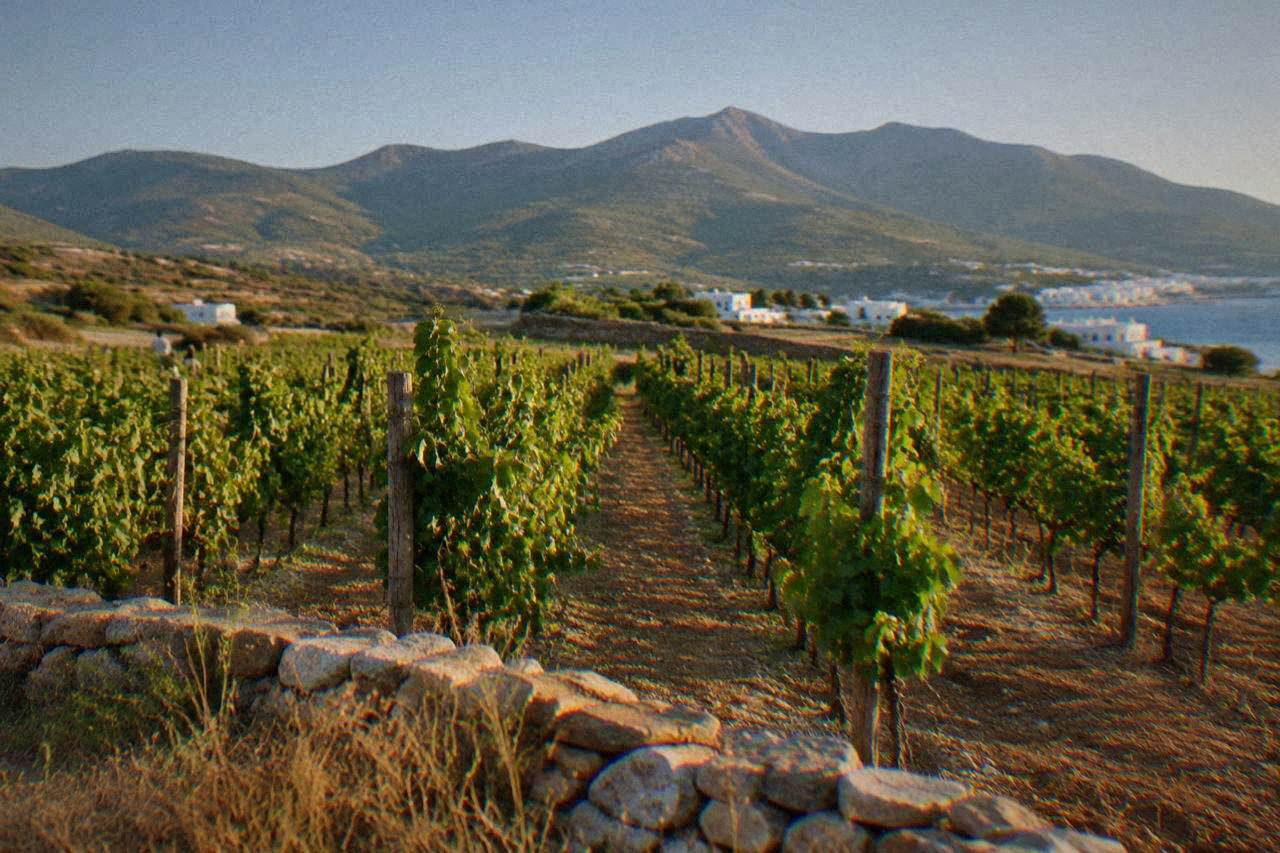
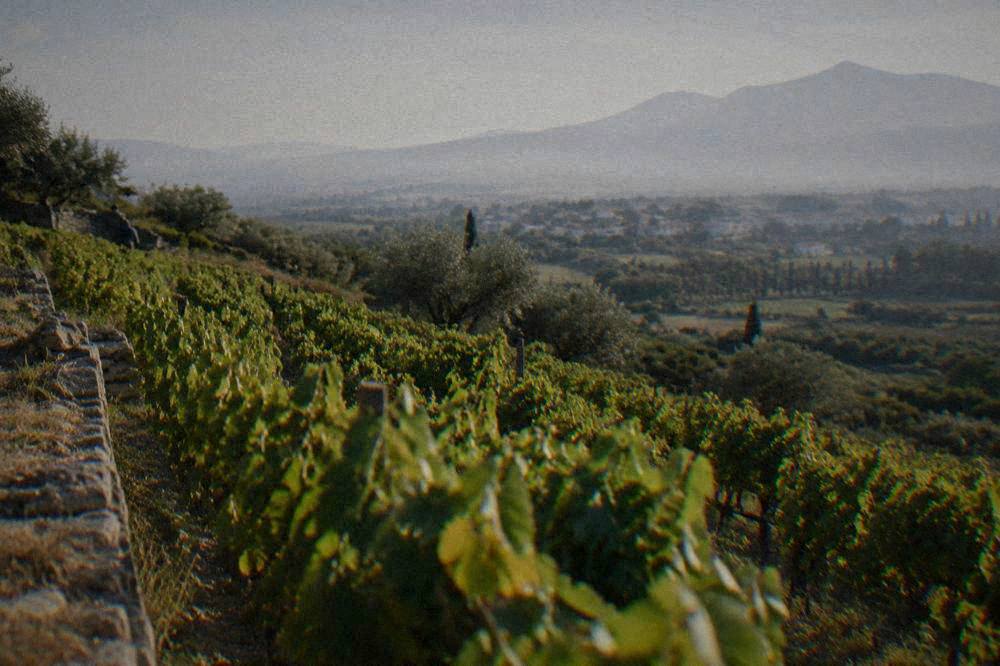
Xinomavro is the signature red wine grape of northern Greece, and Naoussa is the town most closely identified with it: the vineyards around Naoussa produce the Xinomavro on which the area's wine reputation rests, a red known for firm tannins and high acidity that the local wine trade describes as long-lived and food-friendly. Tastings and cellar visits in the Naoussa area are the main reason wine travellers make the trip from Thessaloniki.
The grape is real, the appellation around Naoussa is real, and the region sits inside the broader northern Greece wine country covered in the site's guide to wine touring from Thessaloniki. What the sources do not support is any specific price for a tasting, any named estate presented as a recommendation, or any claim about which producer is the best. Tasting fees and opening arrangements vary by cellar and by season: check with each cellar directly before setting out, and treat any figure you see on a third-party page as unconfirmed until the cellar itself confirms it.
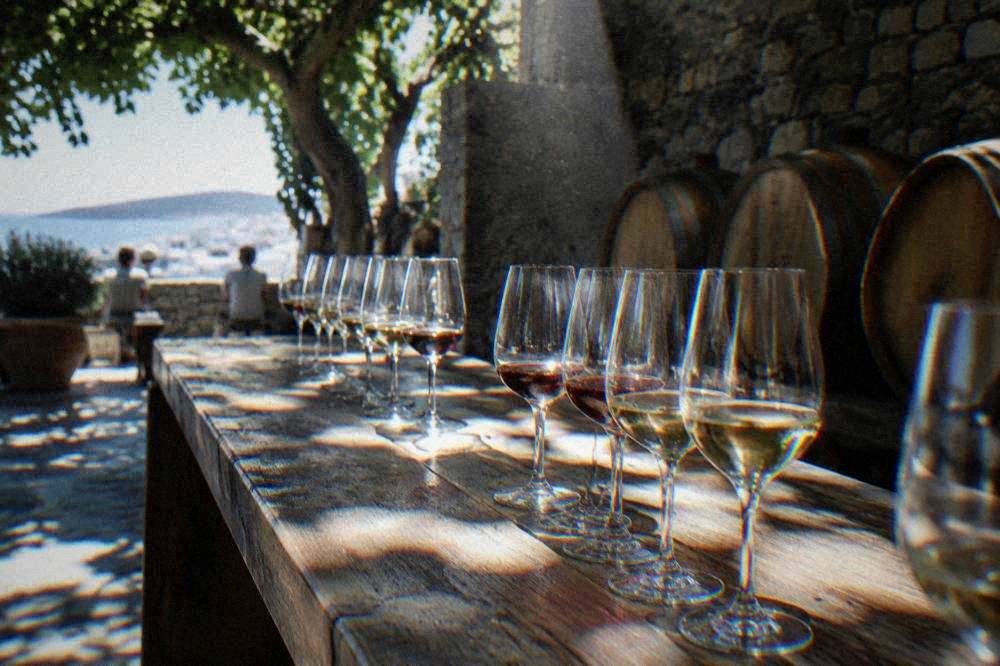
A useful way to think about Xinomavro, staying inside what a general wine profile allows: it is a structured red, closer in feel to the firm northern European styles than to the soft, sun-driven reds of the Greek islands. That structure is why the wine is talked about in terms of ageing, and why food is treated as almost mandatory rather than optional. In Thessaloniki itself, a city whose municipal gastronomy site references UNESCO's Creative Cities Network, Xinomavro from the Naoussa area is a standard local pour, so a day trip to its source doubles as a lesson in what is in the glass back in the city. It also explains why a wine traveller bases in Thessaloniki at all: the city holds the restaurants and the wine lists, while the vineyards sit within a morning's drive in three or four directions, and Naoussa is simply the most storied of those directions.
What Are The Agios Nikolaos Springs At Naoussa?
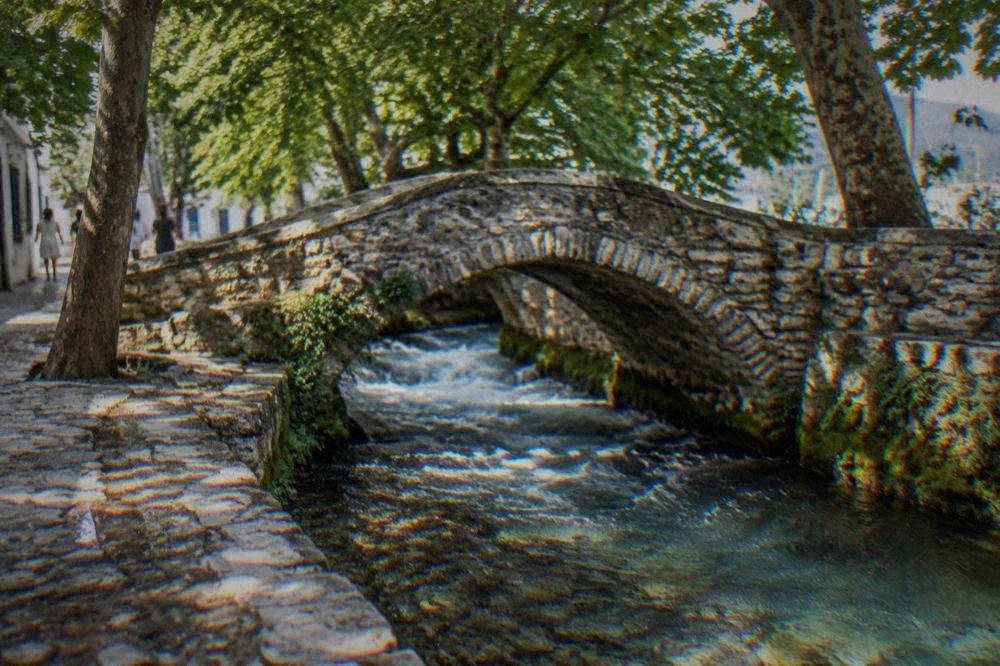
The Agios Nikolaos springs are a landscaped park of plane trees, streams and small water channels on the edge of Naoussa, fed by water running off the Vermio mountains, and they are the town's main non-wine attraction: a shaded walking area of bridges and channels that also appears by name in guided day-trip itineraries from Thessaloniki. Entry arrangements are seasonal, so confirm locally before you build a schedule around them.
The springs are the reason Naoussa feels greener than its latitude suggests. Water leaves the Vermio at a steady temperature year round, which keeps the channels running through summer, and the park around them is the town's default place to walk. A guided trip sold from Thessaloniki, the one that also visits the royal tombs at Vergina and the waterfalls at Edessa, names the Agios Nikolaos park among its stops, which tells you how the site fits into a regional loop rather than as a standalone destination. If a self-guided day appeals less than a guided one, Check availability for that itinerary.
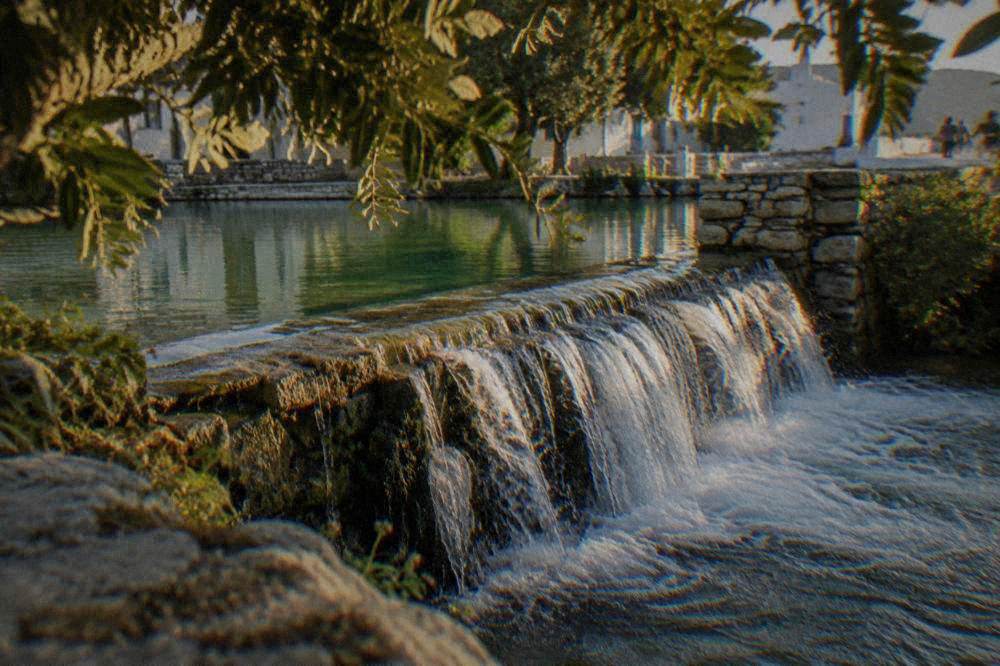
Water is the quiet theme of this whole corner of Macedonia. Edessa, about 82 minutes from Thessaloniki, is a town organised around its waterfalls, with the park around them free to enter, and the Loutra Pozar thermal baths, about 111.4 km and 100 minutes out, put the same mountain water to a different use in hot pools by a river gorge. Naoussa's springs are the mildest expression of the pattern: not dramatic, but cool, shaded and central. Visitors with two spare days can chain them, a Naoussa and Edessa day followed by a Pozar day, and see three faces of the same hydrology, though in that case the Loutra Pozar guide covers what the baths themselves involve.
How Do You Get To Naoussa From Thessaloniki?
The practical answer is a car or a guided tour: Naoussa is about 92.3 km and 76 minutes by road from Aristotelous Square, the route runs west past Veria, and intercity coach services for the wider Imathia region, including Veria and Edessa, depart from the KTEL Macedonia station in Thessaloniki, from where onward connections to Naoussa should be confirmed with the operator before travelling. No train fare or coach fare for this journey can be quoted here.
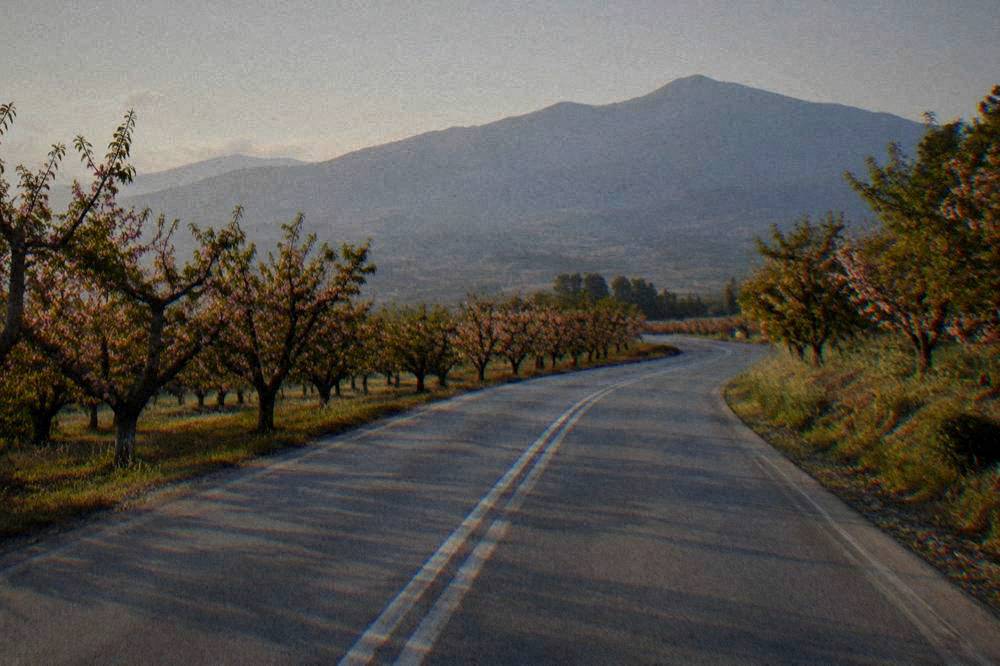
Driving gives you the wine country. The route leaves Thessaloniki on the westbound national road, passes the turn-offs for Pella and Vergina, and climbs gently after Veria into the orchard belt below the Vermio. Within Thessaloniki itself, the metro is the useful tool for reaching the western end of the city where the KTEL and railway stations sit: Line 1 has run from the New Railway Station since November 2024, with the Kalamaria extension inaugurated on 27 August 2026, a basic ticket costs 0.60 euro and a 24-hour metro ticket 2.50 euro per the Thessaloniki Metro's ticket page. Everything else covered here is indexed on Thessaloniki Travel Guide.
If you would rather not drive, guided transport is the other realistic route. One operator runs a loop that pairs the Vergina royal tombs with the Agios Nikolaos park and the Edessa waterfalls in a single day from Thessaloniki, which covers three of the region's headline sights without a hire car. Details of what the trip includes render on the operator's live listing:
When Is The Best Time To Visit Naoussa From Thessaloniki?
The comfortable window for a Naoussa day trip runs from May into October, based on the HNMS Thessaloniki Mikra station table, 1959 to 2010: mean daily highs reach 24.6 C in May, 29.4 C in June and 27.1 C in September, with July the peak month at 31.7 C, and January lows averaging 1.5 C, so vineyard and springs walking suit the warmer half of the year.
Note what that table is: a weather-station record for Thessaloniki, 1959 to 2010, not a forecast and not a Naoussa gauge. Naoussa sits higher and closer to the Vermio, so the town runs cooler than the coastal city in the same week, but no Naoussa station series is available, so the Thessaloniki figures are the honest proxy and are labelled as such.
| Month | Mean daily high (C) | Mean daily low (C) | Rainfall (mm) | Rain days |
|---|---|---|---|---|
| January | 9.3 | 1.5 | 37.7 | 11.5 |
| February | 11.0 | 2.3 | 35.0 | 10.7 |
| March | 14.3 | 4.7 | 37.9 | 12.1 |
| April | 19.1 | 7.9 | 36.1 | 11.1 |
| May | 24.6 | 12.6 | 44.2 | 11.0 |
| June | 29.4 | 17.0 | 29.8 | 7.9 |
| Month | Mean daily high (C) | Mean daily low (C) | Rainfall (mm) | Rain days |
|---|---|---|---|---|
| July | 31.7 | 19.3 | 23.8 | 6.7 |
| August | 31.4 | 19.1 | 19.3 | 5.1 |
| September | 27.1 | 15.4 | 29.8 | 7.0 |
| October | 21.2 | 11.3 | 43.0 | 9.3 |
| November | 15.5 | 7.1 | 52.8 | 11.0 |
| December | 10.9 | 3.2 | 55.1 | 12.7 |
Figures: HNMS Thessaloniki Mikra station, 1959 to 2010. The annual rainfall total in that record is 444.5 mm, with December the highest month at 55.1 mm and August the lowest at 19.3 mm. Autumn brings its own draws to the region: the Dimitria festival is reported to have run 1 to 26 October in its 2026 edition, and the Thessaloniki International Film Festival ran 5 to 15 November in 2026, so a Naoussa day can sit inside a festival stay without conflict.
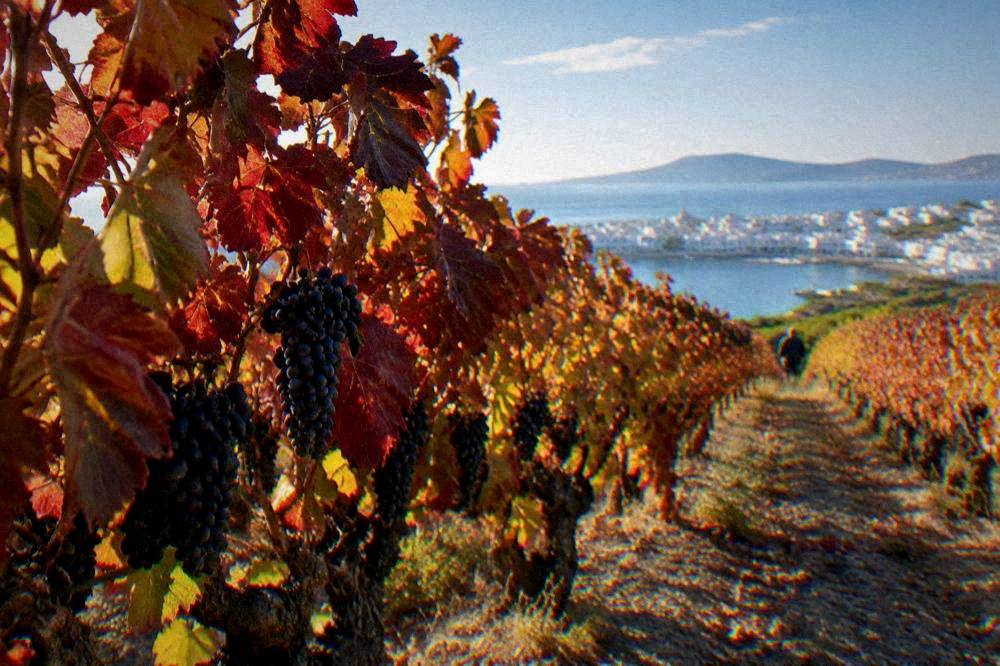
Two seasonal notes follow from the same table. Rain days fall to 5.1 in August and 6.7 in July, the two most reliable months for a fixed-plan outdoor day, while October sits at 9.3 rain days and 43.0 mm of rain, still workable but worth a morning-of check. And because the vineyard year matters to a wine town, autumn visits catch the tail of harvest colour on the vines even though no harvest date or festival date for Naoussa has been announced, so plan around the grape, not around an event you cannot yet confirm.
How Does Naoussa Compare With Other Day Trips From Thessaloniki?
Naoussa is a mid-length day trip, at about 92.3 km and 76 minutes each way, longer than Veria at 52 minutes and Pella at 43 minutes, shorter than Meteora at about 227.5 km and 154 minutes, and its character is wine, water and orchards rather than beaches or monasteries, which is what separates it from the Halkidiki peninsulas to the south and the ancient Macedon sites of the plain.
The comparison table below is built from computed free-flow drive times and distances from Aristotelous Square, with no traffic or stops included. Distances are one way.
| Day trip | Distance from Aristotelous Square | Drive time (about) |
|---|---|---|
| Pella (Archaeological Museum) | 45.7 km | 43 min |
| Veria | 72.8 km | 52 min |
| Naoussa | 92.3 km | 76 min |
| Vergina (Royal Tombs of Aigai) | 68.0 km | 62 min |
| Edessa (waterfalls) | 90.3 km | 82 min |
| Dion (archaeological park) | 90.1 km | 67 min |
| Kassandra (Kallithea) | 86.2 km | 78 min |
| Sithonia (Nikiti) | 97.2 km | 96 min |
| Meteora (Kalambaka) | 227.5 km | 154 min |
Read that table as a menu, not a ranking. The ancient Macedon cluster of Vergina, Pella and Dion answers a different question from Naoussa: Vergina holds the museum of the royal tombs of Aigai, Pella was the capital of the Macedonian kingdom, and Dion sits under Mount Olympus itself, with the whole Mount Olympus region reachable through Litochoro. The two big Thessaloniki museums that frame that history, the Archaeological Museum and the Museum of Byzantine Culture, each charge 10 euro full and 5 euro reduced per their own visiting pages. Edessa pairs naturally with Naoussa because both sit under the Vermio's water. And the coast, whether Kassandra or Sithonia, is a swim-and-boat day that has nothing in common with a cellar visit; the broad Halkidiki overview covers how those peninsulas differ.
One framing that helps: the region's day trips sort into three belts. West of the city lies history and wine, Pella, Vergina, Veria, Naoussa and Edessa, all inside about 80 minutes. South lies the sea of Halkidiki, from about an hour out. North and southwest lie the mountains and the long hauls, Olympus, the Pozar baths, and beyond them Meteora, which is a full day at about 154 minutes each way and should not be squeezed into the same plan as a wine tasting. Naoussa belongs firmly to the first belt and is the easiest of them to pair with a second stop.
What Could A Naoussa Day Trip Look Like In Practice?
A realistic self-guided day leaves Thessaloniki in the morning, reaches Naoussa in about 76 minutes, spends the middle of the day between a cellar tasting and the Agios Nikolaos springs park, then returns either directly or, more rewardingly, via one stop on the way back, with Veria at 52 minutes and Vergina at 62 minutes from the city as the natural add-ons, keeping the whole loop inside a single daylight window outside the winter months.
The skeleton below is a planning frame, not a timetable with opening hours. Cellar visits should be booked or confirmed ahead, and the springs park's arrangements are seasonal, as noted above.
| Time of day | Stop | What it involves |
|---|---|---|
| Morning, early | Thessaloniki to Naoussa | About 92.3 km by road, roughly 76 minutes free-flow |
| Late morning | Cellar visit near Naoussa | Xinomavro tasting, arranged with the cellar in advance |
| Midday | Naoussa town | Lunch and a walk through the town centre |
| Afternoon | Agios Nikolaos springs park | Shaded walk along the channels below the Vermio |
| Late afternoon | One return stop: Veria or Vergina | Veria town, or the museum of the royal tombs of Aigai at Vergina |
| Evening | Return to Thessaloniki | About 52 to 76 minutes back depending on the final stop |
If that loop looks ambitious, the guided version exists precisely because it is. The combined Vergina, Agios Nikolaos park and Edessa waterfalls trip bundles three of the frame's stops into one organised day, and its figures render from the listing rather than from this page:
For visitors building more than one day trip into a stay, the site's overview of things to do in Thessaloniki and the wine-focused northern Greece wine guide cover the city base and the wider cellar map. Two practical closers apply to any version of this day. First, a morning departure beats a midday one: the return leg, whichever stop it ends with, finishes in the evening, and the metro's 05:15 start and its 00:30 close Sunday to Thursday, 02:00 Friday and Saturday, bracket the whole plan comfortably. Second, anyone staying overnight in Greece pays the climate resilience fee at the accommodation, per room per night and higher from April to October, a local charge that no package price absorbs.
Common Questions About Naoussa
How far is Naoussa from Thessaloniki?
Naoussa is about 92.3 km from Aristotelous Square in Thessaloniki, roughly 76 minutes by road in free-flow conditions, computed over standard routing with no traffic, stops or parking included.
What is Naoussa in Greece known for?
Naoussa is known for Xinomavro, the structured red wine grape that the surrounding vineyards build the area's reputation on, and for the Agios Nikolaos springs park on the edge of town, a shaded area of streams and plane trees fed by the Vermio mountains.
Can you visit Naoussa as a day trip from Thessaloniki?
Yes. At about 76 minutes each way by road, Naoussa fits comfortably inside a day trip, and it combines naturally with Veria, Vergina or the Edessa waterfalls on the same loop. A guided itinerary from Thessaloniki also includes the Agios Nikolaos park alongside Vergina and Edessa.
What is the best time of year for a Naoussa day trip?
May through October is the comfortable window based on the HNMS Thessaloniki Mikra station record, 1959 to 2010, which shows mean highs from 24.6 C in May to 31.7 C in July and 21.2 C in October; Naoussa itself sits higher and runs cooler than the coastal city. Cellar visits and the springs park both suit the warmer half of the year.
Are there beaches near Naoussa?
No. Naoussa is an inland wine town under the Vermio mountains. For swimming from Thessaloniki, the nearest beaches are at Perea, about 28 minutes south of the city on the Thermaic Gulf, and the city's own Nea Paralia is a walking promenade, not a swimming beach.
Do you need a car for Naoussa?
A car or a guided tour are the practical options.