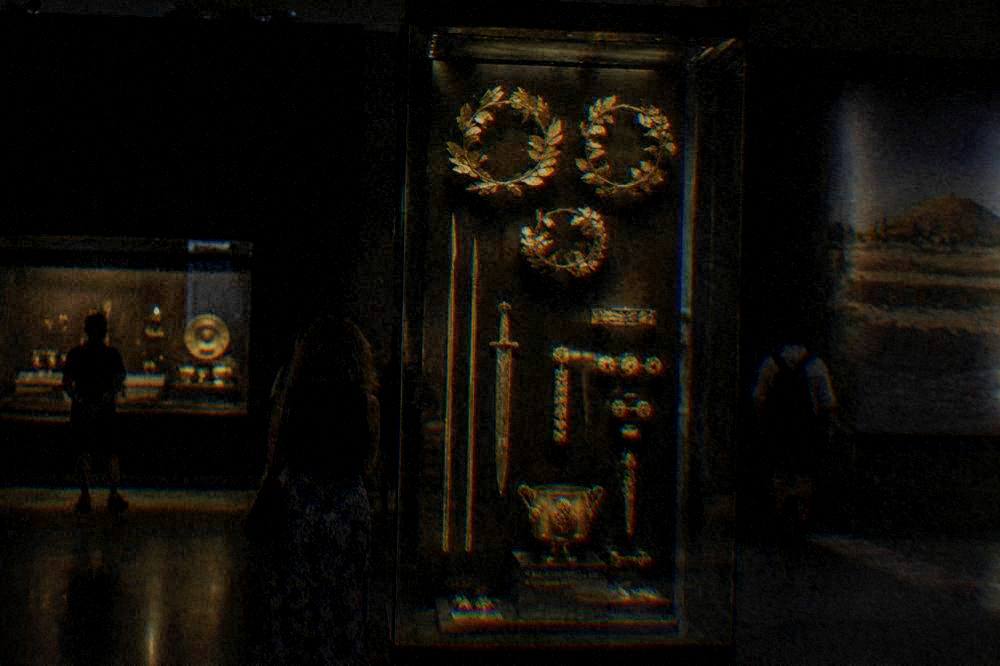
Veria: The Jewish Quarter And Byzantine Churches
Veria sits about 52 minutes by road west of Thessaloniki, close enough for an easy day trip from the second city of Greece, and its old Jewish quarter and clutch of Byzantine churches reward a slower pace than the headline ancient sites nearby.
Short answer
Veria is about 73 km and 52 minutes by road from Aristotelous Square in Thessaloniki. The highlights are the riverside Jewish quarter of Barbouta, the Byzantine churches scattered through the old town, and easy pairings with Vergina or Naoussa on a single day trip.
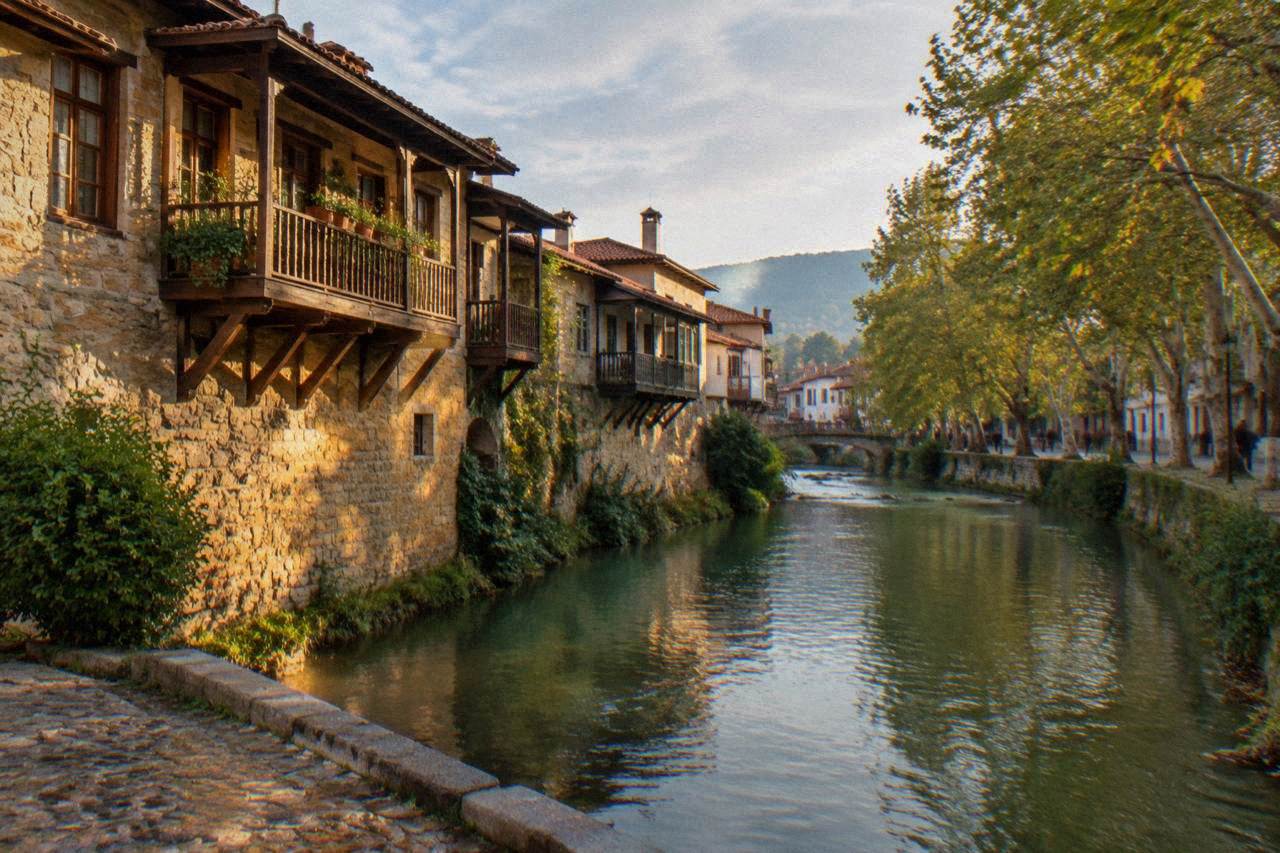
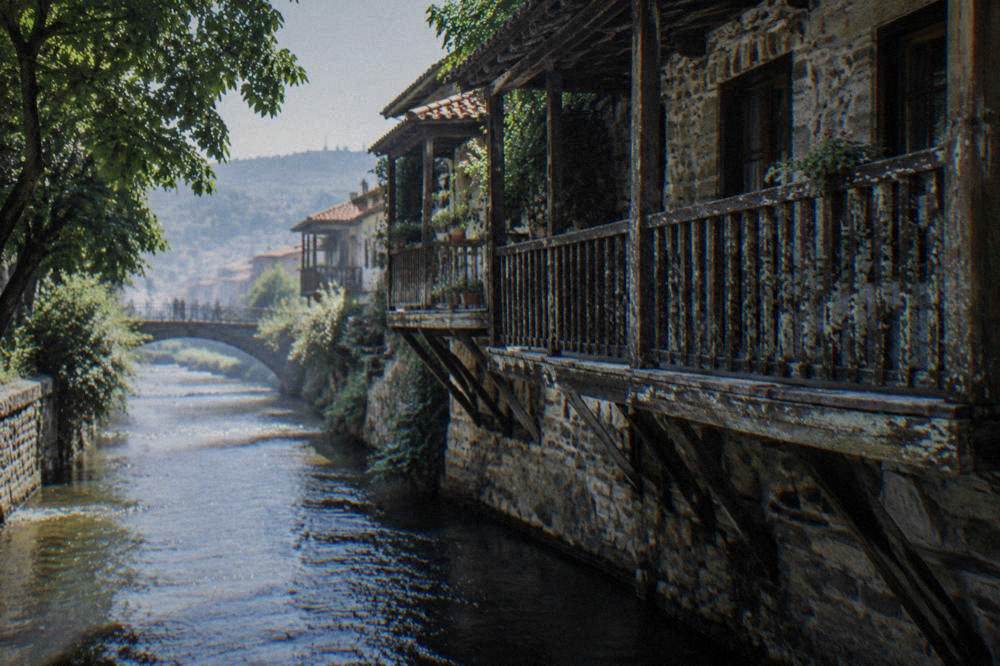
Veria is a small city in Central Macedonia, northern Greece, about 73 km and 52 minutes by road west of Thessaloniki, and it makes one of the easiest day trips on the mainland side of the region. Where Thessaloniki fronts the Thermaic Gulf with its seafront promenade and the White Tower, Veria sits inland on a plateau above the Tripotamos river, a market town with a Roman past, a dense group of Byzantine churches and a Jewish quarter, Barbouta, whose empty synagogues tell the same story of deportation that shaped Thessaloniki itself.
Where Is Veria And How Far Is It From Thessaloniki?
Veria lies about 73 km west-southwest of Thessaloniki, roughly 52 minutes by road from Aristotelous Square in free-flow conditions, computed over OpenStreetMap routing with no traffic, parking or stops included. It sits inland in Central Macedonia, on the eastern edge of the Vermio mountains, and it is not coastal. The same routing puts Vergina at about 62 minutes and Naoussa at about 76 minutes from Thessaloniki, which is why the three combine so readily.
Those drive times are free-flow estimates, so add margin for weekend traffic on the A2 motorway, for parking in Veria's narrow old-town lanes, and for the slower regional roads once you leave the motorway. There is no sea crossing, no island hop and nothing of Halkidiki's peninsula geography involved: Veria belongs firmly to the Macedonian mainland, the same belt of country that holds Pella, Vergina, Dion and the slopes of Mount Olympus further west and south. Thessaloniki itself, for orientation, is the second city of Greece, a coastal city on the Thermaic Gulf whose fifteen Paleochristian and Byzantine monuments were inscribed on the UNESCO World Heritage List in 1988.
| Day trip from Aristotelous Square | Distance by road | Free-flow time |
|---|---|---|
| Pella | 45.7 km | about 43 minutes |
| Vergina | 68.0 km | about 62 minutes |
| Veria | 72.8 km | about 52 minutes |
| Naoussa | 92.3 km | about 76 minutes |
| Edessa | 90.3 km | about 82 minutes |
| Loutra Pozar | 111.4 km | about 100 minutes |
| Lake Kerkini | 88.0 km | about 82 minutes |
The pattern in the table is the useful part. Veria is not the farthest destination in the region, but it sits beside Vergina, whose Museum of the Royal Tombs of Aigai is the marquee ancient site of the area, and beside Naoussa, the wine town of the Vermio foothills. A car makes the triangle easy; the railway and the KTEL intercity buses also serve the corridor, covered further down this page. If you are still sketching the wider northern Greece plan, our northern Greece itinerary guide context and the Thessaloniki Travel Guide homepage collect the full regional picture.
What Can You See In Veria On A Day Trip From Thessaloniki?
The essentials of Veria are the riverside Jewish quarter of Barbouta with its synagogue buildings and overhanging timber balconies, the Byzantine churches scattered through the old town, the viewpoints over the Tripotamos river and the plain, and the town's role as the seat of a Byzantine metropolis whose monuments survive in working churches.
That last point matters more here than in Thessaloniki. The big Thessaloniki museums publish their hours and prices clearly: the Museum of Byzantine Culture lists daily 08:00 to 20:00 in summer on its own visiting page, and the Archaeological Museum of Thessaloniki prints 09:00 to 17:00 with a Tuesday closure only from 1 November to 31 March.
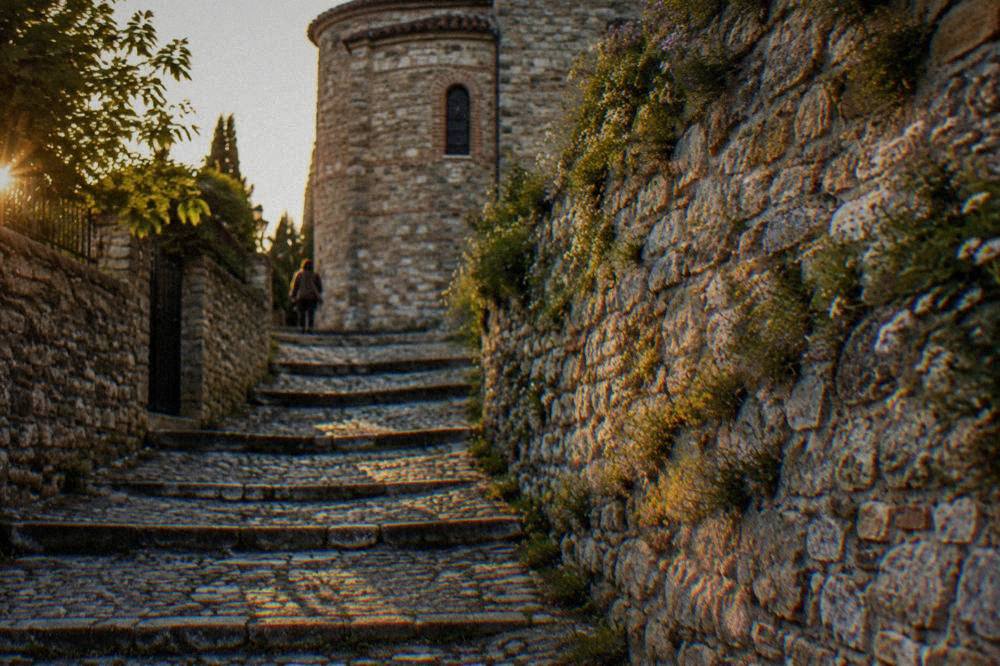
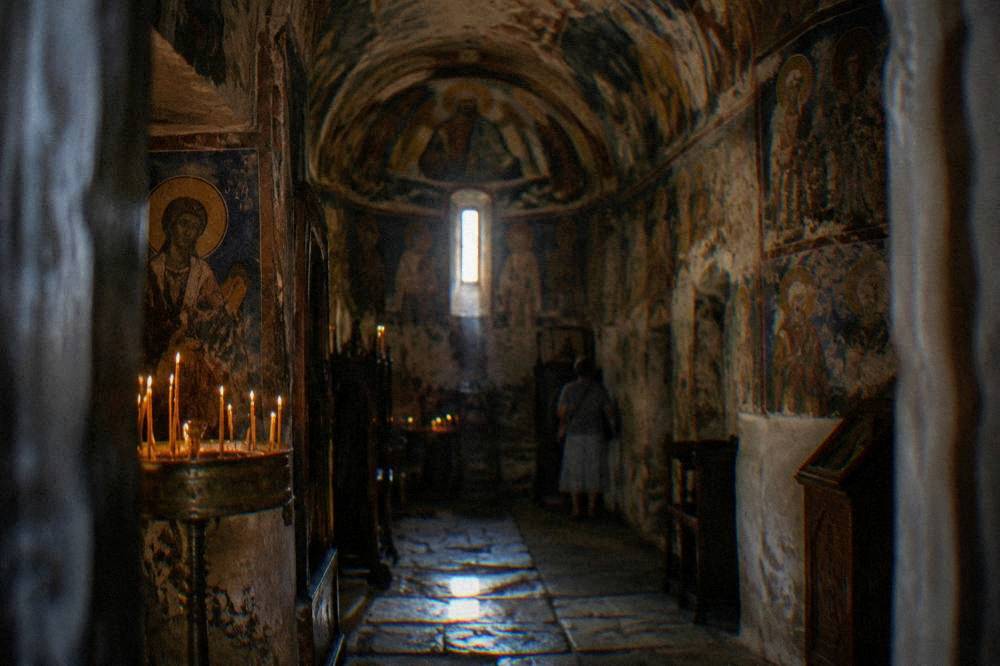
The churches are the reason Byzantine-history travellers make the trip. Veria was a metropolitan see, and the old town holds a remarkable concentration of Byzantine and post-Byzantine churches, many of them small, many frescoed, some absorbing earlier material. As with Thessaloniki's own working churches, entry is free and access follows the liturgical rhythm of a living parish: outside service times the doors may be open, and outside opening seasons some are locked. Print nothing firmer than that, and do not rely on published crypt hours or guided schedules, because none are confirmed. For the Thessaloniki side of the same tradition, our Byzantine churches of Thessaloniki guide covers the UNESCO fifteen.
Around the monuments, Veria is simply a pleasant town to walk: a market centre, cafe tables, the drop of the river valley below the old quarters, and views west toward the Vermio massif. Allow a half day for the town itself at an unhurried pace, more if churches and the Jewish quarter are the specific reason for going. Guided products focused on Thessaloniki itself can supply the context, and the walks and tours below are the ones this site carries for that purpose.
Why Is Veria's Jewish Quarter Called Barbouta?
Barbouta is the name of the old Jewish quarter of Veria, a riverside district beside the Tripotamos where the Jewish community lived from the medieval period until the Second World War, when about 46,000 Jews of the wider region, Thessaloniki's community chief among them, were deported starting in March 1943. The quarter's stone houses with timber overhangs and its synagogue buildings survive; the community that built them was destroyed.
The Sephardic arrival in Greek Macedonia followed the expulsions from Spain after 1492, reported by the municipal history pages of Thessaloniki, and Veria's community was one of the smaller Romaniote and Sephardic settlements of the interior. Barbouta's physical character is what strikes a visitor first: houses jettied over the water, lanes dropping to the river, a synagogue at the heart of the district. The architecture remains and is increasingly restored; the congregation does not. Treat the quarter the way the analogous sites in Thessaloniki ask to be treated, with restraint and fact. The Jewish Museum of Thessaloniki, covered in our Jewish Thessaloniki guide, tells the regional story in full, and the Jewish Museum attraction page gives the practical detail for that visit.
A structured way to prepare for Barbouta is to take the guided Jewish-heritage walk in Thessaloniki first. The private experience below covers the Thessaloniki side of the same history, and seeing it before Veria turns the empty quarter from a picturesque lane into a legible document.
For readers who prefer to keep the two cities in one thread, the pairing works in either direction: the Thessaloniki walk gives the urban, pre-war scale of the community, and Barbouta gives its small-town counterpart. Neither needs the other to make sense, but together they explain why northern Greece's Jewish history is a regional subject and not only a Thessaloniki one.
Can You Combine Veria With Vergina Or Naoussa In One Day?
Yes, comfortably. Veria is about 52 minutes by road from Thessaloniki, Vergina about 62 minutes in the same westerly direction, and Naoussa about 76 minutes, so a single day can carry two of the three without rushing: Veria plus Vergina is the classic pairing, with the Museum of the Royal Tombs of Aigai at Vergina reported at about 20 euro full and 10 euro reduced, to confirm before you go.
Vergina, ancient Aigai, is the burial ground of the Macedonian royal house, and its museum is the Museum of the Royal Tombs of Aigai: an underground structure built over the tombs themselves, with the palace site and theatre in the open air around it. The card for this page permits the reported prices only with attribution, so treat about 20 euro full and 10 euro reduced as figures to confirm on the museum's own channels before travelling. Reported opening rhythm is summer daily into the evening with a Tuesday midday start, and winter with a Tuesday closure, again to confirm. The site's full context is in our Vergina day-trip guide.
Naoussa, about 76 minutes out, is the wine town at the foot of the Vermio, and it pairs naturally with Veria for a food-and-village day rather than an antiquity day. Book tastings in Naoussa ahead through the wine estates themselves. Edessa, with its waterfalls park reported free to enter, and Loutra Pozar, the thermal baths about 100 minutes out, extend the same corridor for a longer loop, covered on the Edessa page.
| Day plan | Road time from Thessaloniki | Rhythm of the day | What to confirm ahead |
|---|---|---|---|
| Veria alone | about 52 minutes | Half day in town, churches and Barbouta at leisure | Church and museum opening locally |
| Veria plus Vergina | about 52 and 62 minutes | Vergina museum first, Veria churches and Barbouta after | Vergina ticket and hours, reported |
| Veria plus Naoussa | about 52 and 76 minutes | Veria morning, Naoussa afternoon | Wine-estate visits, booked directly |
| Veria, Vergina, Naoussa loop | about 76 minutes farthest point | A full driving day, tight but possible | All three, plus dinner timing |
Organized products exist that lift the driving and sequencing off your plate, and two of them follow below. The first covers the Vergina tombs with a Pella museum stop; the second adds the Edessa waterfalls and a park stop to the Vergina core. Both render their own price, rating and duration from the operator's live listing, and neither figure belongs in this prose.
The second option suits travellers who want the waterfall stop and do not mind a long day on the road; the card's own product pages carry the exact inclusions.
How Do You Get To Veria From Thessaloniki Without A Car?
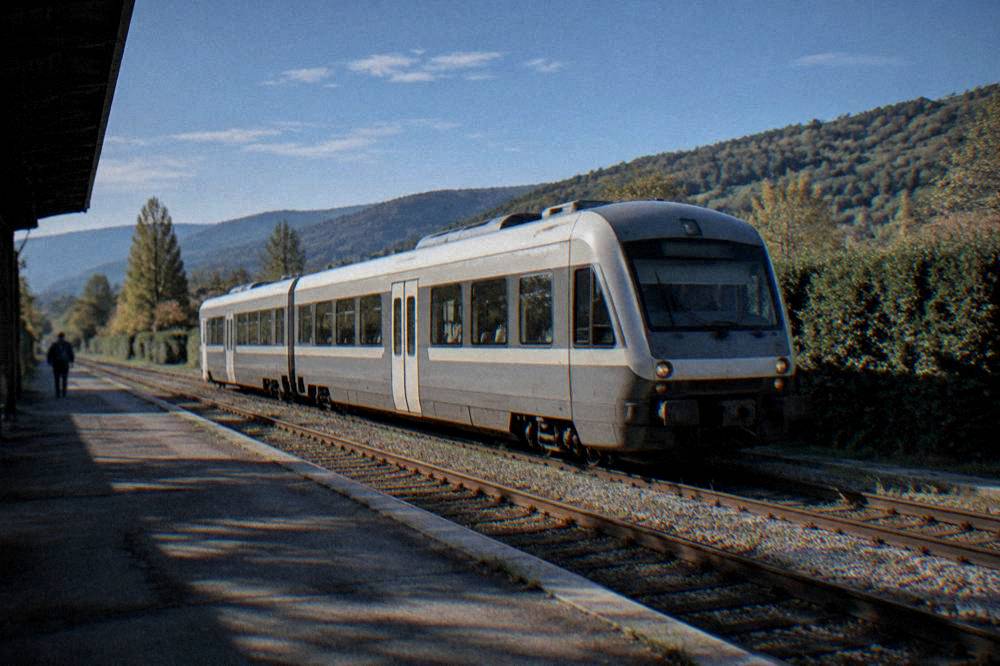
You have two realistic public-transport options from Thessaloniki: the train, since Hellenic Train operates a Thessaloniki to Florina line with stops including Veria and Edessa, and the KTEL intercity bus, with services to the Veria area running from the KTEL Macedonia station in the Menemeni district. No reliable journey time or fare is available for either option, so check the operators' own timetables before committing to a schedule.
The railway is the scenic choice. Hellenic Train's Thessaloniki to Florina corridor threads north through the Axios valley and serves Veria on its way to Edessa and beyond, and the operator publishes its timetables as route PDFs on its own site. What this page cannot responsibly print is a journey time or a fare, because neither figure is confirmed, and a timetable gap or engineering change would strand a reader who planned around an invented number. Read the PDF for your travel date, and note the last return departure before building the day.
The bus runs from the KTEL Macedonia station on Giannitson street in Menemeni, about 4 km from the centre of Thessaloniki. Getting to that station from downtown is itself a planning item: the Thessaloniki Metro, open since November 2024 with the Kalamaria extension inaugurated on 27 August 2026, runs 05:15 to 00:30 Sunday to Thursday and 05:15 to 02:00 Friday and Saturday, with a basic ticket at 0.60 euro and a daily ticket at 2.50 euro per the metro's own ticket page. The metro does not serve the KTEL station directly, so allow a transfer by taxi or city bus, and confirm the bus route on the operator's site. Our Thessaloniki metro guide and the bus station guide cover both ends of that connection in detail.
| Option | Where it starts | What is confirmed | What to confirm yourself |
|---|---|---|---|
| Train | Thessaloniki railway station | Hellenic Train serves Veria on the Florina line | Times and fares from the operator's PDFs |
| KTEL bus | KTEL Macedonia station, Menemeni | Services to the Veria area exist from this station | Departures, returns and fares |
| Car hire | City pick-up in Thessaloniki | About 52 minutes free-flow to Veria | Parking in the old town |
| Organized day trip | Hotel or central pick-up, per listing | Route and stops on the listing | Pick-up point and timing at booking |
When Is The Best Time Of Year To Visit Veria From Thessaloniki?
The shoulder months suit Veria best: April, May, September and October, when the HNMS Thessaloniki Mikra station record for 1959 to 2010 shows mean daily highs between 19.1 and 24.6 C in spring and 21.2 to 27.1 C in early autumn, with rain totals near the annual middle. July and August mean highs reach 31.7 and 31.4 C, and December and January lows fall to 3.2 and 1.5 C, all from the same station record.
The climate figures throughout this section are station means, not forecasts: HNMS Thessaloniki Mikra station, 1959 to 2010, the only climate series this site prints. Veria sits inland at a slightly higher elevation than the coastal capital, so expect marginally cooler evenings than the table implies, and treat the table as the regional baseline rather than a Veria-specific measurement. Annual rainfall across the record totals 444.5 mm, with December the highest monthly total at 55.1 mm and August the lowest at 19.3 mm.
| Month | Mean high C | Mean low C | Rain mm |
|---|---|---|---|
| January | 9.3 | 1.5 | 37.7 |
| April | 19.1 | 7.9 | 36.1 |
| May | 24.6 | 12.6 | 44.2 |
| July | 31.7 | 19.3 | 23.8 |
| September | 27.1 | 15.4 | 29.8 |
| October | 21.2 | 11.3 | 43.0 |
| December | 10.9 | 3.2 | 55.1 |
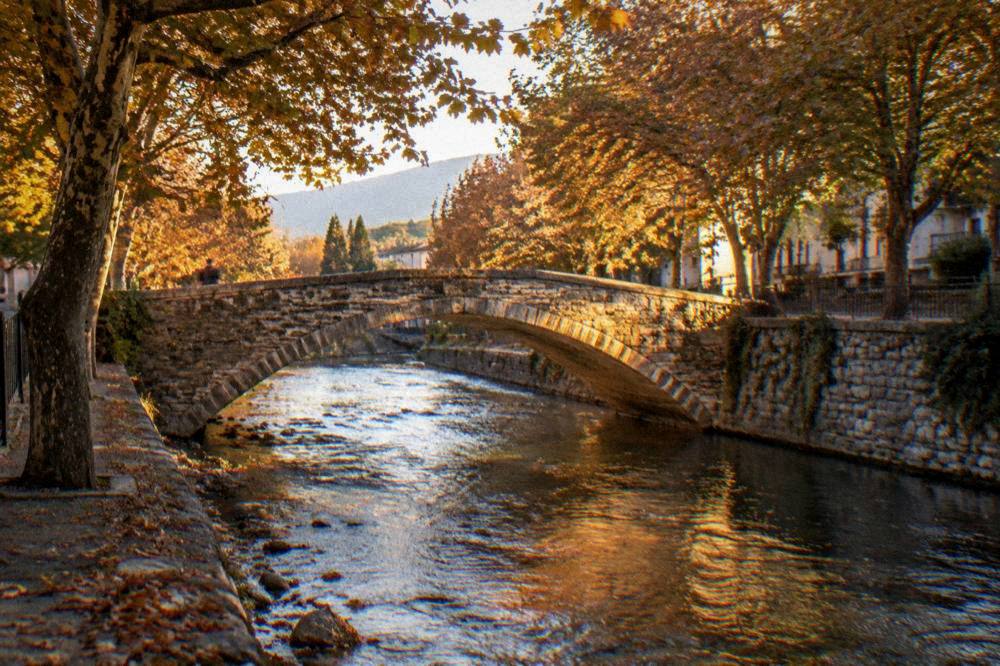
Seasonal logic follows the sights. Churches are unheated stone buildings, pleasant in April and October, biting in January. Barbouta's lanes and the river walk are at their best in spring green or autumn colour. Midsummer works if your day pairs Veria with an early-morning Vergina start and a long shaded lunch, though the reported Vergina summer hours, with evening opening, actually favour a hot-weather visit to the underground museum. Winter days are short, wet more often than not by the station record, and better spent inside Thessaloniki's own museums, whose hours are published: the Museum of Byzantine Culture, covered on its attraction page, holds winter hours of 08:30 to 15:30 Monday and Wednesday to Sunday with a Tuesday closure.
One seasonal anchor worth planning around: the free-admission days that apply across Greek state museums, namely 6 March, 18 April, 18 May, the last weekend of September and 28 October, per the state museum pages. If a Veria-area state site observes them, and Vergina's is a state site, those dates can shift the arithmetic of a combined day trip. Confirm each site's participation before counting on it.
What Should You Budget For A Veria Day Trip?
The fixed, confirmed figures are few: fuel or a 0.60 euro metro ticket and a 2.50 euro daily ticket within Thessaloniki, a reported airport bus fare of 2 euro only if you are connecting from SKG, and reported prices at Vergina of about 20 euro full and 10 euro reduced. Veria's own church entries are free, working churches in Greece are free to enter, and every other Veria-specific price is unconfirmed, so build the day around the confirmed anchor figures and confirm the rest locally.
A planning table keeps the honest figures separate from the open ones. Product prices below the table render only through the booking blocks, never as typed numbers, and nothing in this table quotes a hotel rate, a train fare or a taxi fare, because none is confirmed for these journeys.
| Item | Figure | Basis |
|---|---|---|
| Metro single, Thessaloniki | 0.60 euro | Metro ticket page |
| Metro daily, Thessaloniki | 2.50 euro | Metro ticket page |
| Working churches in Veria | free | General rule for working churches |
| Vergina (Aigai) entry | about 20 euro full, 10 reduced | Reported, confirm before you go |
| Emergency number anywhere in Greece | 112 | EU-wide standard |
Accommodation costs are likewise off the table, with one exception worth knowing: Greek accommodation collects a climate resilience fee per room per night, higher from April to October, and it is paid at the property rather than folded into a quoted rate. No per-star rate belongs on this page, so expect a small local charge and ask the property for the exact amount when booking. For a fuller budget treatment of the base city, the regional pages linked from the Thessaloniki Travel Guide homepage carry the confirmed Thessaloniki figures.
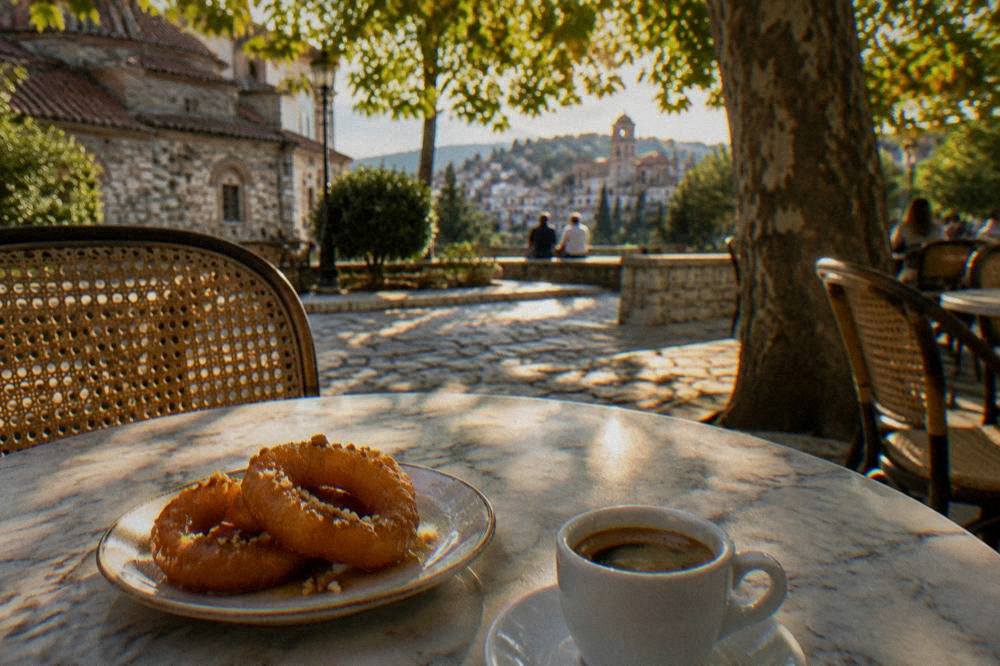
Food in Veria is a market-town affair: bakeries, meze places, the cafes around the central squares. No restaurant names, hours or meal prices appear anywhere on this site, by policy, so the honest advice is to eat where the market streets are busy and to treat lunch in Veria as part of the day's pleasure rather than a line item you can pre-price. Travellers who want the region's food explained rather than merely eaten can pair the day trip with a guided tasting walk back in the base city, and the block below carries one.
Is Veria Worth The Trip Compared With The Region's Headline Sites?
Veria earns its place as a half-day stop rather than a full-day destination: it cannot match Vergina's royal tombs or the scale of Thessaloniki's UNESCO-listed fifteen Paleochristian and Byzantine monuments, inscribed in 1988, but it adds two things those sites do not, a walkable concentration of provincial Byzantine churches and an intact riverside Jewish quarter, both within about 52 minutes of Thessaloniki. The honest ranking depends on your interest: antiquity first, Jewish and Byzantine heritage second, wine third.
Seen from the base city, the regional menu reads like this. Vergina is the unmissable ancient site, reported at about 20 euro full entry. Pella, about 43 minutes out, is Alexander's birthplace city, with its museum reported at about 10 euro and a combined site ticket reported at about 15 euro, both to confirm. Meteora is a different category altogether, about 228 km and 154 minutes of driving each way in free-flow conditions, a full day and never a half: the Meteora guide covers it properly. Halkidiki's Kassandra and Sithonia peninsulas, covered on the Halkidiki pages, are the swimming alternative, since the Nea Paralia in Thessaloniki is a promenade and not a bathing beach, with actual swimming at Perea, about 28 minutes out, or Epanomi.
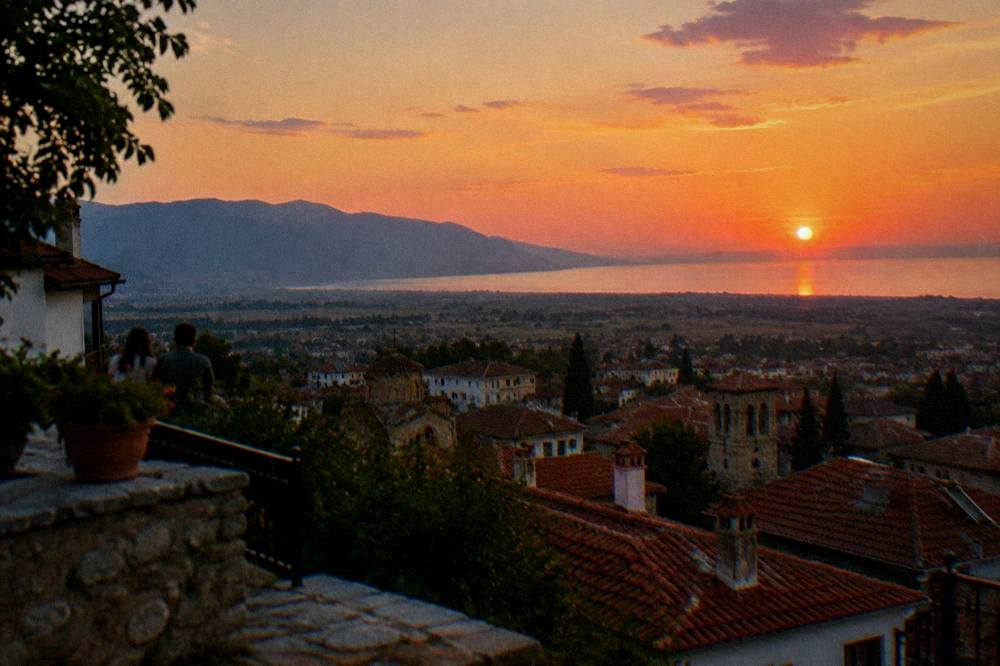
Veria's advantage is that it costs so little time. It sits directly on the Vergina corridor, it shares the railway line with Edessa, and its old town asks for nothing more than a pair of comfortable shoes and a slow loop from the central squares down to the river and back up through the churches. For a traveller with two weeks, it is one stop among many; for a traveller with three days in Thessaloniki and one spare morning, it is the quietest, least crowded option on this list, with the caveat that quiet also means fewer published schedules and a greater need to confirm opening locally.
Common Questions About Veria
How far is Veria from Thessaloniki?
Veria is about 73 km and 52 minutes by road from Aristotelous Square in Thessaloniki in free-flow conditions, computed over OpenStreetMap routing. Allow extra time for traffic and for parking in the old town.
What is Veria famous for?
Veria is known for the riverside Jewish quarter of Barbouta, its dense group of Byzantine churches, and its position beside Vergina, ancient Aigai, the site of the Museum of the Royal Tombs. It was also a significant town in the Roman and Byzantine periods of Macedonia.
Can you visit Veria and Vergina in one day?
Yes. Veria is about 52 minutes by road from Thessaloniki and Vergina about 62 minutes, and the two combine into a single driving day with ease. By public transport the pairing is possible but schedule-dependent, so check train and bus times for your date.
Are Veria's churches free to enter?
Working Greek Orthodox churches are free to enter and open outside service times in general terms.
Is there a train from Thessaloniki to Veria?
Hellenic Train operates the Thessaloniki to Florina line with stops including Veria. Read the operator's own timetable PDFs for your travel date before planning the day around them.
What is the best time of year for a Veria day trip?
April, May, September and October, when the HNMS Thessaloniki Mikra station record for 1959 to 2010 shows mean highs from 19.1 to 27.1 C and moderate rainfall. Midsummer is hot, with mean highs of 31.7 C in July, and winter is cool and wet by the same station record.
Veria will never headline a northern Greece brochure the way Vergina's tombs or Meteora's monasteries do, and that is precisely its use: a half day of churches, river lanes and quiet squares, an hour from Thessaloniki, that fills the corner of a regional itinerary nothing else occupies. Confirm the local openings, pick a shoulder month, and let the bigger sites fight over the rest of the week.