Jewish Thessaloniki: Sephardic Salonica And Its Sites
Thessaloniki, the second city of Greece on the Thermaic Gulf, was for centuries a largely Sephardic Jewish port city known as Salonica, the "Mother of Israel". This guide traces that history through the sites that survive and the tours that interpret them.
Short answer
Jewish Thessaloniki is explored through the Jewish Museum, the Modiano and Kapani market quarters, the old eastern cemetery site at the university campus, the Freedom Square waterfront and the railway station from which about 46,000 people were deported in 1943.
Thessaloniki, the second city of Greece, sits on the Thermaic Gulf in Central Macedonia, and for roughly four hundred and fifty years its story ran parallel to the story of Sephardic Jewry. After the expulsion from Spain in 1492, Jews settled in this Ottoman port city in numbers that reshaped it, and the town Greeks call Thessaloniki was known across the Jewish world as Salonica, a name the historical literature still uses when it describes that period. The traces are thinner now than they once were, but they are real: a museum, two market halls, a square, a university campus built over a cemetery, and a railway platform at the edge of the city.
What Is The Jewish History Of Thessaloniki?
Jewish Thessaloniki begins with the expulsion from Spain in 1492, when Sephardic Jews settled in the Ottoman city in large numbers and turned it into a Jewish commercial centre known as Salonica, the Mother of Israel. Ottoman rule had begun with the conquest of 1430, and the community grew for four centuries before the fire of 1917 and the deportations of 1943 ended it. The dates the municipal history pages carry are these: the city fell to the Ottomans in 1430, the Sephardic arrival followed 1492, the Greek army entered on 26 October 1912, the Great Fire of 1917 left 73,000 people homeless, and about 46,000 Jews were deported in 1943, with the first train leaving in March of that year.
The city itself is far older than any of this. It was founded in 315 BC by Cassander and named for his wife Thessalonike, and its UNESCO-listed Paleochristian and Byzantine monuments, fifteen of them, inscribed in 1988, belong to a layer of history that predates the Jewish city by a thousand years. The Roman, Byzantine and Ottoman periods are covered in the Thessaloniki history guide.
What made the Jewish period distinct was demography and the port. Salonica was a port city whose working life, its docks, its markets and its labour politics, ran on a Jewish population that was large enough to leave its language, Ladino, in the streets and its trade networks across the Mediterranean. That world ended twice over: once in the Great Fire of 1917, which burned the historic centre where much of the community lived, and finally in 1943 under German occupation, when the deportations to Auschwitz destroyed the community.
| Date | Event | Source basis |
|---|---|---|
| 1430 | Ottoman conquest of the city | Reported, municipal history pages |
| 1492 | Expulsion from Spain; Sephardic arrival follows | Reported |
| 26 October 1912 | Liberation, Greek army enters the city | Thessaloniki.gr |
| 18 August 1917 | Great Fire; 73,000 left homeless | Thessaloniki.gr |
| March 1943 | First deportation train; about 46,000 deported in 1943 | Reported, municipal pages |
| 1978 | Earthquake; later European Capital of Culture 1997 | Thessaloniki.gr |
Where Are The Jewish Sites In Thessaloniki Today?
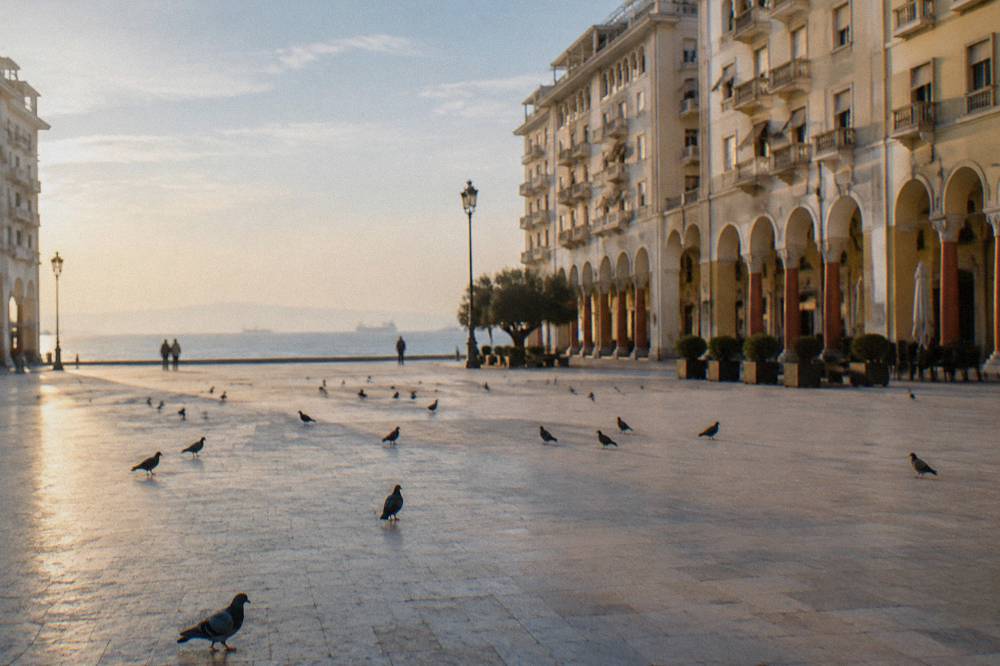
The main Jewish sites of Thessaloniki sit inside a walkable strip between Aristotelous Square and the old railway station: the Jewish Museum, the Modiano and Kapani market halls, Freedom Square on the waterfront, the old eastern cemetery ground now under the university campus, and the railway station from which the 1943 deportations left. The city centre is compact, and a visitor staying near Aristotelous Square can reach every one of these on foot, with the station at the western end of the walk.
The Jewish Museum is the anchor, and it has its own page in this guide's Jewish Museum article.
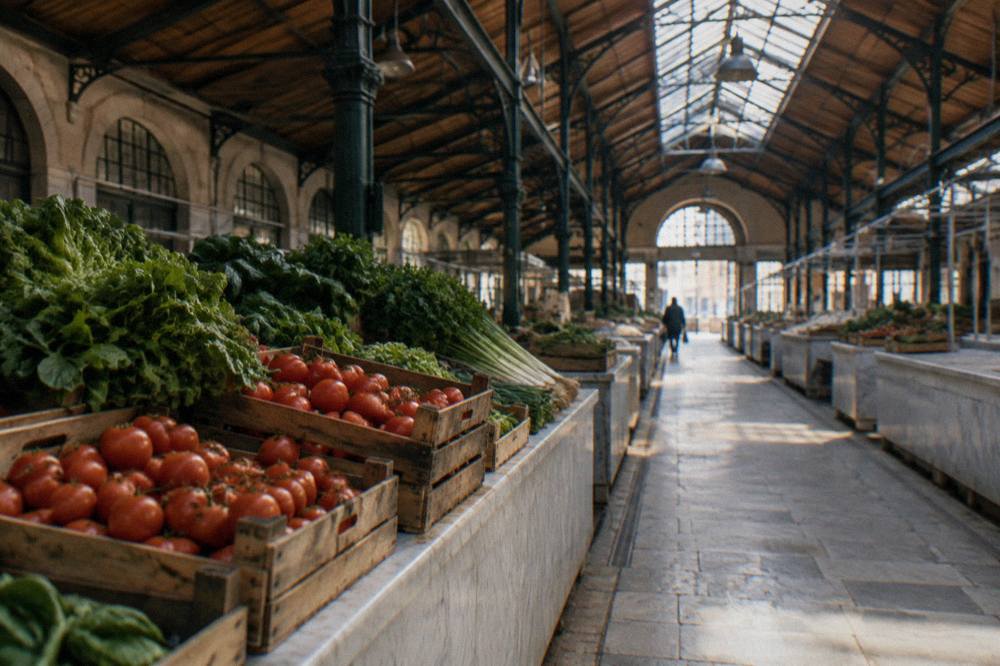
The markets are the easiest sites to absorb, because they still work. Modiano Market and Kapani Market are covered in their own guides here, and both occupy ground that was central to the Jewish city. The market halls were the commercial engine of Salonica, and the trade in them ran on Jewish merchants, porters and shopkeepers for centuries. Today they are food markets again, and the Kapani Market guide and the Modiano Market guide explain what a visitor finds in each.
A guided walk puts the sites in order and carries the history between them. The Jewish Heritage private experience is this page's featured tour, and it pairs naturally with independent visits to the museum and the markets. For travellers assembling a whole city plan, the things to do in Thessaloniki overview covers the broader sight list.
The western end of the walk is the railway station. The deportations of 1943 began here, and the site is marked. Keep the visit restrained; this is a working station and a memorial ground, not a tourist attraction in the usual sense, and the material deserves a factual treatment rather than a list of photo angles.
| Site | What it is | Where |
|---|---|---|
| Jewish Museum | Museum of the Jewish community, in the old banking quarter | City centre |
| Modiano Market | Restored covered food market on old Jewish commercial ground | Off Aristotelous Square |
| Kapani Market | Working open market, the older of the two | East of Modiano |
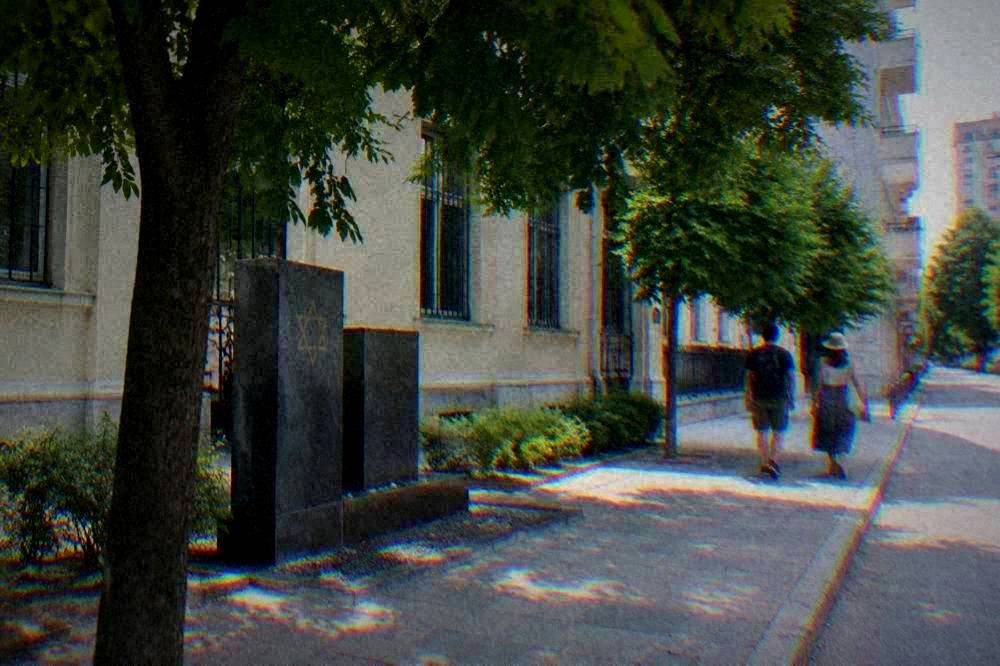
| Freedom Square | Waterfront square with Holocaust memorial marker | Seafront, near the port |
| University campus | Built over the old Jewish cemetery | East of the centre |
| Railway station | Departure point of the 1943 deportations, marked | Western edge of centre |
Can You Visit The Jewish Museum Of Thessaloniki?
The Jewish Museum of Thessaloniki stands in the city centre and presents the history of the Sephardic community, its synagogues, its cemetery stones and the destruction of 1943, and it is the single site that holds the largest part of the story under one roof. Its full treatment, with what to expect inside and how it fits a one-day plan, is on this site's dedicated page, and the practical step before any visit is to check the current hours on the museum's own page.
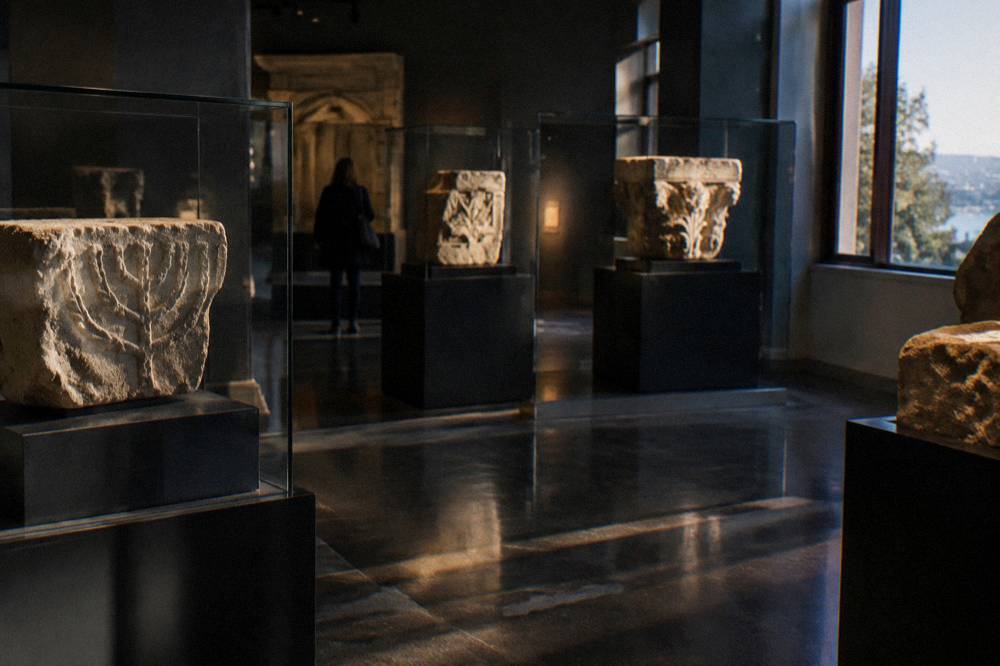
The museum occupies a building that was itself part of the Jewish city, and its collection includes material from the old eastern cemetery, whose stones were moved when the university campus was built over the ground. For a reader planning a route, the museum works well as the first stop, because it frames everything else: the markets, the square, the station.
A half-day itinerary built around Jewish Thessaloniki might run: the museum in the morning, the Modiano and Kapani markets at midday, the Freedom Square marker on the seafront in the afternoon, and the station at the end. The distances are short. The city centre between Aristotelous Square and the station is a flat walk, and the getting around guide covers the transport options, including the metro, whose Line 1 has run since November 2024 with the Kalamaria extension added on 27 August 2026.
What Happened To The Jewish Cemeteries Of Salonica?
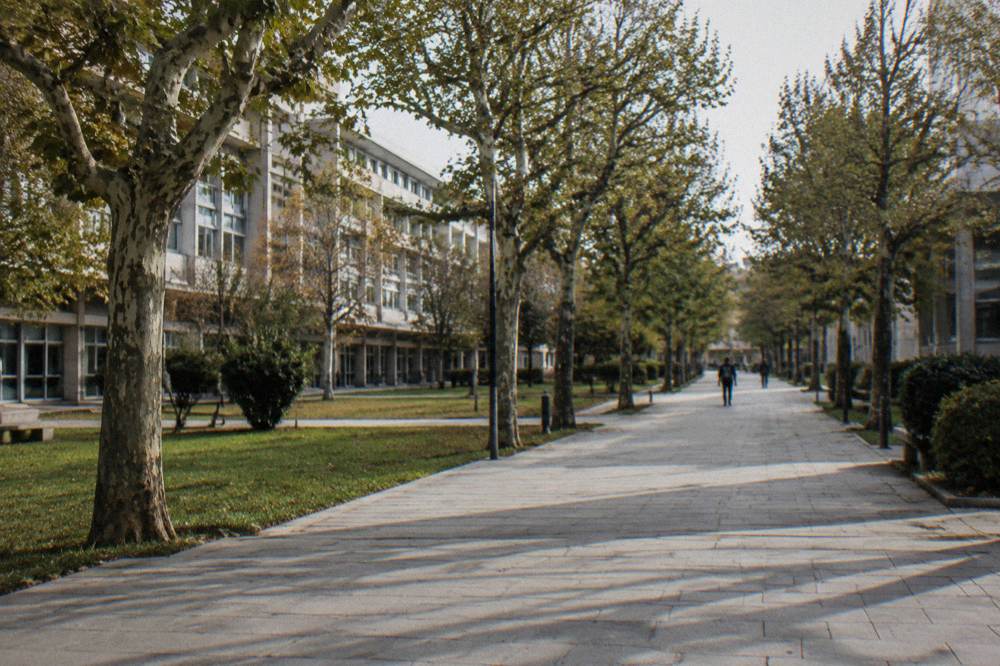
The great eastern cemetery of Jewish Salonica, one of the largest Jewish burial grounds in Europe, lies under the Aristotle University campus east of the centre, and its stones were dispersed, with surviving material now held in the Jewish Museum and at other sites around the city. The campus is a public university ground today, and the markers that remain, including stones set into places around the city, are what the visitor can still see of it.
The cemetery is the hardest part of the story and the one where a visitor's expectations need calibrating. There is no standing necropolis to walk through. The university was built over the ground, and the museum's cemetery stones are the principal place where the carved work of the old community can be studied. Treat the campus as a site of memory rather than a sight.
Other layers of the city's religious history run nearby and make natural pairings. The Byzantine churches guide covers the fifteen UNESCO monuments, and the working churches, including the Church of Saint Demetrius, are free to enter and open outside services in general terms. The layers sit on top of each other in Thessaloniki, and the Jewish layer is no exception.
How Did The Great Fire Of 1917 Change Jewish Thessaloniki?
The Great Fire of 18 August 1917 burned the historic centre of Thessaloniki, left 73,000 people homeless, and destroyed the dense downtown quarters where a large part of the Jewish community lived and worked, starting the dispersal that continued through the interwar years.
The rebuilding followed the Hebrard plan, which gave the centre its monumental axis toward the sea. Aristotelous Square, the city's central space, was designed as part of that reconstruction, and the Aristotelous Square guide tells that story. The fire did not end the Jewish city, but it broke it geographically, moving population out of the centre into new districts and accelerating changes that the deportations of 1943 finished.
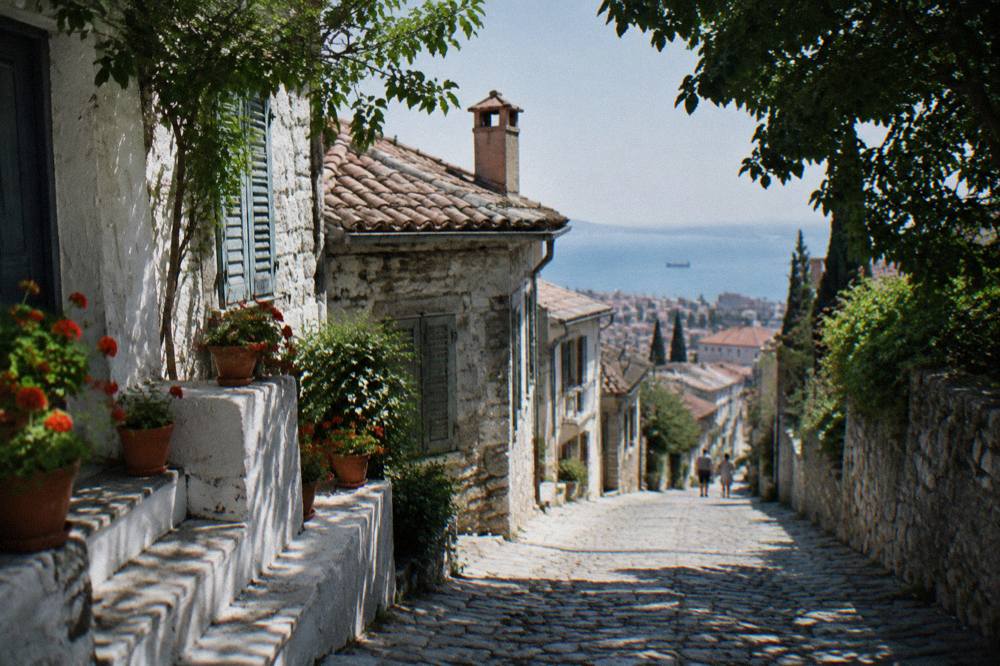
For a visitor walking the centre today, the 1917 line matters because almost nothing inside the burned district predates the fire. The older surviving fabric, including the Ano Poli upper town within the Byzantine walls, sits above and west of the fire boundary, and the markets sit at its edge. The Ano Poli guide covers that surviving quarter.
| Year | Citywide event | Effect on the Jewish community |
|---|---|---|
| 1912 | Liberation, 26 October | New state, new administration |
| 1917 | Great Fire, 18 August | Centre burned, 73,000 homeless, quarters dispersed |
| 1943 | Deportations from March | About 46,000 deported, community destroyed |
| 1978 | Earthquake, 20 June | Further damage across the city |
What Food Traditions Come From Jewish Thessaloniki?
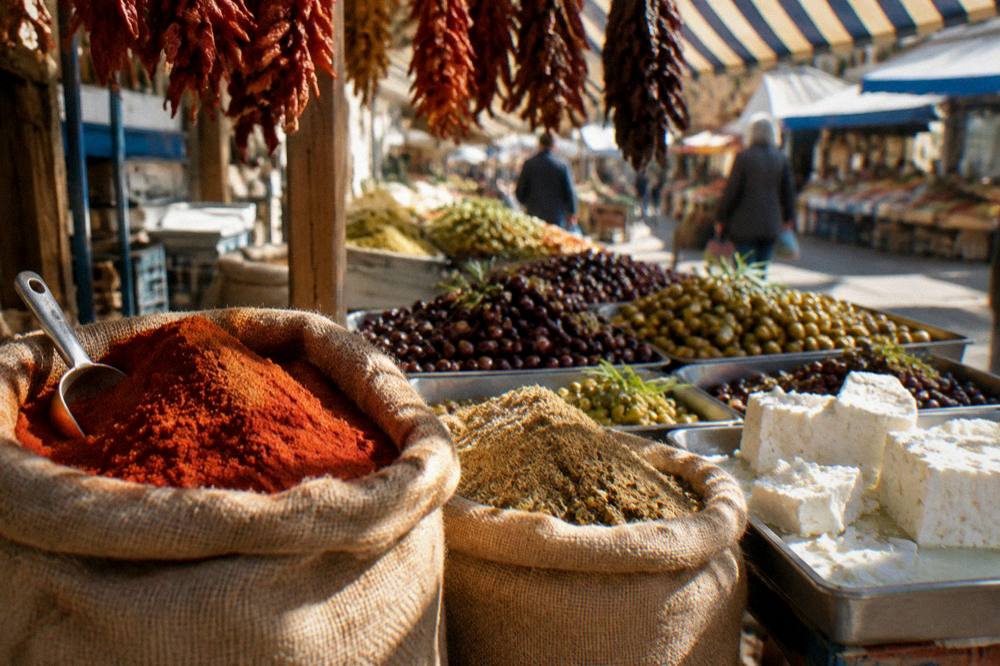
The food culture of Thessaloniki carries a documented Ladino and Sephardic strand alongside its Greek and Ottoman traditions, and the way to taste it today is through the city's markets and its food tours, which walk the Modiano and Kapani stalls where the Jewish commercial city once worked. The full picture of what to eat in the city, and where, is on the what to eat guide, and the Thessaloniki food tour guide explains the tour format.
The food-tour format suits this history well because the tour walks the very ground. A market walk with a guide moves through Modiano and Kapani and explains what the stalls sell and how the trade developed, which is the same ground the Jewish commercial city occupied. For families, the Thessaloniki with kids guide notes market visits as a manageable activity.
Is There A Jewish Quarter Left To Walk In Thessaloniki?
No intact Jewish quarter survives in Thessaloniki: the fire of 1917, the rebuilding of the centre and the destruction of the community in 1943 removed the residential quarters, so today the walk is between separate sites, the museum, the markets, the squares and the memorials, rather than through a standing Jewish neighbourhood. That is the honest answer, and it is also what makes a guided walk worth considering: the layer is invisible without interpretation.
The closest thing to a walking route is the strip described above, from Aristotelous Square west toward the station, with the museum and the two markets in the middle. The Ladadika guide covers the surviving district just west of Aristotelous, whose stone commercial buildings predate much of the centre; Ladadika was the merchants' quarter of the port city and is one of the few central areas with fabric older than the fire line.
Walkers assembling a longer stay can fold this route into the one day in Thessaloniki or two days in Thessaloniki plans, both of which leave room for a themed morning. The themed route needs about half a day at an unhurried pace, museum included.
How Does Jewish Thessaloniki Fit A Wider Northern Greece Trip?
Jewish Thessaloniki fills a half day inside the city, and it pairs naturally with the city's other layers, the Roman Galerian complex, the Byzantine churches and the Ottoman buildings, plus day trips to Vergina, Pella and Veria, a short drive away and itself home to a historic Jewish community site. Veria is about 52 minutes by road from Aristotelous Square, and the Veria day trip guide covers it, including its own Jewish quarter remains.
The other day trips are set out with computed drive times in the site's day-trip pages: Vergina, the royal tombs of Aigai, about 62 minutes; Pella about 43 minutes; and further afield Meteora, about 228 km and a full day, never a half day. The northern Greece itinerary guide assembles these into multi-day plans, and the Alexander the Great sites guide covers the ancient Macedonian layer.
Timing matters less than expected. The climate record, HNMS Thessaloniki Mikra station, 1959 to 2010, gives a July mean high of 31.7 C and a January mean low of 1.5 C, with December the higher rainfall month at 55.1 mm against 19.3 mm in August, so the themed walk is comfortable across a long season; the best time to visit guide has the detail. There is no bad month for a museum-and-markets morning, though the Thessaloniki in winter guide notes the shorter museum hours from November.
| Day trip | Road distance from Aristotelous Square | Drive time, free flow |
|---|---|---|
| Pella | 45.7 km | About 43 minutes |
| Veria | 72.8 km | About 52 minutes |
| Vergina | 68.0 km | About 62 minutes |
| Dion | 90.1 km | About 67 minutes |
| Litochoro | 90.7 km | About 67 minutes |
| Meteora (Kalambaka) | 227.5 km | About 154 minutes |
What Should You Know Before Visiting The Jewish Sites Of Thessaloniki?
Before visiting the Jewish sites of Thessaloniki, confirm opening details on each venue's own page, allow about half a day for the central walking route, and treat the station and the university campus as memorial sites visited with restraint rather than sightseeing stops. The city is walkable and flat along the seafront, and the practical guides on this site cover arrival, transport and lodging in full: the airport to city centre guide, the Thessaloniki metro guide and the where to stay guide.
Three practical notes carry real weight here. Greece uses the euro and is a Schengen member, and the emergency number is 112. Third, a walking tour with a local guide adds the interpretation that the sites themselves, being dispersed and partly invisible, cannot supply; the tour listing carries the current details, and booking with free cancellation keeps the plan flexible against weather and museum schedules.
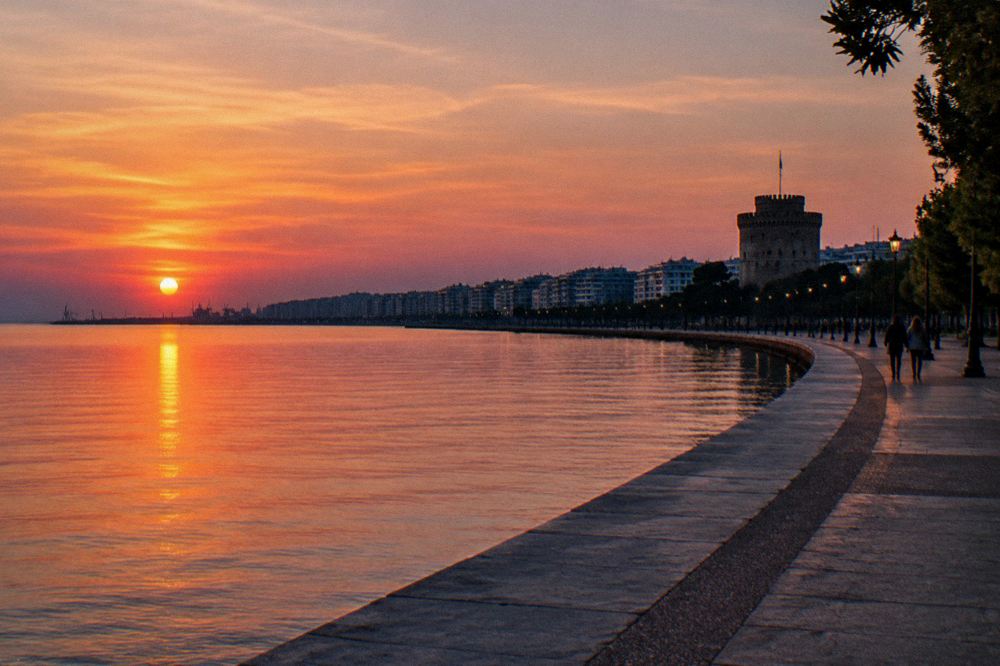
For visitors mixing this theme with family time, the Museum of Illusions and the city's broader museum list give lighter pairings, and the seafront promenade, the Nea Paralia, is a walk rather than a beach, with swimming at Perea about 28 minutes by road, as the beaches near Thessaloniki guide explains.
Common Questions About Jewish Thessaloniki
Was Thessaloniki a Jewish city?
For roughly four and a half centuries after the Sephardic arrival that followed 1492, Thessaloniki, then Salonica under Ottoman rule, was one of the great Jewish centres of the Mediterranean, known in the Jewish world as the Mother of Israel. The community was destroyed by the deportations of 1943, in which about 46,000 people were deported starting in March of that year.
What happened to the Jews of Thessaloniki in 1943?
Under German occupation, about 46,000 Jews of Thessaloniki were deported in 1943, with the first train leaving in March 1943 from the city's railway station. The deportations ended the centuries-old community. The station site is marked today.
Where is the Jewish Museum of Thessaloniki?
The Jewish Museum of Thessaloniki is in the city centre, within walking distance of Aristotelous Square and the Modiano and Kapani markets. Check its current hours and admission on the museum's own page before visiting, as this site does not carry them.
Can you visit the old Jewish cemetery of Thessaloniki?
No standing cemetery survives. The old eastern cemetery lies under the Aristotle University campus, and its dispersed stones are held in part at the Jewish Museum. The campus is a place of memory rather than a walkable site.
Is there a Jewish quarter in Thessaloniki today?
No intact quarter survives; the Great Fire of 1917 and the destruction of 1943 removed the residential districts. What remains is a walkable set of sites: the museum, the two market halls, Freedom Square, the campus ground and the marked railway station.
How long does a Jewish Thessaloniki walk take?
The central route, museum plus markets plus the seafront marker and the station, fits comfortably in about half a day at an unhurried pace, and the terrain between Aristotelous Square and the station is flat and walkable throughout.