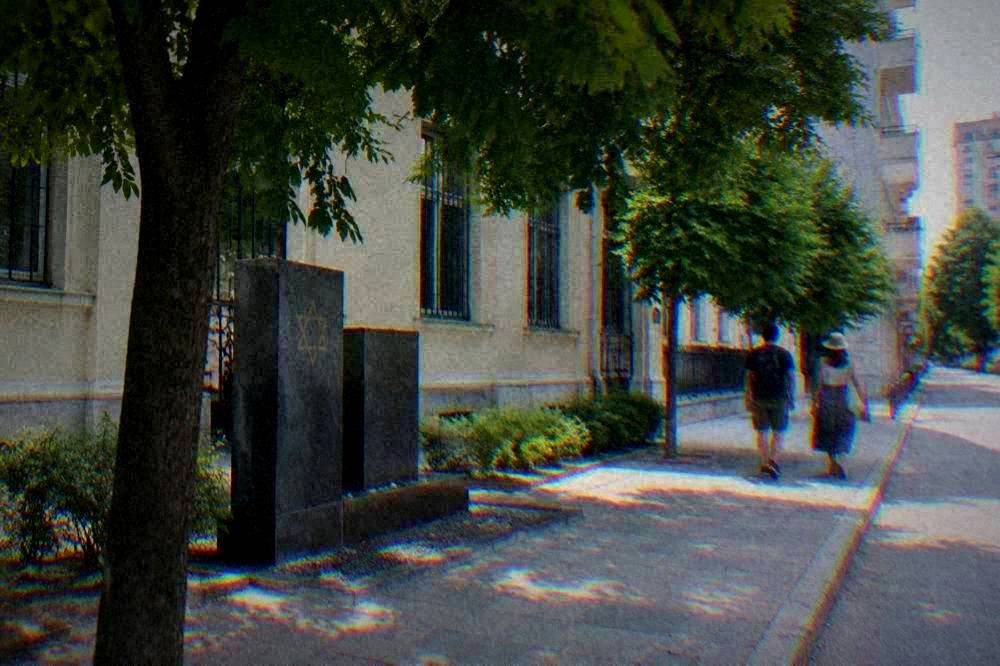
Jewish Museum Of Thessaloniki: Sephardic Salonica
The Jewish Museum of Thessaloniki tells the story of a Sephardic community that shaped the city for more than four centuries, from the arrivals after 1492 to the deportations of 1943.
Short answer
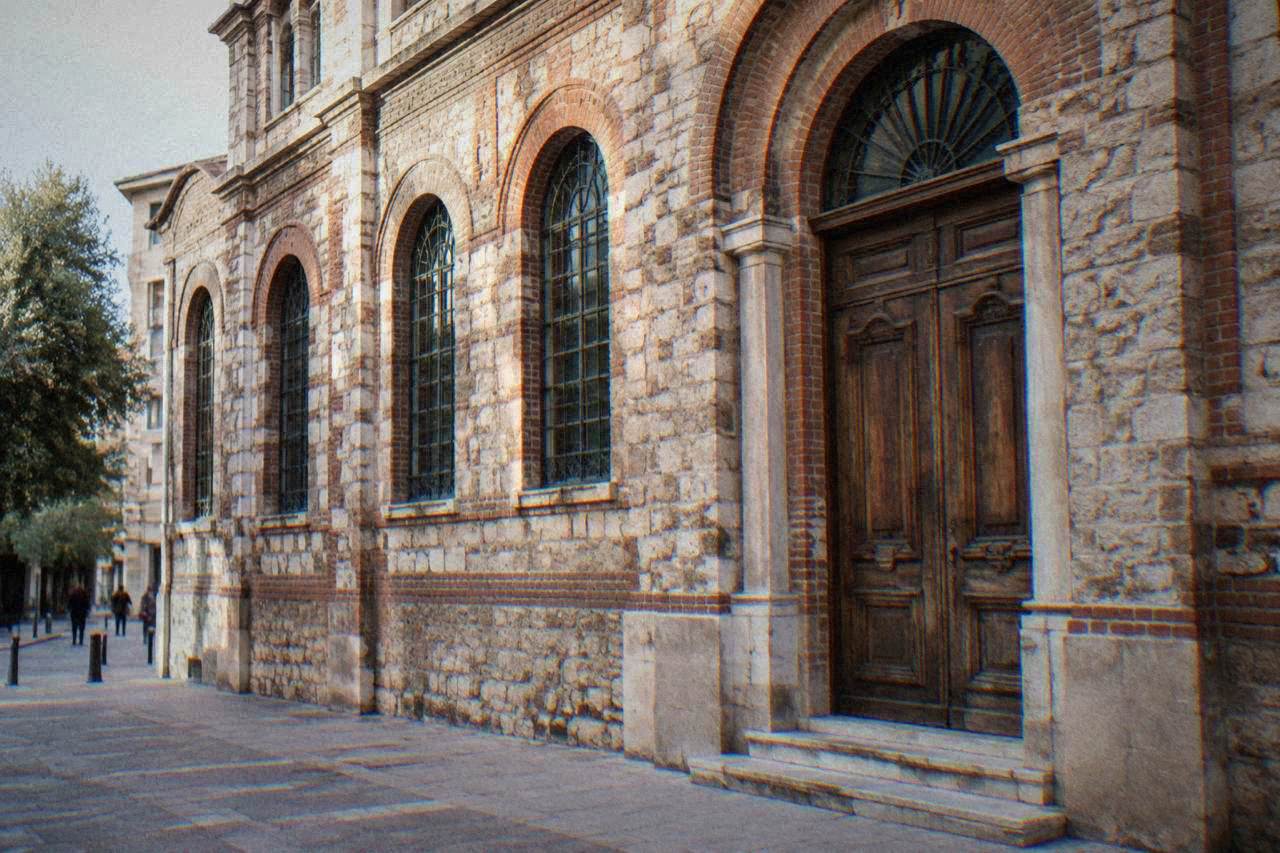
The Jewish Museum of Thessaloniki is a small history museum in the city centre dedicated to the Sephardic Jewish community of Thessaloniki, in northern Greece. Check the museum directly before you go for its hours and ticket prices.
Thessaloniki, the second city of Greece and the capital of Central Macedonia, carries a Jewish history that ran deeper here than in almost any other European city. Sephardic Jews began arriving after their expulsion from Spain in 1492, and over the following centuries the community became so woven into the city's commerce, ports and printing houses that Thessaloniki was long known in Ladino as a Jewish city. The Jewish Museum of Thessaloniki exists to tell that story: the flourishing, the destruction of 1943, and the small community that remains. This page sets out what the museum covers, how to plan a visit, and how to place it inside the wider story of the city, based on what official sources publish.
What Is The Jewish Museum Of Thessaloniki?
The Jewish Museum of Thessaloniki is a small museum in the centre of Thessaloniki, northern Greece, dedicated to the history of the city's Jewish community from the Sephardic arrival after 1492 through the Holocaust deportations of 1943 to the present day. It stands in the area where the Jewish quarter once lay, and it is not part of the state archaeological museum circuit, so its hours and prices are set separately and should be confirmed before a visit.
The museum was founded to serve the record of a community that arrived after the expulsion from Spain in 1492, grew alongside the Ottoman city, and was almost entirely destroyed in 1943, when about 46,000 Jews were deported, starting in March 1943, according to municipal history pages. Those pages also record that roughly 1,950 of the deportees returned.
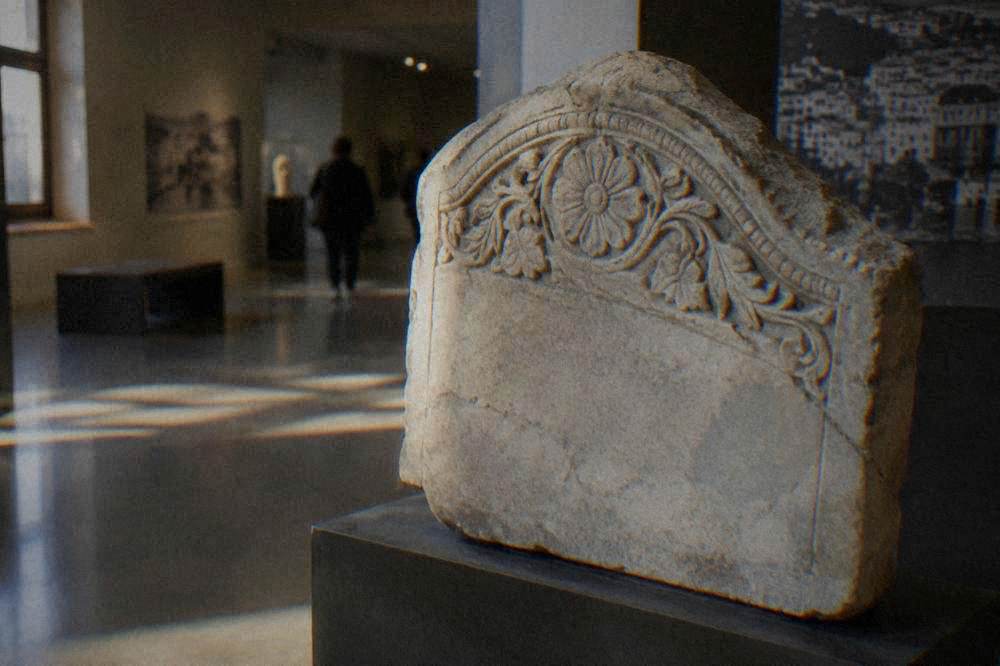
What makes this museum unusual among Thessaloniki's museums is its scale and its subject. The Archaeological Museum of Thessaloniki and the Museum of Byzantine Culture cover antiquity and Byzantium with large buildings and state budgets; the Jewish Museum is a community institution covering a social and family history. Displays reported in secondary sources include ritual objects, tombstones recovered from the destroyed Jewish cemetery, photographs of the pre-war city, and material on the deportation trains.
For context on the wider city, the Thessaloniki Travel Guide maintains a full Thessaloniki attractions overview, and a dedicated page on Jewish Thessaloniki expands on the sites beyond the museum itself.
Where Is The Jewish Museum Of Thessaloniki And How Do You Get There?
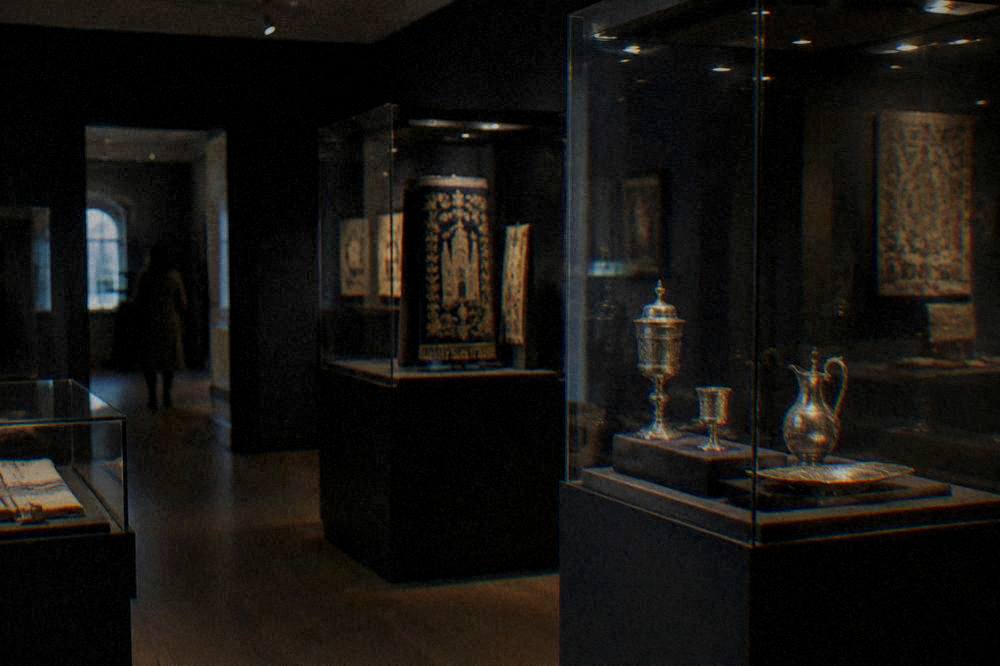
The Jewish Museum of Thessaloniki sits in the city centre, a short walk from Aristotelous Square and the seafront promenade, the Nea Paralia, in the district where the historic Jewish quarter stood before the Second World War. Thessaloniki's metro is open and its basic ticket costs 0.60 euro, which covers one journey on the system, though the museum itself is best reached on foot from the central squares.
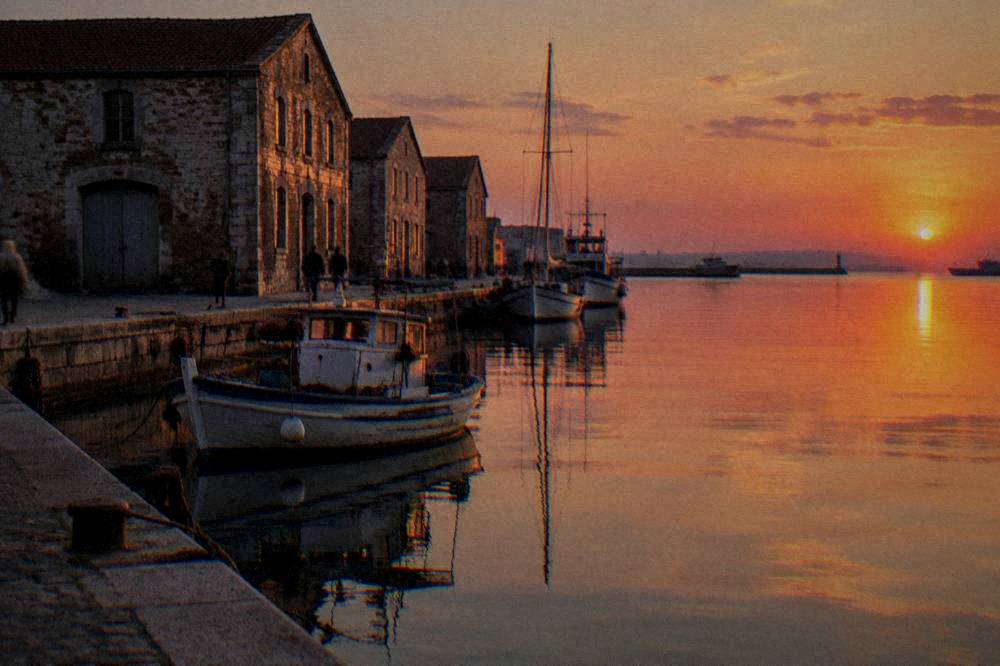
The neighbourhood matters as much as the building. The museum stands in the old commercial core where Jewish shops, banks and printing houses once lined streets running down toward the port of Thessaloniki. A walk around the block, past Modiano Market and Kapani Market, moves through what was the living heart of Jewish Thessaloniki; both markets are covered separately on this site.
Getting there is simple. From Aristotelous Square the museum is a few minutes on foot. The metro runs 05:15 to 00:30 Sunday to Thursday and 05:15 to 02:00 Friday and Saturday, with a daily ticket at 2.50 euro covering 24 hours of metro travel, per the Thessaloniki Metro's own ticket page. Taxis are plentiful, so agree the fare or check the meter.
A good pairing is the OTE Tower or one of the prepaid city attractions near the waterfront; details of one popular option are below.
What Can You See Inside The Jewish Museum Of Thessaloniki?
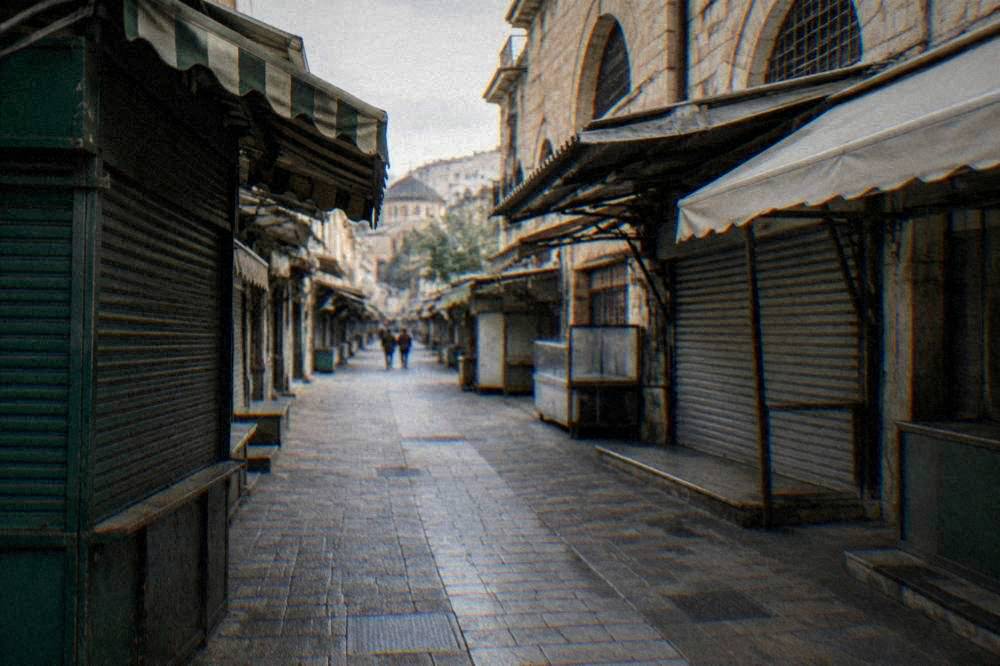
The museum's displays cover the Sephardic life of Thessaloniki: religious and ritual objects, tombstones and inscriptions salvaged from the city's destroyed Jewish cemetery, photographs and documents from the pre-war decades, and material on the deportations that began in March 1943. Exact current exhibits rotate, and no room-by-room list is published in a form this site can confirm, so treat any itinerary as indicative and confirm on arrival.
The historical arc the museum tells can be summarized from municipal sources:
| Period | What happened in Jewish Thessaloniki |
|---|---|
| 1492 onward | Sephardic Jews expelled from Spain begin settling in Ottoman Thessaloniki, reported by municipal history pages |
| Following centuries | The community grows into the city's commercial core, active in trade, the port and printing |
| 1917 | The Great Fire devastates the centre and leaves 73,000 people homeless, hitting the historic Jewish districts hard |
| 1943 | About 46,000 Jews are deported, starting with the first train in March 1943; roughly 1,950 return |
| After the war | A small community re-forms and later founds the museum to preserve the record |
Among the objects reported in the collection are marble tombstones from the Jewish cemetery that once lay north of the walls, one of the largest cemeteries in Europe before its destruction during the German occupation. Photographic archives show the pre-war city, its schools, its sports clubs and its waterfront workforce, where Jewish labourers loaded cargo by hand.
The museum's treatment of the Holocaust years is restrained and documentary. It follows the community from the ghettoization under the occupation to the departure of the trains in 1943, using photographs and documents rather than reconstruction. Visitors familiar with the pattern of Holocaust memorials elsewhere will find the same sequence here on a compact, city-specific scale.
How Much Time Do You Need At The Jewish Museum Of Thessaloniki?
A typical visit to the Jewish Museum of Thessaloniki is fairly brief, since it is a compact, single-site museum rather than a multi-building institution like the state museums. Visitors who read every panel and photograph should allow up to ninety minutes, and anyone combining the museum with the surrounding old Jewish quarter streets can easily fill a half day in central Thessaloniki.
Compare that with the state museums, whose hours and prices are published by their own sites:
| Museum | Hours (official) | Admission |
|---|---|---|
| Archaeological Museum of Thessaloniki | 1 April to 31 October daily 09:00 to 17:00; 1 November to 31 March 09:00 to 17:00, closed Tuesday | 10 euro full, 5 euro reduced |
| Museum of Byzantine Culture | 8 May to 31 October daily 08:00 to 20:00; winter Monday and Wednesday to Sunday 08:30 to 15:30 | 10 euro full, 5 euro reduced |
| White Tower | Summer daily 08:00 to 21:00; winter daily 08:30 to 15:30 | 8 euro full, 4 euro reduced from 1 April 2026 |
The contrast is worth planning around. The state museums are large enough to absorb a half day each; the Jewish Museum is short enough to slot between a morning at the Archaeological Museum and an afternoon on the Nea Paralia. A natural circuit runs from the museum through Modiano Market to Aristotelous Square and along the water to the White Tower.
What Is The History Of The Jewish Community Of Thessaloniki?
Thessaloniki's Jewish community formed after 1492, when Sephardic Jews expelled from Spain settled in the Ottoman city and grew into its dominant commercial group for four centuries, until the deportations of 1943 destroyed it. Municipal history pages report the arrival after 1492, the deportation of about 46,000 people starting in March 1943, and the return of roughly 1,950 survivors. The museum exists to hold that record.
The city the Sephardim joined after the expulsion was already ancient. Thessaloniki was founded in 315 BC by Cassander and named for his wife Thessalonike, sister of Alexander the Great. Under Ottoman rule from 1430, the city became a multi-religious port, and the new Jewish settlers, coming from Spain, Portugal and Italy, gave it a distinctly Sephardic character. Ladino, the Judeo-Spanish language, was spoken in its markets for centuries.
The modern age broke the community twice. The Great Fire of 1917 destroyed much of the historic centre and left 73,000 people homeless, hitting the crowded Jewish districts around the port hardest. Then came the German occupation: in 1943 the community was ghettoized and deported, beginning with the first train in March 1943. Almost none of the deported returned.
To walk the wider geography of that story, visitors can combine the museum with the city's other memory sites, several of which this site covers in detail, including the Museum of Byzantine Culture for the earlier Christian centuries and the old upper town of the city walls. The Atatürk Museum covers a different strand of the Ottoman period, the house where Atatürk was born.
How Does The Museum Treat The Holocaust Years?
The Jewish Museum of Thessaloniki devotes a central part of its display to the years of the German occupation and 1943, documenting the ghettoization of the community and the deportation trains through photographs, documents and personal objects, in a restrained documentary style rather than a reconstructed environment. The museum reports material on the first deportation train of March 1943 and on the roughly 1,950 survivors who returned to the city.
The numbers, as reported by the city's own history pages, are stark: about 46,000 deported, starting in March 1943. The museum keeps the presentation factual and city-specific. Panels trace the sequence from forced labour roundups under the occupation to the creation of the ghetto around the Baron Hirsch quarter beside the rail line, and then to the departure of the trains that emptied the city.
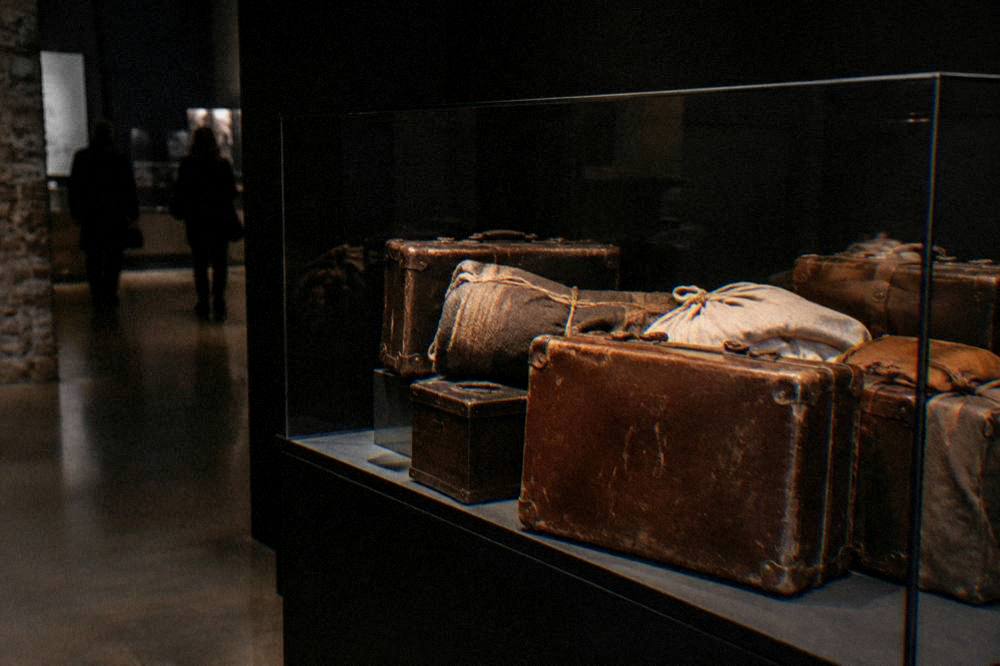
Objects carry the story. Suitcases, identity papers, yellow-star badges and family photographs appear alongside the salvaged cemetery stones, connecting the civic destruction of the burial ground with the physical destruction of the community. The display ends with the post-war community and its institutions, which preserve the record today.
Visitors should pace themselves. This is a small building carrying a heavy subject, and an hour inside it is emotionally longer than an hour in a large antiquities gallery. Many readers pair it with something lighter afterwards, and a food walk through the nearby markets is the usual counterweight; one such option is listed below.
What Else Can You Combine With The Jewish Museum On A Day In Thessaloniki?
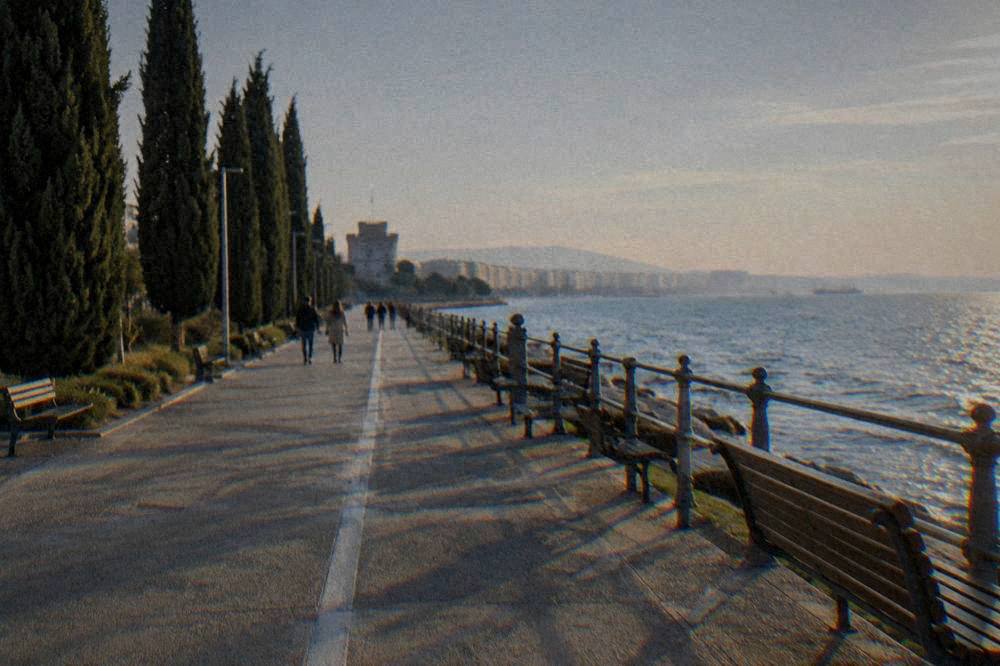
A full day built around the Jewish Museum of Thessaloniki can take in the Modiano and Kapani markets, Aristotelous Square, the seafront Nea Paralia promenade and the White Tower, all within the compact central district, before ending at a state museum or the Rotunda. Everything on that circuit is walkable, and the metro's 2.50 euro daily ticket covers any longer hops along Line 1.
A sample day, using only distances this site can state from its sources:
| Stop | What it is | Notes |
|---|---|---|
| Jewish Museum | Community history museum | Central; confirm hours before you go |
| Modiano Market | Historic covered market | A short walk away, in the old commercial core |
| Aristotelous Square | The city's central square, laid out after the 1917 fire | Opens onto the seafront |
| Nea Paralia | Seafront promenade, not a swimming beach | Walking and views |
| White Tower | The city landmark, a museum at 8 euro full | Summer hours 08:00 to 21:00 |
Beyond the centre, the region's day trips are genuinely far, and the museum day should not be mixed with them. Drive times from Aristotelous Square, computed over free-flow routing, run about 28 minutes to the beach town of Perea, about 62 minutes to Vergina, about 43 minutes to Pella, and about 2 hours 34 minutes to Meteora at Kalambaka, which is about 228 km away and a full day on its own. Closer half-day options include Veria, about 52 minutes by road, a city with its own Jewish quarter history.
For the fuller picture of the region's past, the Roman and Byzantine monuments are all around: the Arch of Galerius, the Palace of Galerius, the Roman Forum and the churches of Hagia Sophia and the Church of Saint Demetrius.
When Is The Best Time To Visit The Jewish Museum Of Thessaloniki?
There is no single best season for the Jewish Museum itself, since it is indoors, so confirm its opening schedule directly before travelling. As a rule for Thessaloniki, the comfortable months for a city visit built around walking are April, May, June, September and October, when mean highs run from 19 to 29 C, per the HNMS Thessaloniki Mikra station table, 1959 to 2010.
The station record gives the shape of the year. July has a mean daily high of 31.7 C and August 31.4 C, with the lowest monthly rainfall of the year, 19.3 mm, in August. January has a mean low of 1.5 C, and December the highest monthly rainfall at 55.1 mm.
| Month | Mean high C | Mean low C | Rain mm |
|---|---|---|---|
| April | 19.1 | 7.9 | 36.1 |
| May | 24.6 | 12.6 | 44.2 |
| June | 29.4 | 17.0 | 29.8 |
| July | 31.7 | 19.3 | 23.8 |
| September | 27.1 | 15.4 | 29.8 |
| October | 21.2 | 11.3 | 43.0 |
Figures are from the HNMS Thessaloniki Mikra station, 1959 to 2010.
Two fixed autumn dates are worth knowing regardless of season. Saint Demetrius day falls on 26 October, the city's patron day and also the anniversary of the 1912 liberation of Thessaloniki, and Ochi Day follows on 28 October with a parade; state museums admit visitors free on 28 October. The Thessaloniki International Film Festival runs 5 to 15 November 2026 in its 67th edition, an annual event that fills the city in November.
Common Questions About The Jewish Museum Of Thessaloniki
How much does the Jewish Museum of Thessaloniki cost?
Check the current price directly with the museum before your visit. The nearby state museums publish their own prices: 10 euro full at the Archaeological Museum and the Museum of Byzantine Culture, and 8 euro at the White Tower from 1 April 2026.
What are the opening hours of the Jewish Museum of Thessaloniki?
The state museums around it publish their hours, including daily 09:00 to 17:00 in summer at the Archaeological Museum and daily 08:00 to 20:00 in summer at the Museum of Byzantine Culture.
Is the Jewish Museum of Thessaloniki worth visiting?
For anyone interested in the city's history, yes: the museum holds the record of a community that shaped Thessaloniki for more than four centuries, from the Sephardic arrival after 1492 to the deportations of 1943. It is compact, so it works well as part of a walking day through the central markets and squares rather than as a standalone destination.
How long does a visit to the Jewish Museum of Thessaloniki take?
About one hour for a typical visit, with up to ninety minutes for those who read every panel. The museum is small compared with the state museums, which are each worth a half day.
Where was the Jewish quarter in Thessaloniki?
The historic Jewish quarter lay in the streets running down toward the port, around today's central markets, with the Baron Hirsch quarter beside the rail line used as the ghetto in 1943. The museum stands in this old commercial core, near Modiano Market and Kapani Market.
Can you visit the Jewish Museum and the White Tower on the same day?
Yes, easily. Both sit in the central district and the walk between them runs through Aristotelous Square and along the Nea Paralia promenade. The White Tower is open daily 08:00 to 21:00 in summer and costs 8 euro full since 1 April 2026, per the Museum of Byzantine Culture's visiting page.
The Jewish Museum of Thessaloniki is a small building with an outsized subject, and an hour spent there changes how the whole central city reads: the markets, the square and the port all belong to the same story the museum tells.