Ataturk Museum: The House Where He Was Born
The Ataturk Museum in Thessaloniki is the preserved house in which Mustafa Kemal Ataturk, the founder of modern Turkey, was born, and it stands in the centre of Greece's second city as one of the more unusual stops on a Thessaloniki itinerary.
Short answer
The Ataturk Museum in Thessaloniki is the house where Mustafa Kemal Ataturk was born, preserved as a museum with period rooms and personal effects. Confirm current hours and admission on the official page before visiting.
Thessaloniki, the second city of Greece and the capital of Central Macedonia in the north of the country, keeps a quiet piece of Turkish history at its centre: the house where Mustafa Kemal Ataturk, the founder of modern Turkey, was born. The building stands as the Ataturk Museum, a modest, carefully kept Ottoman-era house that most guides to the city pass over in a single line. This page gives it a full treatment: what the house is, what the visitor can and cannot expect inside, how the museum fits the wider story of the city, and what to combine it with on the same day. The house sits within walking reach of the seafront promenade, the White Tower and Aristotelous Square, which makes it an easy add-on rather than a trip in itself. What this guide does not do is invent details.
What Is The Ataturk Museum In Thessaloniki?
The Ataturk Museum in Thessaloniki is the preserved birthplace house of Mustafa Kemal Ataturk, the founder and first president of modern Turkey, kept as a historic house museum in the centre of the city. It contains period rooms furnished in late Ottoman style together with personal items and memorabilia connected to Ataturk and to Turkish-Greek relations, and it is one of the few museums in Europe dedicated to a foreign head of state born on its soil.
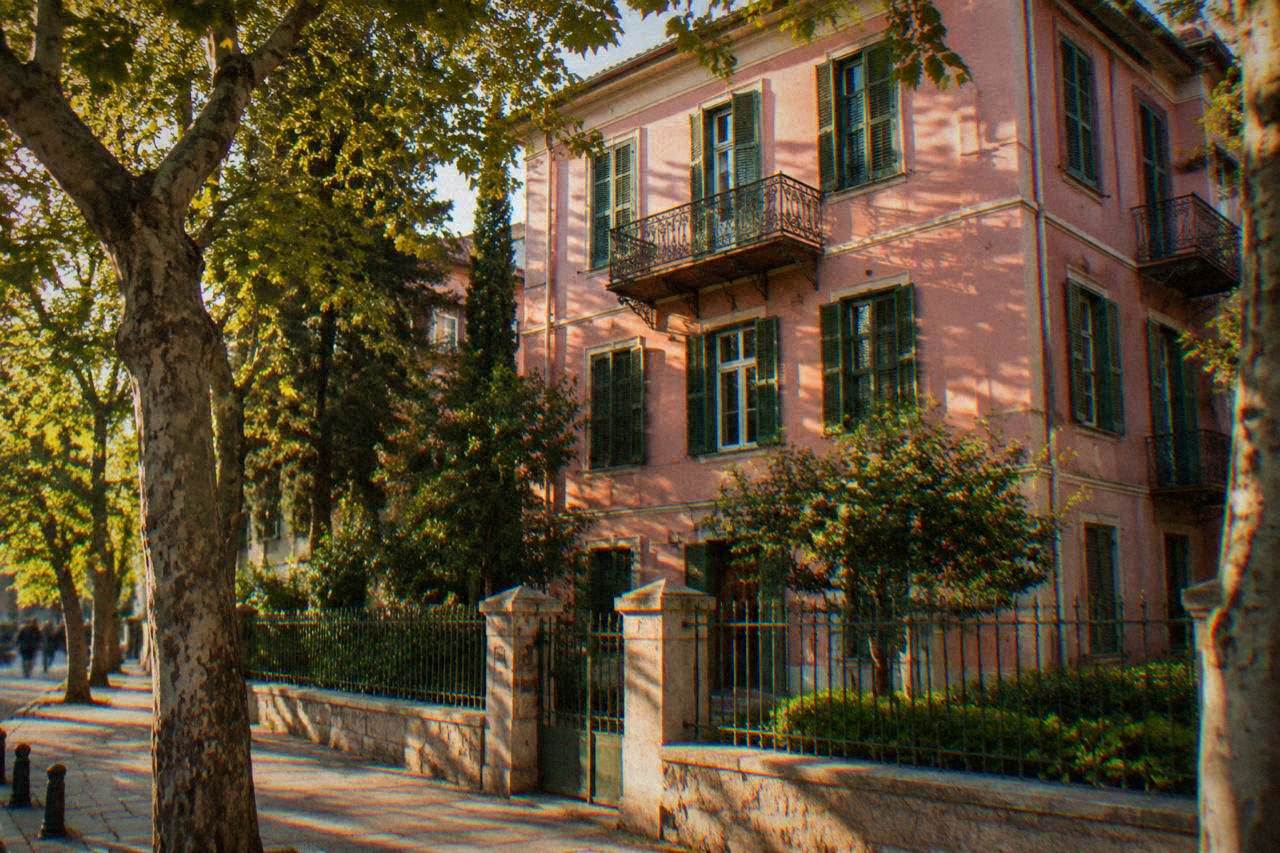
The story behind the house is bound up with the city Ataturk was born into. Thessaloniki was then an Ottoman city, taken by the empire in 1430, and it remained so until the Greek army entered on 26 October 1912, a date the municipal history pages record plainly. Ataturk grew up in this world, attended military school in the city, and went on to lead the Turkish national movement and found the republic. The house itself is a traditional three-storey structure of the kind once common across the city, with a garden, shuttered windows and rooms arranged around the family life of a mid-level Ottoman official household.
After the exchange of populations and the transformation of the city that followed liberation, the house passed through various uses before being restored and opened as a museum. Responsibility for it has rested with the Turkish state, which maintains it as a site of national memory, and the house has received visiting Turkish presidents and dignitaries over the decades. For a traveller with no stake in that story, the appeal is different: it is one of the few domestic interiors of old Thessaloniki that survive in museum condition, at a city that lost an enormous amount of its old fabric to the Great Fire of 1917, which the municipal history pages record left 73,000 people homeless, and to later redevelopment.
| Fact | Detail |
|---|---|
| Subject | Birthplace house of Mustafa Kemal Ataturk, founder of modern Turkey |
| Type | Historic house museum |
| Setting | Preserved Ottoman-era townhouse in central Thessaloniki |
| Collection | Period rooms, furnishings, personal effects and memorabilia |
That table is deliberately honest about its gaps. A schedule that is not available does not become a schedule by being repeated often enough, and the right move is to check the museum's own channels the day before a visit.
Where Is The Ataturk Museum And How Do You Reach It?
The Ataturk Museum stands in the central part of Thessaloniki, within the contiguous urban fabric that runs from Aristotelous Square westward toward the old commercial core, and it is reached on foot from the seafront or by the city's public transport, including the metro, whose basic ticket costs 0.60 euro per journey according to the Thessaloniki Metro's ticket page. No exact walking time from any landmark is available.
Thessaloniki is a compact, walkable city, and the museum's central position is its main practical advantage. The metro, open since November 2024 and extended to Kalamaria on 27 August 2026, runs 05:15 to 00:30 Sunday to Thursday and 05:15 to 02:00 Friday and Saturday, per the operator's own pages. A daily ticket at 2.50 euro covers unlimited metro journeys for 24 hours, which is enough to move between a morning at the museum, an afternoon at the state archaeological collections and an evening on the Nea Paralia promenade. The city bus network also serves the centre, and taxis are metered, so agree on the fare or check the meter as normal.
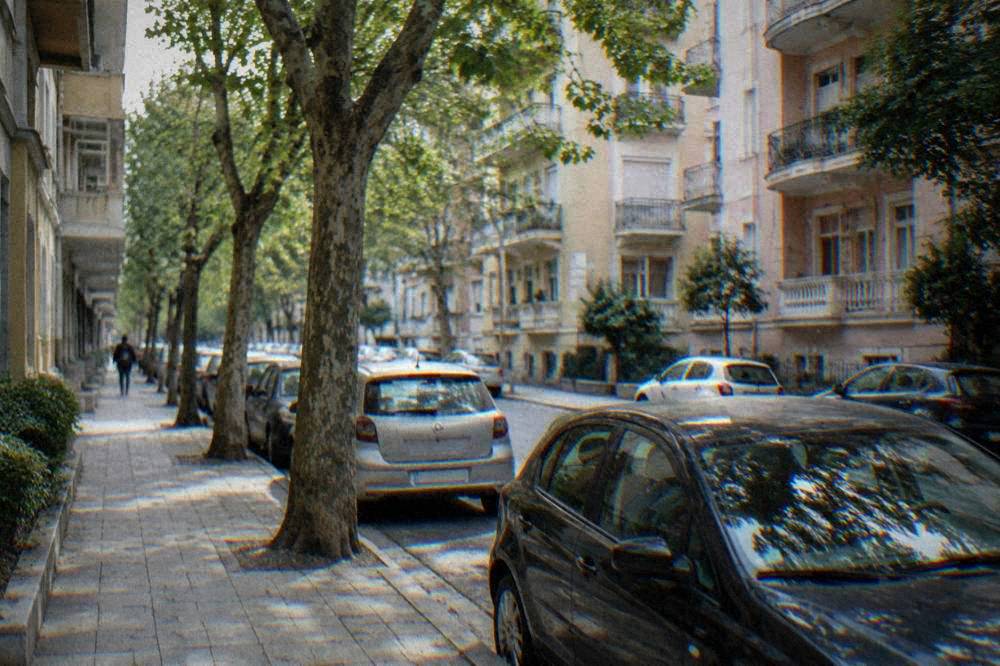
For orientation, the practical anchors are these: the White Tower on the seafront, Aristotelous Square at the centre of the grid, the Roman Forum a few blocks above the square, and the Ladadika dining quarter to the west. The Ataturk Museum belongs to this same central band, which is why it rewards being folded into a walking route rather than treated as a destination. Visitors arriving by cruise ship at the Port of Thessaloniki are already at the western edge of this zone. Anyone planning the day around the museum should read the site's Thessaloniki walking tour guide for a route that strings the central sights together.
For families, a morning at the Ataturk Museum pairs naturally with a lighter attraction in the afternoon, and a pre-booked admission to the city's Museum of Illusions, one of the most-booked family tickets in Thessaloniki, works well in that slot: Check availability.
What Can You See Inside The Ataturk Museum?
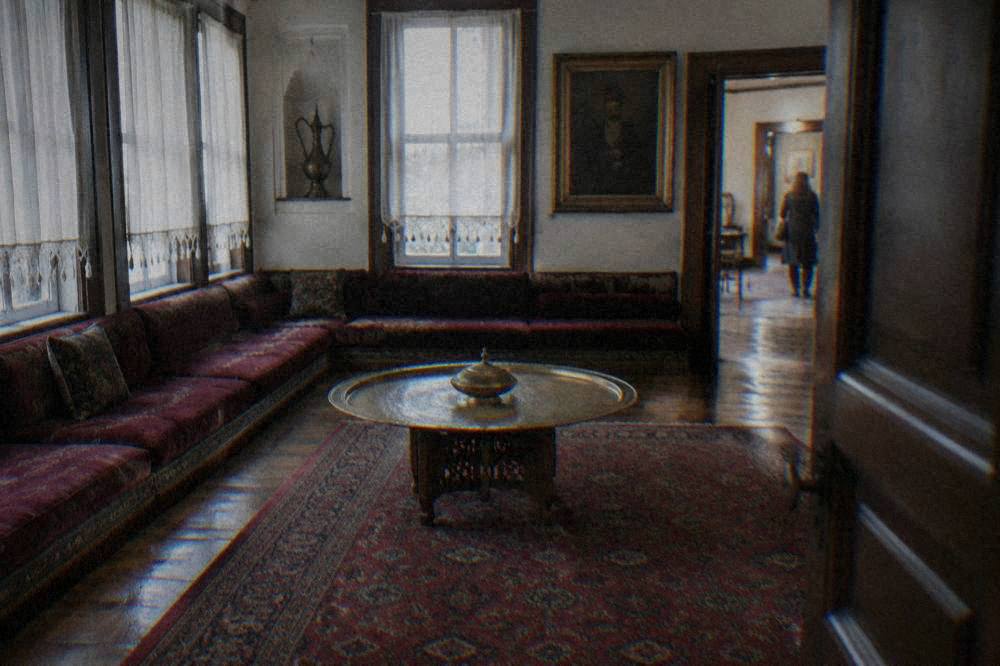
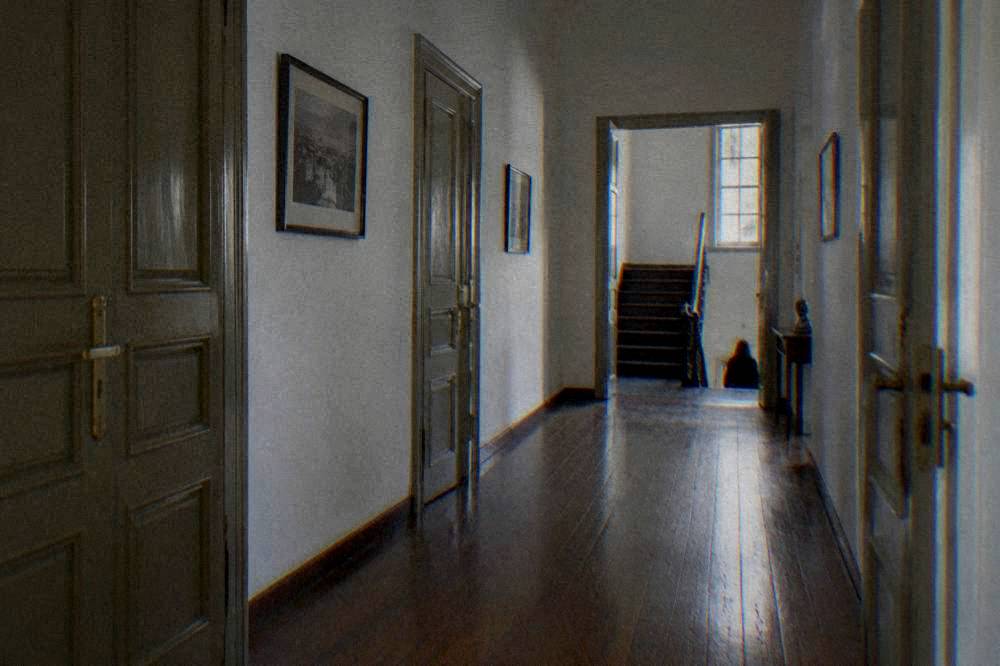
Inside, the Ataturk Museum shows the house as a lived-in late Ottoman family home: furnished rooms in period style, a salon with divans and patterned textiles, displays of photographs and documents tracing Ataturk's life from Thessaloniki to the founding of the Turkish republic, and gifts exchanged between Turkish and Greek official visitors over the years. The visit is intimate rather than vast, closer to a house tour than to a gallery crawl, and photography rules and room access are set at the door.
The ground and upper floors carry the domestic sequence: the family rooms, the reception salon and the private quarters, each dressed with furniture, rugs and household objects of the period rather than with glass-case archaeology. The effect is reconstruction, and the museum does not hide it; this is a stage set of a household, maintained with care, not an untouched survival. Visitors who want deep interpretation should read ahead, because wall text is limited and the objects speak quietly.
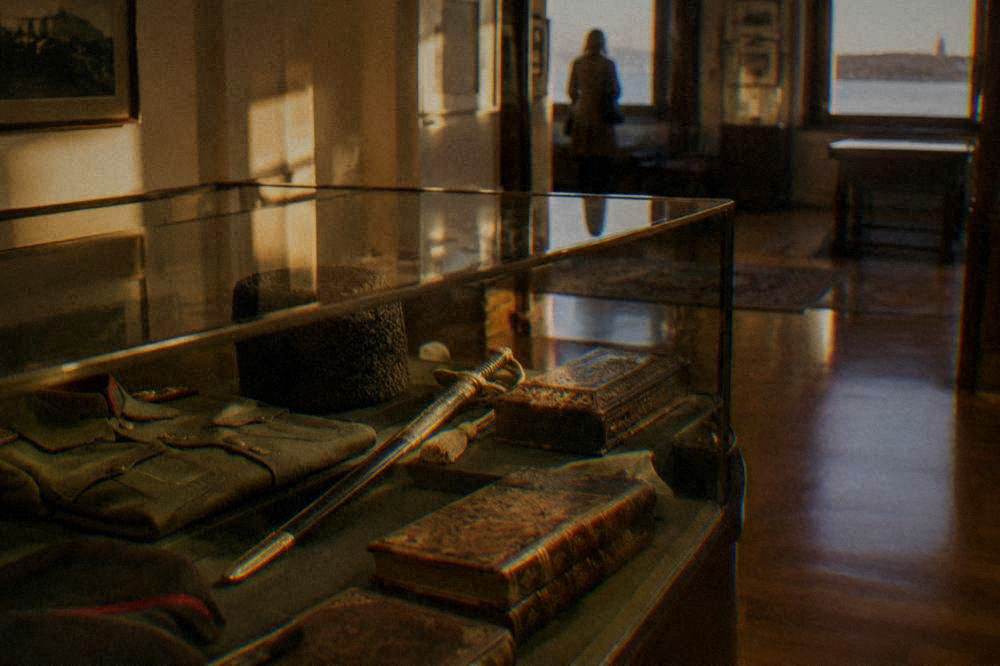
The memorabilia upstairs is the part that carries the weight: photographs of Ataturk at various ages, reproductions of documents, uniforms and gifts, and material marking the house's later life as a site of diplomatic pilgrimage. It is a personal collection in a personal space, and it lands differently from the state museums down the road, whose scale is another thing entirely. The Archaeological Museum and the Museum of Byzantine Culture hold the city's deep past; this house holds a single modern life.
| Museum | Summer hours | Winter hours | Full ticket | Reduced |
|---|---|---|---|---|
| Archaeological Museum of Thessaloniki | 1 Apr to 31 Oct, daily 09:00 to 17:00 | 1 Nov to 31 Mar, 09:00 to 17:00, closed Tuesday | 10 EUR | 5 EUR |
| Museum of Byzantine Culture | 8 May to 31 Oct, daily 08:00 to 20:00 | 1 Nov to 31 Mar, Mon and Wed to Sun 08:30 to 15:30, closed Tuesday | 10 EUR | 5 EUR |
| White Tower | 1 Apr to 31 Oct, daily 08:00 to 21:00 | 1 Nov to 31 Mar, daily 08:30 to 15:30 | 8 EUR | 4 EUR |
| Ataturk Museum | Confirm on the official page | Confirm on the official page | Confirm locally | Confirm locally |
The three state prices above are taken from the museums' own visiting pages, with the White Tower's 8 euro full and 4 euro reduced figures in force since 1 April 2026. The Ataturk House is administered separately, which is why it sits in its own row with an honest instruction attached.
How Much Time Do You Need At The Ataturk Museum?
A visit to the Ataturk Museum is short by museum standards: the house has a handful of rooms and no grounds to speak of, so the realistic range is somewhere between a quick twenty-minute look and a slow hour, with the longer end belonging to visitors who read the displays in full. Half a day is the sensible allowance once the walk there and the surrounding sights are counted, because the museum alone will not fill it.
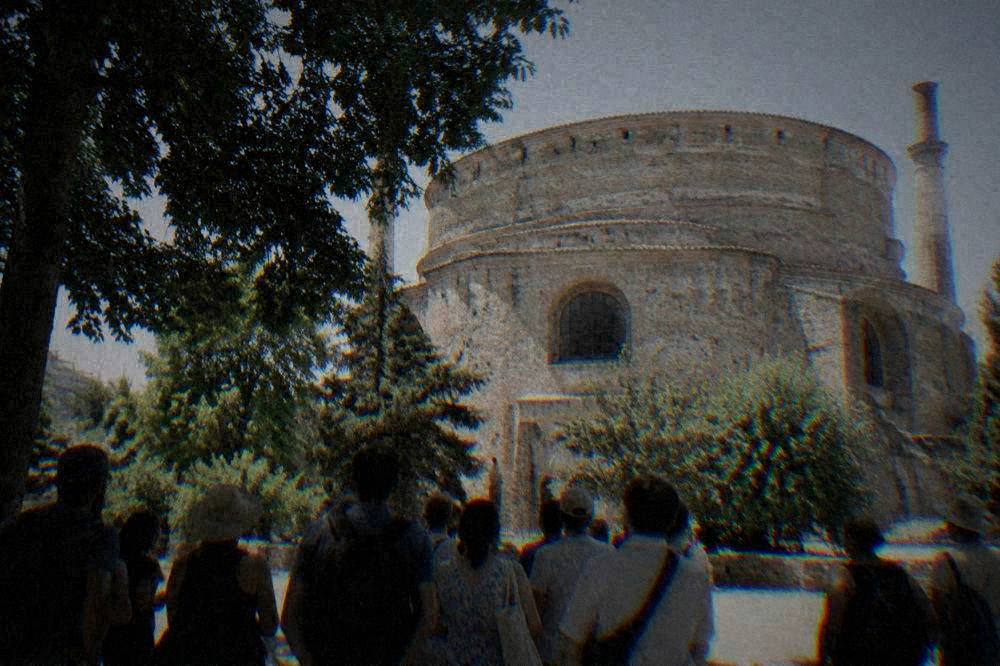
The mistake would be to treat the house as a half-day objective. It is a hinge stop, best placed between heavier sights. A workable central morning runs: the White Tower at opening, the walk up Egnatia past the Arch of Galerius and the Rotunda, then the Ataturk House, then lunch in Ladadika or around Aristotelous Square. In the afternoon the state museums take over, or the promenade does if the weather is kind. For a fuller plan, the site's one day in Thessaloniki and two days in Thessaloniki guides build exactly this kind of route.
Timing around the day matters less here than at the state museums, which run fixed published schedules, but the same general rule of Greek museum-going applies everywhere: morning openings are the calm window, and late afternoon carries school groups and tour parties. The state museums stop admission 20 minutes before closing, per the Archaeological Museum's own visiting page, and it is reasonable to ask at the Ataturk House door whether the same cut-off applies. Other pages covering the same trip are gathered on Thessaloniki Travel Guide.
| Time budget | What it covers |
|---|---|
| 20 minutes | A walk through the furnished rooms with a glance at the displays |
| 40 minutes | The full house plus the photograph and document displays read properly |
| 1 hour | Everything, unhurried, with time in the garden or at the entrance exhibits |
| Half a day | The house plus the surrounding central sights on foot |
What Else Is Near The Ataturk Museum In Thessaloniki?
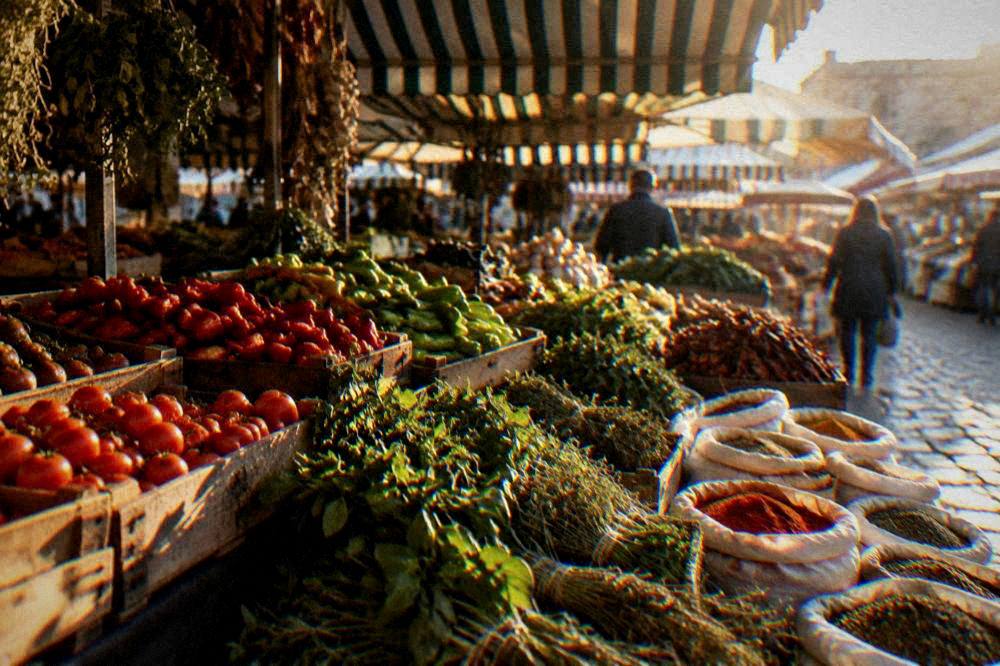
The surroundings of the Ataturk Museum are the dense central band of Thessaloniki: the seafront promenade of the Nea Paralia and the White Tower to the east, Aristotelous Square and the retail grid around it, the Roman Forum and the Galerian complex above Egnatia, the Ladadika quarter and the port to the west, and the food markets, Kapani Market and Modiano Market, at the middle of it all. Every one of these is a city-centre stop, not a trip.
This density is the museum's best argument. A visitor who reaches the house on foot will already have passed three or four worthwhile sights without trying. The table below lists the neighbours worth naming, each with its own page on this site for deeper detail.
| Nearby sight | What it is | Guide |
|---|---|---|
| White Tower | The city's landmark fortification and museum, on the seafront | White Tower guide |
| Bey Hamam | Ottoman-era bathhouse, one of the city's standing Ottoman monuments | Bey Hamam guide |
| Jewish Museum | The city's Jewish history, from the Sephardic arrival to the Holocaust | Jewish Museum guide |
| Roman Forum | The ancient civic centre of Roman Thessaloniki | Roman Forum guide |
| Kapani Market | The city's traditional open food market | Kapani Market guide |
| Nea Paralia | The seafront promenade for walking, not swimming | Nea Paralia guide |
Two of those neighbours deserve a special mention next to the Ataturk House. Bey Hamam is the other great Ottoman survival of the centre, a working bathhouse for centuries and now a monument open to view, and seeing the two together gives the Ottoman layer of the city more substance than either gives alone. The Jewish Museum carries the parallel story: the Sephardic community that arrived after 1492, reported in the municipal history pages, and its destruction in 1943, when about 46,000 Jews were deported, a reported figure this site keeps factual and restrained. A morning that takes in the Ataturk House, Bey Hamam and the Jewish Museum walks through several centuries of the city's Ottoman and Jewish past inside a few blocks.
How Does The Ataturk Museum Fit Thessaloniki's Ottoman Story?
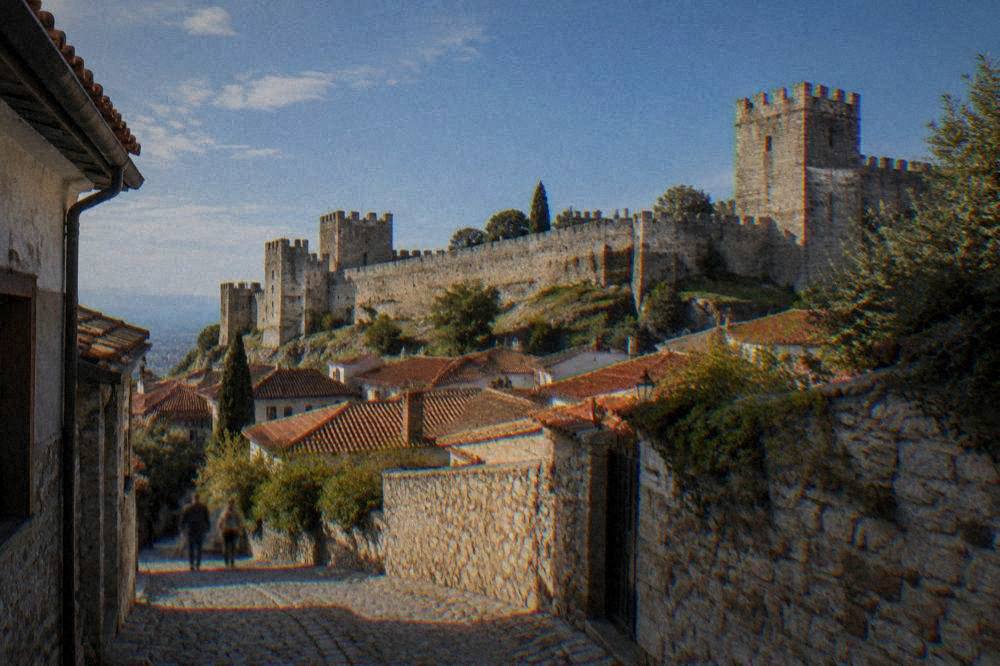
The Ataturk House fits into an Ottoman Thessaloniki that ran from the conquest of 1430, reported in the municipal history pages, to liberation on 26 October 1912, and the city's surviving Ottoman monuments, this house, Bey Hamam, the Heptapyrgion fortress above Ano Poli and stretches of the walls, are the physical remainder of those five centuries. The house is the domestic face of that period, where the fortress is the military one and the bathhouse the civic one.
The frame matters because Thessaloniki sells itself first on its Byzantine inheritance, the fifteen Paleochristian and Byzantine monuments inscribed by UNESCO in 1988, and second on its Roman remains. The Ottoman centuries are the third layer, easily missed, and the Ataturk House is its most personal entry point. The city was founded in 315 BC by Cassander and named for his wife Thessalonike, so the layers stack deep: Hellenistic, Roman, Byzantine, Ottoman, and the modern Greek city that followed liberation in 1912.
| Date | Event | Source |
|---|---|---|
| 315 BC | Cassander founds the city, named for Thessalonike | From the municipal history pages |
| 1430 | Ottoman conquest of Thessaloniki | Reported in municipal history pages |
| After 1492 | Sephardic Jewish community settles in the city | Reported in municipal history pages |
| 26 October 1912 | Greek army enters; liberation day | From the municipal history pages |
| 1917 | Great Fire leaves 73,000 homeless | From the municipal history pages |
| 1978 | Earthquake damages the city | From the municipal history pages |
| 1997 | European Capital of Culture | From the municipal history pages |
Up the hill from the centre, the Heptapyrgion fortress closes the Ottoman story from the other end: it served as a prison until 1989, per the national culture ministry's own site, and its walls look down over Ano Poli's stone streets. A full Ottoman-themed day could run the Ataturk House in the morning, Bey Hamam at midday and the climb to the Heptapyrgion and the Trigoniou Tower in the late afternoon, ending with the sunset from the walls, one of the city's reliable views. The site's Ano Poli pages cover the upper town in detail.
What Are The Opening Hours And Tickets For The Ataturk Museum?
Hours and admission prices for the Ataturk Museum should be confirmed on the museum's official information or locally at the door before visiting. What can be stated with certainty is the surrounding frame: the museum sits in the city centre near sights with published schedules, the state museums charge 10 euro full and 5 euro reduced, the White Tower 8 euro and 4 euro, and the metro that serves the centre runs from 05:15 daily.
This is not evasion, it is how a house museum under separate administration behaves: schedules can shift with staff, with diplomatic visits and with season, and a repeated but uncheckable figure helps nobody. The state museums, by contrast, publish plainly. The Archaeological Museum runs 09:00 to 17:00 daily from 1 April to 31 October, and the same hours with a Tuesday closure from 1 November to 31 March, per its visiting page. The Museum of Byzantine Culture runs daily 08:00 to 20:00 in summer and Monday and Wednesday to Sunday 08:30 to 15:30 in winter, closed Tuesday. The White Tower runs daily 08:00 to 21:00 in summer and 08:30 to 15:30 in winter.
Free-admission days are the budget traveller's lever, and they apply to the state museums: 6 March, 18 April, 18 May, the last weekend of September and 28 October, per the Museum of Byzantine Culture's visiting page. A combined ticket covering the main state sites has been reported at about 15 euro full and 8 euro reduced, and as a reported figure it should be confirmed before it is relied on. Whether the Ataturk Museum participates in any scheme of that kind is a question for the door, not for a webpage guessing at it.
| Free-admission day | Applies to |
|---|---|
| 6 March | State museums and sites |
| 18 April | State museums and sites |
| 18 May | State museums and sites |
| Last weekend of September | State museums and sites |
| 28 October | State museums and sites |
One scheduling note that does not need a price list: late October is a dense stretch in the city's calendar, with the Dimitria festival reported to run 1 to 26 October in 2026, the Night Half Marathon on 17 October 2026, Saint Demetrius day on 26 October and Ochi Day on 28 October. The 67th Film Festival follows, 5 to 15 November 2026, per the festival's own site. Hotel rooms tighten around those dates, and the climate resilience fee, a per-room per-night charge collected by the accommodation and higher from April to October, applies on top of any rate.
For readers building the rest of the stay, this site's coverage runs from the practical, including the Thessaloniki metro and getting around Thessaloniki guides, to the day trips at Vergina and Meteora, the latter a full day at about 228 km by road. The starting point for all of it is the site's own things to do in Thessaloniki roundup.
Common Questions About The Ataturk Museum
Is the Ataturk Museum in Thessaloniki worth visiting?
For visitors with an interest in Ottoman-era Thessaloniki, in Ataturk himself, or in historic house interiors, yes: it is a small, carefully kept birthplace house in the city centre, easily folded into a walking day. Visitors chasing grand galleries should spend the time at the state museums instead, and anyone set on visiting should confirm hours on the official page first.
How long does a visit to the Ataturk Museum take?
The house has a handful of furnished rooms, so a visit runs roughly twenty minutes to an hour depending on how thoroughly the displays are read. The surrounding central sights are the real time commitment, so plan a half-day loop rather than a dedicated trip.
Where was Ataturk born?
Mustafa Kemal Ataturk was born in Thessaloniki, then an Ottoman city, in the house that now serves as the museum. This site offers no birth year to print, and the museum's own displays and official information are the right place for the detailed biography.
How much does the Ataturk Museum cost?
No admission price for the Ataturk Museum is held by this site. Confirm the current price at the door or on the museum's official information before visiting. For context, the state museums charge 10 euro full and 5 euro reduced, and the White Tower 8 euro full and 4 euro reduced, prices in force since 1 April 2026.
Is the Ataturk Museum close to the White Tower?
Both sit in the central band of Thessaloniki, and the White Tower on the seafront is a standard reference point for any central address.
Can you combine the Ataturk Museum with other museums in one day?
Yes, and that is the sensible way to do it. The house is short, the Archaeological Museum and the Museum of Byzantine Culture publish full-day schedules a short distance away, and a central loop can add the White Tower, the Arch of Galerius and the Rotunda without transport beyond comfortable walking.