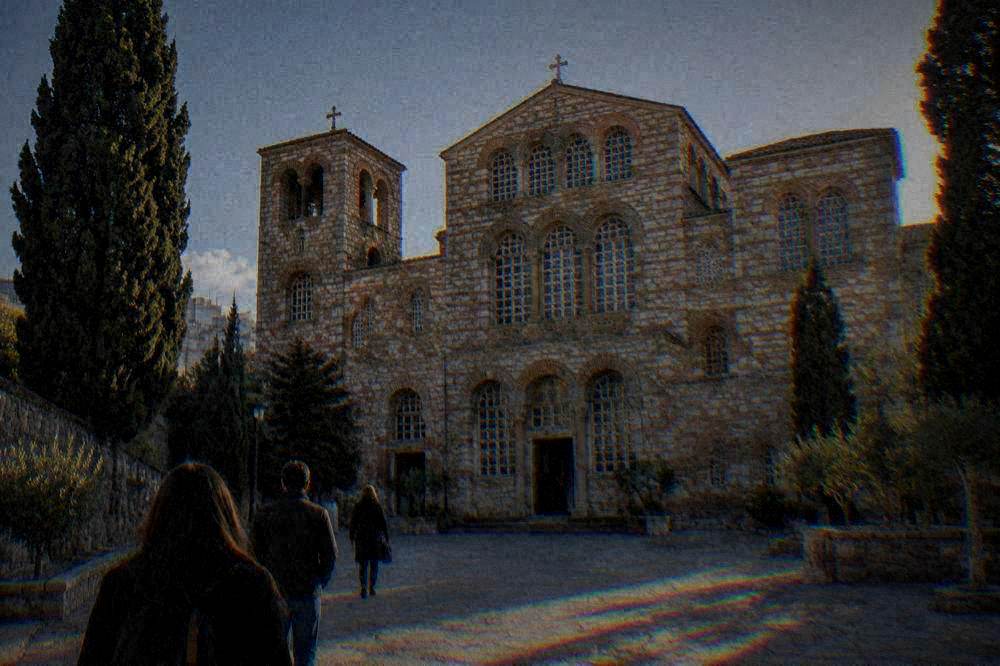
Port Of Thessaloniki: Pier A Warehouses And Museums
The port of Thessaloniki sits on the Thermaic Gulf in Central Macedonia, northern Greece, a working harbour whose passenger terminal, museums and warehouse districts sit within walking distance of the White Tower and Aristotelous Square.
Short answer
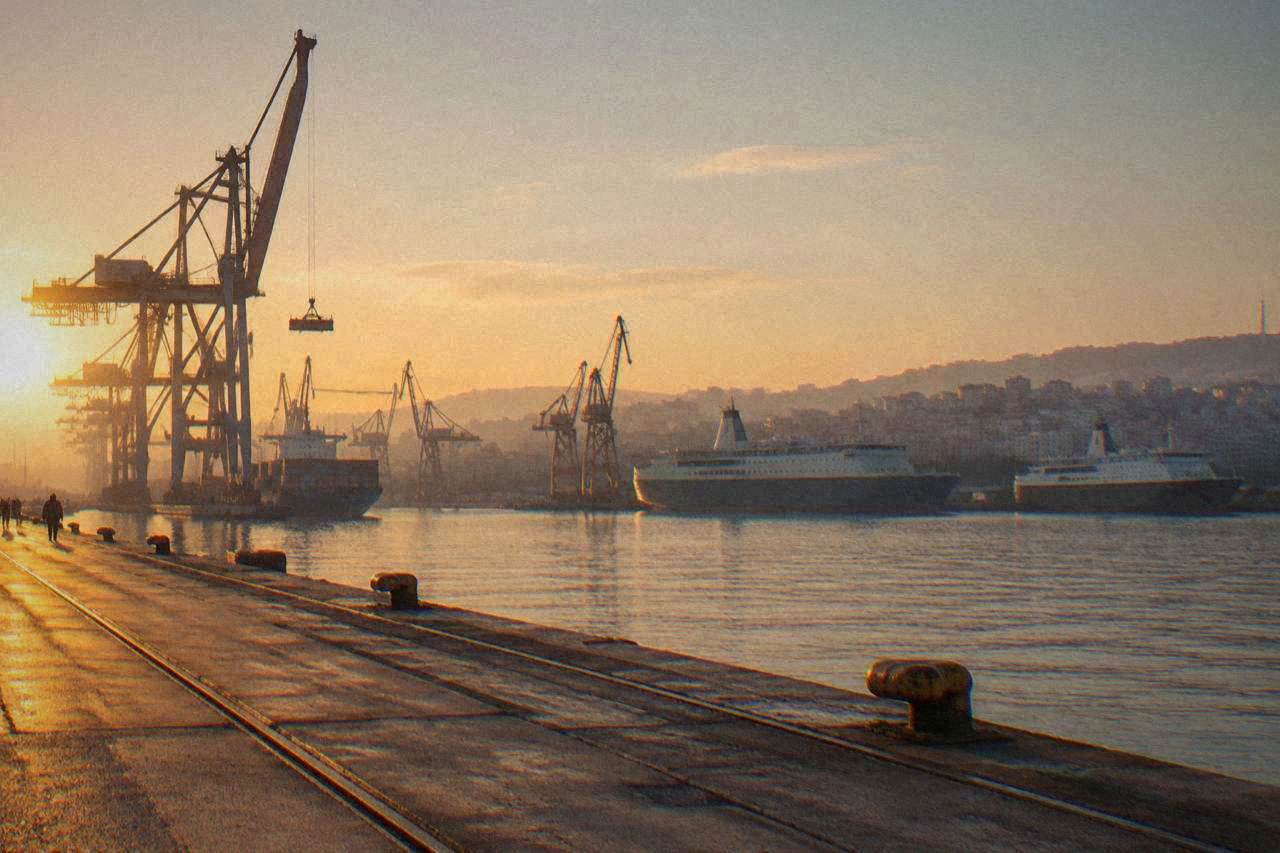
The port of Thessaloniki is a working commercial harbour on the Thermaic Gulf whose passenger side sits close to the city centre: the White Tower is a short walk east along the seafront, the Archaeological Museum and the Museum of Byzantine Culture are nearby, and the metro, buses and taxis cover the rest.
The port of Thessaloniki is a working commercial harbour on the Thermaic Gulf, in Central Macedonia, northern Greece, and it wraps around the city's western seafront like a forearm around a wrist. Ferries, cargo ships and the occasional cruise vessel tie up here, while the eastern edge of the harbour fades into the Nea Paralia promenade and the White Tower. This page covers what actually sits on the piers, what can be reached on foot from the passenger side, and how the harbour fits into the story of a city founded in 315 BC by Cassander and named for his wife Thessalonike. For a broader sweep of the city, the site's main page on things to do in Thessaloniki lists the full sightseeing picture.
Where Is The Port Of Thessaloniki And What Sits On Its Piers?
The port of Thessaloniki occupies the northwestern corner of the Thermaic Gulf, directly west of the city centre: it is a working harbour with container and cargo berths, a passenger side used by cruise ships and seasonal ferries, and restored warehouse buildings that now hold museums and cultural venues. The harbour and the historic core sit side by side, so the boundary between port and city blurs quickly. The White Tower stands about a short stroll east along the seafront, and Aristotelous Square lies just behind the waterfront boulevard. This is not an island port or a distant industrial exile; it is a city-centre harbour, closer to the main sights than the ports of many larger Mediterranean cities.
The port is operated by the Port of Thessaloniki authority, and its commercial side is genuinely busy. Container traffic moves through the western piers, and a reported expansion of the Pier 6 container terminal, under a contract signed around November 2025 with an about 40-month timeline, is reported at roughly 196 million euro by port-industry outlets; treat that as a reported figure and confirm with current sources. None of that industrial activity touches the passenger experience, which uses the eastern berths nearest the city.
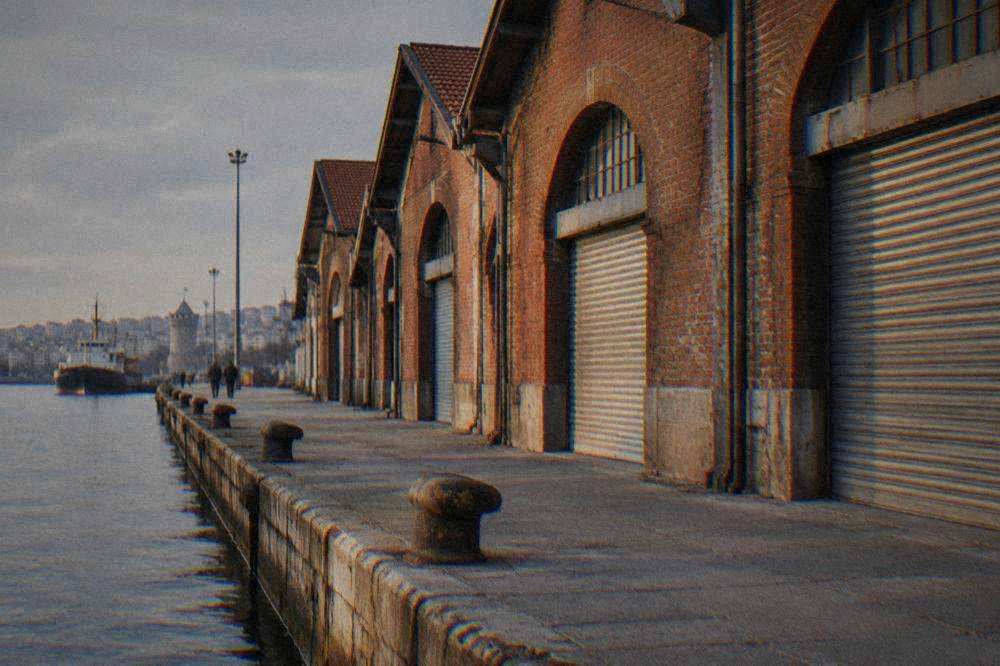
What sits on and around the piers:
| Area of the port | What it holds | Visitor relevance |
|---|---|---|
| Eastern passenger berths | Cruise and ferry terminals | Arrival point for sea travellers |
| Restored warehouse row | Museums, cinemas and cultural venues | Walkable from the centre |
| Western container piers | Cargo handling, reported Pier 6 expansion | Working harbour, not open to visitors |
| Quay promenade | Seafront walking route toward the White Tower | Free, open seafront access |
| Adjacent Ladadika district | Historic eating and drinking quarter | A few minutes on foot |
The warehouse buildings are the part that surprises arrivals. Thessaloniki's port sheds, like the harbour itself, date from the city's great commercial era after its liberation on 26 October 1912, and several have been converted to cultural use rather than demolished. The Ladadika district, the old oil-merchants' quarter immediately inland, is the natural companion to a port walk: the name comes from the olive-oil trade that once filled its storefronts.
What Can You See Within A Short Walk Of The Thessaloniki Port?
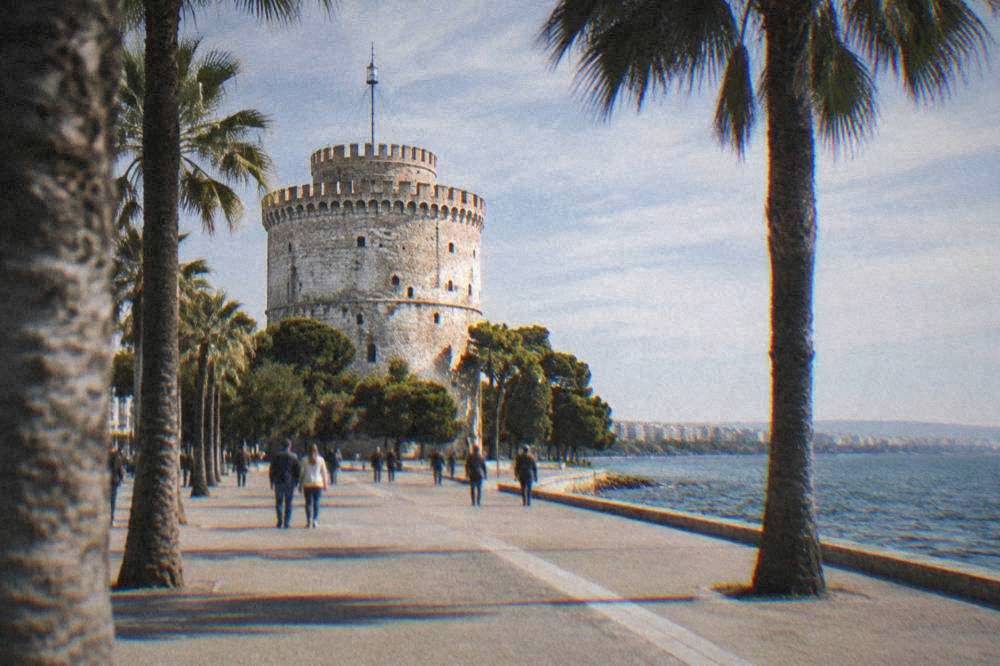
Within a short walk of the passenger side of the port of Thessaloniki you can reach the White Tower, the Archaeological Museum, the Museum of Byzantine Culture, the Arch of Galerius, the Rotunda, Aristotelous Square and the Ladadika district, because the harbour sits on the western edge of the historic centre rather than outside it. The seafront itself, the Nea Paralia, begins near the White Tower and runs east as a promenade built for walking, not swimming; swimming happens at Perea, about 28 minutes by road, or Epanomi. A cruise passenger docking here starts sightseeing the moment they step ashore, which is unusual for a port city of this size.
The nearest landmarks line up in a clean sequence along and behind the waterfront, and the flat terrain makes the whole stretch easy on foot. The cluster of UNESCO-listed Paleochristian and Byzantine monuments, fifteen of them inscribed in 1988, spreads through the streets just inland, with the city walls and the Ano Poli upper town rising behind.
| Sight | Direction from the passenger berths | Admission |
|---|---|---|
| White Tower | East along the seafront | 8 euro full, 4 euro reduced from 1 April 2026 |
| Archaeological Museum | Inland, east of the port | 10 euro full, 5 euro reduced |
| Museum of Byzantine Culture | East of the port on the main road | 10 euro full, 5 euro reduced |
| Arch of Galerius | Inland from the museums | Free, open-air street monument |
| Rotunda | Beyond the Arch of Galerius | Check the current price on the official ticket page before visiting |
| Aristotelous Square | Behind the waterfront boulevard | Free public square |
| Ladadika | Immediately inland from the port | Free public district |
The White Tower deserves its place first on that list. Once an Ottoman fortification and prison tower, whitewashed in 1890, it now serves as the city's museum of its own history, open daily 08:00 to 21:00 in summer and 08:30 to 15:30 in winter, with entry up to 20 minutes before closing, per the Museum of Byzantine Culture's visiting page, which administers it. The 8 euro full and 4 euro reduced prices are those in force from 1 April 2026; older guides still print 4 euro, and that figure is out of date.
For travellers who prefer not to plan the walking route themselves, the site's Thessaloniki City Sightseeing Hop-On Hop-Off Bus Tour page covers the hop-on hop-off option, which links the port end of the seafront with the eastern sights, and a private guide option exists in the Thessaloniki Private Walking Tour with a Local. Both are described in more detail further down this page.
How Do Cruise Passengers Use The Thessaloniki Port?
Cruise passengers arriving at the port of Thessaloniki step off within walking distance of the main sights: the White Tower and the museums sit east along the flat seafront, the metro's Line 1 connects the wider city, and shore excursions and hop-on hop-off buses cover the rest, so a day here needs no long transfer. Unlike ports that empty into an industrial suburb an hour from town, this harbour fronts the historic centre directly. The city's dedicated Thessaloniki cruise port day itinerary lays out a full day plan for exactly this arrival.
What the port itself offers ashore is modest: the passenger terminal and the warehouse cultural venues. What surrounds it is not. A realistic day runs the seafront east to the White Tower, cuts inland to the Archaeological Museum or the Museum of Byzantine Culture, continues to the Arch of Galerius and the Rotunda, and finishes in Ladadika before reboarding. Fit all of that around a midday arrival and the day still feels unhurried, because nothing on that route demands a vehicle.
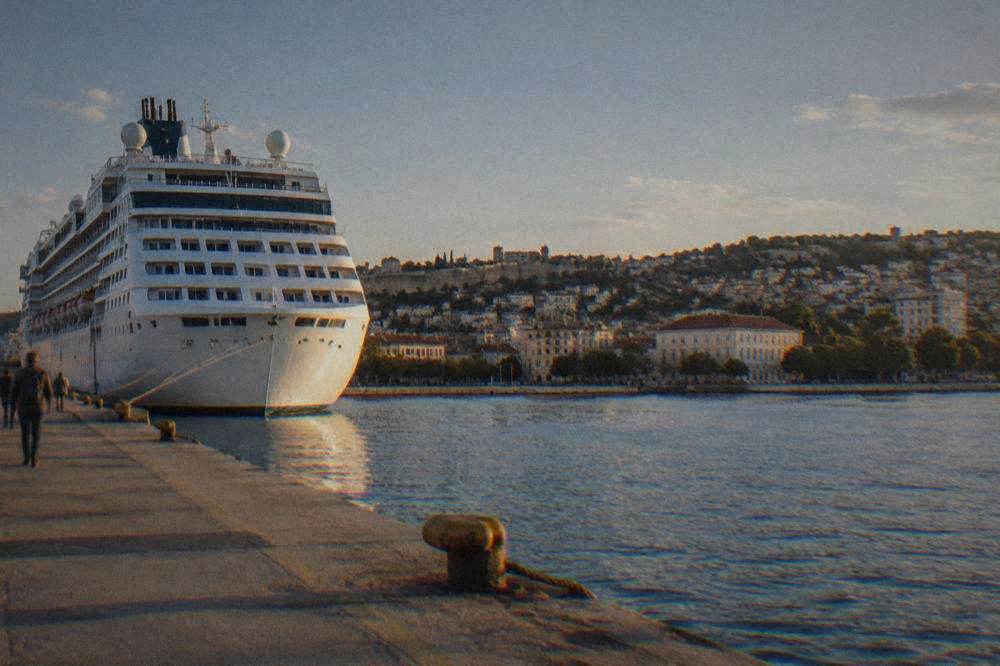
Seasonality matters less than at island ports. The HNMS Thessaloniki Mikra station record, 1959 to 2010, puts the July mean daily high at 31.7 C and the January mean daily low at 1.5 C, so the sailing and cruise season concentrates in the warmer half of the year, but the city itself receives visitors year round and the November film festival, the 67th edition of which ran 5 to 15 November 2026, keeps the autumn busy. Seasonal ferry links also touch this harbour: a reported high-speed Thessaloniki to Sporades service operated from about late June 2026 before ending in the autumn, and travellers should confirm any seasonal sailing before relying on it.
Shore excursion options booked in advance give the day a spine. A dedicated shore excursion with port pickup exists in the site's tour roster, and the hop-on hop-off bus ticket below is the simplest way to cover the seafront and the eastern sights at your own pace.
Which Museums Cluster Closest To The Thessaloniki Waterfront?
Three major museums sit within a short distance of the port of Thessaloniki: the White Tower, the Archaeological Museum of Thessaloniki and the Museum of Byzantine Culture, all state-run, all charging 8 or 10 euro full admission after the 1 April 2026 price revision, and all reachable on foot from the harbour. The port-side warehouse cultural venues round out the cluster.
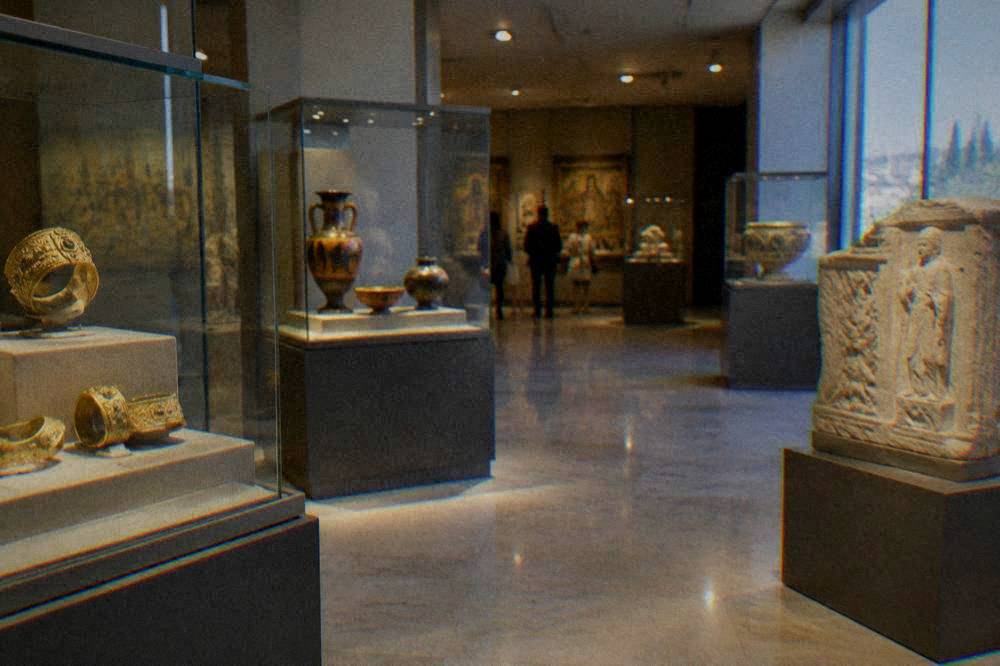
The two flagship museums justify the walk on their own. The Archaeological Museum holds the Macedonian antiquities, including gold from the region's royal tombs, and the Museum of Byzantine Culture covers the centuries that gave Thessaloniki its UNESCO-listed monuments. A reported combined ticket of about 15 euro full and 8 euro reduced, covering the main state sites, circulates in guides citing the state archaeology portal; that figure is reported rather than re-checked, so confirm before you go. The site's overview of Thessaloniki museums compares them in detail.
| Museum | Summer hours | Winter hours | Admission |
|---|---|---|---|
| White Tower | Daily 08:00 to 21:00 (1 Apr to 31 Oct) | Daily 08:30 to 15:30 | 8 euro full, 4 euro reduced |
| Archaeological Museum | Daily 09:00 to 17:00 (1 Apr to 31 Oct) | 09:00 to 17:00, closed Tuesday | 10 euro full, 5 euro reduced |
| Museum of Byzantine Culture | Daily 08:00 to 20:00 (8 May to 31 Oct) | Mon and Wed to Sun 08:30 to 15:30, closed Tuesday | 10 euro full, 5 euro reduced |
| State free-admission days | 6 Mar, 18 Apr, 18 May, last weekend of September, 28 Oct | Same | Free |
The last entry at the Archaeological Museum is 20 minutes before closing, a detail the museum's own visiting page states. The Tuesday closure in winter at both the Archaeological Museum and the Museum of Byzantine Culture catches out travellers who assume daily opening all year; plan around it between 1 November and 31 March. Free entry for EU citizens up to 25 applies at the state museums, per the Museum of Byzantine Culture's page.
A guided walk turns the museum quarter into a narrative rather than a checklist. A private local-guide option covers the route from the port side eastward, and the tour below is the strongest of those for visitors who want the museum-and-monument stretch explained rather than just located.
How Do You Get From The Thessaloniki Port To The City Centre?
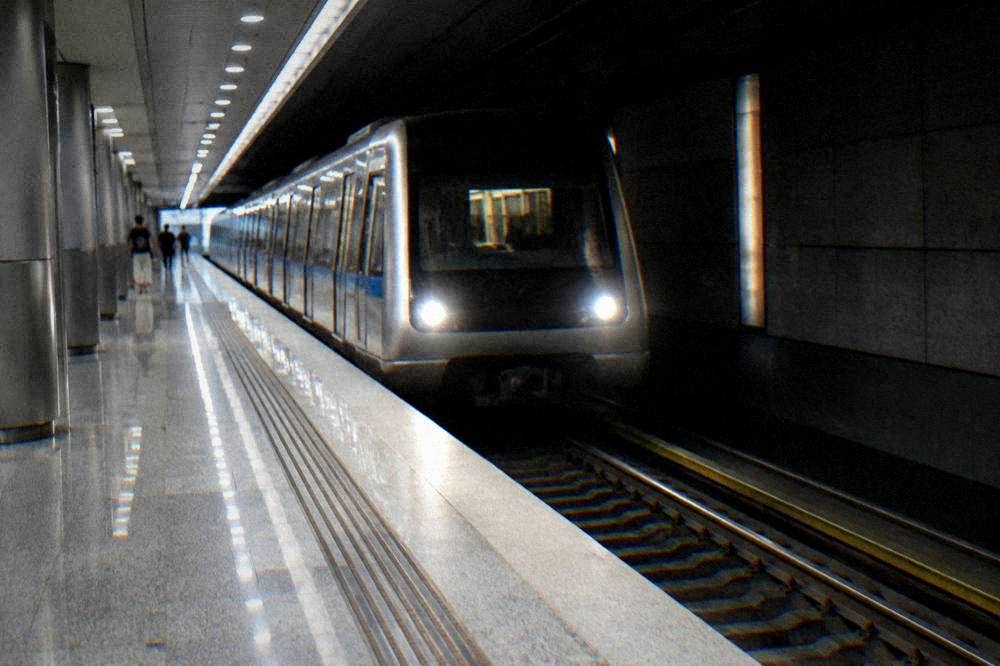
The port of Thessaloniki sits so close to the centre that walking is the main option, and the metro backs it up: Line 1, open since November 2024 and extended to Kalamaria on 27 August 2026, runs 05:15 to 00:30 Sunday to Thursday and 05:15 to 02:00 Friday and Saturday, with a basic ticket at 0.60 euro and a daily ticket at 2.50 euro, per the Thessaloniki Metro's ticket page. The metro's opening ended decades of waiting and false starts, and it now links the New Railway Station, west of the port area, with the eastern districts. Old guides that describe a metro under construction are out of date.
From the passenger berths, the practical choices are simple. Walking covers everything in the historic core. City buses and taxis cover longer hops, and the airport at SKG, about 16 km and 20 minutes by road from Aristotelous Square, is reached by the X1, X2 and X3 airport bus lines listed on the OASTH network page, with a reported airport bus fare of about 2 euro and a reported daytime taxi fare to the centre of about 25 euro; both figures are reported, so confirm before relying on them.
| Transport option | Key figures | Source note |
|---|---|---|
| Metro basic ticket | 0.60 euro, one journey | Thessaloniki Metro ticket page |
| Metro daily ticket | 2.50 euro, 24 hours | Thessaloniki Metro ticket page |
| Metro 10+1 ticket bundle | 5.80 euro | Thessaloniki Metro ticket page |
| Metro 30-day pass | 16 euro | Thessaloniki Metro ticket page |
| Airport bus | About 2 euro, reported | Confirm before travel |
| Taxi, airport to centre | About 25 euro by day, reported | Confirm before travel |
One caution that matters for planning: the port area's western edge, where the container terminal and the intercity KTEL Macedonia bus station sit, is a working freight zone. Nothing about it is dangerous to read about, but the passenger experience belongs to the eastern berths, and the metro and bus connections into the centre are best picked up from the city-side streets rather than through the cargo gates. The emergency number throughout Greece is 112.
What Day Trips Leave From Near The Thessaloniki Port?
Day trips from the port area of Thessaloniki fan out across Central Macedonia: Pella is about 43 minutes by road, Vergina about 62, Dion about 67, Edessa about 82 and Meteora about 154 minutes one way, so the ancient-Macedonia sites work as half-day or full-day trips while Meteora is always a full day. The free-flow drive times below are computed over routing data and exclude traffic, parking and stops, so treat each as "about". Tour operators run the popular routes with port and hotel pickup, which is how cruise passengers usually reach them.
The pattern is straightforward. The royal capital region, Pella and Vergina, lies west; the Olympus region, Dion and Litochoro, lies southwest; the waterfalls of Edessa and the wine country of Naoussa lie northwest; the Halkidiki peninsulas, Kassandra and Sithonia, lie south; and Meteora's monasteries rise far to the southwest. The site's guides on Vergina and the other destinations cover each in depth.
| Day trip | Road distance from Aristotelous Square | Free-flow drive time |
|---|---|---|
| Perea (swimming beaches) | 23.0 km | About 28 min |
| Pella | 45.7 km | About 43 min |
| Vergina (Aigai) | 68.0 km | About 62 min |
| Kassandra (Kallithea) | 86.2 km | About 78 min |
| Dion | 90.1 km | About 67 min |
| Edessa | 90.3 km | About 82 min |
| Litochoro | 90.7 km | About 67 min |
| Sithonia (Nikiti) | 97.2 km | About 96 min |
| Ouranoupoli | 129.9 km | About 139 min |
| Meteora (Kalambaka) | 227.5 km | About 154 min |
Two corrections to common claims belong here. Meteora is not an easy half day: Kalambaka is about 228 km away, and any honest plan gives it a full day. And the Mount Athos boat trips from Ouranoupoli view the monastic coast from the sea without landing; entry to Athos itself requires a permit, the diamonitirion, and is open to men only, as the pilgrims' rules specify. Women and men alike can take the coastal cruise, reported to run in the warmer months, but nobody aboard lands at the monasteries.
What Is The Weather Like Around The Thessaloniki Port?
The port of Thessaloniki shares the city's Mediterranean-with-continental-edges climate: the HNMS Thessaloniki Mikra station record, 1959 to 2010, shows a July mean daily high of 31.7 C, a January mean daily low of 1.5 C, December the highest monthly rainfall at 55.1 mm and August the lowest at 19.3 mm, with 444.5 mm across the year. The harbour faces north across the Thermaic Gulf, and the prevailing wind blows from the northwest all year except in August, when it swings southerly. Seafront walks in winter are blustery; in July and August they are hot and bright by midday.
What that means for a port visit is practical rather than dramatic. Spring and autumn are comfortable for walking the full harbour-to-White-Tower stretch. Midsummer rewards early starts, since the mean high tops 31 C in both July and August. Winter days hover around a mean high of 9 to 11 C, and rain arrives on about 11 to 13 days per month from November through January, so a waterproof layer earns its place in the bag.
| Month | Mean high C | Mean low C | Rain mm | Rain days |
|---|---|---|---|---|
| January | 9.3 | 1.5 | 37.7 | 11.5 |
| April | 19.1 | 7.9 | 36.1 | 11.1 |
| July | 31.7 | 19.3 | 23.8 | 6.7 |
| August | 31.4 | 19.1 | 19.3 | 5.1 |
| October | 21.2 | 11.3 | 43.0 | 9.3 |
| December | 10.9 | 3.2 | 55.1 | 12.7 |
All figures are HNMS Thessaloniki Mikra station, 1959 to 2010, a weather-station record of long-run means rather than a forecast for any given week. The October figures matter for cruise passengers: the Dimitria festival ran 1 to 26 October in its 2026 edition, the Thessaloniki International Fair ran 5 to 13 September 2026, and the city's cultural autumn fills the weeks around them, so a shoulder-season arrival pairs mild temperatures with a full events calendar.
How Does The Port Fit Into Thessaloniki's History?
The port of Thessaloniki grew with the city's position on the Via Egnatia, the Roman road built between 146 and 120 BC that made the harbour the export gateway of the whole Macedonian hinterland, and its modern form dates from the boom after liberation on 26 October 1912, which is also Saint Demetrius day, the city's patron festival on 26 October each year. The sea made Thessaloniki; even the city's founding in 315 BC by Cassander served a commercial logic, planting a port at the head of the Thermaic Gulf. What stands on the piers today is the layered result.
The decades after 1912 reshaped the harbour and the city around it. The Great Fire of 18 August 1917 left 73,000 people homeless and cleared the way for the Hebrard reconstruction plan that gave the centre its present layout, with Aristotelous Square opening onto the sea as the plan's ceremonial axis toward the port and Mount Olympus on clear days. The earthquake of 1978 damaged the city and closed a chapter of its building stock. The Heptapyrgion fortress above Ano Poli, a prison until 1989, watched over it all from the walls, about 8 km of which once circled the city.
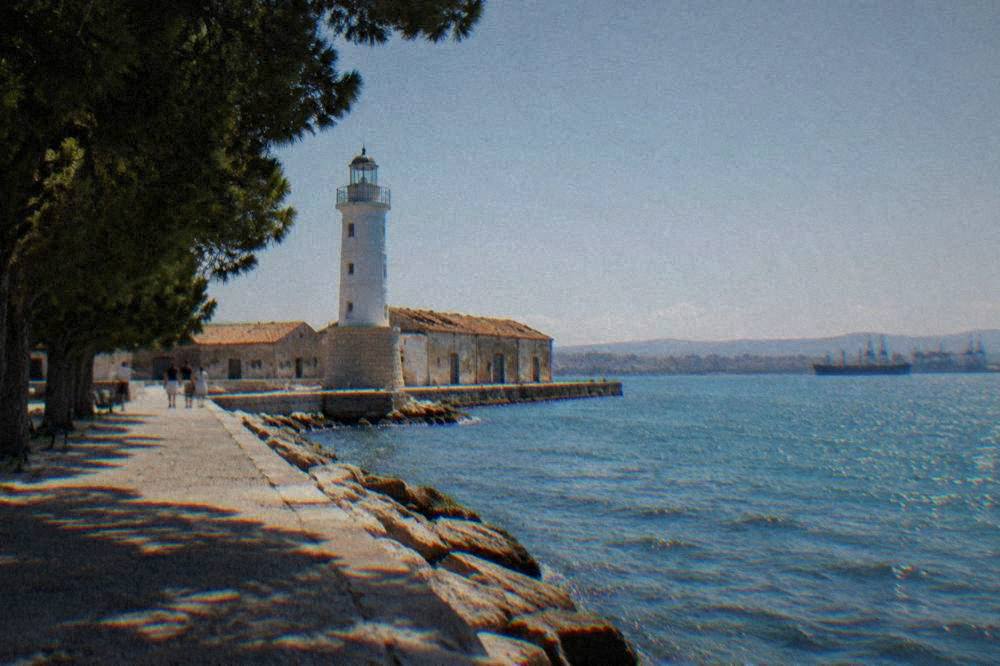
The port's passenger story continues to change. A seasonal ferry link to the Sporades islands was reported to have run from late June 2026 before ending in the autumn, and the reported Pier 6 container expansion points the commercial harbour toward further growth. Cruise calls remain modest compared with Piraeus, which is part of the appeal: arriving by sea here means stepping into a living Greek city rather than a resort strip. The shore-side network of museums, churches and markets within a kilometre of the berths is the payoff, and the Thessaloniki Travel Guide covers each of them in dedicated pages.
Cycling is the one mode that links the whole port-to-sights stretch in a single loop, since the seafront and the flat centre suit a bike, and the tour below follows exactly that route past the White Tower and the Rotunda.
Common Questions About The Thessaloniki Port
Is the port of Thessaloniki close to the city centre?
Yes. The passenger side of the port sits on the western edge of the historic centre, with the White Tower, Aristotelous Square, the Ladadika district and the main museums all within a short flat walk. No transfer is needed for the core sights.
Can you walk from the Thessaloniki cruise port to the White Tower?
Yes. The White Tower stands east along the seafront from the passenger berths, and the route follows the waterfront promenade. The tower is open daily 08:00 to 21:00 in summer and 08:30 to 15:30 in winter, with 8 euro full and 4 euro reduced admission from 1 April 2026.
Is there a metro in Thessaloniki?
Yes. Line 1 opened in November 2024 and the Kalamaria extension was inaugurated on 27 August 2026. Trains run 05:15 to 00:30 Sunday to Thursday and 05:15 to 02:00 Friday and Saturday; a basic ticket costs 0.60 euro and a daily ticket 2.50 euro, per the Thessaloniki Metro's ticket page.
Can you swim at the port or the city waterfront?
No. The Nea Paralia is a promenade, not a beach, and the city waterfront is not a swimming spot. Swimmable beaches sit at Perea, about 28 minutes by road, and Epanomi, about 36 minutes.
Do ferries run from Thessaloniki to the islands?
A seasonal high-speed service to the Sporades was reported to have run from about late June 2026 before ending in the autumn, and it was not operating in October. Confirm any seasonal sailing with current operator information before planning around it.
What is near the port of Thessaloniki for a short visit?
The White Tower, the Archaeological Museum, the Museum of Byzantine Culture, the Arch of Galerius, the Rotunda, Aristotelous Square and the Ladadika district are all within walking range, and the site's Thessaloniki cruise port day itinerary sequences them into a single day.