Archaeological Museum Of Thessaloniki: Gold Of Macedon
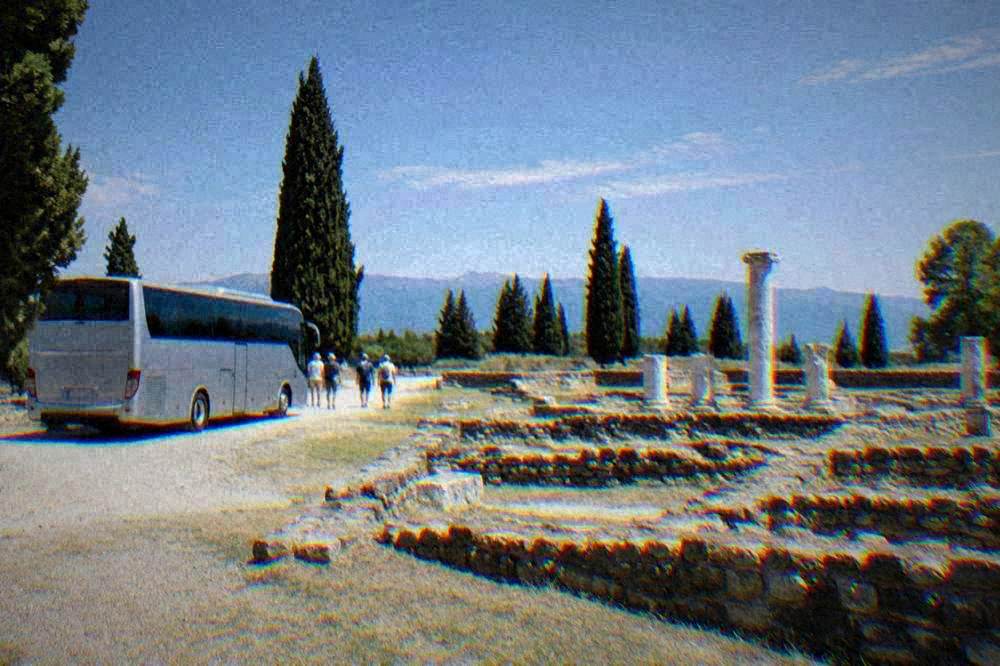
The Archaeological Museum of Thessaloniki holds the ancient story of Central Macedonia, from prehistoric settlements to the Roman era, in a landmark building near the White Tower.
Short answer
The Archaeological Museum of Thessaloniki is open 09:00 to 17:00 daily from 1 April to 31 October, and closed on Tuesday from 1 November to 31 March. A full ticket costs 10 euro, a reduced ticket 5 euro, and the last entry is 20 minutes before closing, per the museum's own visiting page.
The Archaeological Museum of Thessaloniki sits at the corner of Manoli Andronikou Street, a short walk from the White Tower and the seafront promenade, and it is the place where the ancient story of Central Macedonia is kept. Thessaloniki itself was founded in 315 BC by Cassander and named for his wife Thessalonike, sister of Alexander the Great, and the museum collects the worlds that surrounded and preceded that city: the prehistoric settlements of the Thermaic Gulf, the kingdom of Macedon at its height, and the Roman provincial capital that followed. This page sets out what the sources actually say about hours, tickets and planning, so a visit can be slotted into a wider trip that might also take in the White Tower, the Rotunda and the sea at Perea. For a full city plan, start with the things to do in Thessaloniki overview and come back here for the detail.
What Is The Archaeological Museum Of Thessaloniki?
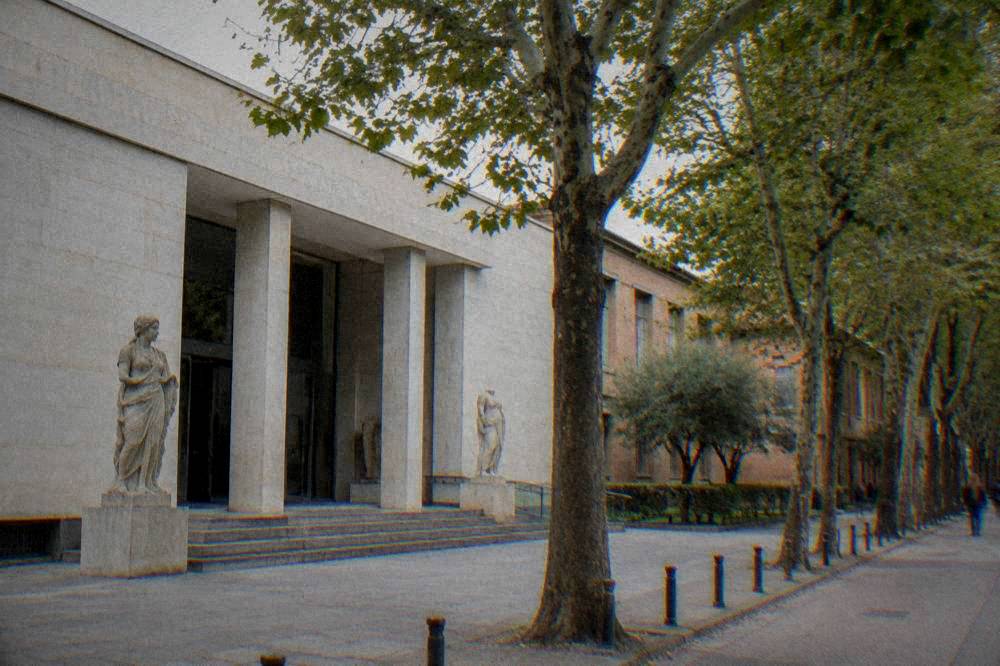
The Archaeological Museum of Thessaloniki is the national archaeological museum for Central Macedonia, in a modernist building that opened beside the White Tower to hold finds from across northern Greece, from prehistoric Macedonia through the Argead kingdom to the Roman era. It is one of the two great state museums of the city, the other being the Museum of Byzantine Culture, and the pair divides ancient history between them roughly at the coming of Christianity. The museum's visiting page is the source for everything about hours and tickets on this page.
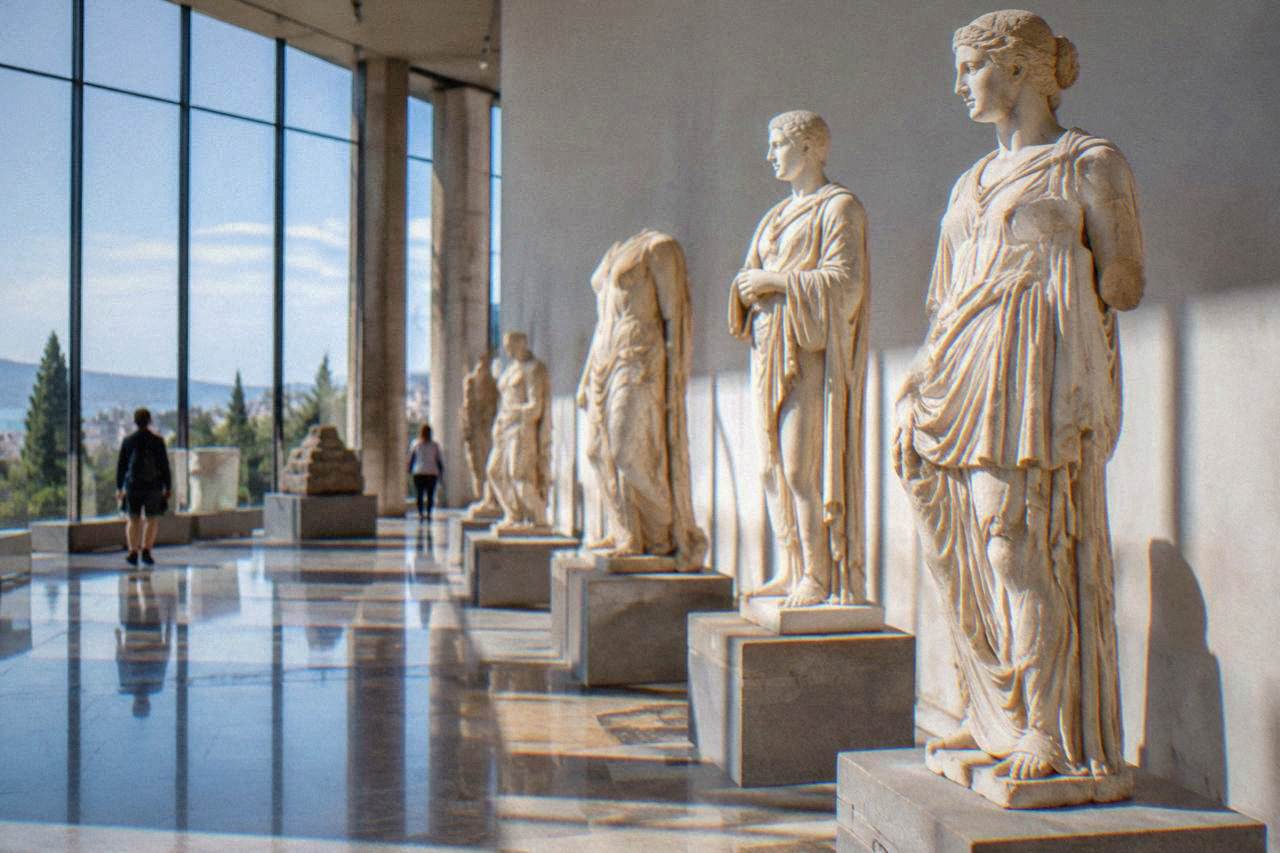
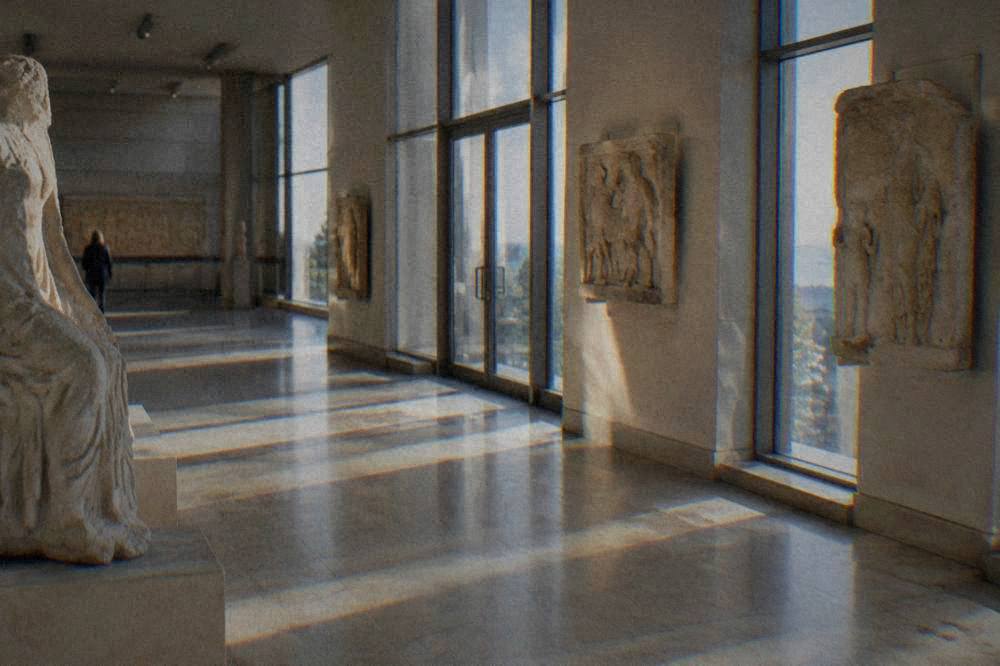
The building itself is part of the story. Its galleries are arranged around a central atrium, with sculpture courts and ground-floor halls that hold some of the largest stone pieces in Greek public collection outside Athens. Because Thessaloniki was the second city of the Byzantine world after Constantinople, and before that a Roman provincial capital and a Macedonian royal port, the museum's catchment reaches from the Thermaic Gulf to the mountains of Olympus and the plains of Pella. The surrounding quarter is the museum quarter in practice: the Museum of Byzantine Culture stands next door, and the two can be done on the same ticket window visit in one afternoon.
The collections matter beyond the city. The kingdom of Macedon produced some of the richest gold and metalwork of the ancient Mediterranean, much of it recovered from tombs in the region, and pieces from those excavations are what give this page its title, the gold of Macedon. The museum does not claim every famous find in the region; the Museum of the Royal Tombs of Aigai at Vergina, about 62 minutes by road from Aristotelous Square, holds the royal tombs themselves. What Thessaloniki's museum offers is the sweep, objects from everyday life beside the ceremonial, arranged so a visitor can follow two thousand years of Macedonian history in one building.
What Are The Opening Hours Of The Archaeological Museum Of Thessaloniki?
From 1 April to 31 October the Archaeological Museum of Thessaloniki is open daily 09:00 to 17:00, and from 1 November to 31 March it is open 09:00 to 17:00 but closed on Tuesday, according to the museum's own hours and tickets page. The last entry is 20 minutes before closing, and the page also lists the standard state holiday closures: 1 January, 25 March, Easter Sunday, 1 May, and 25 and 26 December.
That Tuesday closure in winter is the single detail most guides get wrong. Plenty of older pages describe the museum as open every day all year, and that was true in summer seasons past, but the current arrangement closes it on Tuesdays through the winter half of the year. In late spring and summer the page notes extended evening openings, 09:00 to 22:00 on the first Thursday of the month from May to September, for selected exhibitions. Anyone planning a winter city break around the museum week should build the Tuesday gap into the itinerary, and fill it with sights that never close, such as the open-air Arch of Galerius or a walk along the Nea Paralia.
| Period | Days | Hours | Notes |
|---|---|---|---|
| 1 April to 31 October | Daily | 09:00 to 17:00 | First Thursday May to September, selected exhibitions 09:00 to 22:00 |
| 1 November to 31 March | Monday, Wednesday to Sunday | 09:00 to 17:00 | Closed Tuesday |
| Last entry | Every day | 20 minutes before closing | Per the museum's visiting page |
| Closed | 1 Jan, 25 Mar, Easter Sunday, 1 May, 25 and 26 Dec | All day | Standard state closures |
The museum shares this seasonal rhythm with the other state sites. The White Tower runs daily 08:00 to 21:00 in summer and 08:30 to 15:30 in winter, and the Museum of Byzantine Culture runs daily 08:00 to 20:00 from 8 May to 31 October and 08:30 to 15:30, closed Tuesday, in winter. A museum morning in Thessaloniki therefore has a natural shape: the Byzantine museum next door opens earliest in summer, the Archaeological Museum opens at 09:00, and the White Tower keeps the longest evening. Full detail for the neighbouring museum is on the Museum of Byzantine Culture page.
How Much Do Tickets To The Archaeological Museum Of Thessaloniki Cost?
A full ticket to the Archaeological Museum of Thessaloniki costs 10 euro and a reduced ticket 5 euro, according to the museum's own hours and tickets page, and the reduced rate applies to the standard Greek state categories, including European Union visitors up to the age of 25. State museums in Greece also admit visitors free on fixed days each year, and those days apply here as they do across the state system.
Admission is free on 6 March, 18 April, 18 May, the last weekend of September and 28 October, dates the Museum of Byzantine Culture's visiting page lists as the state free days. Beyond those dates, the standard state exemptions apply: the museum's page names European Union visitors up to 25 among the free categories, and the usual reduced categories for students and seniors. There is also a combined ticket reported by the state odysseus portal, about 15 euro full and 8 euro reduced, covering the Archaeological Museum, the Museum of Byzantine Culture, the White Tower, the Roman Agora and the Galerian complex; that figure is reported rather than confirmed on the museum's own pages, so confirm it at the ticket desk or on the museum's own ticket page before committing to it.
| Ticket | Price | Source note |
|---|---|---|
| Archaeological Museum, full | 10 euro | Museum's own page |
| Archaeological Museum, reduced | 5 euro | Museum's own page |
| Museum of Byzantine Culture, full / reduced | 10 euro / 5 euro | Museum's own page, from 1 April |
| White Tower, full / reduced | 8 euro / 4 euro | From 1 April 2026 |
| Combined state-sites ticket, full / reduced | Reported about 15 euro / 8 euro | Reported, confirm before you go |
Budget the morning honestly. A couple doing both state museums and the White Tower at full rates pays 28 euro for the set before any combined ticket discount, and a family with EU members under 25 may pay less than half of that. The euro has been Greece's currency since 2001, so there is no exchange arithmetic to worry about. For a low-cost day in the city itself, the free things to do page on this site lists the sights that cost nothing at all.
What Are The Highlights Of The Archaeological Museum Of Thessaloniki?
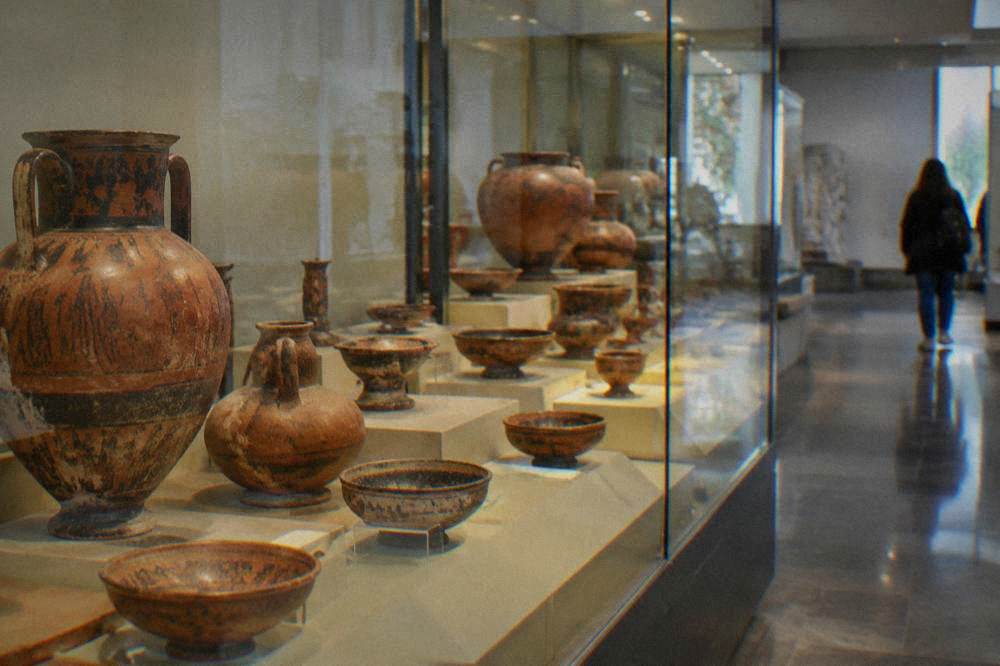
The highlights of the Archaeological Museum of Thessaloniki are its Macedonian gold and metalwork, its large sculpture courts, and its displays of everyday objects from prehistoric, Archaic, Classical and Roman Macedonia, spanning the region's history from the first settlements of the Thermaic Gulf to the late Roman city. The galleries are organised chronologically, so the visit reads as a single narrative of the land that produced the kingdom of Philip II and Alexander.
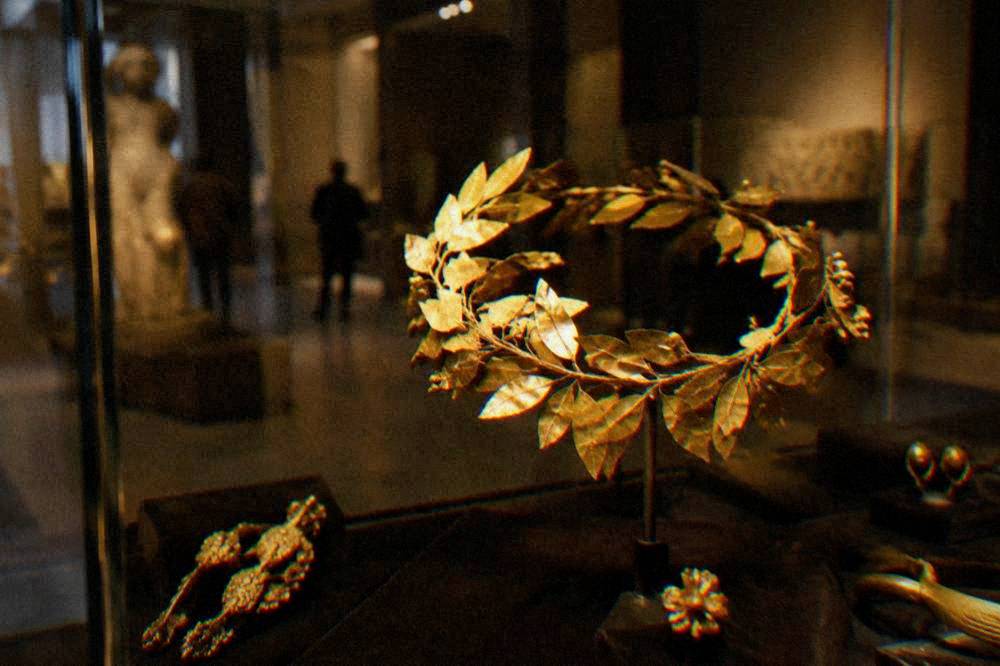
The gold deserves its billing. The royal and elite tombs of Central Macedonia yielded gold wreaths, jewellery, vessels and armour across a century of excavation, and the museum's gold displays are the reason the collection is known internationally. A practical note from the sources: the tombs themselves, the Museum of the Royal Tombs of Aigai at Vergina, are a separate site about 62 minutes and 68 km by road from Aristotelous Square, with a reported ticket of about 20 euro full and 10 euro reduced, reported rather than confirmed, so check before you go. Thessaloniki's museum complements rather than replaces that visit.
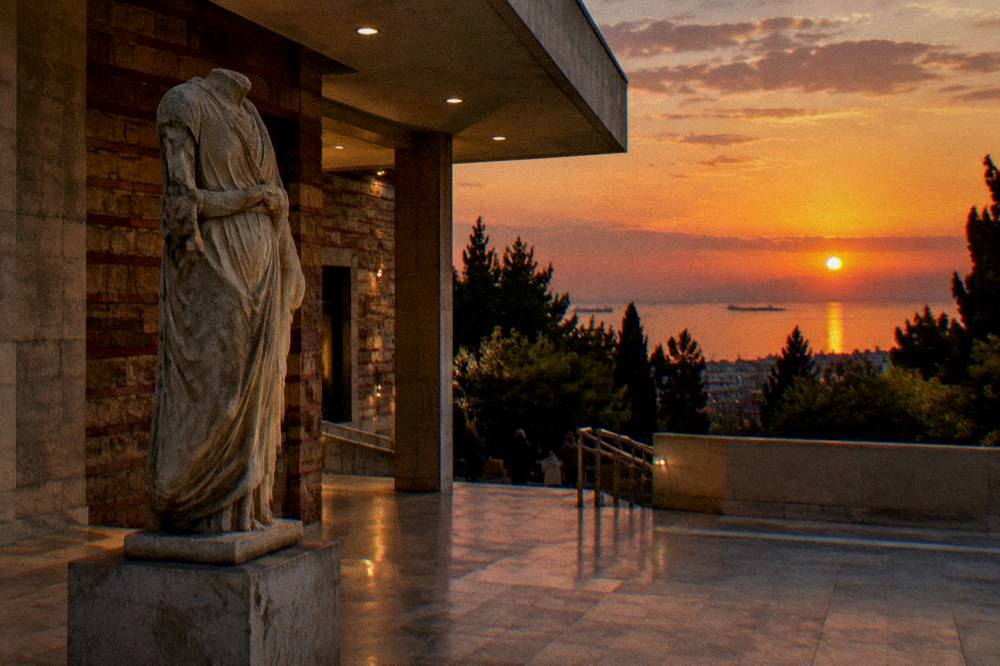
The sculpture courts carry the other half of the reputation. Roman Thessaloniki was a wealthy provincial capital, and its civic and funerary sculpture survived in quantity, some of it recovered when the city rebuilt after the Great Fire of 1917 and the 1978 earthquake. Alongside the monumental pieces, the everyday galleries hold pottery, coins, tools and household goods that show what ordinary life in the Thermaic Gulf looked like across the centuries. Visitors with a biblical interest can connect the Roman-era galleries to the city Paul wrote to, a thread this site follows on the pages for the Church of Saint Demetrius and the Rotunda.
| Gallery theme | Period covered | What it shows |
|---|---|---|
| Prehistoric Macedonia | Neolithic to Bronze Age | Settlement finds from the Thermaic Gulf region |
| Archaic and Classical | Before the Macedonian ascendancy | City life, pottery, trade and the rise of Macedon |
| Macedonian kingdom | The Argead era of Philip and Alexander | Gold, metalwork and elite burial goods |
| Roman Thessaloniki | After the Roman conquest | Civic sculpture, portraits, funerary monuments |
| Everyday life | All periods | Tools, coins, household objects in context |
How Long Does A Visit To The Archaeological Museum Of Thessaloniki Take?
A focused visit to the Archaeological Museum of Thessaloniki takes roughly two hours, and a slower visit with both sculpture courts and the special exhibitions runs closer to three, which fits comfortably inside the museum's 09:00 to 17:00 day and leaves the afternoon free for the White Tower or the seafront. There is no timed entry to plan around, though the last entry is 20 minutes before closing.
The practical pattern is to arrive at 09:00, take the galleries in chronological order, and finish in the atrium by late morning. Because the Museum of Byzantine Culture stands a few minutes away on the same block, the two museums can share a single day: ancient Macedonia in the morning, Byzantium after lunch, and the White Tower in the long summer evening, since it stays open until 21:00 in summer. In winter the arithmetic changes, because both museums close at 15:30 in the cold half of the year, so a winter visit should start at opening and treat the afternoon as promenade time along the Nea Paralia, which is a walkway rather than a swimming beach, with swimming done at Perea, about 28 minutes by road away. More of these guides are collected on Thessaloniki Travel Guide.
Families should budget a little more time, not less. The object galleries reward slow looking, and the museum quarter has open space around it for children who reach their limit indoors. A rainy-day alternative on the same theme of visual curiosity is the city's Museum of Illusions, whose admission ticket is sold as a prepaid product through the city's tour listings, and a prepaid timed product can be the easier option on a wet October afternoon when everyone indoors has the same idea. This site's Thessaloniki in the rain guide lists further indoor options.
Is The Archaeological Museum Of Thessaloniki Free On Any Day?
Yes, the Archaeological Museum of Thessaloniki is free on 6 March, 18 April, 18 May, the last weekend of September and 28 October, the fixed free-admission days that apply across Greek state museums, and it is also free for European Union visitors up to the age of 25 on ordinary days. Those dates come from the state list published by the Museum of Byzantine Culture's visiting page, which the Archaeological Museum follows.
Two of those dates land inside the tourist season and are worth building a trip around. The last weekend of September, the European Heritage Days weekend, is ideal because it combines free entry with late-September warmth, a mean daily high of 27.1 C in September per the HNMS Thessaloniki Mikra station record, 1959 to 2010. And 28 October, Ochi Day, is a national holiday with a parade in Thessaloniki, so a free museum morning can be paired with the public holiday atmosphere on Aristotelous Square. The 26 October saint's day of Demetrius, the city's patron, falls two days earlier and gives the same late-October stretch a festival feel.
| Free-admission day | What it marks | Best paired with |
|---|---|---|
| 6 March | Melina Mercouri Day | Late-winter city break |
| 18 April | International Day for Monuments | Spring walk in Ano Poli |
| 18 May | International Museum Day | Both state museums in one day |
| Last weekend of September | European Heritage Days | Free weekend, summer hours still running |
| 28 October | Ochi Day, national holiday | Holiday parade and seafront |
The under-25 rule rewards planning too. European Union visitors up to 25 enter free as a standing exemption, not a one-off, so a student group or a family with university-age children may find the museum costs nothing at all on an ordinary Tuesday in July. Confirm the documentation the desk wants, a passport or EU identity card showing age and nationality, before joining the queue.
How Do You Get To The Archaeological Museum Of Thessaloniki?
The Archaeological Museum of Thessaloniki is reached on foot from the White Tower in a few minutes, from the metro at the 25 Martiou or Efklidis side of the city centre, or by any bus serving the seafront museum quarter, with the metro's basic ticket at 0.60 euro and its daily ticket at 2.50 euro per the Thessaloniki Metro ticket page. The museum stands on Manoli Andronikou Street beside the Museum of Byzantine Culture, inside the wedge formed by the White Tower, the city centre and the Nea Paralia.
The metro is the new backbone of this journey. Line 1 opened in November 2024, and the Kalamaria extension, five further stations to Mikra, was inaugurated on 27 August 2026, so the system now reaches from the New Railway Station across the centre to Nea Elvetia and Mikra. Trains run 05:15 to 00:30 Sunday to Thursday and 05:15 to 02:00 Friday and Saturday. From the airport, the X1, X2, X3 and N1 bus lines connect SKG with the KTEL terminal, the Nea Elvetia metro station and the Mikra metro station respectively, per the OASTH service list, with a reported flat airport bus fare of about 2 euro; the airport itself is about 16 km and 20 minutes by road from Aristotelous Square. Full transport detail, including what the sources say about taxis, is on this site's airport transfer page in the things to do in Thessaloniki hub.
Walking remains the honest answer for anyone staying centrally. The museum quarter is flat, the seafront promenade runs straight to it from the White Tower, and the whole cluster of sights, the museum, the Museum of Byzantine Culture, the White Tower, the Arch of Galerius and the Roman-era Palace of Galerius, sits within a comfortable walk of one another. A guided orientation walk through these streets is one of the products listed for the city, and the Thessaloniki walking tour guide on this site explains what such tours typically cover.
How Does The Archaeological Museum Compare With The Museum Of Byzantine Culture?
The Archaeological Museum of Thessaloniki covers prehistory to the Roman era, while the Museum of Byzantine Culture next door covers the Christian Byzantine city that followed, and both charge 10 euro full and 5 euro reduced, so the pair costs 20 euro at full rates and divides the city's history cleanly between them. The choice is not either or: the buildings stand a few minutes apart and share a ticket quarter.
Each museum answers a different question. The Archaeological Museum answers how Macedon became the kingdom that shaped the ancient world, with the gold, the sculpture and the everyday objects of the Thermaic Gulf across two millennia. The Museum of Byzantine Culture answers what Thessaloniki became after that, a Christian metropolis of fifteen UNESCO-listed Paleochristian and Byzantine monuments, inscribed in 1988, many of which can still be walked into free of charge as working churches. A first-time visitor with two days should do both museums; a visitor with one day and a strong pull toward antiquity should choose the Archaeological Museum and pair it with the open-air Roman sites, the Rotunda and the Arch of Galerius, which cost nothing to view from the street.
| Archaeological Museum | Museum of Byzantine Culture | |
|---|---|---|
| Period covered | Prehistory to Roman era | Early Christian and Byzantine |
| Summer hours | Daily 09:00 to 17:00 | Daily 08:00 to 20:00, 8 May to 31 Oct |
| Winter hours | Closed Tuesday, 09:00 to 17:00 | Closed Tuesday, 08:30 to 15:30 |
| Full / reduced ticket | 10 euro / 5 euro | 10 euro / 5 euro |
| Strongest draws | Macedonian gold, sculpture courts | Icons, mosaics, church interiors |
The comparison extends to the smaller museums. The Jewish Museum of Thessaloniki tells the story of the Sephardic community that arrived after 1492, a history the archaeological collections touch only at the edges, and its details sit on the Jewish Museum page of this site. The Atatürk Museum at the western end of the seafront marks the city's Ottoman chapter. Confirm the hours and prices of these smaller museums locally before planning around them.
Which Archaeological Day Trips Pair Well With The Archaeological Museum?
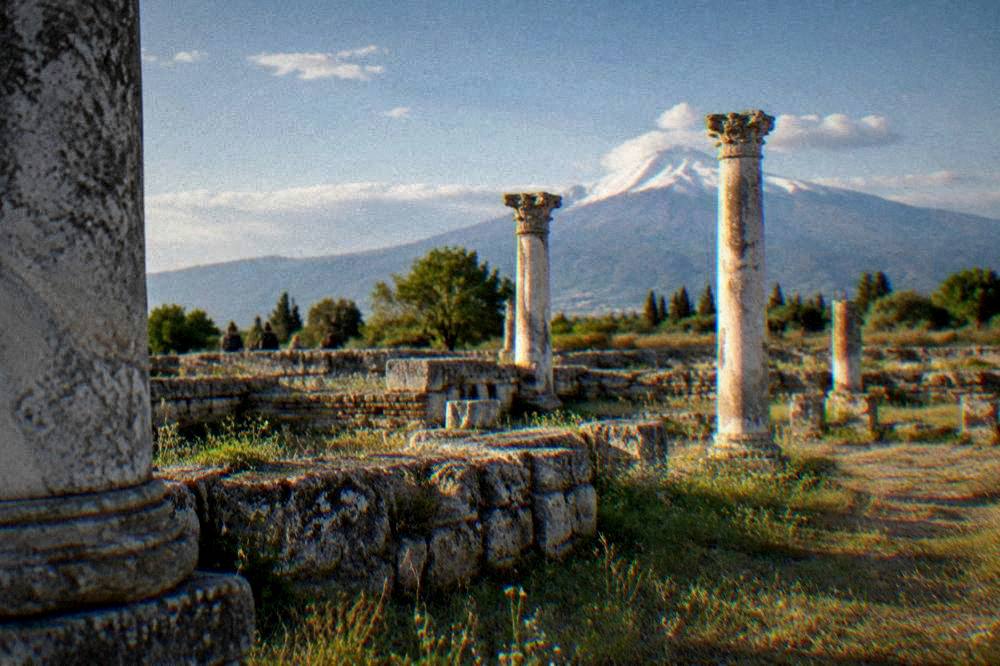
The day trips that pair best with the Archaeological Museum of Thessaloniki are Pella, about 43 minutes and 46 km by road, and Vergina, about 62 minutes and 68 km by road, because both extend the museum's story out into the landscape where the objects were found, with Dion at about 67 minutes as a third option that adds Mount Olympus. All drive times are computed free-flow times from Aristotelous Square, so add margin for traffic in summer.
Pella was the capital of the Macedonian kingdom and the birthplace of Alexander, and its museum holds the celebrated pebble mosaics of the palace, with a reported museum ticket of about 10 euro and a reported combined site ticket of about 15 euro, both reported rather than confirmed. Vergina is Aigai, the first capital, where the Museum of the Royal Tombs of Aigai is built into the great tumulus itself; the reported ticket is about 20 euro full and 10 euro reduced, and the reported hours run longer in summer with a Tuesday closure or shortened Tuesday hours in winter. A combined Pella site, museum and palace ticket of about 15 euro has also been reported, though on secondary listings, so treat all three figures as to-confirm.
| Day trip | Drive time from Aristotelous Square | Distance | Reported entry |
|---|---|---|---|
| Pella | About 43 minutes | 46 km | Museum about 10 euro, reported |
| Vergina, Aigai | About 62 minutes | 68 km | About 20 euro full, reported |
| Veria | About 52 minutes | 73 km | Check locally |
| Dion | About 67 minutes | 90 km | Park 10 euro full, 5 reduced |
| Edessa waterfalls | About 82 minutes | 90 km | Park free, reported |
| Loutra Pozar baths | About 100 minutes | 111 km | Check locally |
Dion, at the foot of Mount Olympus about 67 minutes from the square, has the archaeological park's ticket at 10 euro full and 5 euro reduced, including the Archaeological Archive of Dion, per the park's own site, with summer hours 08: The Dion detail, and how to build the trip, is on this site's Dion day trip page. Farther out, Meteora at about 154 minutes and 228 km by road is a full day, not a half day, and Kavala and Philippi at about 118 and 127 minutes suit a two-night loop rather than a day return.
A food walk might seem an odd pairing with a museum page, but the two share a district. The museum quarter sits between the seafront and the market streets that run up toward Egnatia, and a morning of gold and sculpture ends naturally in the markets and the eating streets around them. A guided food walk through those quarters is one of the city's listed products, and the Thessaloniki food tour guide on this site describes what the options cover.
What Should You Know Before You Visit The Archaeological Museum Of Thessaloniki?
Before visiting the Archaeological Museum of Thessaloniki, know the season you are travelling in, because summer brings daily 09:00 to 17:00 opening while winter closes the museum every Tuesday, and know that the city's climate runs from a January mean low of 1.5 C to a July mean high of 31.7 C per the HNMS Thessaloniki Mikra station record, 1959 to 2010. Those two facts shape the day more than anything else on this page.
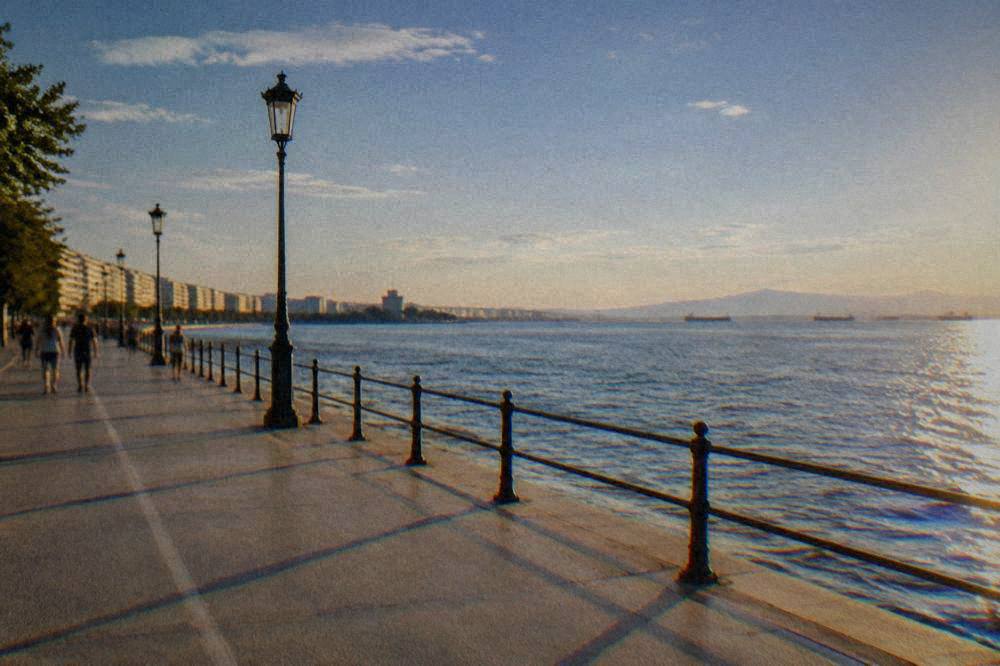
Plan the arrival for opening time in every season. In summer the museum warms through the day and the 17:00 close arrives before dinner, so 09:00 to 11:00 inside, then the seafront, is the comfortable order. In winter the 15:30 close, and the Tuesday gap, compress the museum week, but the compensation is that late-October light on the Nea Paralia is at its best in the afternoon, and October's mean daily high of 21.2 C makes the walk pleasant. December carries the highest monthly rainfall of the station record at 55.1 mm across 12.7 rain days, so a winter visit should hold an indoor fallback, and this museum is the best one in the city to hold.
A few closing practicalities. Greece is in the Schengen area and has used the euro since 2001, so a Schengen itinerary runs borderless and payment is cash-simple. The emergency number across Greece is 112. The climate resilience fee charged by accommodation is a separate matter, collected per room per night by the hotel or rental and higher from April to October, so it will appear on a lodging bill, not a museum ticket. And if the museum day is one leg of a wider northern Greece plan, this site's coverage of things to do in Thessaloniki and the day trip pages linked above hold the rest of the picture.
Common Questions About The Archaeological Museum Of Thessaloniki
Is the Archaeological Museum of Thessaloniki open every day?
It is open daily from 1 April to 31 October, 09:00 to 17:00, but from 1 November to 31 March it is closed on Tuesday, per the museum's own hours page.
How much is a ticket to the Archaeological Museum of Thessaloniki?
A full ticket costs 10 euro and a reduced ticket 5 euro, per the museum's ticket page, and European Union visitors up to 25 enter free.
Is the Archaeological Museum of Thessaloniki free on certain days?
Yes. State free days are 6 March, 18 April, 18 May, the last weekend of September and 28 October.
How long should I spend at the Archaeological Museum of Thessaloniki?
Plan on about two hours for the permanent galleries and closer to three with the sculpture courts and any special exhibitions.
Can you see the royal tombs at the Archaeological Museum of Thessaloniki?
No. The royal tombs of Aigai are at Vergina, about 62 minutes by road from Aristotelous Square, in the Museum of the Royal Tombs of Aigai, a separate site with its own reported ticket.
Is the Archaeological Museum of Thessaloniki close to the White Tower?
Yes, it stands a few minutes' walk inland from the White Tower on the seafront, next door to the Museum of Byzantine Culture.