Kalamaria: The Seaside District East Of The Centre
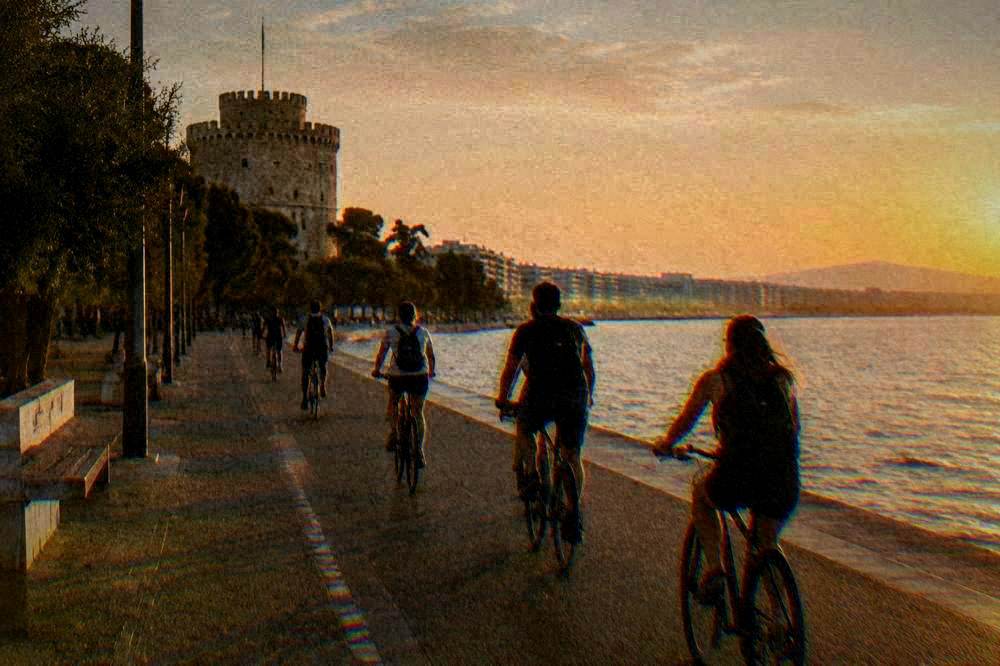
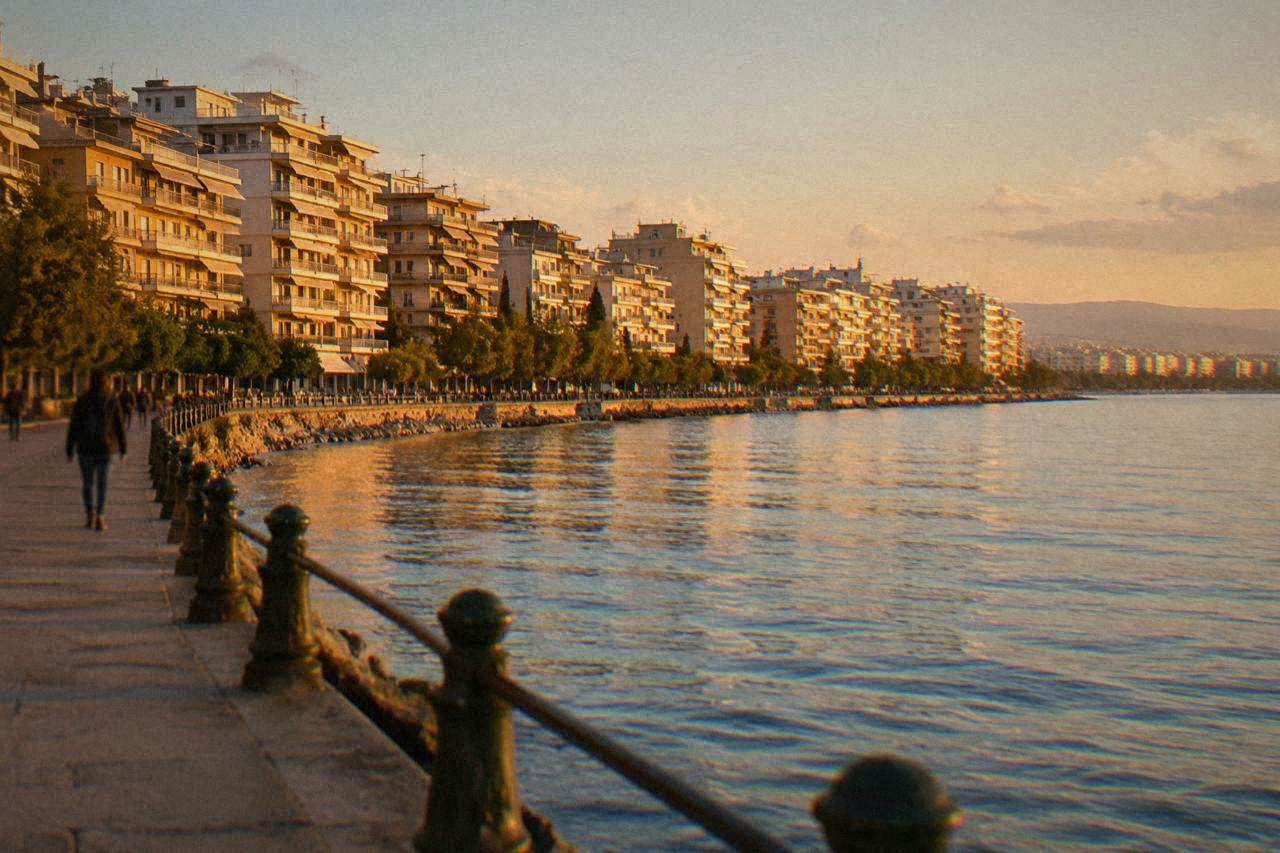
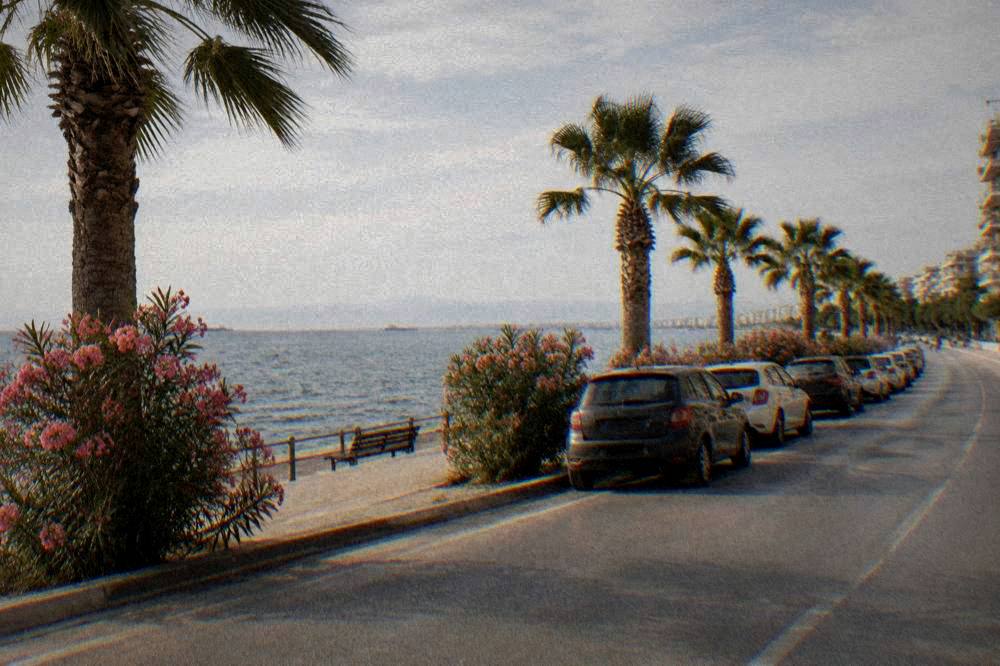
Kalamaria is the district that runs along the Thermaic Gulf east of Thessaloniki's centre, joined to the city by the metro's newest extension and fronted by a walking coast road with views across the water to the city.
Short answer
Kalamaria is a coastal district of Thessaloniki, Central Macedonia, directly east of the city centre on the Thermaic Gulf. Since 27 August 2026 it has its own metro stations, including Mikra, from where the government press release reports a journey of about 15 minutes to the centre.
Kalamaria is the district that stretches along the Thermaic Gulf immediately east of Thessaloniki's city centre, in Central Macedonia, northern Greece. It is a part of the wider urban area of a city that, according to the municipal gastronomy site, counts more than a million people, and it is the piece of that city that faces the water: apartment blocks above a coast road, sea walls, marinas and a long pedestrian stretch with the whole of Thessaloniki's seafront skyline laid out across the gulf. The name is old in the city's administration, but what has changed is connection: the metro's Kalamaria extension was inaugurated on 27 August 2026, bringing five new stations, including Mikra, to the district.
Where Is Kalamaria In Thessaloniki?
Kalamaria is a coastal district on the eastern side of Thessaloniki, running along the Thermaic Gulf from the edge of the city centre out toward the airport peninsula. It sits directly opposite the city's landmark seafront, so the White Tower and the Nea Paralia promenade are seen across the water rather than walked to in a straight line. Thessaloniki Airport "Makedonia" lies to the south-east, and the district is part of the same continuous urban area, not a separate town.
Thessaloniki is the second city of Greece, on the Thermaic Gulf in Central Macedonia, and Kalamaria is its eastern coastal arm. Kalamaria sits alongside the other named districts of the city: Ano Poli, the old upper town within the Byzantine walls, to the north; Ladadika by the port to the west; Panorama inland to the south-east; and the City Centre around Aristotelous Square between them. Kalamaria's own character comes from the water. Its south-facing shore looks across the gulf at the city skyline, which gives the district a set of viewpoints that the centre itself cannot offer, since from the centre you are inside the view rather than looking at it.
The district is a place where people live rather than a monument quarter. There is no UNESCO-listed church here, no Roman ruin, no museum from the state network; the fifteen Paleochristian and Byzantine monuments inscribed by UNESCO in 1988 all sit west of Kalamaria, in and around the historic centre. What Kalamaria has is coastline, squares, a seafront walking route, and since 2026 a fast rail link into the centre. For a visitor staying in the district or spending an afternoon there, that combination is the story, and the rest of this page works through it question by question.
| District | Side of the centre | Defining feature |
|---|---|---|
| City Centre | Central | Aristotelous Square, shops, the White Tower and the Nea Paralia |
| Ano Poli | North | Old upper town inside the Byzantine walls, Heptapyrgion |
| Ladadika | West, by the port | Restored historic quarter near the harbour |
| Kalamaria | East | Seafront on the Thermaic Gulf, views across to the city skyline |
| Panorama | South-east | Inland hill district beyond Kalamaria |
If you are planning the centre first, the site's central district overview and the White Tower guide cover the landmark side; Kalamaria is the counterweight to both.
How Do You Get To Kalamaria From The Centre Of Thessaloniki?
The metro now runs into Kalamaria: the extension inaugurated on 27 August 2026 added five stations, including Mikra, and the government press release reports a journey of about 15 minutes from Mikra to the centre. The metro runs from about 05:15 to 00:30 Sunday to Thursday and 05:15 to 02:00 Friday and Saturday, and a basic ticket costs 0.60 euro per journey.
For decades the honest answer to this question was "by bus or taxi", and older guides still say the district has no rail link. That is the number-one outdated claim about Thessaloniki generally, and it applies doubly to Kalamaria. The Thessaloniki Metro's Line 1 opened in November 2024, running from New Railway Station to Nea Elvetia, and the Kalamaria extension followed: five new stations across almost 5 kilometres, inaugurated on 27 August 2026. The Ministry of Infrastructure and Transportation's press release on the metro's own site reports 63,000 passengers a day and about 15 minutes from Mikra station to the centre; those are government figures, so treat them as reported and confirm locally before relying on them for a tight connection.
The fares are published on the metro's ticket page and are worth knowing before you travel. A basic single ticket is 0.60 euro, or 0.30 reduced; a 24-hour daily ticket is 2.50 euro; a 10+1 carnet is 5.80 euro; and a 30-day pass is 16 euro. Whether a metro ticket is also valid on the city's OASTH buses is not stated on the ticket page, so do not assume it: buy separately or ask at a station. The airport also connects to the network by bus, with the X3 line running from Mikra Metro Station to the airport, per the OASTH service list; the airport itself is about 20 minutes by road from Aristotelous Square.
| Metro ticket | Price | Notes |
|---|---|---|
| Basic single | 0.60 euro | One journey, 0.30 euro reduced |
| Daily ticket | 2.50 euro | 24 hours, unlimited metro |
| 10+1 carnet | 5.80 euro | Eleven journeys |
| 30-day pass | 16 euro | Unlimited for a month |
Hours matter for an evening in the district: last departures from the terminals are around 00:30 Sunday to Thursday and 02:00 on Friday and Saturday nights, which covers a late dinner on the coast road. For the airport run specifically, the site's airport to city centre guide works through every option in detail, and the reported taxi figures sit on the airport taxi price page.
A guided walk is one way to see the centre before riding out to the coast, and a bus ticket lets you hop between the two at your own pace.
What Should You See And Do In Kalamaria?
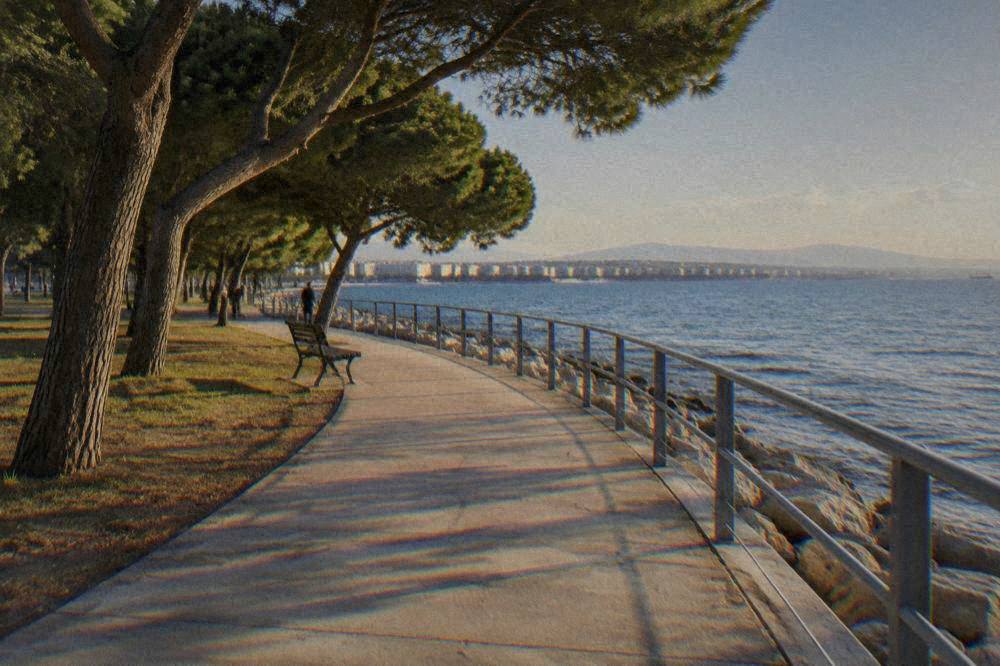
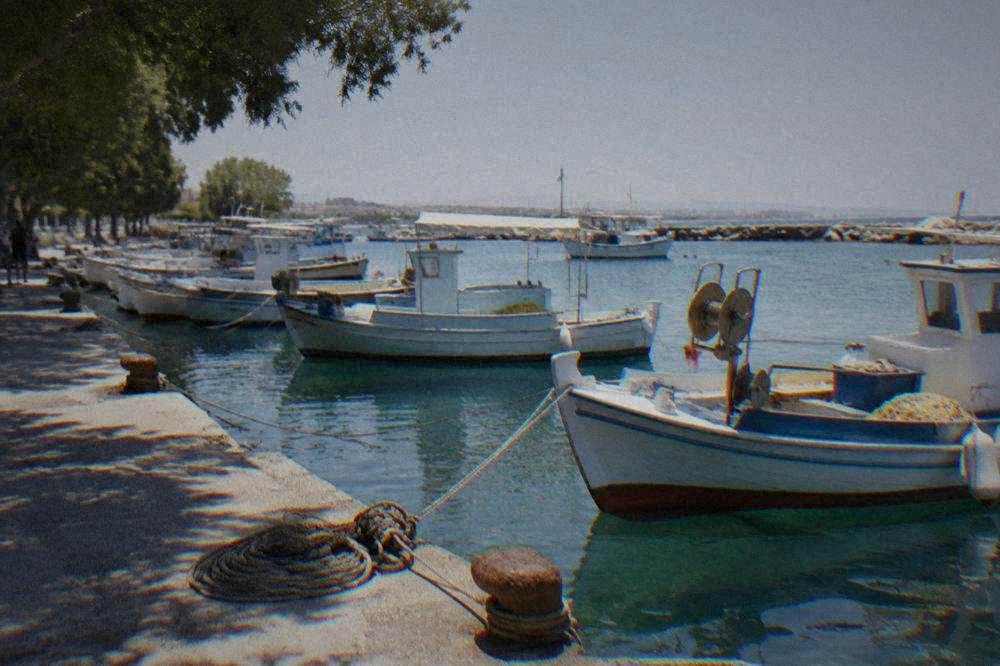
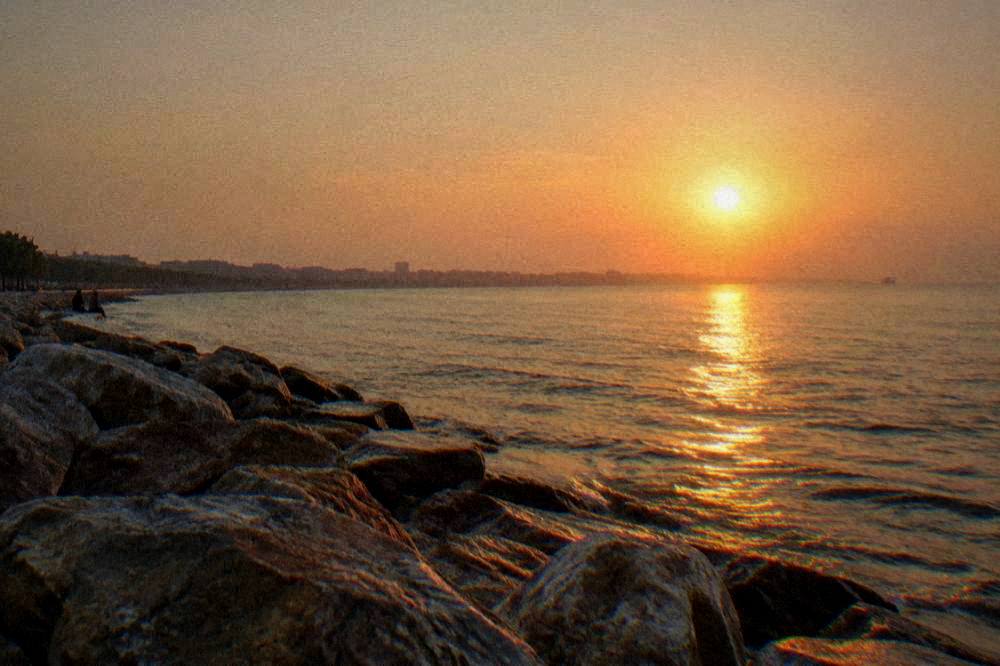
The answer is the shoreline: a seafront road and walking route with uninterrupted views across the Thermaic Gulf to the White Tower, the Nea Paralia and the hills of the centre, plus the squares and cafe life of a residential district on the water. Kalamaria holds no state museum and no UNESCO monument; the facts pack lists its identity as coastal, and the metro extension is the new reason to go.
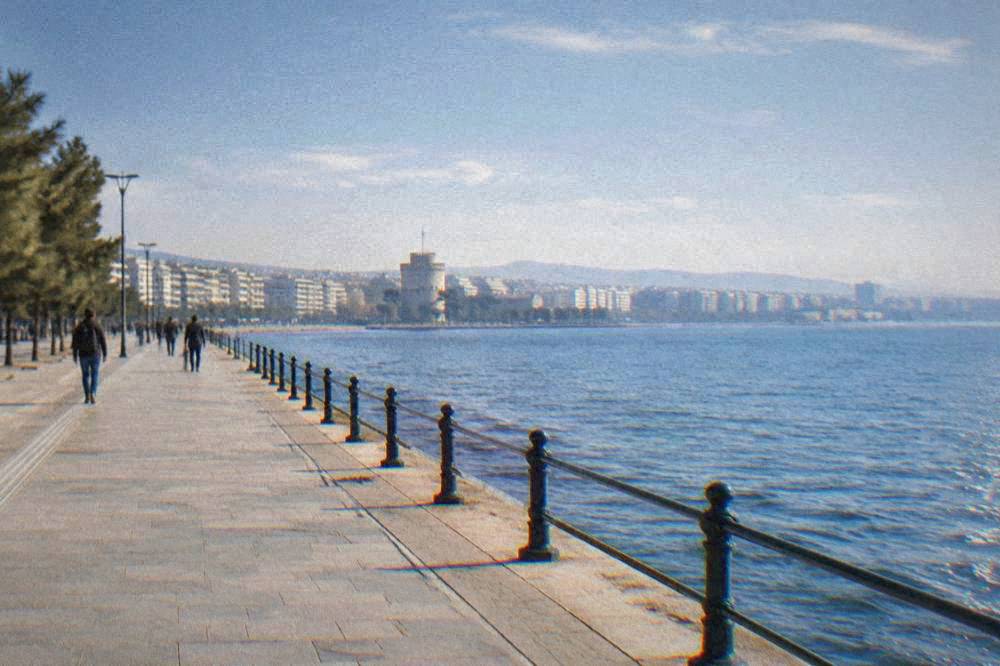
Be clear about what the seafront here is and is not. Like the Nea Paralia on the city side, Kalamaria's shore is a promenade, a walking and cycling coast, not a swimming beach. The facts pack is firm on this for the whole central waterfront: swimming in the Thermaic Gulf at the city waterfront is not advised, and the designated swimming areas are south of the city, at Perea, Agia Triada and Epanomi. Perea is about 23 kilometres by road from Aristotelous Square, roughly a 28-minute drive, and the site's Perea page covers the beach side of the gulf. In Kalamaria itself, plan to walk, eat and look, not to swim.
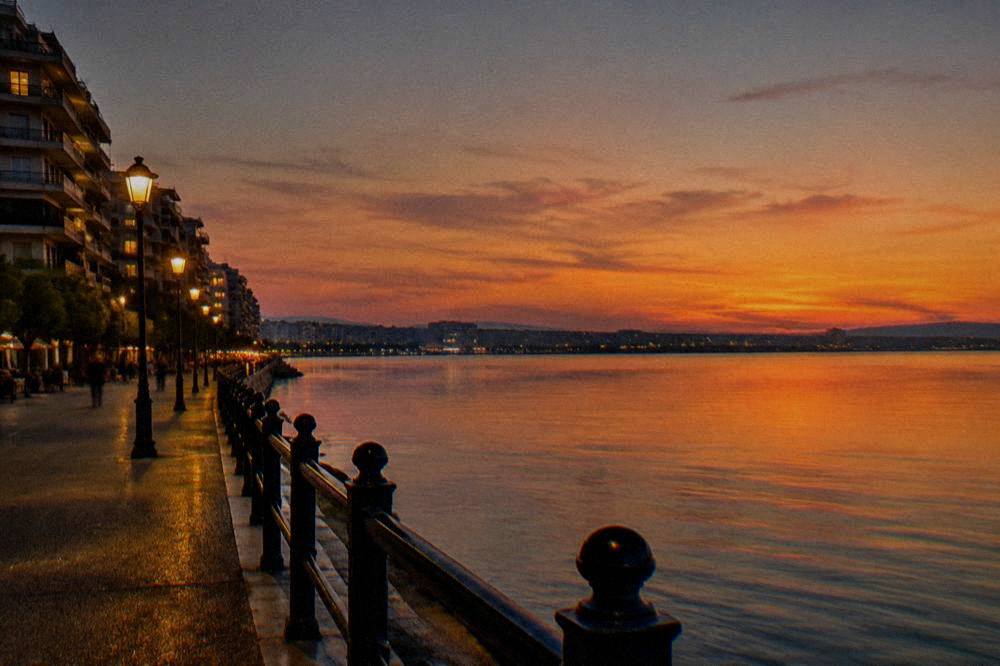
What the walk gives you is the reverse of the postcard. The classic Thessaloniki panorama, the one photographed from Aristotelous Square or the White Tower, faces east across the gulf; stand in Kalamaria and that entire skyline becomes the view, with the upper town and its walls rising behind. Sunset works in the district's favour for the same reason, since the light falls behind the city rather than behind you. The facts pack does not verify individual restaurants, cafes or nightlife venues anywhere in Thessaloniki, so this page names none: the neighbourhood's food life is real, but any specific recommendation would be invented, and the honest instruction is to follow the coast road and choose on the spot.
For structured sightseeing, the monuments are all in the centre, and the practical pattern is a morning of Rotunda, Arch of Galerius and the churches, then the metro east for the afternoon light. A tour can carry the morning half of that plan.
A hop-on bus ticket is the other structured option, covering the landmark stops of the centre with audio commentary, and it pairs well with a Kalamaria base since the metro carries you home afterwards.
How Does Kalamaria Compare With Thessaloniki's Other Districts?
Kalamaria is the waterfront district for views of the city, while Ano Poli is the historic upper town, Ladadika the port quarter and the centre the monument core; the facts pack pins all of them but verifies no ranking of "nicest", "safest" or "best for families" for any district. Choosing between them is about what a trip needs: Byzantine walls and lanes, nightlife and restaurants, or the seafront and the metro's newest stations.
Every Thessaloniki area guide wants to hand out a verdict, and the honest position is that the facts support descriptions, not rankings. Ano Poli, covered in the site's upper town guide, is the old town inside the walls, with the Heptapyrgion fortress, which the culture ministry's own page records as a prison until 1989, and lanes that predate the modern street grid. Ladadika, on the port quarter page, is the restored historic district by the harbour on the opposite side of the centre. Kalamaria's comparable fact is infrastructural: it is the district the metro reached in 2026, and the one whose shore faces the whole city.
For a visitor, the practical differences come down to three things. First, monuments: none in Kalamaria, the majority in the centre and Ano Poli. Second, transport: Kalamaria is now on the metro, Ano Poli is not, and the upper town's lanes are walked rather than ridden. Third, the water: only Kalamaria among these districts fronts the gulf with the skyline opposite, though the Nea Paralia promenade, covered on the seafront page, gives the city-side version of the same shore.
| District | Historic monuments | On the metro | Seafront |
|---|---|---|---|
| City Centre | Yes, including the Rotunda and Arch of Galerius | Yes | Nea Paralia promenade |
| Ano Poli | Yes, walls, Heptapyrgion, Byzantine churches | No | No |
| Ladadika | Restored historic quarter, no ancient sites listed | Nearby stations serve the centre | No, but by the port |
| Kalamaria | None listed in the state network | Yes, since 27 August 2026 | Yes, facing the city across the gulf |
| Panorama | None listed | No | No, inland hill district |
Staying in Kalamaria therefore trades doorstep monuments for space, shore and a reported 15-minute metro ride to the centre, a trade the site's broader things to do overview can help you weigh.
What Is The Weather Like In Kalamaria?
The nearest long-term record is the HNMS Thessaloniki Mikra station, 1959 to 2010, which sits in this part of the city and shows a July mean daily high of 31.7 C, a January mean low of 1.5 C and annual rainfall of 444.5 mm, with December the highest month for rainfall at 55.1 mm and August the lowest at 19.3 mm.
That station record is the only climate source this site prints, and for Kalamaria it is unusually local: Mikra is inside the district's own ground, at the metro's eastern terminal, so the figures describe Kalamaria's own air rather than a regional average. The seasonal shape is Mediterranean with continental edges. Winter is real: January averages a high of 9.3 C and a low of 1.5 C, and snow does fall in Thessaloniki some winters, though the site's snow page handles that question in full. Summer is hot and dry, with July and August mean highs of 31.7 and 31.4 C and just 23.8 and 19.3 mm of rain respectively, spread over 6.7 and 5.1 rain days. Other pages covering the same trip are gathered on Thessaloniki Travel Guide.
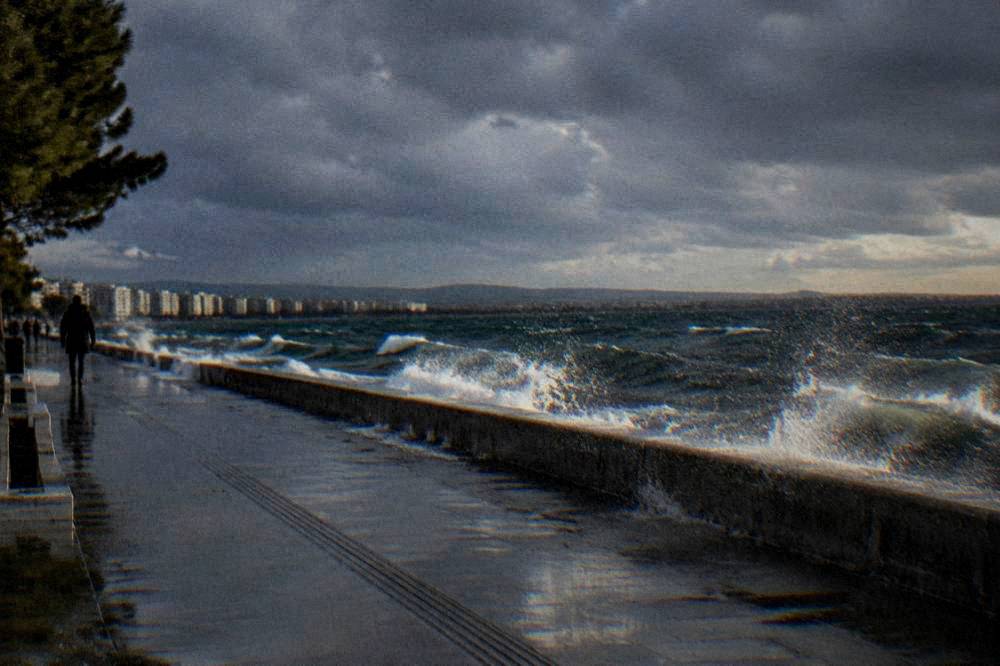
For a seafront district, wind matters as much as temperature, and the HNMS record notes a prevailing north-westerly wind through the year except in August, when it turns southerly. On an open coast road facing the gulf, that is the difference between a breeze that takes the edge off a 31 C afternoon and a still one. No monthly sunshine hours or sea temperature series exists; the honest summary is the table below, straight from the station record.
| Month | Mean high C | Mean low C | Rain mm | Rain days |
|---|---|---|---|---|
| January | 9.3 | 1.5 | 37.7 | 11.5 |
| April | 19.1 | 7.9 | 36.1 | 11.1 |
| July | 31.7 | 19.3 | 23.8 | 6.7 |
| October | 21.2 | 11.3 | 43.0 | 9.3 |
| December | 10.9 | 3.2 | 55.1 | 12.7 |
Spring and autumn are the seasons the table quietly argues for: April at a 19.1 C mean high and October at 21.2 C, both with the same rainfall as midwinter but far more usable warmth for walking a coast road.
Which Day Trips Work Best From Kalamaria?
From Kalamaria the whole day-trip map of northern Greece opens east and south: Halkidiki's beaches at Kassandra are about 78 minutes by road from Aristotelous Square and Sithonia about 96, while the region's ancient sites, Pella at 43 minutes and Vergina at 62, sit to the west. All drive times are computed free-flow figures from Aristotelous Square, and Kalamaria sits at the airport end of the city, which helps for Halkidiki and works against the western sites.
The district's position is genuinely two-sided. To the south-east lie the two road gates of the Halkidiki peninsulas: the Nea Moudania gateway is about 57 minutes from Aristotelous Square, Kallithea on Kassandra about 78 and Nikiti on Sithonia about 96. A stay in Kalamaria puts you on the correct side of the city for all of those, since you avoid crossing the centre to reach the southbound roads. The same applies to the beaches of Perea and Epanomi, 28 and 36 minutes respectively, which are the designated swimming coasts when the city promenade is not.
West and north the calculus reverses. Pella's museum and site are about 43 minutes out, Vergina's royal tombs 62, Dion 67, Edessa's waterfalls 82 and Meteora, at Kalambaka, 154 minutes away, which is why every honest guide calls Meteora a full day and never a half. From Kalamaria each of those journeys starts with a crossing of the city or a metro ride to a western terminus first, so add that in when planning. The site has dedicated pages for Edessa and the other destinations if you want the full picture.
| Day trip destination | Approximate road time from Aristotelous Square |
|---|---|
| Perea (swimming coast) | 28 minutes |
| Pella (museum and site) | 43 minutes |
| Vergina (Royal Tombs of Aigai) | 62 minutes |
| Dion (archaeological park) | 67 minutes |
| Kassandra (Kallithea) | 78 minutes |
| Sithonia (Nikiti) | 96 minutes |
| Meteora (Kalambaka) | 154 minutes, a full day |
All of these are free-flow computations with no traffic, parking or stops included, so read them as floors, not promises. The metro's Mikra terminal also sits close to the airport side of the district, which is worth remembering for departure day: the airport is about 20 minutes by road from Aristotelous Square, and the X3 bus links Mikra station directly to the terminals.
Is Kalamaria A Good Base For A Thessaloniki Trip?
As a base, Kalamaria offers a seafront setting, the metro's newest stations and a reported 15-minute link to the centre, while the monuments sit across the water. For a first visit of one to three days the centre or Ano Poli usually wins on time saved; for a longer stay or a family trip wanting daily coast walks, the trade becomes reasonable.
Start with what cannot be said. The positives are concrete: a metro link opened in August 2026, a shore that faces the city's whole skyline, and position on the correct side of town for Halkidiki, Perea and the airport. The negatives are equally concrete: every UNESCO monument, every state museum and the Roman and Byzantine core sit across the water, reached by metro plus a walk.
For a first visit of one to three days, the centre or Ano Poli usually wins on time saved, since the monument list is dense and walkable there; the site's city walking guide shows how much fits on foot. For a longer stay, a family trip that wants an afternoon coast walk each day, or a visit timed to the late-running Friday and Saturday metro, Kalamaria's trade becomes reasonable: sleep by the water, ride in for the sights. One Greek-wide practical note applies to any accommodation in the district, as everywhere in the country: a climate resilience fee is collected by the accommodation, charged per room per night, and higher from April to October, so ask your host for the exact amount at booking.
A food walk in the centre pairs naturally with a Kalamaria base: the metro carries you in for the morning, the tour carries you through the markets, and the coast road waits at the other end of the line.
Common Questions About The Kalamaria District
Is Kalamaria part of Thessaloniki?
Yes. Kalamaria is a district of the Thessaloniki urban area, running along the Thermaic Gulf east of the city centre in Central Macedonia, and it is connected to the centre by the metro's Kalamaria extension, inaugurated on 27 August 2026.
Can you swim in Kalamaria?
The city waterfront, Kalamaria's included, is a promenade rather than a swimming beach, and swimming in the Thermaic Gulf at the central waterfront is not advised. The designated swimming coasts are south of the city at Perea, Agia Triada and Epanomi; Perea is about a 28-minute drive from Aristotelous Square.
How long does the metro take from Kalamaria to the centre?
The government press release for the extension reports about 15 minutes from Mikra station to the centre. Treat that as a reported figure and confirm locally, and note the operating hours: roughly 05:15 to 00:30 Sunday to Thursday and 05:15 to 02:00 Friday and Saturday.
What is there to see in Kalamaria?
The district's attractions are its shoreline and the view across the gulf to the Thessaloniki skyline, including the White Tower and the Nea Paralia. It holds no state museum and no UNESCO monument; those sit in and around the historic centre.
Is Kalamaria close to the airport?
Thessaloniki Airport "Makedonia" is about 20 minutes by road from Aristotelous Square and sits on the same south-eastern side of the city as Kalamaria. The OASTH X3 bus links Mikra Metro Station directly to the airport.
Does Kalamaria have hotels?
Accommodation exists across the district, but this site prints no hotel names or rates, and no safety, noise or rent ranking for the area. A Greek climate resilience fee applies per room per night wherever you stay, higher from April to October; confirm the amount with your host.
Kalamaria rewards a visitor who knows what it is: not a monument quarter but a coastal one, with the metro's newest stations, a shore that frames the whole city, and the correct side of Thessaloniki for Halkidiki, Perea and the airport. Ride out for the light and the walk, ride back for the Rotunda and the churches, and let the 0.60 euro ticket do the connecting.