Kavala: Old Town, Aqueduct And Imaret
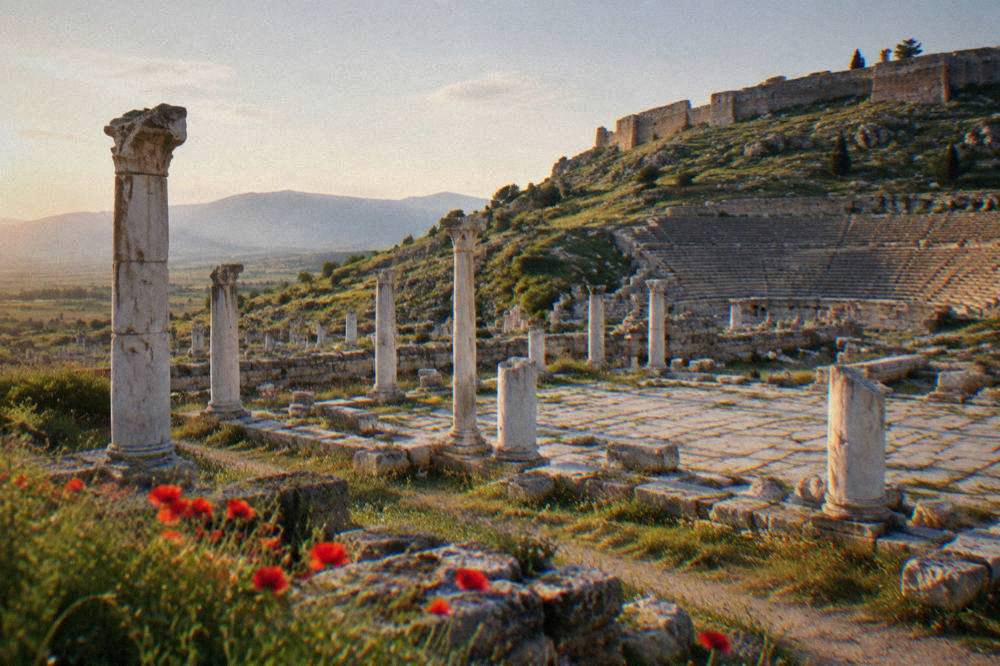
Kavala sits about 155 km east of Thessaloniki on the Aegean coast of Central Macedonia, a day trip of about two hours by road, with a walled old town above the harbour and the Roman site of Philippi within easy reach.
Short answer
Kavala is about 155 km and about 118 minutes by road from Aristotelous Square in Thessaloniki, making it one of the longer day trips from the city but a feasible one, especially when combined with Philippi.
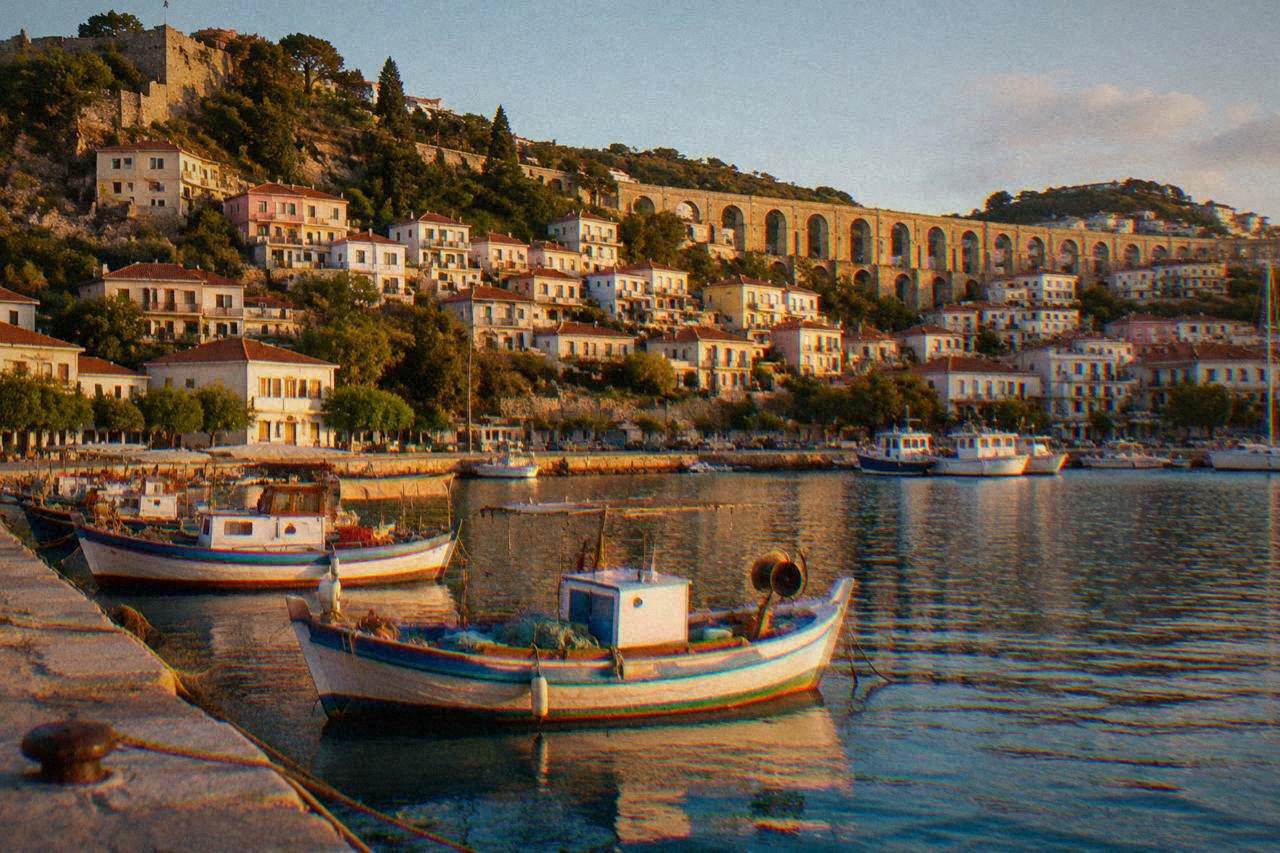
Kavala is a coastal city in the regional unit of the same name in eastern Central Macedonia, about 155 km and about 118 minutes by road east of Aristotelous Square in Thessaloniki, built in tiers above a natural harbour on the Aegean. The road east runs past the mouth of the Strymonian plain and the site of Amphipolis before the hills close in around the Gulf of Kavala, so the drive itself strings together several of northern Greece's ancient names. The city the traveller meets at the end of it is compact: a walled old town, the Panagia quarter, stacked above the port, a line of Ottoman aqueduct arches, the Kamares, crossing a mid-slope, and the seafront spreading out below. This page lays out how the day trip works from Thessaloniki, what the town itself offers, and how to pair it with Philippi.
Where Is Kavala And How Far Is It From Thessaloniki?
Kavala lies about 155 km east of Thessaloniki, about 118 minutes by road from Aristotelous Square under free-flow conditions, on the north shore of the Aegean in eastern Central Macedonia. Those figures are computed over OpenStreetMap routing with no traffic, so a real drive with summer traffic, a stop or a wrong turn runs longer. The route passes the turn-offs for Amphipolis, about 78 minutes out, and Philippi, about 127 minutes out.
That distance puts Kavala in the same bracket as the outer ring of Thessaloniki day trips, beyond Pella, Vergina and the Halkidiki peninsulas but closer than Kastoria or Meteora. The practical consequence is simple: Kavala is a full day, not a half day. A realistic plan leaves Thessaloniki in the morning, reaches the harbour around midday, gives the old town and the aqueduct the afternoon, and returns after dark in summer.
The city is not on an island and not near Athens; it is the main port town of eastern Macedonia, and from Thessaloniki it is reached by road or by intercity bus. Thessaloniki itself is the second city of Greece, a coastal city on the Thermaic Gulf whose own fifteen UNESCO-listed Paleochristian and Byzantine monuments, inscribed in 1988, are described on the Thessaloniki Travel Guide homepage. For the wider picture of the region's day trips, the northern Greece itinerary roundup covers the near options too.
What Will You See In Kavala's Old Town And Harbour?
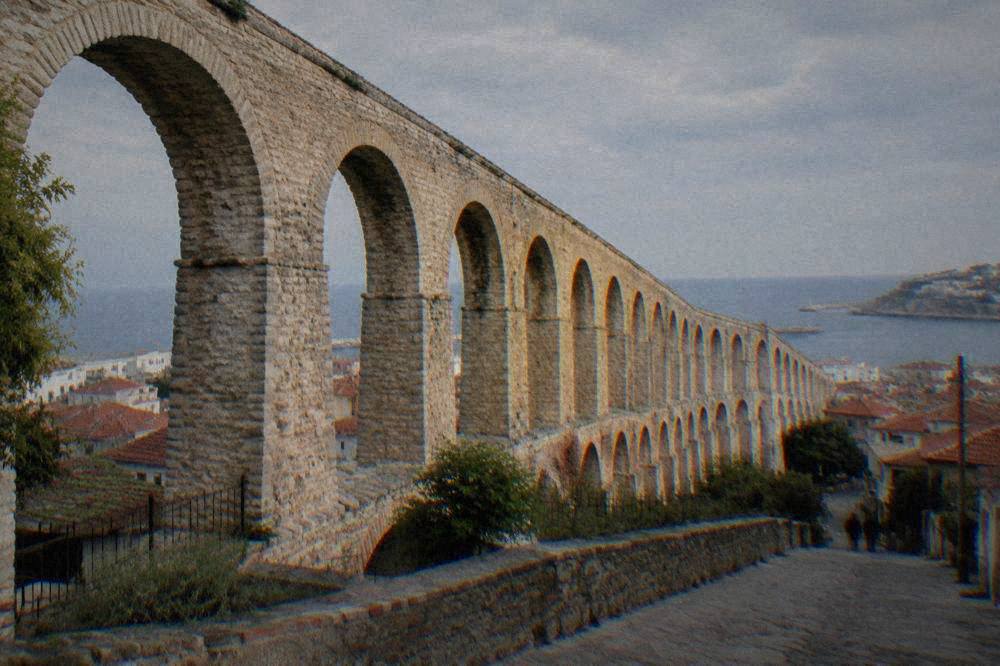
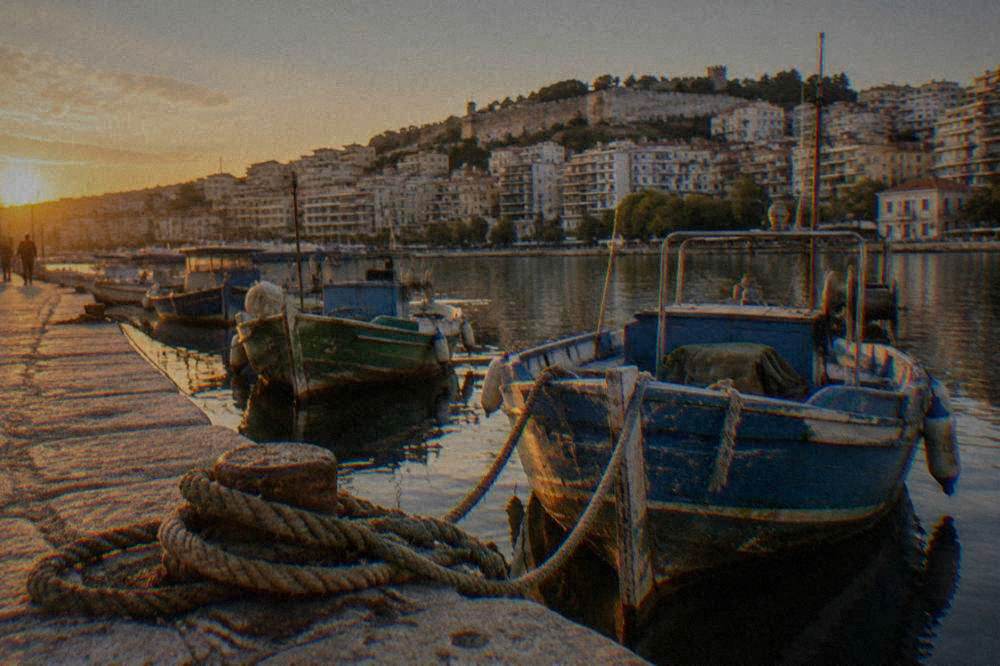
The core of a Kavala visit is the Panagia old town, a walled quarter of narrow lanes and tiled roofs stacked above the harbour, crossed by the Kamares, a long stone aqueduct of more than fifty arches, with a castle at the top and the seafront spreading below.
The old town is walkable in a loop. The aqueduct is the visual signature: it strides across the slope between the upper town and the lower, and it is best understood from below, where its full height reads against the houses. The castle above the Panagia quarter guards the summit of the peninsula, and the lanes dropping from it to the port are the reason travellers describe Kavala as an amphitheatre around a harbour. No walking-time figure is given for this loop.
Two buildings carry the town's later history. The Imaret, the large Ottoman-era charitable complex near the old town's edge, and the house associated with Mehmet Ali above the harbour are the landmarks most often named in connection with Kavala's Egyptian connection, since Mehmet Ali rose from this town to rule Egypt. Access arrangements for the Imaret building change with its use, so check locally before planning a visit inside. The municipal museum in the old town covers the town's tobacco-boom era, when Kavala was a centre of the Macedonian tobacco trade; again, hours should be confirmed on arrival rather than assumed.
For context on what a Thessaloniki day looks like by contrast, the seafront promenade guide explains the Nea Paralia, a walk rather than a swimming beach, and the White Tower guide covers the city's landmark monument, which costs 8 euro full and 4 reduced since 1 April 2026.
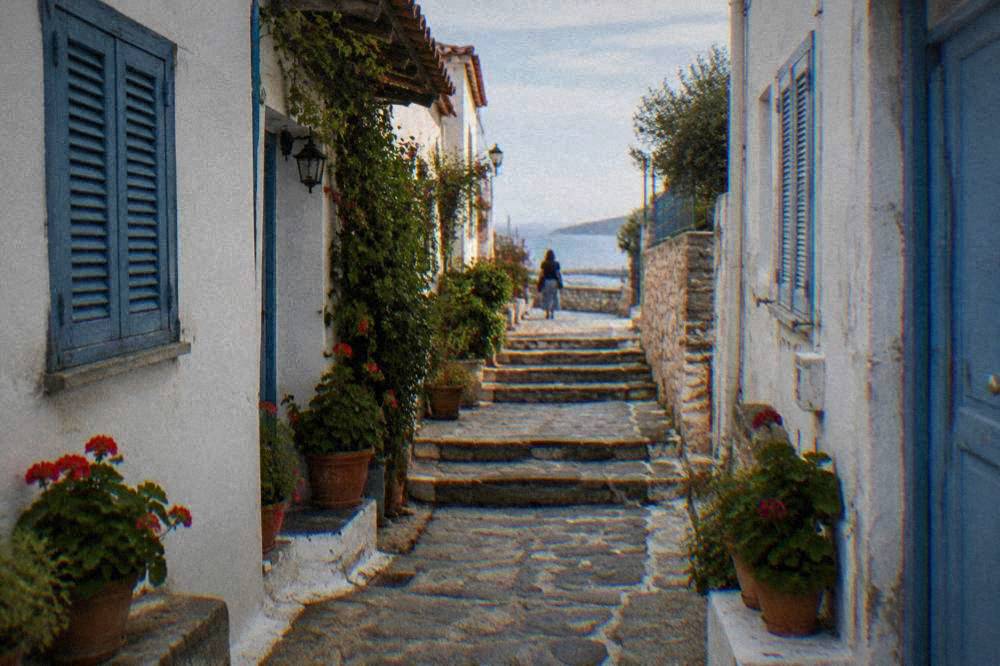
A common pattern for the day is to arrive by late morning, eat near the harbour, walk the old town in the relative cool of the afternoon, and finish with a swim stop on the way back, since the sandy beaches of the region lie east and west of the town.
Is Kavala Worth The Two-Hour Drive From Thessaloniki?
Kavala justifies the drive for travellers who want a working Macedonian port town with an intact old core, an aqueduct skyline and a genuine small-city harbour life, rather than a resort. It is the farthest east of the standard Thessaloniki day trips that still returns comfortably the same day, at about 118 minutes each way, and it pairs naturally with Philippi for an ancient-and-Ottoman combination that no nearer destination offers.
The honest trade-off is time in a car. Nearly four hours of round-trip driving buys a change of scenery the nearer trips cannot match: Kavala faces the open Aegean, while Thessaloniki faces the enclosed Thermaic Gulf, and the two towns could not be more different in scale. Kavala's municipality is far smaller than Thessaloniki's 319,045 residents counted at the 2021 census, and the difference shows in pace rather than in any deficiency.
Travellers short on time, or unwilling to spend the day driving, get more from the nearer trips: Vergina at about 62 minutes holds the Museum of the Royal Tombs of Aigai, Pella at about 43 minutes holds the capital of the ancient kingdom, and the Halkidiki day trip guide covers the peninsulas at under two hours. Kavala rewards the traveller with a full day and an interest in the Ottoman layer of Macedonia, which Thessaloniki itself, rebuilt after the Great Fire of 1917, shows only in fragments such as the Bey Hamam district.
A guided option exists for travellers who prefer not to drive: an organised excursion covers Kavala, Philippi and a beach stop in one day from Thessaloniki, which removes the navigation and the parking question at a stroke. The operator's live listing carries the current price, departure details and cancellation terms, and those figures are left to the listing rather than typed here.
How Do You Get To Kavala From Thessaloniki Without A Car?
The practical car-free route from Thessaloniki to Kavala is the intercity bus from the KTEL Macedonia station in Thessaloniki, the region's main long-distance coach hub, from which services to eastern Macedonia and the Kavala area depart. Journey times, fares and frequencies for the Thessaloniki to Kavala coach route vary, so check the operator's timetable before planning the day.
The station itself sits about 4 km west of the centre in Menemeni, reached by city transport or taxi; the fare for either is not in the site's sources. The Thessaloniki Metro, open since November 2024 with its Kalamaria extension inaugurated 27 August 2026, is useful for reaching the coach station's vicinity by city transport, with a basic ticket of 0.60 euro and a daily ticket at 2.50 euro per the metro's own ticket page.
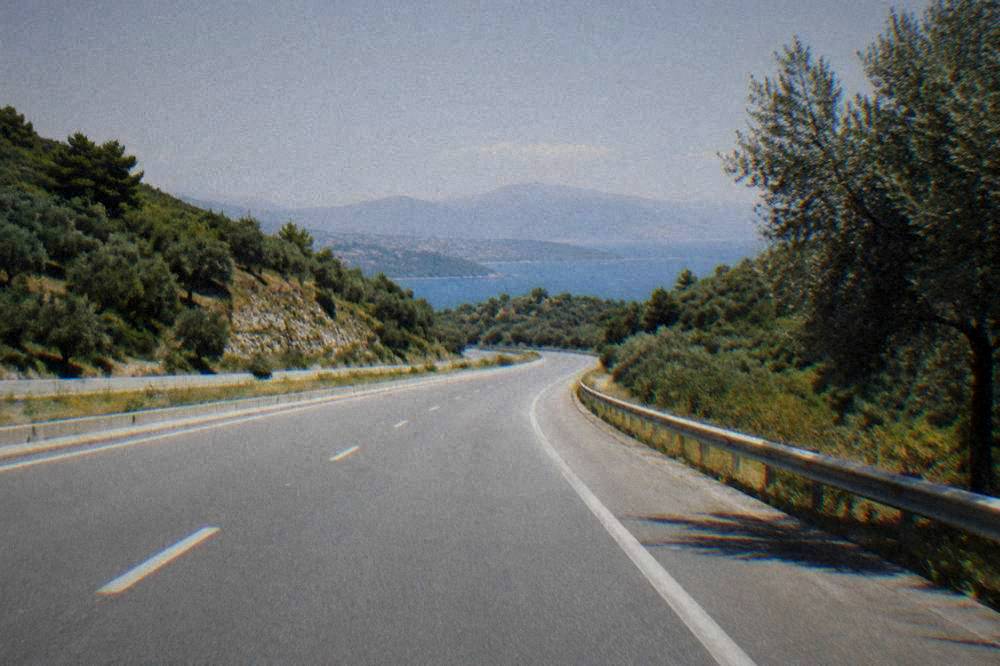
For drivers, the route follows the national road east along the Thermaic Gulf, past the Amphipolis turn-off, about 78 minutes out, and then inland around the hills to the Gulf of Kavala. In summer the return leg after dark is routine, but the free-flow 118-minute figure should be treated as a floor, not an average.
Can You Combine Kavala And Philippi In One Day From Thessaloniki?
Yes, and the pairing is the strongest reason to make the drive: Philippi lies about 156 km and about 127 minutes from Aristotelous Square, only marginally farther than Kavala itself, and the two sites sit roughly half an hour apart by road, so a single day covers the Roman colony and the old town comfortably. The order matters less than the clocks: Philippi has no shade to speak of, so it is the better morning stop in summer.
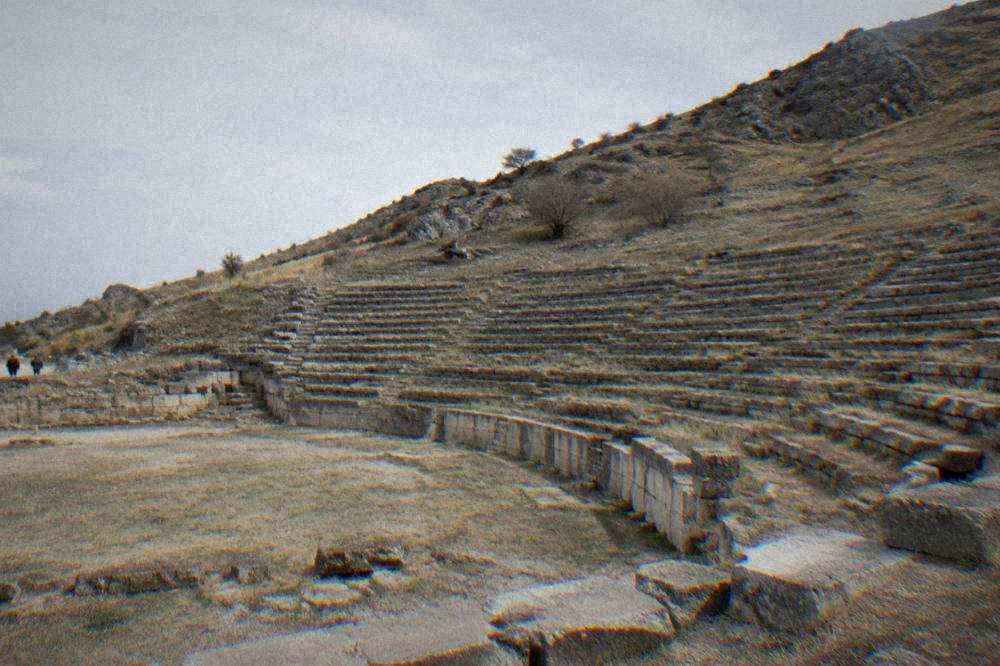
Philippi is the site of the Roman colony founded on the Via Egnatia and named after Philip II of Macedon, who took the area in antiquity; the modern traveller knows it for its theatre, forum, basilicas and the prison-tradition associated with the Apostle Paul, whose letters to the Philippians gave the town its place in the biblical itinerary described in the site's Thessaloniki in the Bible guide.
The organised option covers both stops plus a beach pause in one vehicle, which matters because public transport between Philippi and Kavala adds friction to a car-free day. Travellers with their own car can also thread Amphipolis, about 78 minutes out on the same road, into the outbound leg, making a three-stop ancient-Macedonia day: the marble lion of Amphipolis, the forum and basilicas of Philippi, and the aqueduct of Kavala before the drive home. That is a long day, roughly four hours of driving before the stops, and it should not be attempted with a late start.
| Stop | Distance from Aristotelous Square | Free-flow drive time | What it holds |
|---|---|---|---|
| Amphipolis | about 100 km | about 78 minutes | Ancient city site on the Strymon, famous marble lion |
| Philippi | about 156 km | about 127 minutes | Roman colony, theatre, basilicas, Paul tradition |
| Kavala | about 155 km | about 118 minutes | Old town of Panagia, Kamares aqueduct, harbour |
| Kastoria (if extending) | about 193 km | about 130 minutes | Lake town, reached via a different route west, not a pairing |
When Is The Best Time Of Year For A Kavala Day Trip From Thessaloniki?
The comfortable months for a Kavala day trip are May, June, September and October, when the HNMS Thessaloniki Mikra station record, 1959 to 2010, shows mean highs of 24.6 C, 29.4 C, 27.1 C and 21.2 C respectively, and rain days of 11.0, 7.9, 7.0 and 9.3 per month. July and August, with mean highs of 31.7 C and 31.4 C, make the unshaded Philippi stop punishing at midday, and the drive home falls in the warmest hours.
Those figures are station means for Thessaloniki, the nearest long record this site holds, and Kavala's coastal position two hours east will differ in detail; the table is a planning guide, not a forecast for the town itself. The autumn window carries an extra draw: the Thessaloniki International Film Festival runs 5 to 15 November in its 67th edition in 2026, and the International Fair, 5 to 13 September in 2026, fills the city beforehand, so a Kavala day works as a breather between festival screenings for anyone visiting in those weeks.
| Month | Mean high C | Mean low C | Rain mm | Rain days |
|---|---|---|---|---|
| May | 24.6 | 12.6 | 44.2 | 11.0 |
| June | 29.4 | 17.0 | 29.8 | 7.9 |
| July | 31.7 | 19.3 | 23.8 | 6.7 |
| August | 31.4 | 19.1 | 19.3 | 5.1 |
| September | 27.1 | 15.4 | 29.8 | 7.0 |
| October | 21.2 | 11.3 | 43.0 | 9.3 |
Winter day trips are possible, with January mean highs of 9.3 C on the same station record, but the shorter daylight makes the outer trips harder to fit, and opening hours at smaller sites shrink. November shows 52.8 mm of rain and December 55.1 mm on the same record, December carrying the highest monthly total of the year; the Thessaloniki in winter guide covers the city-end alternatives.
Where Does Kavala Rank Among The Day Trips From Thessaloniki?
By road distance from Aristotelous Square, Kavala sits in the outer band of Thessaloniki day trips at about 155 km, farther than Pella at about 46 km, Vergina at about 68 km and the Halkidiki gateway at about 60 km, but nearer than Kastoria at about 193 km, Meteora at about 228 km and Skopje at about 228 km. Only travellers with a full day and a reason, the old town, Philippi or the Aegean coast, should choose it over the nearer options.
The table below gathers the computed free-flow figures for the standard destinations, all from OSM routing and all "about". They are floors: real journeys add traffic, parking and stops.
| Destination | Distance by road | Free-flow drive time |
|---|---|---|
| Pella | about 46 km | about 43 minutes |
| Vergina (Aigai) | about 68 km | about 62 minutes |
| Veria | about 73 km | about 52 minutes |
| Halkidiki gateway (Nea Moudania) | about 60 km | about 57 minutes |
| Kassandra (Kallithea) | about 86 km | about 78 minutes |
| Sithonia (Nikiti) about | about 97 km | about 96 minutes |
| Amphipolis | about 100 km | about 78 minutes |
| Kavala | about 155 km | about 118 minutes |
| Philippi | about 156 km | about 127 minutes |
| Kastoria | about 193 km | about 130 minutes |
| Meteora (Kalambaka) | about 228 km | about 154 minutes |
Within that spread, Kavala's niche is clear. The nearer Vergina and Pella trips answer the ancient-Macedonia question in a morning; the Halkidiki trips answer the beach question; Meteora answers the monasteries question at a full day of travel each way. Kavala, with Philippi beside it, is the eastern package: Roman ruins, an Ottoman old town and the open Aegean, in one loop. Travellers weighing the ancient sites against each other may also find the Philippi guide and the Amphipolis guide useful for the outbound leg.
What Should You Confirm Before The Kavala Day Trip?
Confirm four things before setting out: the Philippi site's hours and ticket price, the opening arrangements for the Imaret and the old town's museums, the KTEL coach timetable if driving is off the table, and the weather picture for the drive back, since the outer day trips return after dark outside summer.
For the car-free traveller, the organised Kavala, Philippi and beach excursion removes three of those checks at once, since the operator handles timings and tickets; its live listing states what is included. For drivers, the practical checklist is short: fuel before the city, cash for small-site tickets where card payment is not guaranteed, and a decision on the Amphipolis stop made before the junction, not at it.
Back in Thessaloniki, the food angle deserves its own evening. The city's market and taverna culture is the reason a guided tasting walk exists, and the food tours above cover it; the related walk, a tasting and drinks circuit led by a chef, is bookable on Check availability, with the current price on the operator's live listing. The Kapani Market guide and the Ladadika area guide cover the same ground for travellers who prefer to walk it alone.
Common Questions About A Kavala Day Trip From Thessaloniki
How far is Kavala from Thessaloniki?
Kavala is about 155 km by road from Aristotelous Square, about 118 minutes of free-flow driving each way. The figure is computed over OSM routing without traffic, so the real journey runs longer.
Can you visit Kavala and Philippi in one day from Thessaloniki?
Yes. Philippi is about 127 minutes out and Kavala about 118, and the two sites sit roughly half an hour apart by road, so one long day covers both. An organised excursion runs the combination from Thessaloniki with a beach stop.
What is the old town of Kavala called?
The old town is the Panagia quarter, a walled hillside of narrow lanes above the harbour, crossed by the Kamares aqueduct and topped by the castle. Its name, layout and landmarks are described on the town's own tourism pages, which should be checked for opening details.
Is there a bus from Thessaloniki to Kavala?
Intercity coaches for eastern Macedonia depart from the KTEL Macedonia station in Thessaloniki.
What is the best month for a Kavala day trip?
May, June, September and October are the comfortable months, with mean highs of 24.6 C, 29.4 C, 27.1 C and 21.2 C on the HNMS Thessaloniki Mikra station record, 1959 to 2010. July and August mean highs of 31.7 C and 31.4 C make the unshaded sites harsh at midday.
Is Kavala closer to Thessaloniki than Meteora?
Yes. Kavala is about 155 km and 118 minutes by road, while Meteora, at Kalambaka, is about 228 km and 154 minutes. Both are full-day trips.
The Kavala day from Thessaloniki is a commitment of road and clock, and it pays that back with the one skyline no nearer destination has: an aqueduct striding over a hillside old town, a working harbour below it, and Philippi's Roman stones half an hour inland. Confirm the site hours the same week, pick a shoulder-month day if the choice exists, and the two hours east earn their keep.