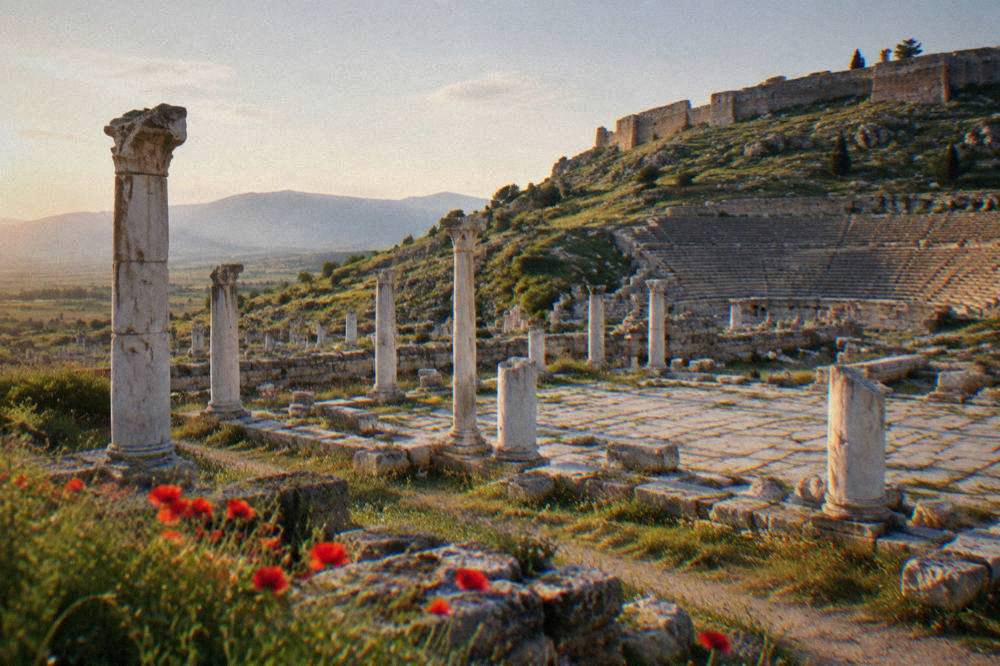
Amphipolis: The Lion And The Kasta Tomb
Amphipolis sits about 78 minutes by road east of Thessaloniki, in the Serres region of Central Macedonia, and pairs naturally with Kavala and Philippi for a full day out of the city.
Short answer
Amphipolis is about 100 km and 78 minutes by road from Thessaloniki's Aristotelous Square. The site is known for the Lion of Amphipolis monument and the Kasta Tomb excavation; confirm opening hours and ticket prices locally before you set out.
Thessaloniki, the second city of Greece on the Thermaic Gulf in Central Macedonia, keeps its famous day trips close: Pella, Vergina, Mount Olympus, the beaches of Halkidiki. Amphipolis belongs to a second ring of destinations, east along the Strymonian Gulf, where the ancient city of the same name once stood guard on the River Strymon. Travellers come for two things above all: the restored Lion of Amphipolis, one of the most photographed ancient monuments in northern Greece, and the Kasta Tomb mound, the excavation that made the site a headline a decade ago.
What Is Amphipolis And Why Day-Trip There From Thessaloniki?
Amphipolis is an ancient site in the Serres region of Central Macedonia, about 100 km and 78 minutes by road east of Thessaloniki, known today for the Lion of Amphipolis monument and the Kasta Tomb excavation beside it. It sits well off the standard first-visit circuit of Pella and Vergina, which is exactly why it appeals to a second or third trip.
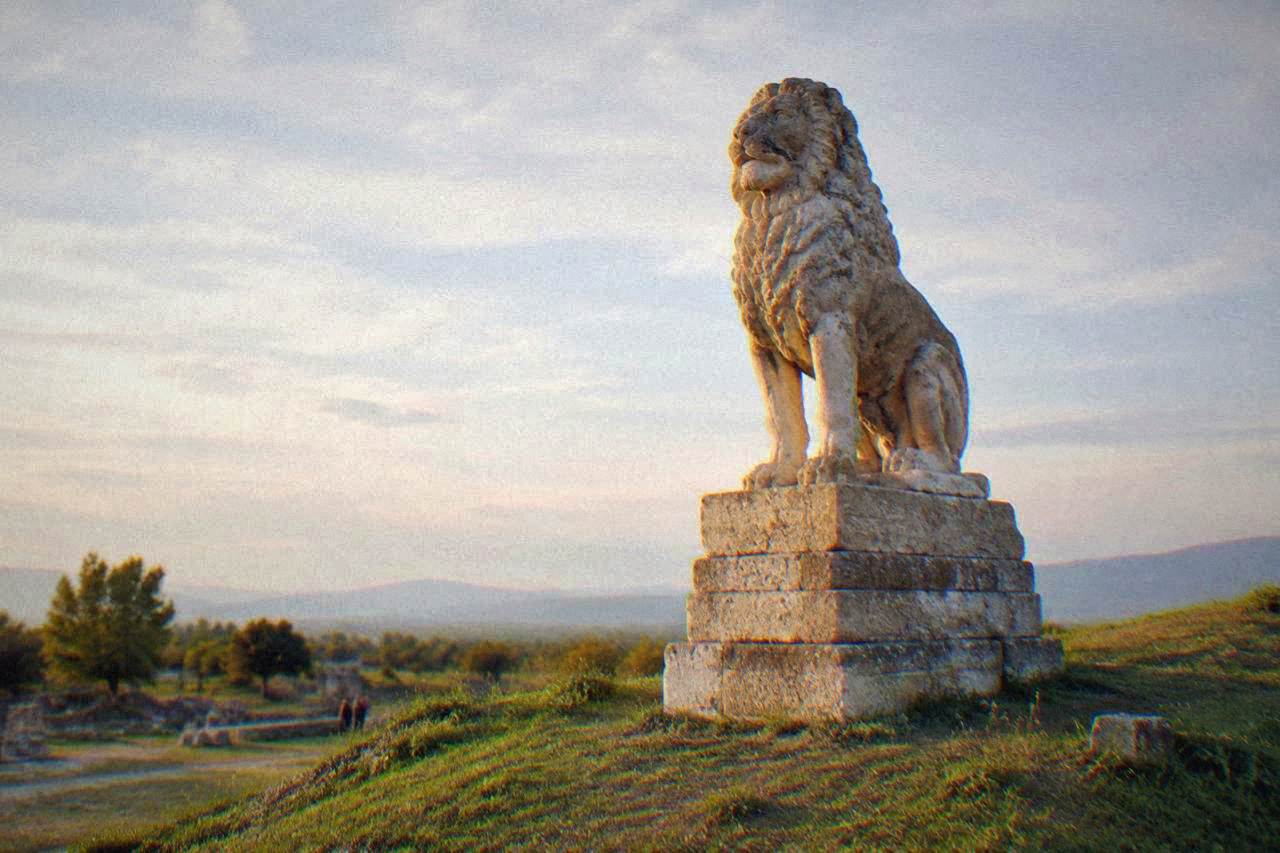
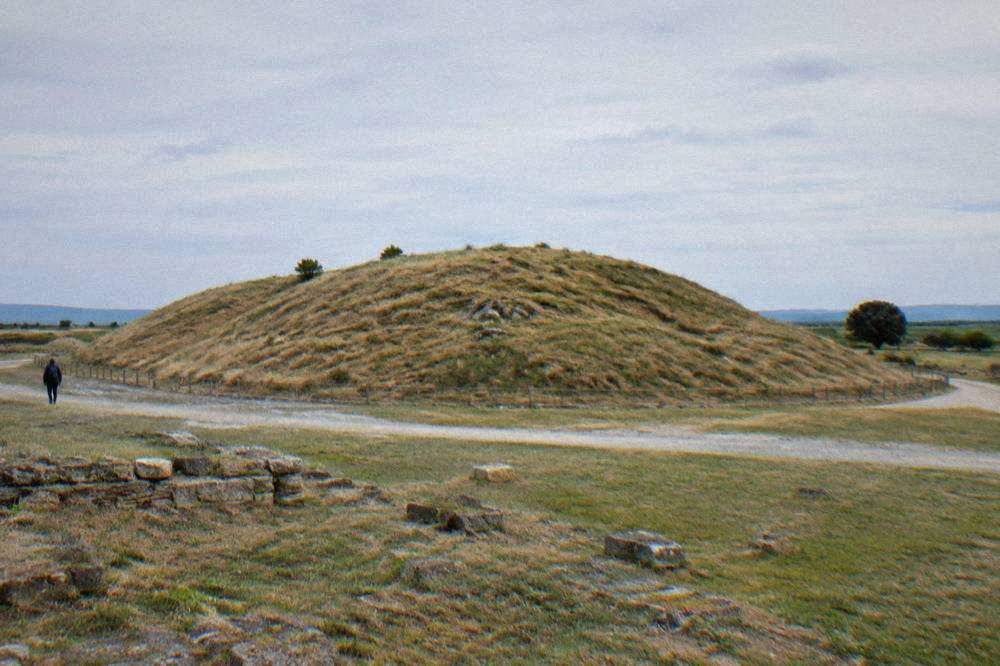
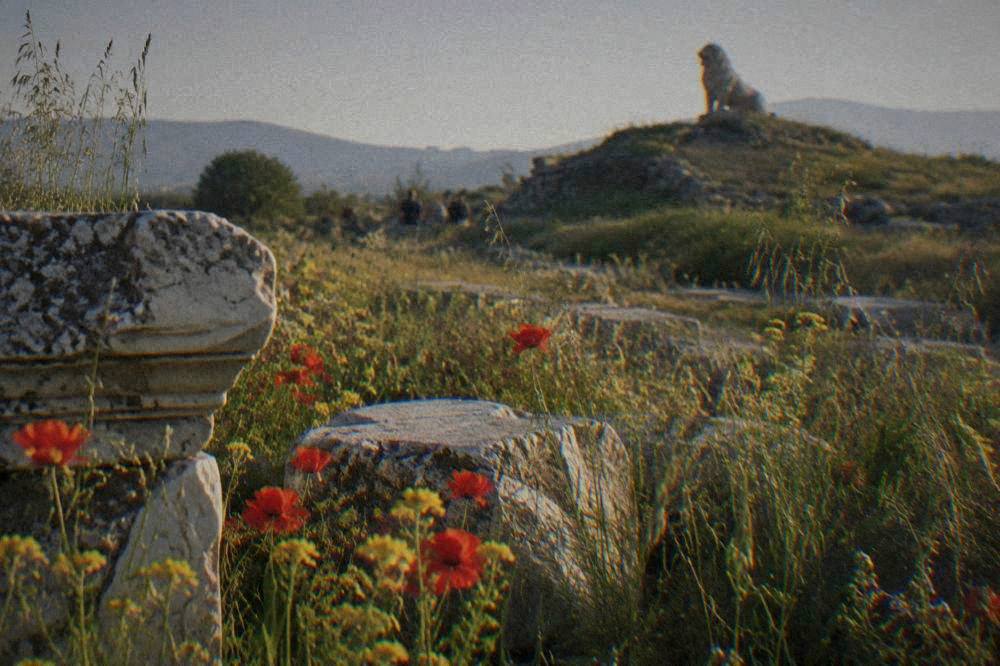
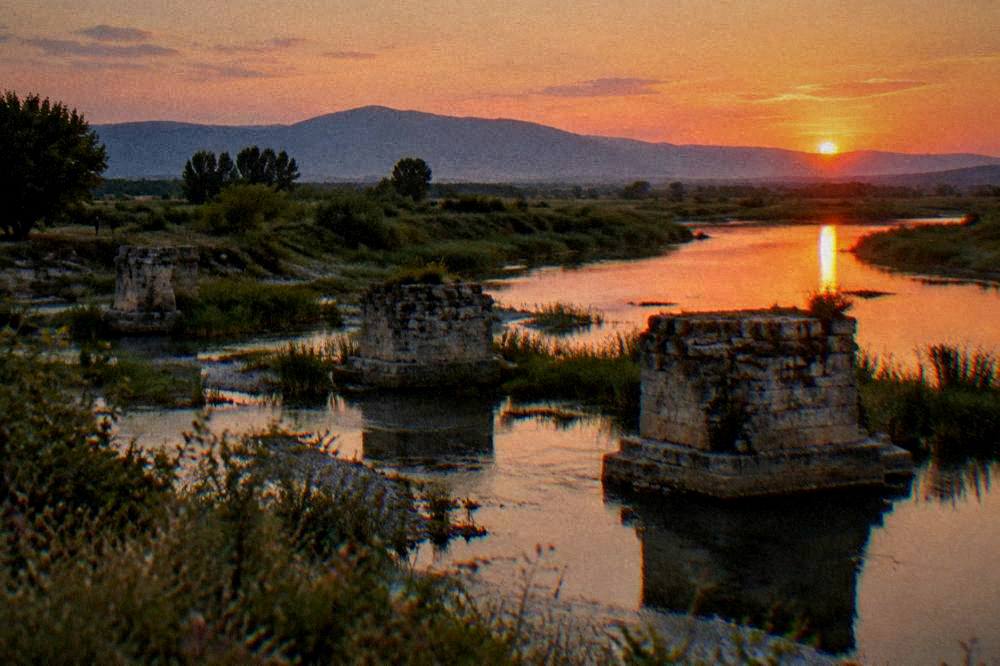
The Lion of Amphipolis is a large stone lion, re-erected on a mound near the old Strymon bridge, and it is the sight the site is named for in every Greek guidebook tradition. The Kasta Tomb, the great enclosed mound a short distance away, became the subject of intense public attention during its excavation in the 2010s. For the excavation history and for on-site opening arrangements, the honest instruction is to read the local information boards and confirm before you travel.
For context within the region: Amphipolis anchors the far-eastern group of Thessaloniki day trips together with Philippi and Kavala, which sit beyond it along the same eastern corridor. If you are still building the first Thessaloniki itinerary, start with the things to do in Thessaloniki overview and the nearer classics, Vergina and Pella, and keep Amphipolis for the day you want the road east.
How Far Is Amphipolis From Thessaloniki And How Long Does The Drive Take?
Amphipolis lies about 100 km by road from Aristotelous Square in Thessaloniki, and the free-flow drive takes about 78 minutes, computed over OSM routing with no traffic, parking or stops. That makes it a comfortable half-day drive out and the natural gateway to Kavala, which is another 40 minutes beyond.
Treat those times as planning figures. The routing is free-flow, and summer weekend traffic on the Thessaloniki to Kavala corridor, plus any stop at the roadside viewpoints over the Strymonian Gulf, will stretch the real clock. There is no rail option on this corridor, and no bus fare or schedule, so a self-drive day or an organised excursion is the practical answer. Here is where Amphipolis sits in the full day-trip table from Aristotelous Square, alongside its eastern neighbours:
| Destination | Distance by road | Free-flow drive time from Thessaloniki |
|---|---|---|
| Petralona Cave | 53 km | about 55 minutes |
| Pella | 46 km | about 43 minutes |
| Vergina | 68 km | about 62 minutes |
| Lake Kerkini | 88 km | about 82 minutes |
| Amphipolis | 100 km | about 78 minutes |
| Philippi | 156 km | about 127 minutes |
| Kavala | 155 km | about 118 minutes |
| Meteora (Kalambaka) | 228 km | about 154 minutes |
Note the pattern: distance and time do not move in lockstep. Amphipolis is 100 km away but under 80 minutes on fast road, while Lake Kerkini is 12 km closer yet a few minutes slower. The eastern corridor runs well.
If a self-guided eastern day feels like too much planning on top of a new city, the organised options below cover the opposite direction, the ancient Macedonian heartland, plus two city formats that need no car at all:
What Can You See At Amphipolis: The Lion And The Kasta Tomb?
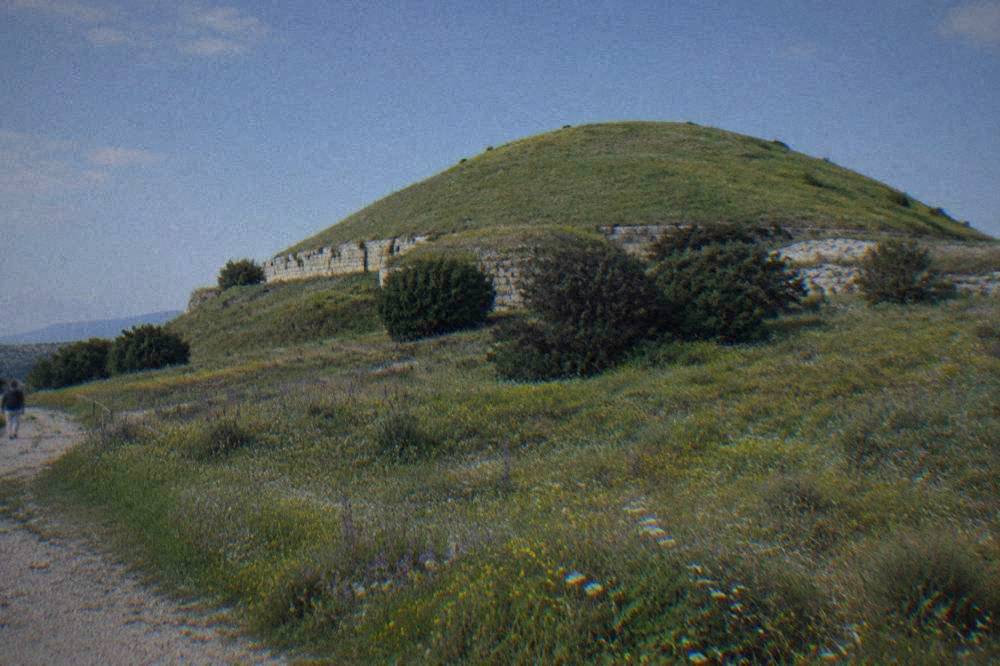
The two headline sights are the Lion of Amphipolis, the re-erected stone lion on its mound, and the Kasta Tomb, the great burial mound of the ancient city, a short distance apart in open country near the Strymon. Around them lie scattered ancient remains visible from the road.
The Lion is the easier visit: a monumental animal in the tradition of Hellenistic lion tombs, standing where visitors can view it from the surrounding ground. The Kasta Tomb is the fenced excavation site; public access to the interior of the mound has varied with the state of the works.
For practical figures, the honest table is short. These are the items to confirm on the museum or municipality channels, or on local signage, before you commit the day:
| Item | Status in the sources | What to do |
|---|---|---|
| Kasta Tomb interior access | varies with the state of works | expect exterior viewing; ask on site |
| Lion of Amphipolis viewing | open ground around the monument | viewable from surrounding area |
That honesty is not a downside. Amphipolis rewards travellers who enjoy archaeology at landscape scale, without a museum foyer and a queue. If your taste runs to fully curated ancient galleries closer to the city, the Vergina and Pella museums, about 20 euro full and 10 euro reduced at Vergina (Aigai) and about 10 euro at the Pella museum, reported figures to confirm before you go, are the established choice, and the Kavala and Philippi pages carry the far-eastern pairing in full.
Before the itinerary planning continues, one city anchor worth locking in early: Thessaloniki's food scene is the reason many travellers extend a stopover into a second day, and the featured walk below is the site's pick for doing it justice.
Is Amphipolis A Half-Day Or A Full-Day Trip From Thessaloniki?
Done alone, Amphipolis is a half-day outing: about 78 minutes out, a slow loop of the Lion, the Kasta mound and the surrounding remains, and about 78 minutes back. Done properly, it is the first stop of a full eastern day that continues to Kavala or Philippi, and that is how the drive times reward it.
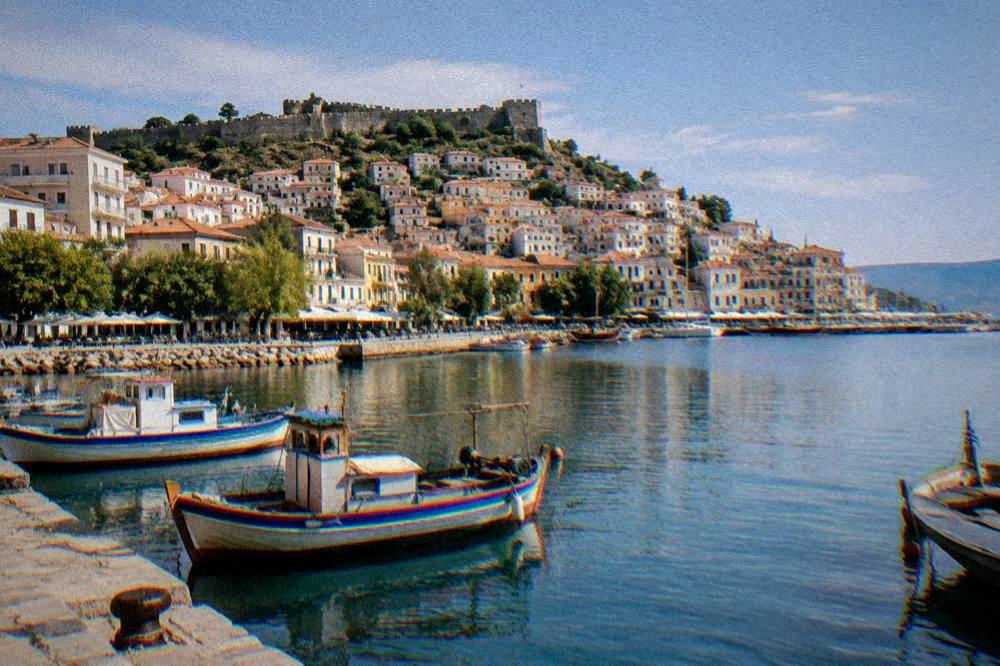
The arithmetic is simple. Two hours and a half of driving for a single monument pair is a lot of tarmac. Add Kavala, about 40 minutes further on, and the day fills out: an amphitheatre city on the sea with an old town above the harbour. Add Philippi instead, about 49 minutes beyond Amphipolis, and you get one of the most important Roman sites in Greece. Both pairings are in the drive-time table above, and both are described on their own pages on this site.
A sample shape for the full eastern day:
| Stop | Role in the day | Time budget |
|---|---|---|
| Depart Thessaloniki | early start beats the heat and the traffic | 08:00 |
| Amphipolis, Lion and Kasta mound | ancient core of the day | 09:30 to 11:00 |
| Philippi archaeological site | Roman forum and theatre | 12:00 to 14:00 |
| Kavala old town and harbour | sea, lunch, evening light | 15:00 to 18:30 |
| Return to Thessaloniki | about 118 minutes from Kavala | by 20:30 |
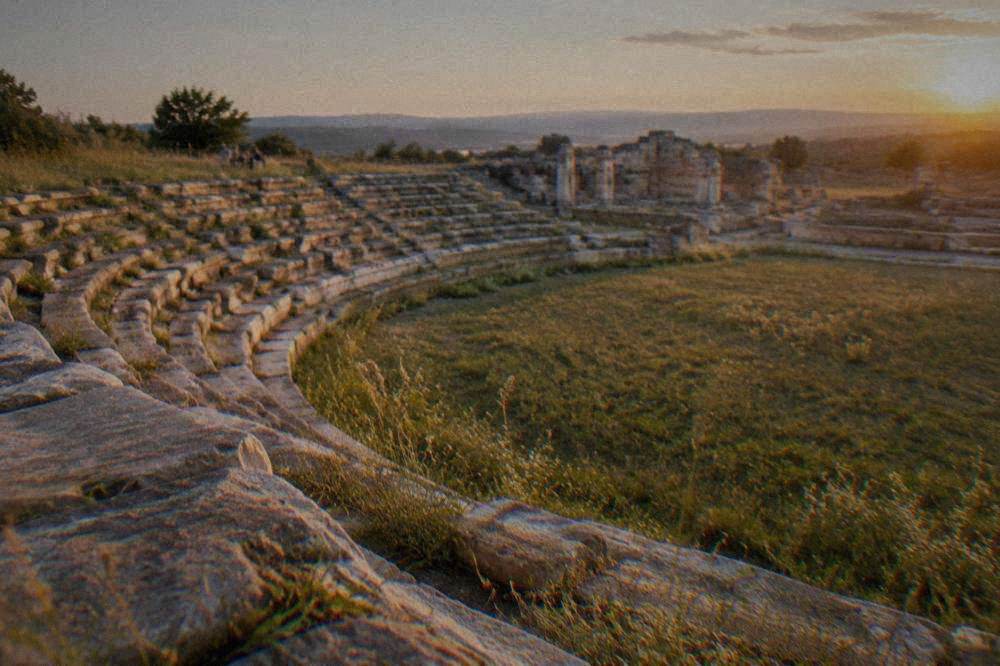
That is a long day, and it is the honest ceiling of a single eastern loop. Travellers who prefer one deep stop should choose Kavala alone, about 118 minutes direct, and save Amphipolis for a second trip. Photography rewards the early and late hours: the Lion faces the open sky, and low light gives the stone more relief than the flat glare of midday. In summer the same logic pushes the whole schedule earlier still, since the HNMS station record puts July mean highs at 31.7 C.
How Does Amphipolis Compare With The Other Ancient Sites Near Thessaloniki?
Amphipolis is farther and rawer than Vergina or Pella: no museum ticket, no sealed gallery of royal finds, but open landscape and two monuments of real presence. Vergina is the flagship, Pella the easy add-on, and Amphipolis the destination for a return visit or an eastern loop.
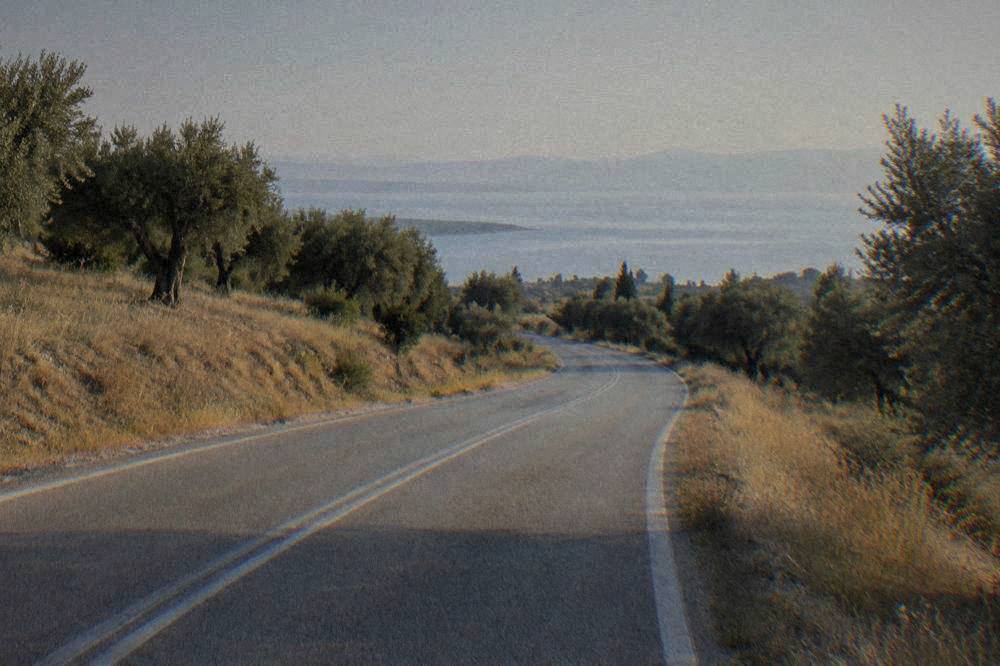
The comparison that matters is depth of interpretation against depth of landscape. Vergina's Museum of the Royal Tombs of Aigai is a purpose-built underground gallery around the actual tombs, with a reported ticket of about 20 euro full and 10 euro reduced; Pella's museum is reported at about 10 euro. Amphipolis offers none of that infrastructure. What it offers is scale and quiet, and a drive along the Strymonian Gulf that the inland classics cannot match.
| Site | Drive from Thessaloniki | Setting | Ticket situation |
|---|---|---|---|
| Pella | about 43 minutes | inland plain | reported about 10 euro museum |
| Vergina (Aigai) | about 62 minutes | hillside mound complex | reported about 20 euro full, 10 reduced |
| Dion | about 67 minutes | park at the foot of Mount Olympus | 10 euro full, 5 reduced, includes archive |
| Amphipolis | about 78 minutes | open country by the Strymon | confirm locally |
| Philippi | about 127 minutes | full Roman city site | confirm locally |
For a first visit to the region, the honest sequence is Vergina, then Pella or Dion, then Amphipolis. For the guided version of the Vergina and Edessa country, without a car and without the planning, this is the pick:
And for the city itself, the walking formats cover the White Tower, the Rotunda and the upper town in one loop:
Can You Combine Amphipolis With Kavala Or Philippi In One Day?
Yes, and that is the recommended way to spend the driving time: Amphipolis plus Philippi makes a roughly 100 km outward leg with a 49 minute hop between sites, and Amphipolis plus Kavala a similar shape ending on the sea. All three in one day is possible but full.
The full three-stop loop, sketched in the timetable above, totals roughly five hours of driving. That is Meteora territory in effort, though not in distance; Meteora is about 228 km and 154 minutes each way, the single longest day trip this site covers. The eastern loop spreads its driving across shorter legs, which makes it feel lighter than the numbers suggest. Fuel up in Thessaloniki, and note that the emergency number in Greece is 112.
Pairing guidance in one place:
| Pairing | Total driving (approx.) | Character of the day |
|---|---|---|
| Amphipolis only | about 2 h 40 return | quiet half day, open landscape |
| Amphipolis + Philippi | about 4 h 10 return | two ancient cities, no sea |
| Amphipolis + Kavala | about 4 h 00 return | archaeology then the harbour |
| All three | about 5 h 00 return | the full eastern loop, early start |
When Is The Best Time Of Year For The Amphipolis Trip From Thessaloniki?
Spring and autumn fit the drive and the open sites best: the HNMS Thessaloniki Mikra station record, 1959 to 2010, puts April at a 19.1 C mean high and October at 21.2 C, with July and August at 31.7 C and 31.4 C, which is a lot of heat for monuments with little shade.
Amphipolis is open country. The Lion stands on exposed ground, the Kasta mound has no shade to speak of, and the same is true of Philippi. The station record for Thessaloniki, the nearest climate series, shows what the seasons do:
| Month | Mean high C | Mean low C | Rain mm | Rain days |
|---|---|---|---|---|
| March | 14.3 | 4.7 | 37.9 | 12.1 |
| April | 19.1 | 7.9 | 36.1 | 11.1 |
| May | 24.6 | 12.6 | 44.2 | 11.0 |
| June | 29.4 | 17.0 | 29.8 | 7.9 |
| July | 31.7 | 19.3 | 23.8 | 6.7 |
| August | 31.4 | 19.1 | 19.3 | 5.1 |
| September | 27.1 | 15.4 | 29.8 | 7.0 |
| October | 21.2 | 11.3 | 43.0 | 9.3 |
Rain days barely fall below five a month even in the dry summer, but the totals are modest: annual rainfall is 444.5 mm, and August carries the lowest monthly total at 19.3 mm. Winter travel is perfectly possible, with January mean lows of 1.5 C, but shorter daylight works against a three-stop loop. May carries the heaviest monthly rain of the shoulder season at 44.2 mm, though it falls on roughly eleven days, so showers are short rather than all-day affairs. Whatever the month, the eastern loop is a day to check the forecast the night before and leave the plan flexible.
What Should You Know Before You Go To Amphipolis?
Confirm opening arrangements on the day, carry water and fuel, start early, and treat the site's unpublished details, hours, tickets and interior access, as things you settle locally rather than plan around. Greece uses the euro, is in the Schengen area, and the emergency number is 112.
A short pre-departure list:
| Question | Answer from the sources |
|---|---|
| Currency | euro, Greece joined the euro area in 2001 |
| Border regime | Greece is a Schengen member |
| Emergency number | 112 |
| Drive from Aristotelous Square | about 100 km, 78 minutes free-flow |
| Best pairing | Philippi or Kavala, same corridor |
| Best months | April, May, late September, October |
One more practical habit for the far-flung day trips: download an offline map before leaving the city, because mobile coverage in the river valleys east of the Strymon can drop between villages. Keep the day's fuel margin generous too, since the longest legs between Philippi and Kavala cross country where stations are sparse. None of this is dramatic, it is simply the difference between a relaxed loop and a hurried one.
One more Thessaloniki note for the evening you return: the food tour below is this site's featured city experience, and it doubles as an education in the markets you will otherwise walk past.
Where Does Amphipolis Fit In A Longer Northern Greece Itinerary?
Amphipolis is the hinge between the near day trips around Thessaloniki and the far east of Greek Macedonia: put it mid-trip, after Vergina and Pella and before or alongside Kavala and Philippi, with Halkidiki, Kassandra, Sithonia and Lake Kerkini as the other mid-trip candidates.
A sensible five-day shape from the Thessaloniki base runs: day one, the city itself, White Tower, Rotunda, Ano Poli; day two, Vergina and Pella; day three, the eastern loop with Amphipolis, Philippi and Kavala; day four, either Halkidiki's two peninsulas, Kassandra or Sithonia, or the mountain country of Dion and Litochoro; day five, whatever the weather and your legs decide. Kerkini, about 82 minutes out, is the region's wetland counterpoint, and the Thessaloniki Travel Guide homepage collects the full day-trip table in one place. Travellers with a week can add Halkidiki at leisure, or push north to Lake Kerkini for birds and mountains, keeping the far east, Kavala and Philippi, as the anchor of the middle weekend.
The distances do the sorting for you. Everything within about 70 minutes of Aristotelous Square is a half-day object; everything between 70 and 100 minutes, Amphipolis, Kerkini, Dion, Edessa, deserves a pairing; everything beyond two hours, Meteora above all, is a dedicated day. Plan in that order and no day ends with three hours of unintended driving.
Common Questions About Amphipolis From Thessaloniki
How far is Amphipolis from Thessaloniki?
Amphipolis is about 100 km by road from Aristotelous Square in Thessaloniki, and the free-flow drive takes about 78 minutes, computed over OSM routing with no traffic, parking or stops.
Can you visit Amphipolis and Kavala in one day?
Yes. Kavala is about 118 minutes from Thessaloniki and roughly 40 minutes beyond Amphipolis, so the pairing works as a full day with an early start.
What is the Lion of Amphipolis?
The Lion of Amphipolis is a large re-erected stone lion monument of the ancient city of Amphipolis, standing on a mound near the old Strymon bridge and viewable from the surrounding ground.
Can you go inside the Kasta Tomb?
Interior access to the Kasta Tomb mound has varied with the state of the excavation and its works, and no current arrangement has been announced; expect exterior viewing and ask on site.
Is Amphipolis worth it compared with Vergina?
They answer different questions. Vergina's Museum of the Royal Tombs of Aigai, a reported 20 euro full ticket, is the curated flagship; Amphipolis is open landscape and monuments at scale, best for a second trip or the eastern loop with Philippi and Kavala.
When is the best time of year to visit Amphipolis?
Spring and autumn, per the HNMS Thessaloniki Mikra station record from 1959 to 2010: April mean highs of 19.1 C and October mean highs of 21.2 C, against 31.7 C in July on exposed ground with little shade.