Athens To Thessaloniki: Train, Plane, Bus Or Car
Thessaloniki is the second city of Greece, a coastal city on the Thermaic Gulf in Central Macedonia, northern Greece, about as far from Athens as a country of this shape allows. Here is what the operators themselves say about each way of making the journey.
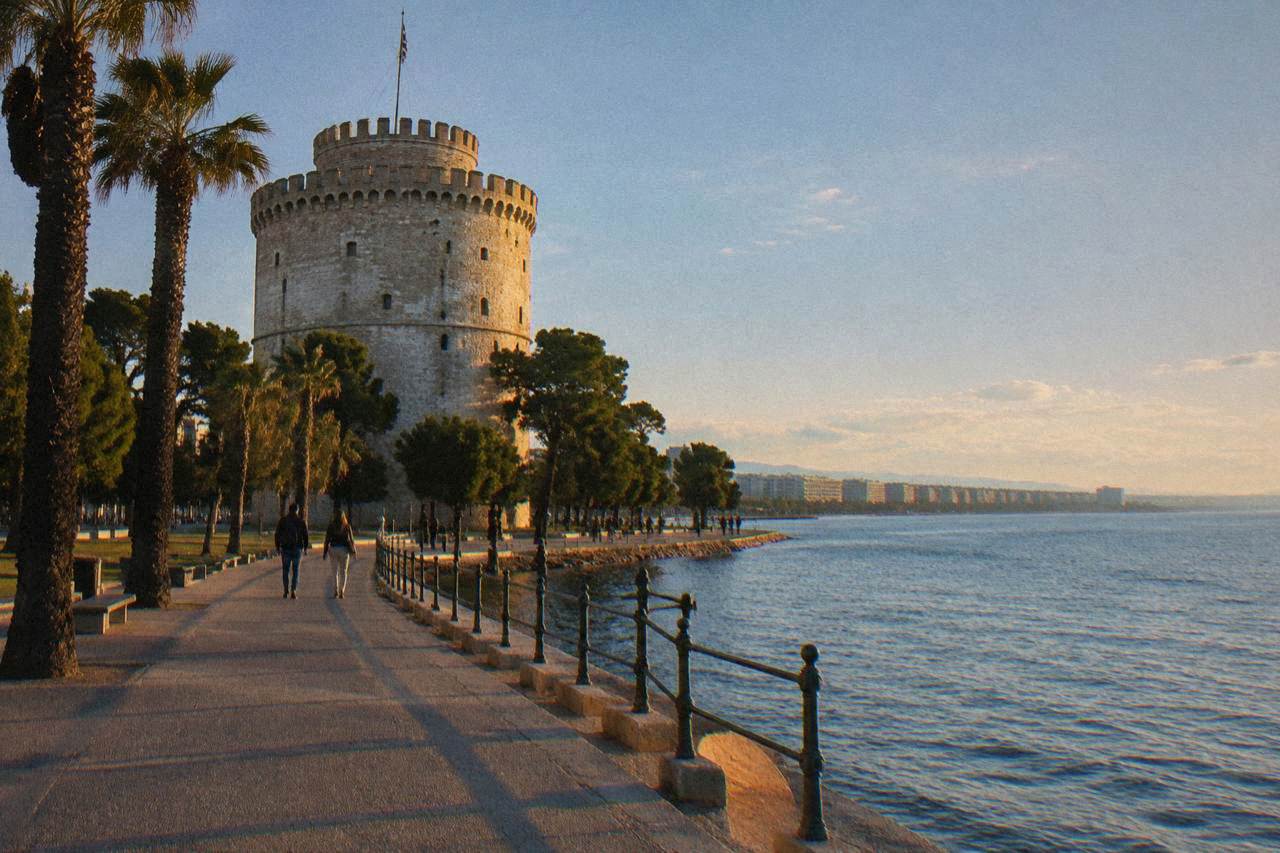
Short answer
Hellenic Train runs the Athens to Thessaloniki route, airlines fly it daily into Thessaloniki Airport Makedonia, and long-distance coaches connect the two cities; no journey time or fare for the route is published in a form this site can state, so confirm each on the operator's own page before booking.
Thessaloniki sits at the top of the Thermaic Gulf in Central Macedonia, northern Greece, roughly five hundred road kilometres from Athens and a world away in temperament: a waterfront city of fifteen UNESCO-listed Paleochristian and Byzantine monuments, an Ottoman old town inside the Byzantine walls, and day-trip access to Vergina, Pella, Mount Olympus and Meteora. Getting there from Athens is a decision with four answers, train, plane, bus or car, and the honest version of this guide reports what the operators publish rather than repeating the journey times that circulate on third-party pages.
One fact settles the mood before anything else: the journey ends well. Thessaloniki's metro is open, Line 1 since November 2024 with the Kalamaria extension inaugurated on 27 August 2026, and the airport is about 20 minutes by road from Aristotelous Square. The city that receives you works, in other words, and the sections below cover how to reach it, how to land in it, and what to do on the first day.
How Do You Get From Athens To Thessaloniki?
There are four realistic ways to travel from Athens to Thessaloniki: the Hellenic Train rail service, a scheduled flight into Thessaloniki Airport "Makedonia" (IATA code SKG), a long-distance KTEL coach arriving at the KTEL Macedonia intercity station on Giannitson street in Menemeni, or a self-drive on the connecting motorway network. Each is bookable direct with the operator, and each operator publishes its own timetable and fares.
That last clause matters more than it sounds. Dozens of pages quote an Athens to Thessaloniki journey time and price with total confidence, and the numbers disagree with each other, which is usually the sign of an echo chamber rather than a published fact. What can be stated is structural. Hellenic Train, the national operator, serves Athens to Thessaloniki as part of its northern Greece network, which also reaches Larissa, Litochoro, Katerini, Veria, Edessa and Florina. Flights land at Thessaloniki Airport "Makedonia" (IATA code SKG), operated by Fraport Greece, whose airport information page lists the public bus and taxi connections into the city. Coaches arrive at the KTEL Macedonia intercity station on Giannitson street in Menemeni, about 4 km from the centre, computed over the road network.
| Option | Operator | What is settled | What to confirm at booking |
|---|---|---|---|
| Train | Hellenic Train | Runs the Athens to Thessaloniki route as part of the northern Greece network | Journey time, fare, departure frequency |
| Flight | Airlines serving SKG | Airport is 16.4 km and about 20 minutes by road from Aristotelous Square | Fares, schedules, baggage rules |
| Coach | KTEL operators | Intercity station is on Giannitson street in Menemeni, about 4 km from the centre | Journey time, fare, daily departures |
| Car | Self-drive | Motorway network connects the two cities | Tolls, fuel, parking, total drive time |
The table is deliberately quiet on numbers, because a number nobody can source is worse than none. For a full comparison of the two cities once the travelling is done, the Athens or Thessaloniki question is covered separately.
Is There A High-Speed Train From Athens To Thessaloniki?
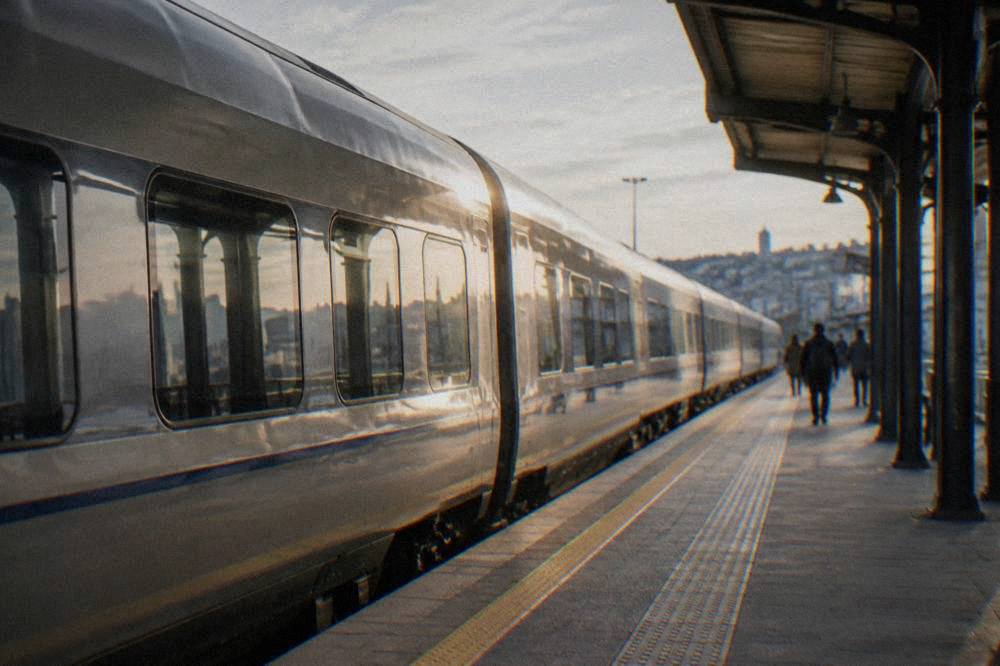
Hellenic Train runs the Athens to Thessaloniki route, and the operator's own timetable pages are the only reliable source for how long it takes and what it costs. This site does not print a journey time or fare for the route because none was found published in a citable official form, and it does not call the service "high-speed" for the same reason. Check the timetable and prices on the Hellenic Train site before planning a day around a specific arrival hour.
The rail answer to the high-speed train question is, in short: the train exists, the marketing label does not, at least not in any form an editorial desk can stand behind. Hellenic Train's network pages confirm the route as part of the corridor that continues north through Larissa, Katerini and Litochoro towards Thessaloniki and onward to Veria, Edessa and Florina.
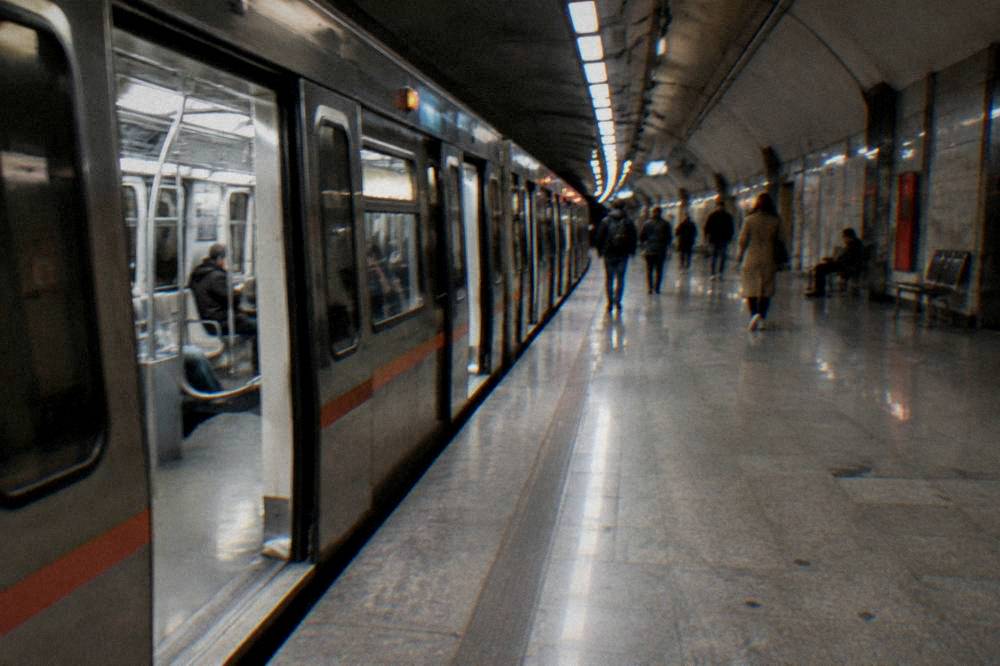
What makes the train attractive regardless of the numbers is where it delivers you. Thessaloniki's railway station sits on the western edge of the centre and connects directly to the metro: the New Railway Station is one terminus of Line 1, which runs to Nea Elvetia with the Kalamaria branch reaching Mikra. A rail arrival therefore ends with a 0.60 euro metro ticket and a short underground ride, not a taxi negotiation. The Thessaloniki train station guide covers the arrival in detail.
Should You Fly From Athens To Thessaloniki?
Flying is the option with the shortest time in the air and the best-documented arrival, since Thessaloniki Airport "Makedonia" (SKG) is 16.4 km and about 20 minutes by road from Aristotelous Square, a distance computed over the road network. The airport's own information page lists the public bus and taxi connections, and OASTH runs dedicated airport lines, so a flight arrival does not depend on a car. Fares and schedules are confirmed with the airline at booking.
The airport lines deserve their own sentence because they are genuinely useful and oddly under-reported. OASTH, the city bus operator, lists four airport services on its route pages: X1 linking the KTEL station with the airport, X2 from Nea Elvetia metro station, X3 from Mikra metro station, and the N1 night line. The X2 and X3 matter for airport travellers in particular, because they tie the terminal directly into the two metro branches, meaning a landing passenger can reach the rail network without a taxi. The reported flat fare for the airport bus is about 2 euro, and the reported daytime taxi fare to the centre about 25 euro; both are reported figures from secondary sources, so confirm before relying on them.
For everything that happens after the terminal doors open, the airport to city centre guide walks the full sequence, and the rest of this page picks up from the moment the bags hit the hotel floor.
Is Taking The Bus From Athens To Thessaloniki A Good Idea?
The coach is the budget-shaped answer: intercity buses between Greek cities are run by the KTEL cooperatives, and arrivals in Thessaloniki come into the KTEL Macedonia station on Giannitson street in Menemeni, about 4 km from the centre. No fare or journey time for the Athens route is published in a form this site can cite, so both are confirmed with the operator, but the station's distance from the centre and its onward transport links are settled facts.
The practical point about arriving by coach is the last kilometre, not the first five hundred. Menemeni sits to the northwest of the centre, and the connection onward is by city bus, taxi or a ride to a metro station; the Thessaloniki bus station guide covers the options, and the general getting around page places the station in the full transport picture. KTEL Halkidiki, a separate operator based at the 9th km of the Thessaloniki to Nea Moudania road, runs the Halkidiki coaches, which is the detail that matters for anyone planning a beach peninsula extension after the city.
City-bus payment is its own small ritual, and the honest summary is that fares and ticketing details are confirmed locally rather than quoted here; the bus payment question is answered on its own page.
What Is Driving From Athens To Thessaloniki Like?
That second half of the sentence is the real argument for four wheels. Thessaloniki is the natural base for a driving tour of northern Greece in a way Athens simply is not, and the computed distances below, from Aristotelous Square over the road network at free-flow speeds, show why. A car in Athens is a liability; a car in Thessaloniki is a key.
| Destination | Road distance from Aristotelous Square | Free-flow drive time |
|---|---|---|
| Pella (Archaeological Museum) | 45.7 km | about 43 min |
| Vergina (Royal Tombs of Aigai) | 68.0 km | about 62 min |
| Kassandra (Kallithea) | 86.2 km | about 78 min |
| Dion (archaeological park) | 90.1 km | about 67 min |
| Litochoro (Mount Olympus base) | 90.7 km | about 67 min |
| Sithonia (Nikiti) | 97.2 km | about 96 min |
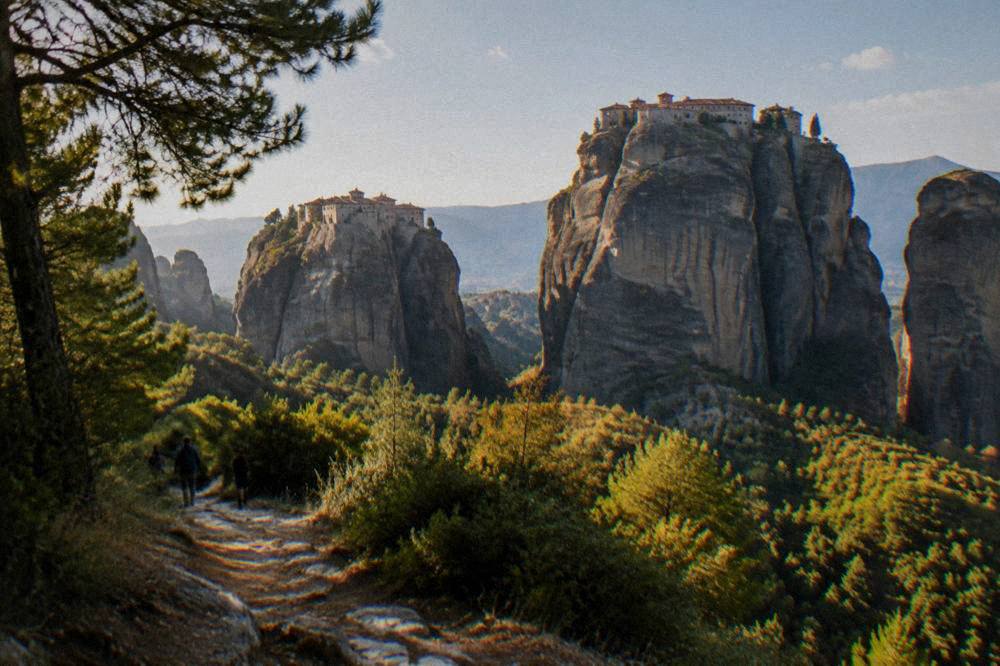
| Meteora (Kalambaka) | 227.5 km | about 154 min |
Free-flow means no traffic, no parking and no stops, so treat every figure as a floor, not a promise. Meteora at about 228 km and roughly two and a half hours one way is the boundary case: it is a full day, never a half day, whichever direction you approach it from, a comparison explored in the Meteora distance question. For the hire-car decision itself, including pick-up points and what to check in the agreement, see the Thessaloniki car rental guide.
How Do You Get From Thessaloniki Airport To The City Centre?
The airport is 16.4 km from Aristotelous Square, about 20 minutes by road, a computed free-flow figure, and the onward choice is between the OASTH airport bus lines (X1, X2, X3 and the N1 night line), a taxi, or a metro connection via the X2 or X3 to the stations at Nea Elvetia or Mikra. The metro runs from 05:15 to 00:30 Sunday to Thursday and from 05:15 to 02:00 on Friday and Saturday nights, so late arrivals should check the last departures.
The metro detail is worth spelling out because it changed recently. Line 1 opened in November 2024 between New Railway Station and Nea Elvetia, and the Kalamaria extension, five new stations running to Mikra, was inaugurated on 27 August 2026. The X3 airport bus now feeds the Mikra end of that branch, which puts the southeastern districts and, with a change, the whole line within reach of the terminal. Fares on the metro are published on the operator's ticket page: 0.60 euro for a basic single, 2.50 euro for a 24-hour daily ticket, 5.80 euro for a 10+1 carnet of basic tickets and 16 euro for a 30-day pass.
| Metro ticket | Price | Notes |
|---|---|---|
| Basic single | 0.60 euro | Reduced fare 0.30 euro, one journey |
| Daily ticket | 2.50 euro | 24 hours, unlimited metro trips |
| 10+1 basic tickets | 5.80 euro | Carnet from the ticket page |
| 30-day pass | 16 euro | Published on the operator's ticket page |
Whether a metro ticket also covers the OASTH city buses is a question the operator's ticket page does not settle, so confirm locally rather than assuming a transfer. The full network picture, including the airport lines and the hours, lives in the Thessaloniki metro guide.
Do You Need A Car Inside Thessaloniki?
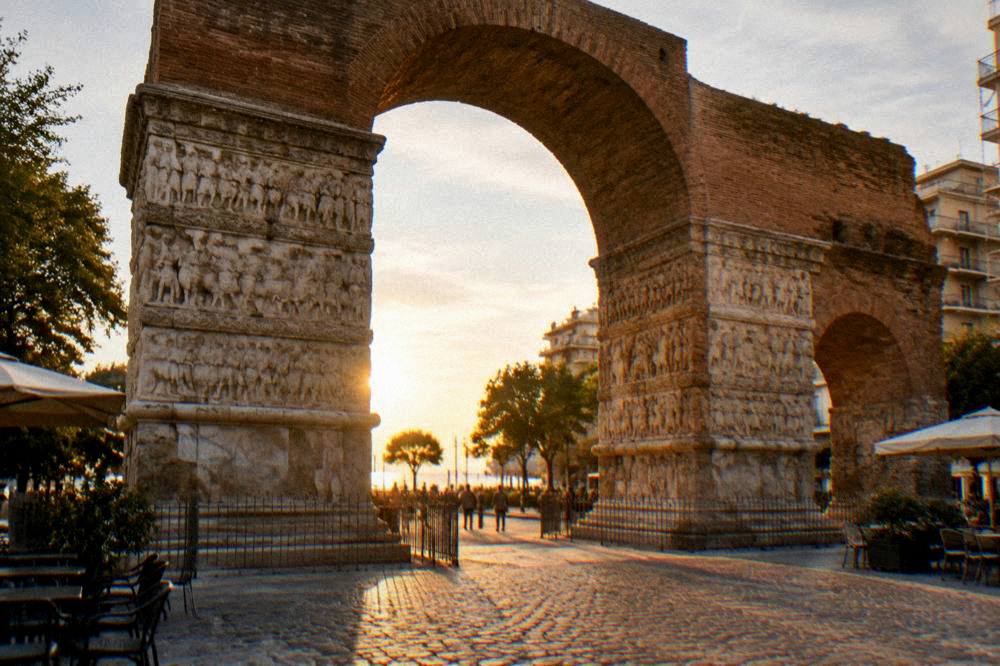
No, and this is the firmest recommendation on the page: the central sights, from the White Tower along the seafront promenade to Aristotelous Square, the Rotunda and the Arch of Galerius, sit within walking distance of one another, and the metro, OASTH buses and taxis cover everything beyond, including the airport and the KTEL stations. A car becomes useful only for the regional day trips, and several of those run as organised tours with hotel-area pickups.
Inside the centre the geometry does the work. The Nea Paralia promenade, the White Tower, the Roman Galerian complex, the Ladadika quarter and Ano Poli's walled upper town form a band a few kilometres long along the water and the slope behind it. Two wheels or a good pair of shoes cover it. For the days when feet give out, a hop-on hop-off sightseeing bus loops the headline sights, and the Check availability link shows the live listing; the tour also has its own sightseeing bus page on this site with what it covers.
For the upper town specifically, the walls, the Heptapyrgion fortress and the Trigonion Tower sit at the top of a real climb, and a guided walk spreads the history across the ascent; the Upper Town Historical Tour is that walk with its own page here.
What Should You Do With Your First Day In Thessaloniki?
Start at the White Tower, the city's landmark on the seafront, where a full ticket costs 8 euro and a reduced ticket 4 euro under the prices in force from 1 April 2026, then walk the Nea Paralia promenade, cut inland to Aristotelous Square, and finish among the Roman monuments on Egnatia street, the Arch of Galerius free to view in the open air. The Museum of Byzantine Culture, the Archaeological Museum and the Church of Saint Demetrius fill any gaps, the churches free and open outside services.
The museum numbers are published and worth knowing before arrival, because the 2026 prices reset several older figures that still circulate online. The Museum of Byzantine Culture and the Archaeological Museum each cost 10 euro full and 5 euro reduced. State museums, including all three below, are free on 6 March, 18 April, 18 May, the last weekend of September and 28 October, and free year-round for EU citizens up to 25 on presentation of ID.
| Sight | Summer hours | Winter hours | Admission |
|---|---|---|---|
| White Tower | 1 Apr to 31 Oct, daily 08:00-21:00 | 1 Nov to 31 Mar, daily 08:30-15:30 | 8 euro full, 4 euro reduced |
| Museum of Byzantine Culture | 8 May to 31 Oct, daily 08:00-20:00 | Mon, Wed to Sun 08:30-15:30, Tue closed | 10 euro full, 5 euro reduced |
| Archaeological Museum | 1 Apr to 31 Oct, daily 09:00-17:00 | 09:00-17:00, closed Tuesday | 10 euro full, 5 euro reduced |
Entry to the White Tower stops 20 minutes before closing in both seasons, and the same last-entry rule applies at the Archaeological Museum, so an afternoon visit needs to start earlier than the closing hour suggests. Beyond the headline three, the full sight list with an itinerary logic is in things to do in Thessaloniki, and a compressed single-day version lives in the one day in Thessaloniki guide.
Food is the other half of any first day. Thessaloniki runs a municipal gastronomy programme under UNESCO's Creative Cities network, and the eating runs through Modiano Market and Kapani Market into an ouzeri culture that treats lunch as a civic institution. A guided walk with tastings is the efficient introduction: the Traditional Greek Food Tour with a Local has its own page on this site, and the what to eat in Thessaloniki guide covers the vocabulary.
Which Day Trips From Thessaloniki Justify The Journey?
Vergina and Pella are the ancient Macedonian pair, about 62 and 43 minutes by road respectively; Dion and Litochoro put Roman archaeology and Mount Olympus within about 67 minutes; the Halkidiki peninsulas of Kassandra and Sithonia start at about 78 and 96 minutes; and Meteora, at about 228 km and 154 minutes one way, is a full day. All drive times are computed free-flow from Aristotelous Square, so add time for traffic, parking and stops.
Each destination has a full guide on this site: Vergina, Pella, Dion, Mount Olympus, Meteora, Kassandra and Sithonia. Two planning notes carry more weight than any table. First, the Mount Athos boat trips that leave from Ouranoupoli, about 139 minutes by road, view the monastic coast from the sea and do not land: entry to Athos itself requires a permit called a diamonitirion and is open to men only, so no cruise sold from Thessaloniki or Halkidiki gets anyone ashore. Second, Meteora's monasteries each charge entry on site and each closes one weekday, per the monastery information circulating for 2026, so check the day-of-week against your itinerary before committing.
When Is The Best Time To Make The Trip?
July and August are the warm months, with mean daily highs of 31.7 C and 31.4 C respectively in the HNMS Thessaloniki Mikra station record for 1959 to 2010, and August carries the lowest monthly rainfall at 19.3 mm; May, June and September sit in the comfortable middle, and December is the high-rainfall month at 55.1 mm out of an annual 444.5 mm. The figures are long-run station means, not a forecast for any specific week.
| Month | Mean high C | Mean low C | Rain mm | Rain days |
|---|---|---|---|---|
| April | 19.1 | 7.9 | 36.1 | 11.1 |
| May | 24.6 | 12.6 | 44.2 | 11.0 |
| June | 29.4 | 17.0 | 29.8 | 7.9 |
| July | 31.7 | 19.3 | 23.8 | 6.7 |
| August | 31.4 | 19.1 | 19.3 | 5.1 |
| September | 27.1 | 15.4 | 29.8 | 7.0 |
| October | 21.2 | 11.3 | 43.0 | 9.3 |
The calendar adds its own weight. The Thessaloniki International Fair ran 5 to 13 September in its 2026 edition, the Dimitria festival ran across October, and the International Film Festival follows in November, 5 to 15 in its 67th edition in 2026, so autumn is the culturally crowded season and hotel rooms book accordingly. The best time to visit and Thessaloniki weather guides unpack both layers, and the where to stay page handles the neighbourhood choice. One small cost to expect at any accommodation: the Greek climate resilience fee, collected by the property, charged per room per night and higher from April to October.
What About Arriving By Sea Or From Further North?
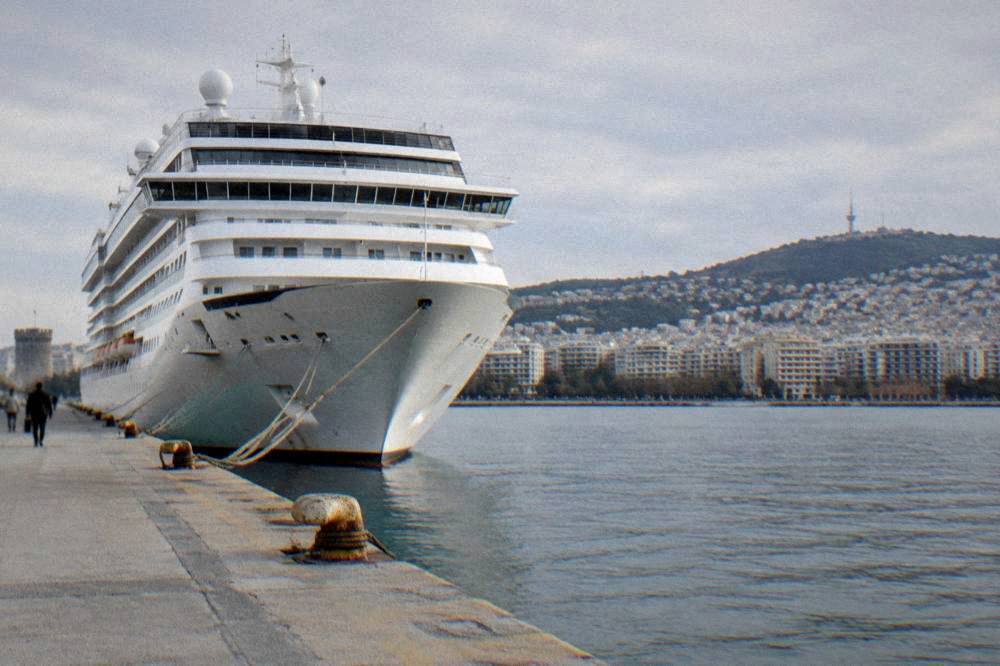
Thessaloniki is a port city with a cruise terminal, so some travellers arrive by ship rather than from Athens at all, and the port sits close to the centre; a seasonal high-speed ferry link to the Sporades ran from late June 2026 but was not operating by October, and northern arrivals by coach from Skopje (about 228 km) or Sofia (about 294 km) exist without any citable published journey time. For cruise arrivals the port pickup tours are the practical answer.
The cruise-port arrival has its own rhythm, usually a single day, and the Thessaloniki cruise port day guide is built around it. For land arrivals from the north, the Sofia and Skopje page covers the routes; the free-flow drive times above come from the same computed distance set as the rest of this page, but coach schedules and border waits for those crossings are confirmed with the operators.
Common Questions About Traveling From Athens To Thessaloniki
Is there a high-speed train from Athens to Thessaloniki?
Hellenic Train runs the Athens to Thessaloniki route as part of its northern Greece network. No citable official journey time or fare was found for the route, and this site does not call the service high-speed; check the timetable and prices on the Hellenic Train site before booking.
How far is Thessaloniki Airport from the city centre?
Thessaloniki Airport "Makedonia" (SKG) is 16.4 km from Aristotelous Square, about 20 minutes by road at free flow, with OASTH airport bus lines X1, X2, X3 and the N1 night line, plus taxis, covering the transfer.
How much does the Thessaloniki metro cost?
The metro's ticket page lists a basic single at 0.60 euro (0.30 euro reduced), a 24-hour daily ticket at 2.50 euro, a 10+1 carnet at 5.80 euro and a 30-day pass at 16 euro. The metro runs 05:15 to 00:30 Sunday to Thursday and 05:15 to 02:00 Friday and Saturday.
Where do buses from Athens arrive in Thessaloniki?
Intercity coaches use the KTEL Macedonia station on Giannitson street in Menemeni, about 4 km from the centre, with onward connections by city bus, taxi or metro. Confirm fares and journey times with the operator.
Is Meteora a day trip from Thessaloniki?
Yes, a full one. Kalambaka is about 228 km and roughly two and a half hours by road one way at free flow, so Meteora is a full-day trip from Thessaloniki and never a half day.
Do you need a car in Thessaloniki itself?
No. The central sights, from the White Tower to Aristotelous Square and the Roman monuments, sit within walking distance of one another, and the metro, buses and taxis cover the rest, including the airport. A car pays off for the regional day trips.
Whichever of the four ways you choose, the arrival is the easy part: a 20-minute airport run, a metro that runs past midnight on weekends, and a city whose headline sights line up along the water. Plan the transport with the operators' own pages, then let the Thessaloniki Travel Guide take over from there.