Which Is Nicer, Athens Or Thessaloniki?
An honest comparison of Athens and Thessaloniki: seafront, Byzantine monuments, food, day trips and pace, based on opening hours, ticket prices and drive times.
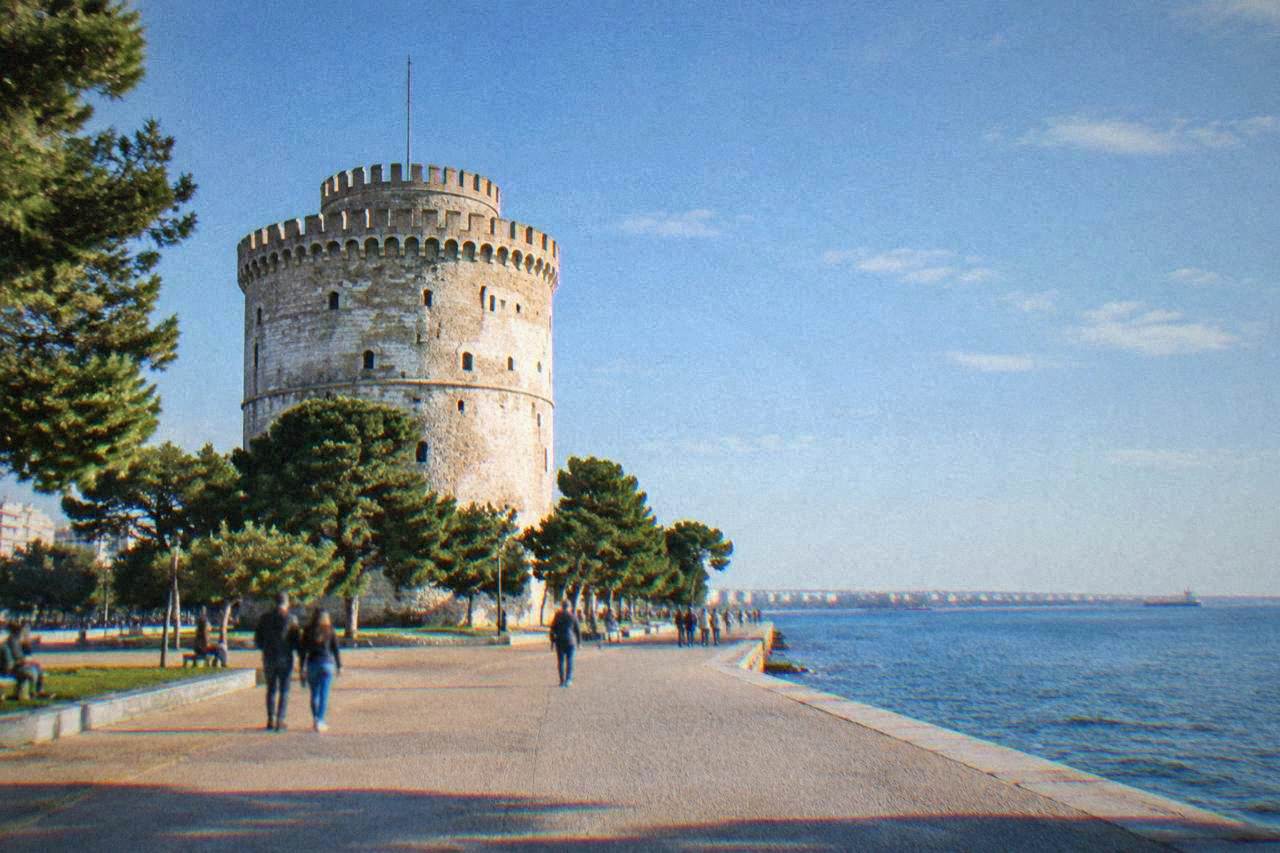
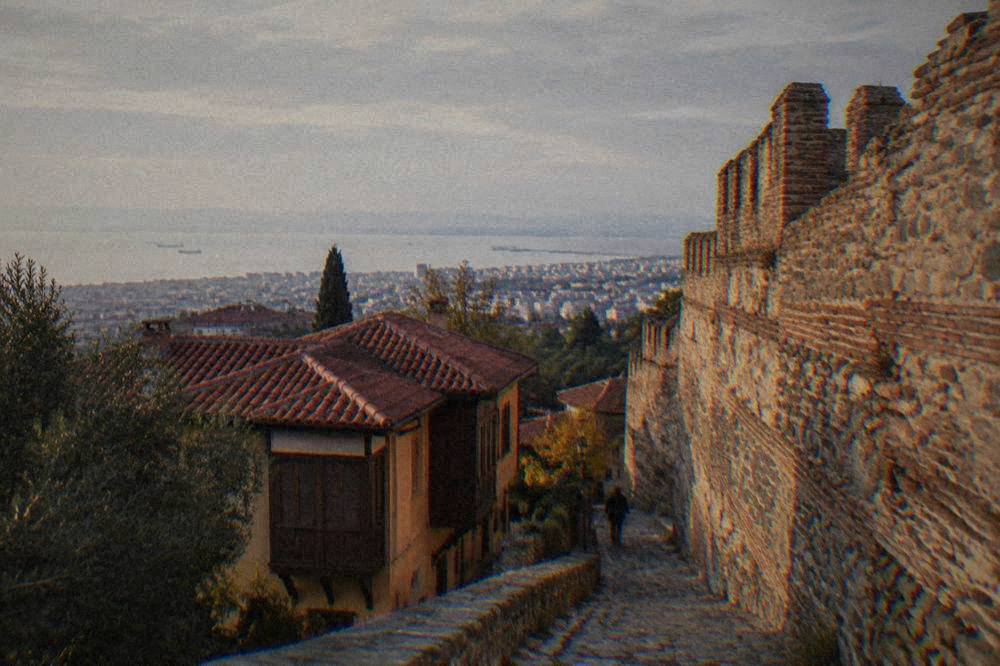
Thessaloniki, the second city of Greece, sits on the Thermaic Gulf in Central Macedonia, a coastal city whose White Tower stands on the Nea Paralia promenade and whose old upper town, Ano Poli, still sits inside the Byzantine walls. Athens, hundreds of kilometres to the south, is the capital and the home of the Acropolis. The question of which is nicer has no objective answer, but it has a very answerable structure: the two cities reward different trips, and the difference can be stated with real figures rather than slogans. This page works through the comparison using opening hours, ticket prices and drive times, and it invents no Athens statistic where none exists.
Which Is Nicer, Athens Or Thessaloniki?
Neither city is nicer in any measurable sense, and the honest verdict is editorial: Athens suits a trip built around classical antiquity and capital-city scale, while Thessaloniki suits a trip built around a walkable seafront, Byzantine monuments, food and short day trips. Thessaloniki's advantages are concrete: fifteen UNESCO-inscribed Paleochristian and Byzantine monuments, a 2024-opened metro, and Halkidiki, Pella, Vergina, Mount Olympus and Meteora all reachable in a day. Athens' advantage, the classical inheritance concentrated in and around the Acropolis, is equally concrete but of a different kind.
That is the frame. What follows is the evidence, city by city and category by category, so the choice can be made on facts rather than on whichever guide was read first.
How Do The Two Cities Compare On Setting And Size?
Thessaloniki is a coastal city of the Thermaic Gulf with a continuous seafront promenade, the Nea Paralia, running past the White Tower, while Athens is an inland capital whose relationship with the sea runs through its port suburb of Piraeus. Thessaloniki's municipality counted 319,045 residents at the 2021 census, with more than a million people in the wider urban area, according to the city. It is the second city of Greece, a status no source in this comparison disputes.
The setting shapes the trip. In Thessaloniki, the sea is inside the city: the promenade is for walking, not swimming, and the nearest swimmable beaches are at Perea, about 28 minutes by road from Aristotelous Square, or Agia Triada and Epanomi further along the gulf. Athens answers with a different geography: an inland basin, with the Saronic coast reached by suburban rail or metro to Piraeus. Neither arrangement is better; they are different products.
On climate, the two cities diverge quietly. The HNMS Thessaloniki Mikra station table, 1959 to 2010, gives Thessaloniki a July mean high of 31.7 C, a January mean low of 1.5 C, and annual rainfall of 444.5 mm, with December the highest month at 55.1 mm and August the lowest at 19.3 mm. Northern Greece sits at the continental edge of the Mediterranean, so winters are realer here than the national postcard suggests, a point the snow question covered in does Thessaloniki get snow addresses directly.
Getting between the two is straightforward in principle. Hellenic Train runs the Athens to Thessaloniki route, alongside its northern services to Larissa, Litochoro, Katerini, Veria, Edessa and Florina, and the timetable is confirmed on its own site; the rail connection between the cities is covered in the Athens to Thessaloniki guide. For arrivals into the city by rail, the practical detail is gathered on the Thessaloniki train station page.
What Does Thessaloniki Do Better?
Thessaloniki does three things better, and all three can be evidenced: Byzantine density, with fifteen UNESCO-inscribed Paleochristian and Byzantine monuments listed in 1988 within a walkable centre; food, a strength the city itself promotes through its municipal gastronomy programme; and day trips, with Pella 43 minutes, Vergina 62 minutes and Dion 67 minutes by road from Aristotelous Square. Athens cannot match the first on the same terms, and the third is a matter of arithmetic rather than taste.
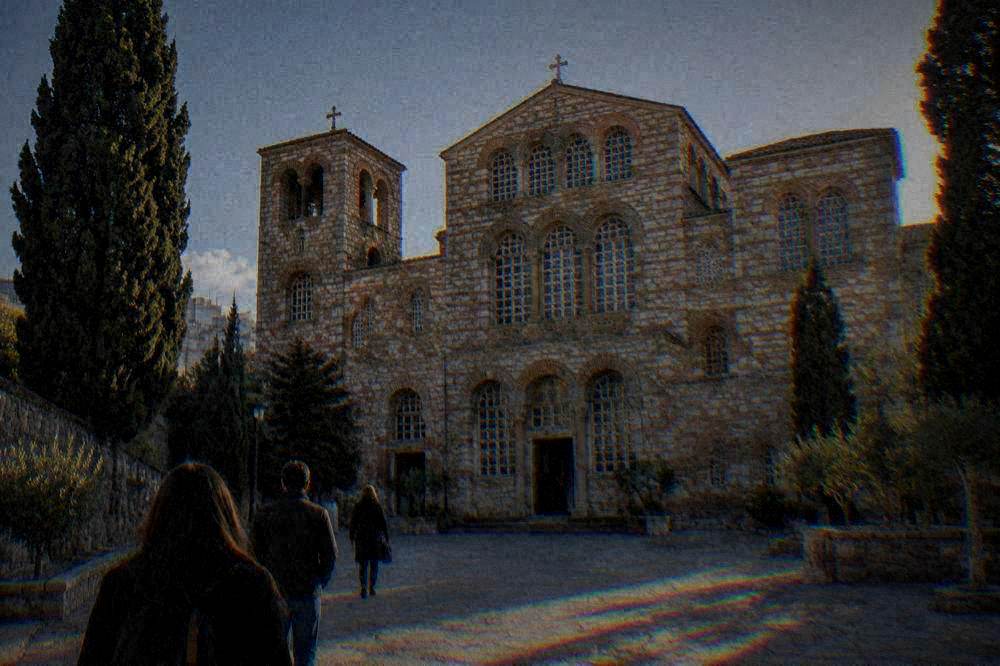
The Byzantine list is the structural argument. The White Tower, the Rotunda, the Church of Saint Demetrius, Hagia Sophia, Panagia Acheiropoietos, Hosios David, the Heptapyrgion and the walls, all belong to one inscription, and the city between them is compact. Working churches are free to enter and open outside services, and the headline museums carry hours and prices: the White Tower at 8 euro full and 4 reduced from 1 April 2026, the Archaeological Museum and the Museum of Byzantine Culture at 10 and 5, all per the museums' own visiting pages. The what is Thessaloniki famous for page unpacks the identity behind these numbers.
The museums also reward a longer look, because their hours differ by season and a bad Tuesday can cost half a sightseeing day. The Archaeological Museum runs 09:00 to 17:00 daily from 1 April to 31 October, then closes on Tuesdays from 1 November to 31 March. The Museum of Byzantine Culture is daily 08:00 to 20:00 through the summer and 08:30 to 15:30, Tuesday-closed, in winter. The White Tower keeps 08:00 to 21:00 in summer and 08:30 to 15:30 in winter. State museums are free on 6 March, 18 April, 18 May, the last weekend of September and 28 October, a scheduling lever Athens-bound itineraries do not have in the same documented form on this site.
The day-trip reach is the quiet clincher. These are computed free-flow road times from Aristotelous Square:
| Day trip | Distance | Drive time from Aristotelous Square |
|---|---|---|
| Perea (beaches) | 23.0 km | about 28 min |
| Pella (Archaeological Museum) | 45.7 km | about 43 min |
| Vergina (Royal Tombs of Aigai) | 68.0 km | about 62 min |
| Dion (archaeological park) | 90.1 km | about 67 min |
| Litochoro (Mount Olympus base) | 90.7 km | about 67 min |
| Edessa (waterfalls) | 90.3 km | about 82 min |
| Kassandra (Kallithea) | 86.2 km | about 78 min |
| Meteora (Kalambaka) | 227.5 km | about 154 min |
Meteora is the boundary case: about 228 km and a full day, never a half day, which the Meteora distance question treats in full. The Halkidiki peninsulas answer the beach question, and the choice between them is its own debate, covered in which is better, Kassandra or Sithonia. Inside the city itself, a hop-on hop-off bus loop strings the White Tower, the Rotunda and the seafront together with multilingual audio; Check availability for the current season's route.
What Does Athens Do Better?
Athens does one thing at a scale nothing in northern Greece matches: classical antiquity, above all the Acropolis, and the capital-city concentration of national museums, theatre and government that follows from being a metropolis of several million people.
The choice is therefore about the shape of the trip, not the quality of the cities. A visitor whose single goal is standing on the classical citadel has one answer. A visitor who wants a city where the monuments are Byzantine, the sea is a promenade away and the airport is about 20 minutes and 16 km by road from Aristotelous Square has the other. Thessaloniki's metro, open since November 2024 with the Kalamaria extension added on 27 August 2026, a basic ticket at 0.60 euro and a daily at 2.50 euro per the metro's ticket page, makes the second shape easy to live in.
There is also the matter of pace. Thessaloniki is a city where the major sights chain together on foot or on one metro line, where the Archaeological Museum, the White Tower and Ano Poli can share a single day without a bus transfer, and where an evening walk on the Nea Paralia costs nothing. Athens delivers bigger peaks and bigger logistics. Neither rhythm is superior, but a traveller who dislikes long cross-city hauls should know which city offers the compact version, and the walkability detail is laid out in is Thessaloniki a walkable city.
Cost and safety questions are asked of both cities, and this site answers them only where figures exist: is Thessaloniki expensive and is it safe to travel to Thessaloniki right now cover the Thessaloniki side of both with the site's usual sourcing. A Greek climate resilience fee applies to accommodation everywhere in the country, collected by the property, charged per room per night and higher from April to October, so it cannot tip the comparison either way.
A short summary table of the Thessaloniki figures used above:
| Item | Figure | Where it comes from |
|---|---|---|
| White Tower ticket | 8 euro full, 4 reduced, from 1 April 2026 | the museum's own visiting page |
| Archaeological Museum ticket | 10 euro full, 5 reduced | the museum's hours-and-tickets page |
| Museum of Byzantine Culture ticket | 10 euro full, 5 reduced | the museum's visiting page |
| Metro basic ticket | 0.60 euro, one journey | the metro's ticket page |
| Metro daily ticket | 2.50 euro, 24 hours | the metro's ticket page |
| Airport to Aristotelous Square | about 16 km, about 20 min by road | computed over OSM routing |
Common Questions About Athens Or Thessaloniki
Which Is Nicer, Athens Or Thessaloniki?
There is no measured answer. Athens suits a classical-antiquity, capital-scale trip; Thessaloniki suits a seafront, Byzantine, food-and-day-trips trip. The verdict is editorial, and the reason is what should drive the choice.
Is Thessaloniki cheaper than Athens?
This site prints no cost comparison between the two cities. Thessaloniki has metro rides at 0.60 euro, a daily metro ticket at 2.50 euro, museum entries between 8 and 10 euro full price, and a climate resilience fee on accommodation collected per room per night.
Can you combine Athens and Thessaloniki in one trip?
Yes. Hellenic Train runs the Athens to Thessaloniki route along with northern services to Larissa, Litochoro, Katerini, Veria, Edessa and Florina. Check the timetable and fares on the operator's own site before booking.
Is Thessaloniki good for a first visit to Greece?
For a first visit centred on Byzantine history, food and northern day trips, yes: it is walkable, the metro is open, and Pella, Vergina, Dion and Halkidiki are all within a day's reach. The full argument is in is Thessaloniki worth visiting.
How many days does Thessaloniki need?
Two days cover the White Tower, the Rotunda, the Arch of Galerius, Ano Poli and the main museums at a reasonable pace; a third or fourth adds day trips. The itinerary detail is in how many days is enough for Thessaloniki.
Is the Acropolis or the Thessaloniki monuments better?
They are different categories. The Acropolis is classical and world-famous; Thessaloniki's fifteen UNESCO-inscribed Paleochristian and Byzantine monuments, listed in 1988, are spread through a compact, coastal city. Neither claim can be ranked, only chosen between.
The final word belongs to the reader's own trip shape. Athens for the citadel and the capital; Thessaloniki, as Thessaloniki Travel Guide covers it in depth, for the gulf, the walls and the short road to Vergina.