Is There A Michelin Star Restaurant In Thessaloniki?
Thessaloniki, Greece's second city and a UNESCO Creative City of Gastronomy, raises the star question often. Here is what can and cannot be said, and where the real answer lives.
Thessaloniki, the second city of Greece, sits on the Thermaic Gulf in Central Macedonia, and its food reputation is unusually loud for a city most international diners cannot place on a map. The municipal gastronomy site references UNESCO and the Creative Cities Network, which is the recognition the city itself leans on. The Michelin question comes up anyway, because travellers planning a trip to northern Greece want to know whether a starred dinner is on the table. The short version: the Michelin Guide is the only authority on Michelin stars, and any yes or no printed anywhere other than the guide's own listings is secondhand. Check the official Michelin Guide site before you book anything on the strength of a star.
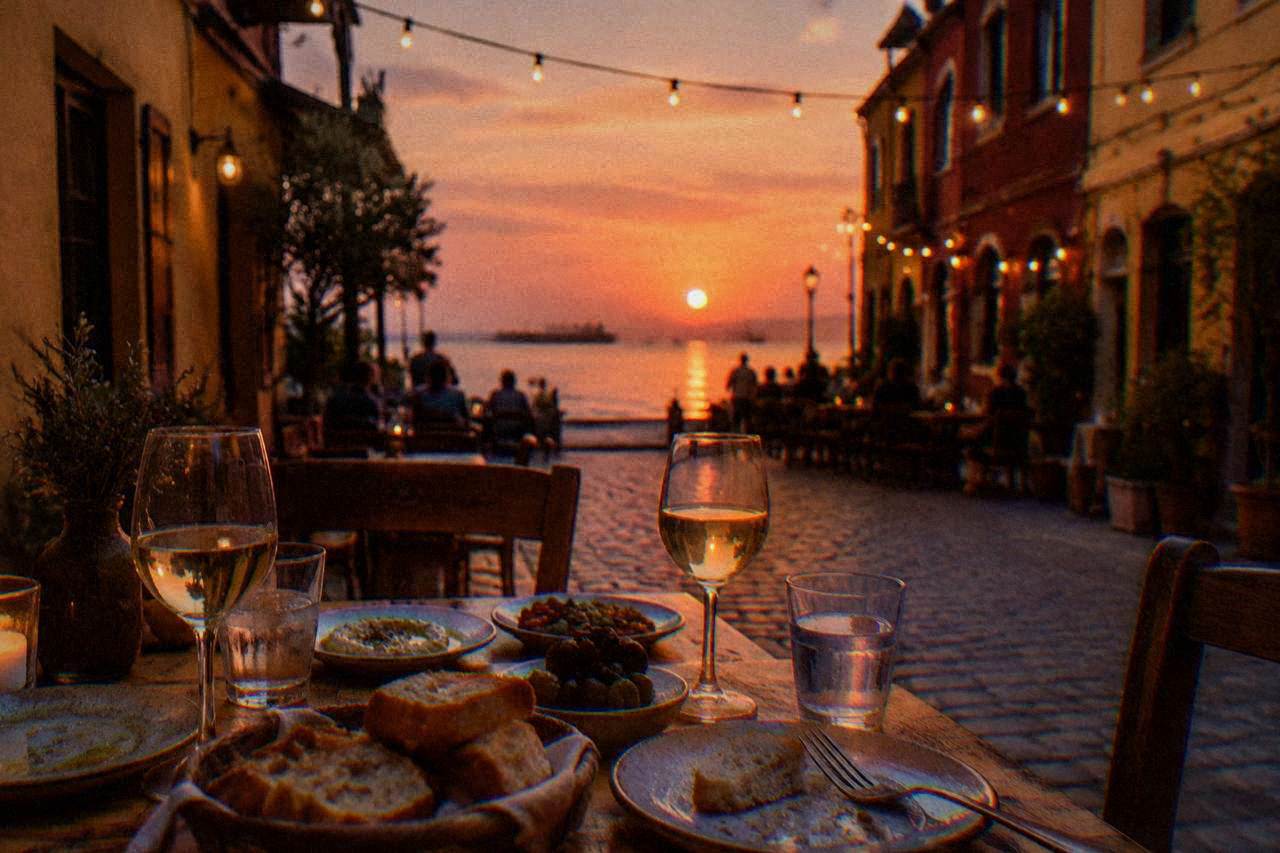
Is There A Michelin Star Restaurant In Thessaloniki?
No count of Michelin-starred restaurants in Thessaloniki appears in any source this page can rely on, and the honest answer is that the Michelin Guide itself is the only authority on the subject. Star lists change, coverage areas expand, and a count printed today can be wrong by the time you travel. Before planning a dinner around a star, open the official Michelin Guide site, search Thessaloniki, and see what its own listings say on the day you look.
That is the whole answer to the literal question, and anything more specific would be a guess dressed as fact. A star awarded is a star that can be withdrawn, and a city covered one year can find itself outside the guide's scope the next. That volatility is precisely why a travel page that printed a number would be doing you a disservice: the figure would look authoritative on the day of publication and quietly rot afterwards, while the guide's own site carries the current state at all times.
What the rest of this page can do is more useful than a number. It explains what Thessaloniki's food standing actually rests on, which parts of that standing are documented, and how to eat well in the city whether or not a guide inspector has passed through. The city's documented claim runs through its municipal gastronomy programme, which references UNESCO and the Creative Cities Network. The practical translation is a city where markets, bakeries and small tavernas do the everyday work that starred dining rooms do elsewhere, and do it at prices that make a long weekend dangerously easy to justify.
What Is Thessaloniki's Food Reputation Actually Built On?
Thessaloniki's food reputation rests on its markets and everyday eating culture rather than on fine-dining laurels, and the documented anchors are its named public markets and a UNESCO Creative Cities Network reference on the municipal gastronomy site. Modiano Market and Kapani Market are named public markets, and the second city of Greece treats street food, bakery counters and market halls as its serious cuisine.
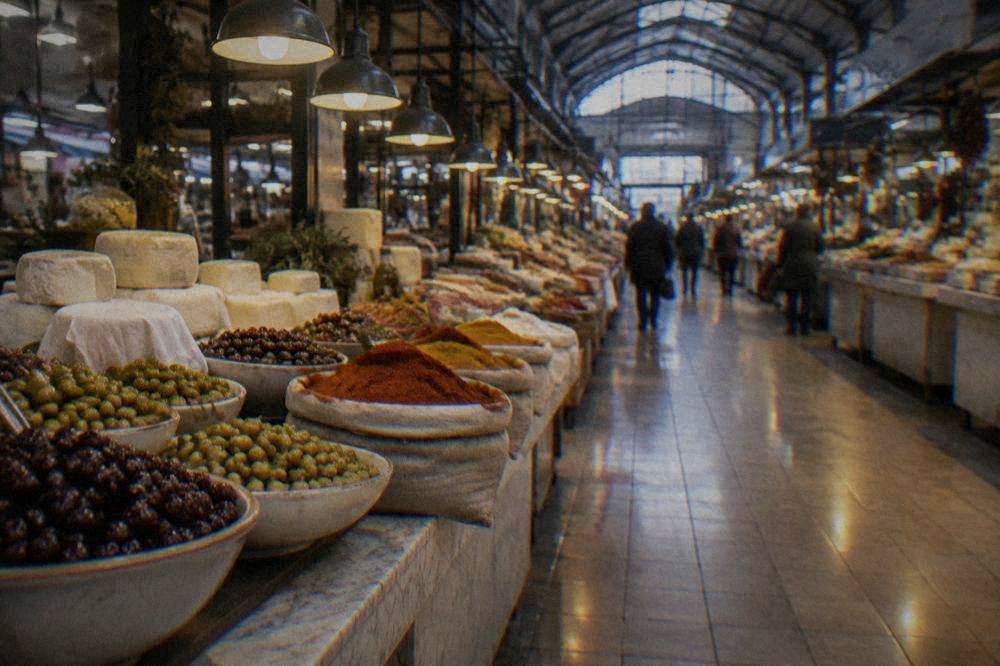
Modiano Market and Kapani Market sit at the centre of this. They are working markets, not tourist theatre, and they anchor the food streets around them. Stalls sell olives, cheeses, spices, fish and ready food in quantities aimed at people cooking dinner that night, which is the tell that separates a real market from a postcard one. Around them sits a dense ring of bakeries, grills and counters, and the whole district functions as the city's pantry.
The listed food pages on this site go deeper: what food Thessaloniki is famous for covers the dishes themselves, and the broader things to do in Thessaloniki page places the food in the wider visit.
What the city does not have, in any documented form this page can cite, is a hierarchy of named restaurants. Naming a "best bougatsa bakery" or "the original koulouri shop" would also drag in origin stories this page has no source for. For named dining rooms, the places to check are the official Michelin Guide site for its listings and, once you are in the city, the tables themselves: a full room at one in the afternoon is a review no guide can write.
A market walk with tastings is the most direct way to read the city's food culture without depending on any ranking. The operator's live listing carries current prices and availability, and a guide who shops these stalls weekly can tell you what is in season, what to do with it, and which counter to stand at at which hour.
| Anchor | What it is | Why it matters for dining |
|---|---|---|
| Modiano Market | Named covered food market in the city centre | Everyday shopping and eating, the raw material of the city's cuisine |
| Kapani Market | Named traditional market district | The older, louder market experience beside Modiano |
| Ladadika | Historic district near the port | The restaurant quarter locals point to by name |
| Ano Poli | Old upper town inside the Byzantine walls | Tavernas in a residential setting away from the centre |
| Municipal gastronomy site | References UNESCO and the Creative Cities Network | The city's own documented food recognition |
Two more anchors belong on the list even though they are districts rather than markets. Kalamaria, on the southeast edge of the city and now served by the metro's Kalamaria extension, holds its own fish tavernas along the waterfront. And the city centre itself, compact and walkable around Aristotelous Square, keeps the whole food geography within an easy stroll, which is one reason a food tour works so well here: nothing is far from anything.
How Do You Eat Well In Thessaloniki Without A Star List?
You eat the way the city eats: through its markets, its bakery counters and its small tavernas, where the quality signal is a full room of locals rather than a badge in a guide. The backbone is Modiano Market and Kapani Market for ingredients and ready food, and named districts like Ladadika and Ano Poli for evening tables, with the official Michelin Guide site as the place to check for starred dining.
The strategy matters because Thessaloniki rewards low ceremony. The city's serious food happens at counters and market stalls, in portions you eat standing or within sight of the sea, and the cost question answers itself quickly at that level of dining. Budget travellers get a lot of city for the money; read the pricing detail on that page.
There is a rhythm to it. Markets are at their fullest in the morning, when the shopping is done and the counters are loaded. Bakeries run all day, and their busiest hours follow the city's coffee habits rather than any tourist timetable. Evening tables fill late, in the Greek manner, and a restaurant that looks empty at eight can be turning people away by ten. None of this requires a reservation system or a ranking; it requires arriving at the right hour. Other pages covering the same trip are gathered on Thessaloniki Travel Guide.
A guided tasting walk shortens the learning curve. The open market food tour moves through the market halls with a local guide, and its own page, the Thessaloniki open market food tour with tasting, covers what the walk includes.
If a sit-down tasting is more your speed, the city's cooking classes and wine tastings cover the same territory from a table. Wine country sits close by: the broader northern Greece wine story is documented on this site's wine page, and day trips toward Naoussa and Veria put you in it within about 76 minutes by road from Aristotelous Square.
One more note on the star hunt itself: even in cities the Michelin Guide covers fully, inspectors miss as much as they catch, and the gap is widest exactly where Thessaloniki is strongest, in informal, inexpensive, market-driven eating. A ranking system built for tasting menus reads a two-euro counter snack poorly. Treat the guide as one input, not the verdict.
Can A Food Tour Replace A Guidebook In Thessaloniki?
A food tour does the interpretive work a guidebook cannot: a local guide walks you through markets and counters, explains what you are eating, and puts the city's eating culture in order in a single afternoon. For a first visit, it answers the "where do I even start" question faster than any list, and it needs no star ranking to justify itself.
The alternative is self-guided, and it works too, but slower. Start at Modiano Market, work outward through Kapani Market, and finish in Ladadika after dark. Expect to order wrong at least once; ordering wrong in Thessaloniki is rarely a punishment. The pages on how many days are enough for Thessaloniki and whether Thessaloniki is worth visiting help with the surrounding plan.
There is a timing angle as well. The city's calendar bends around food-heavy dates: Saint Demetrius day falls on 26 October, the Thessaloniki International Film Festival ran 5 to 15 November in its 2026 edition, and the Dimitria festival ran 1 to 26 October in 2026. A visit that overlaps one of these fills evenings that would otherwise go to restaurant-hopping, and hotel demand moves with them, so the surrounding plan matters as much as the dinner plan.
Common Questions About Michelin Stars And Dining In Thessaloniki
Is there a Michelin star restaurant in Thessaloniki?
The Michelin Guide is the only authority on Michelin stars, and no starred count for Thessaloniki can be stated here. Check the official Michelin Guide site and its Thessaloniki listings before booking, and treat any other count, including ones in older articles, as secondhand.
Is Thessaloniki a food city?
Yes, by its own documented recognition: the municipal gastronomy site references UNESCO and the Creative Cities Network. The everyday proof is in its named markets, Modiano Market and Kapani Market, and a street-food culture that runs from breakfast pastries to late-night counters.
Where should I eat in Thessaloniki?
The named districts are the starting grid: Ladadika near the port for evening tables, Ano Poli for tavernas above the centre, and the market halls for daytime eating.
Are food tours in Thessaloniki worth it?
For a first visit, a market food tour compresses days of wandering into one guided walk with tastings included. Prices, ratings and durations sit on the operator's live listing rather than in this text, so check availability and read the listing before booking.
What food is Thessaloniki known for?
The city's everyday eating centres on its markets and bakery counters. The dedicated page on what food Thessaloniki is famous for covers the dishes in detail.
The star question will keep coming, and the answer will keep living in one place: the Michelin Guide's own site. Everything else on this page is the city's real, checkable food culture, and it does not need a badge to be worth the flight.