Is Thessaloniki Expensive?
Is Thessaloniki expensive? A clear answer on museum tickets, metro fares, tours and daily costs in Greece's second city, with the prices that are actually published.
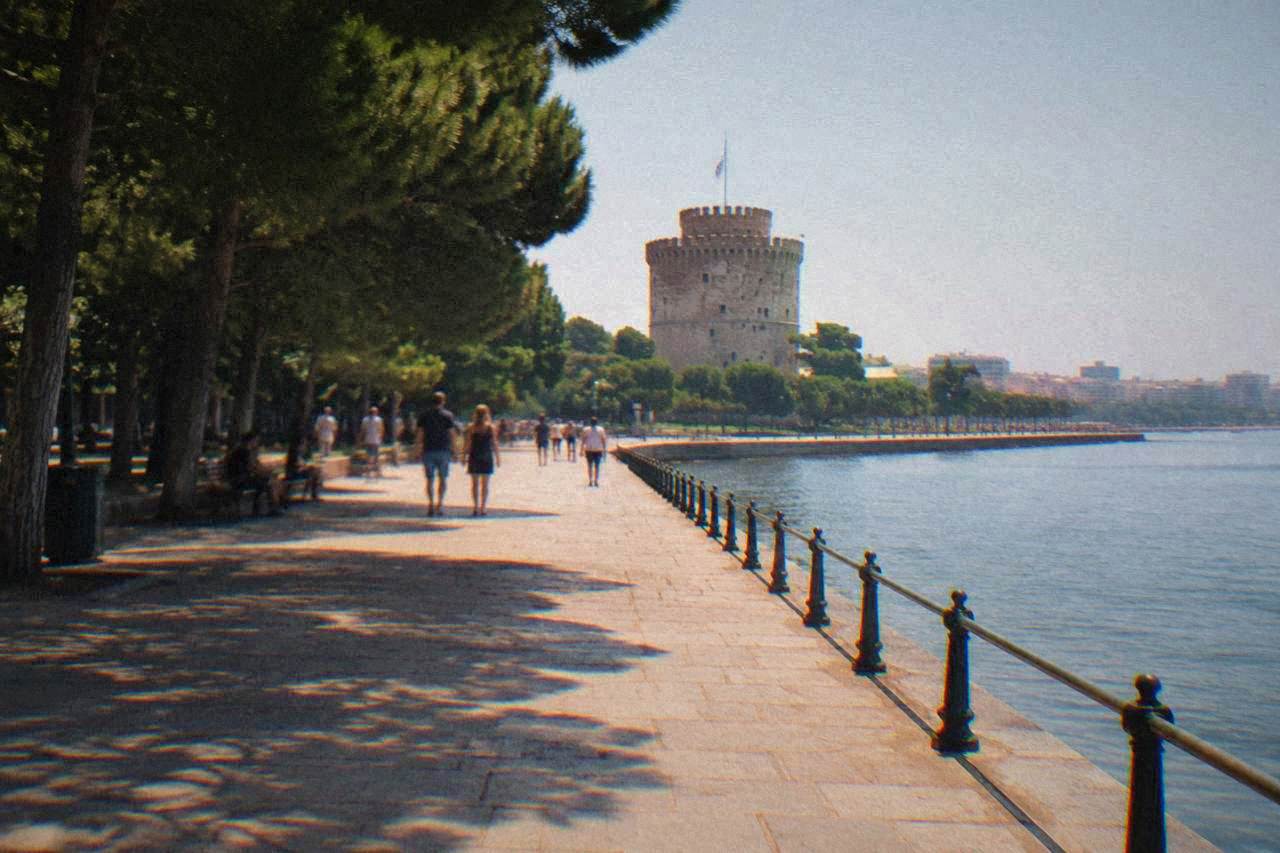
Thessaloniki, the second city of Greece, sits on the Thermaic Gulf in Central Macedonia, and the honest answer on cost is that the published prices are moderate for a European city break. A single metro ticket costs 0.60 euro, a day ticket 2.50 euro, and the White Tower, the city's landmark monument on the Nea Paralia promenade, charges 8 euro full price. Greece has used the euro since 2001, so there is no exchange-rate arithmetic to worry about.
Is Thessaloniki Expensive?
No, Thessaloniki is not expensive by the standards of western European city breaks, and its published prices are low: the metro basic ticket is 0.60 euro, the daily ticket 2.50 euro, the White Tower is 8 euro full and 4 euro reduced, and the two big state museums charge 10 euro each.
That answer rests on figures that are actually printed by the operators and the museums, not on estimates. The Thessaloniki Metro's ticket page states 0.60 euro for a basic single journey, 2.50 euro for a 24-hour daily ticket, 5.80 euro for a booklet of 10 plus 1 tickets, and 16 euro for a 30-day pass. The Museum of Byzantine Culture's visiting page lists the White Tower at 8 euro full and 4 euro reduced, in force from 1 April 2026, replacing the older 4 euro figure that still circulates on outdated pages. Those two sources anchor the low end of a visit.
Greece is a member of the euro area, so every price is in euro, and the country is in the Schengen area, which removes border-formality costs for travellers arriving from within it. What the published figures do not cover is lodging and food. Readers deciding how long to stay can pair this with how many days is enough for Thessaloniki.
What Do Museums And Monuments Cost In Thessaloniki?
The headline state museums cost 10 euro full price and 5 euro reduced: that applies to both the Archaeological Museum of Thessaloniki and the Museum of Byzantine Culture, while the White Tower charges 8 euro full and 4 euro reduced under the pricing in force from 1 April 2026. State museums are free on 6 March, 18 April, 18 May, the last weekend of September and 28 October.
Those figures come straight from the museums' own visiting pages. The Archaeological Museum is open 09:00 to 17:00, closing on Tuesday only from 1 November to 31 March. The Museum of Byzantine Culture runs daily 08:00 to 20:00 in summer and 08:30 to 15:30, Tuesday closed, in winter.
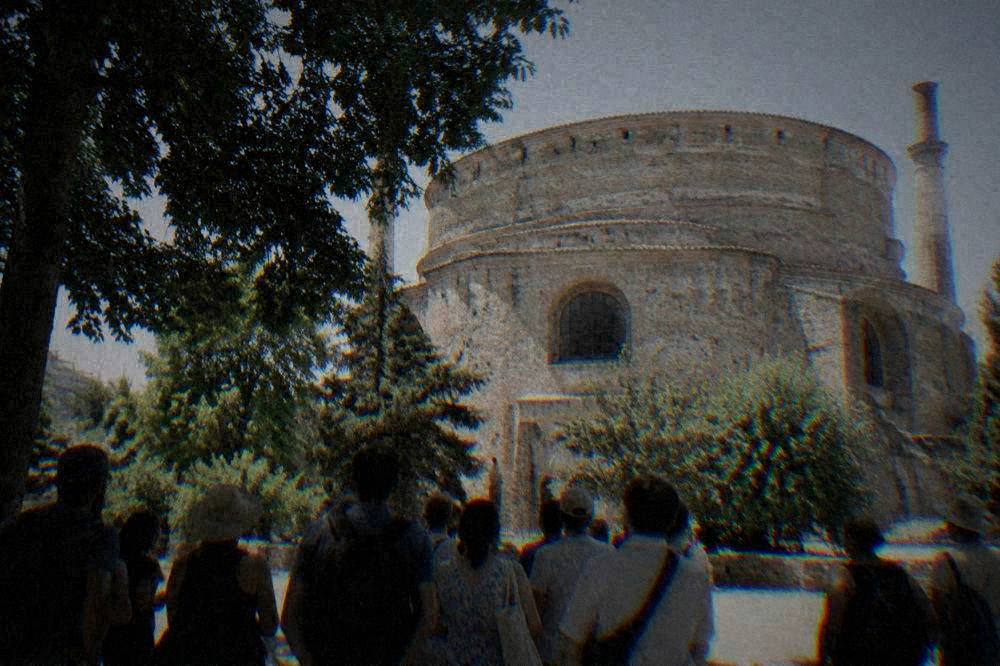
The free-admission days are a real saving if your dates line up. Entry is also free for European Union citizens up to age 25 at state sites. Churches are another story entirely: the great Byzantine churches of the city, among them the Church of Saint Demetrius and Hagia Sophia, are working churches and free to enter outside services. Both are among the fifteen monuments on the UNESCO Paleochristian and Byzantine list inscribed in 1988, and the open-air Roman monuments, the Arch of Galerius on Egnatia street among them, cost nothing to view from the street.
| Sight | Full price | Reduced price | Source basis |
|---|---|---|---|
| White Tower | 8 euro | 4 euro | Museum of Byzantine Culture visiting page |
| Archaeological Museum of Thessaloniki | 10 euro | 5 euro | Museum's own hours-and-tickets page |
| Museum of Byzantine Culture | 10 euro | 5 euro | Museum's own visiting page |
| Working churches (Saint Demetrius, Hagia Sophia) | Free | Free | Working churches, open outside services |
| Arch of Galerius | Free to view | Free to view | Open-air street monument |
A guided walk is one way to compress the sights into a single paid activity. The Thessaloniki: Walking Tour with City Highlights & Sunset covers the centre's landmarks and finishes at sunset, and the listing carries its own current price and rating. For readers comparing the city against the capital, the cost picture is part of the wider question in which is nicer, Athens or Thessaloniki.
How Much Does Getting Around Thessaloniki Cost?
Getting around Thessaloniki is cheap and the figures are published: the metro basic ticket is 0.60 euro, the reduced fare 0.30 euro, and a 24-hour daily ticket 2.50 euro, per the Thessaloniki Metro's own ticket page. The metro runs 05:15 to 00:30 Sunday to Thursday and 05:15 to 02:00 Friday and Saturday, so a full day of sightseeing costs less than a coffee in most capitals.
The metro is open, and has been since Line 1 began running in November 2024, with the Kalamaria extension inaugurated on 27 August 2026. Older guides that describe the system as under construction are simply out of date. Whether the 0.60 euro ticket also covers city buses is not stated on the metro's own ticket page, so buy separately unless told otherwise at the ticket machine. For the airport link, an OASTH airport bus fare of about 2 euro and a daytime taxi to the centre of about 25 euro are reported figures; confirm the current amounts before you fly, and see how to pay for the bus in Thessaloniki for the practical side.
Distances inside the centre are short, which is its own economy. The city is walkable along its seafront promenade, the Nea Paralia, and through the streets between Aristotelous Square and the Roman monuments, a point covered in detail in is Thessaloniki a walkable city. Walking costs nothing, and the flat seafront makes it pleasant for much of the year: the HNMS Thessaloniki Mikra station record, 1959 to 2010, puts the July mean high at 31.7 C and the January mean low at 1.5 C, so the walking months are long.
| Ticket | Price | Notes |
|---|---|---|
| Metro basic single | 0.60 euro | Reduced 0.30 euro, per the metro ticket page |
| Metro daily ticket | 2.50 euro | 24 hours, unlimited metro |
| 10+1 ticket booklet | 5.80 euro | Per the metro ticket page |
| 30-day pass | 16 euro | Per the metro ticket page |
| Airport bus | About 2 euro | Reported fare, confirm before travel |
| Airport taxi, day rate | About 25 euro | Reported figure, confirm before travel |
What Hidden Costs Should You Expect In Thessaloniki?
One hidden cost is certain and published in its shape: Greece's climate resilience fee, charged per room per night, collected by the accommodation itself, and higher from April to October than from November to March. No nightly hotel rate for Thessaloniki is published as a fixed figure, so the room price plus the fee should both be confirmed at booking rather than estimated.
The fee applies to hotels and to short-term rentals alike, and it is paid locally to the accommodation, not to a platform. Because the amounts vary by property category and season, the practical advice is to ask the accommodation what the fee is when you book. That single question removes the only guaranteed surprise in a Thessaloniki budget.
Beyond the fee, the hidden costs of a trip here are the usual ones: day trips. Meteora, at about 228 km and roughly 2 hours 34 minutes by road from Aristotelous Square, is a full day, and its cost depends on whether you go by organised trip, train or rental car. Vergina is about 62 minutes away by road, Pella about 43, and the Halkidiki peninsulas of Kassandra and Sithonia about 78 and 96 minutes respectively, all free-flow figures. Organised day trips remove driving and route-planning in exchange for a per-person price that each listing states itself. For the airport run specifically, the details are covered in how much is a taxi from Thessaloniki airport to city centre.
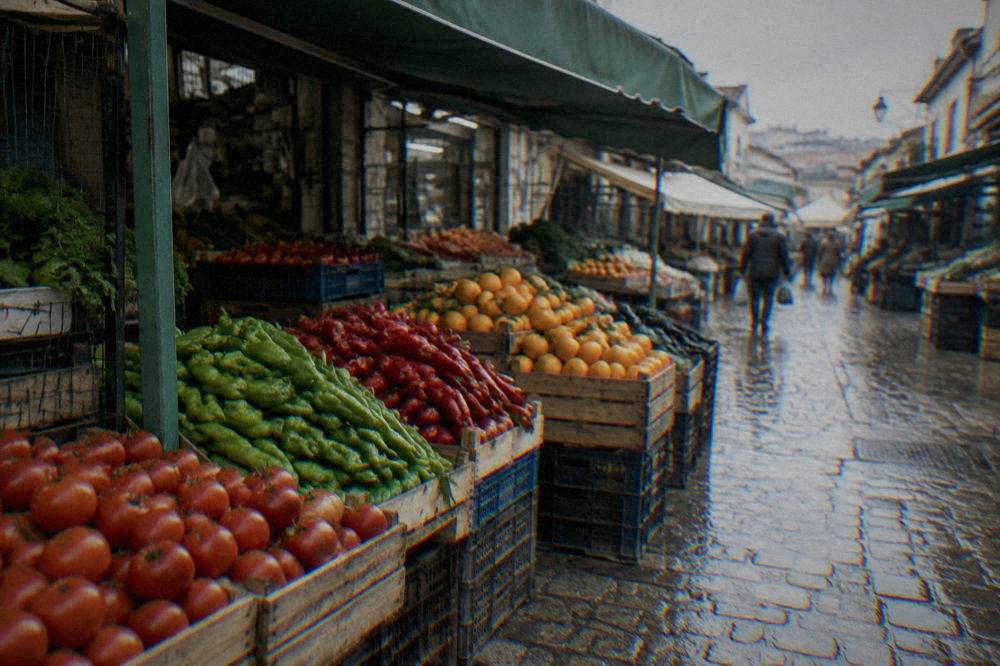
What can be said from what is published: the markets, Kapani Market and Modiano Market among them, are working food markets rather than ticketed attractions, and the city's reputation for eating runs from street snacks to sit-down meals, a topic explored in what food is Thessaloniki famous for.
Where Does The Money Go On A Thessaloniki Trip?
On a Thessaloniki trip the published spending falls into three buckets: transit at 0.60 euro a ride or 2.50 euro a day, culture at 8 to 10 euro per major museum with a reduced half-price tier, and tours whose prices each listing states itself.
That structure makes the city controllable in a way pricier capitals are not. A visitor who walks the centre, rides the metro, and picks two museums can hold the visible, published part of a two-day budget to a modest sum before lodging. A visitor who adds a Meteora day trip, a Halkidiki beach run or a private guide shifts the balance toward tours, and each of those prices sits on its own listing. The free tier is real too: the seafront promenade, the open-air Roman monuments, the UNESCO-listed churches and the upper town of Ano Poli behind the Byzantine walls all cost nothing.
Seasonality matters more than splashy spending. Orthodox Easter falls on 2 May in 2027, and the Thessaloniki International Film Festival ran 5 to 15 November in 2026, both periods when rooms tighten. The 90th Thessaloniki International Fair ran 5 to 13 September in 2026, another demand peak. Booking early around those dates does more for a budget than economising on 0.60 euro metro rides, and the timing question is covered more fully in is Thessaloniki worth visiting in October.
For orientation on a first visit, the guide to things to do in Thessaloniki and the desk's own Thessaloniki Travel Guide coverage lay out the full sight list, much of it free to see.
Common Questions About Costs In Thessaloniki
Is Thessaloniki Expensive?
Not by published prices. The metro costs 0.60 euro a ride, the White Tower 8 euro and the major museums 10 euro, while churches and the seafront promenade are free.
Is the White Tower expensive to visit?
No. The ticket is 8 euro full and 4 euro reduced, in force from 1 April 2026. Entry stops 20 minutes before closing.
Is public transport in Thessaloniki expensive?
No. The Thessaloniki Metro ticket page states 0.60 euro for a basic single, 2.50 euro for a 24-hour daily ticket and 16 euro for a 30-day pass. Whether the ticket covers city buses is not stated on that page, so confirm locally.
Are there extra fees on hotel bills in Thessaloniki?
Yes, Greece's climate resilience fee is charged per room per night, collected by the accommodation, and is higher from April to October than from November to March. Ask the property for the exact amount when booking.
Can you visit Thessaloniki cheaply?
Yes. The working churches, the Arch of Galerius, the Nea Paralia promenade and Ano Poli are all free, and state museums have free-admission days on 6 March, 18 April, 18 May, the last weekend of September and 28 October.
Are day trips from Thessaloniki expensive?
They vary by listing. Meteora is a full day at about 228 km by road, and Vergina, Pella and the Halkidiki peninsulas are closer. Each organised trip's price and rating are stated on its own listing; check availability there before budgeting.