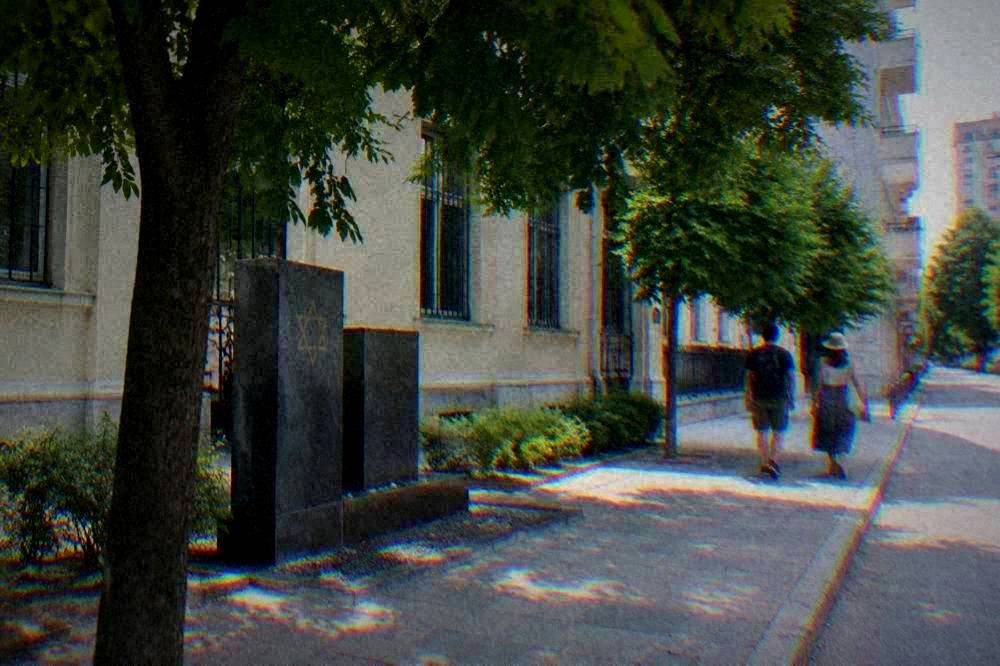
Why Did Thessaloniki Have So Many Jews?
Why Thessaloniki, the second city of Greece on the Thermaic Gulf, became one of the great Jewish cities of the Mediterranean, from 1492 to 1943, and where that history survives today.
Thessaloniki, the second city of Greece, sits on the Thermaic Gulf in Central Macedonia, a coastal port with the White Tower on its seafront promenade and fifteen UNESCO-listed Paleochristian and Byzantine monuments inscribed in 1988. For a large part of its history, this port city was also one of the great Jewish cities of the Mediterranean. The question of how that happened, and how it ended, is one of the most searched questions about the city, and the answer runs through the Ottoman era, the Great Fire of 1917 and the deportations of 1943.
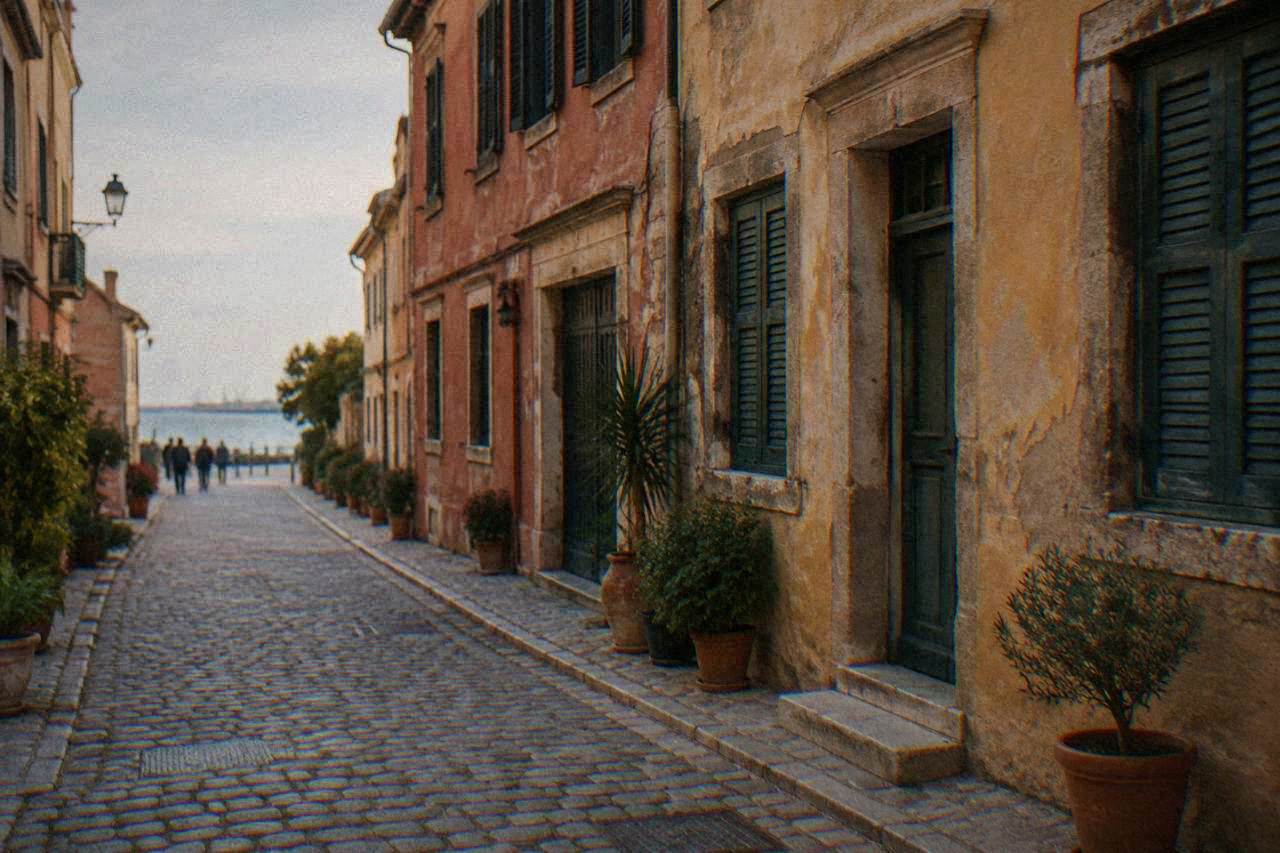
Why Did Thessaloniki Have So Many Jews?
Thessaloniki had a large Jewish population because, as municipal history pages report, Sephardic Jews expelled from Spain began arriving after 1492 into an Ottoman city conquered in 1430, and the community grew around the port on the Thermaic Gulf until Jewish merchants, dockworkers and printers became a defining part of the city's working life for more than four centuries. The city was founded in 315 BC by Cassander, but its Jewish era is an Ottoman-era story, and it is reported history rather than a matter of legend.
The outline is straightforward. The city fell to the Ottomans in 1430, a date the municipal history pages report. After the expulsion of Jews from Spain in 1492, Sephardic communities dispersed across the Mediterranean, and Thessaloniki became one of their principal destinations, a point the municipal gastronomy and history pages carry in their accounts of the city's later commercial life. The new arrivals settled around the port and the lower town, and over the following centuries the community's printing, shipping and craft trades gave the city a distinct Sephardic character, including the Ladino language spoken in its streets.
Two things kept the community anchored here. The first was the port itself: a coastal city on the Thermaic Gulf lives by its harbour, and Jewish dockworkers and merchants were tied to it by livelihood. The second was continuity. Unlike many European cities where Jewish settlement was interrupted by expulsions, the Thessaloniki community was never dispersed after the Ottoman conquest, so generations accumulated in one place. What the sources do not settle is the exact share of the population the community formed before the Second World War, and no reliable figure for that share appears in the official municipal pages, so none is given here.
It is worth being precise about what is known and how. The story of Jewish Thessaloniki therefore rests on the city's own published record, not on anecdote. Where a number cannot be tied to that record, this page leaves the number out rather than estimating it, because an invented figure would do more harm to the memory of this community than an honest gap.
| Date | Event | Source |
|---|---|---|
| 1430 | Ottoman conquest of Thessaloniki | Reported by municipal history pages |
| 1492 onward | Sephardic Jewish arrival after the expulsion from Spain | Reported by municipal history pages |
| 1943, from March | About 46,000 Jews deported | Reported by municipal Holocaust pages |
What Happened To The Jewish Community Of Thessaloniki?
The community was devastated twice within three decades: the Great Fire of 1917 destroyed the city centre and left 73,000 people homeless, hitting the historic Jewish quarters hardest, and in 1943, beginning in March, about 46,000 Jews of Thessaloniki were deported, a figure the municipal Holocaust pages report with a first train dated 15 March 1943. A centuries-old community was almost entirely removed from the city.
The fire came first. The destruction fell on the dense lower-town districts around the harbour where the Jewish population lived and worked, and the reconstruction plan that followed reshaped the whole city centre, including the area around what became Aristotelous Square. Families dispersed to the edges of the city and beyond.
The deportations came a quarter of a century later. In 1943, starting in March, about 46,000 Jews of Thessaloniki were deported, with a first train on 15 March 1943, figures the municipal Holocaust pages report. Only a small fraction of the deportees returned. The community's synagogues, cemeteries and institutions were largely destroyed or built over during the occupation years, and the Jewish city that had grown from the 1492 arrivals effectively ended in 1943.
This part of the story is best kept factual and restrained, which is how the municipal pages themselves present it. The earthquake that struck the city on 20 June 1978, reported with 49 dead, added yet another layer of physical loss to a centre already twice rebuilt, and it is one reason so little of the pre-fire fabric survives anywhere in Thessaloniki, Jewish or otherwise. There is a dedicated Jewish heritage walking tour of Thessaloniki in the city's tour roster, and a general guided walk also passes the historic centre where these events took place, a practical way to place the story on an actual map of streets.
Where Can You See Jewish Thessaloniki Today?
The main place to see Jewish Thessaloniki today is the Jewish Museum of Thessaloniki, which stands in the historic centre and tells the community's story from the Sephardic arrival after 1492 to the deportations of 1943, alongside street-level traces such as the old commercial quarter around the port and the Modiano Market, whose trading life the community shaped for centuries. Check the museum's own page for current hours and admission before you go, as those details are not fixed here.
The museum is the anchor visit. Its collection covers the centuries of Sephardic life in the city, the Ladino printing tradition, and the destruction of the occupation years, and it sits within walking distance of Aristotelous Square. Around it, the streets of the old commercial core still follow the layout rebuilt after the 1917 fire, and the harbour that gave the community its livelihood is the same waterfront a visitor walks today along the Nea Paralia promenade, which is a walking promenade and not a swimming beach. More of these guides are collected on Thessaloniki Travel Guide.
For context, the city's broader history layers are visible in the same radius. The Roman Arch of Galerius, the Rotunda and the Byzantine churches listed among the fifteen UNESCO monuments are all part of the same walkable centre, and the upper town of Ano Poli preserves the pre-fire city inside the old walls. A reader planning the practical side can pair this with what Thessaloniki is famous for and with the question of whether Thessaloniki is worth visiting.
| Place | Connection to the story | What to check before visiting |
|---|---|---|
| Jewish Museum of Thessaloniki | Core collection on Sephardic Thessaloniki and the 1943 deportations | Current hours and admission on the museum's own page |
| Historic centre around Aristotelous Square | Rebuilt after the 1917 fire that destroyed the old quarters | Open public space, no ticket |
| Modiano Market | Trading life of the city the community helped shape | Stall opening times locally |
| Port of Thessaloniki waterfront | The harbour that anchored Jewish dock and merchant work | Open public space, no ticket |
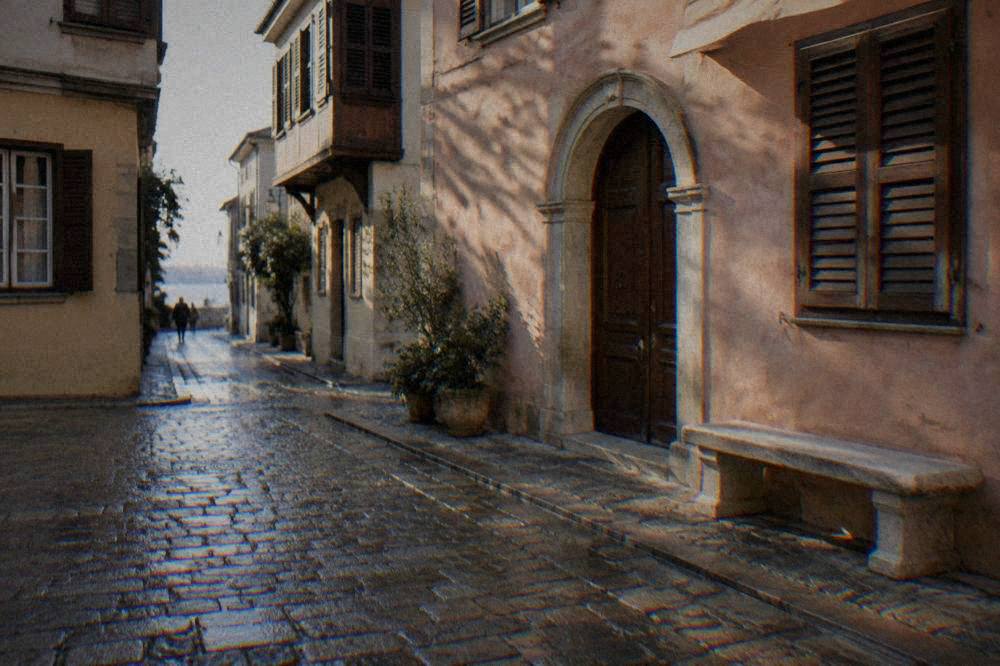
A guided walk is the easiest way to hold all of these layers together, because the distances are short but the history is dense. The Thessaloniki walking tour covers the historic centre's main sights, and Check availability if you want a guide to place the Jewish story alongside the Roman and Byzantine layers of the same streets.
How Does Jewish History Fit Into A Longer Stay In Thessaloniki?
Jewish Thessaloniki is a half-day thread inside a two or three day visit: the museum plus the old commercial quarter take a morning, the rest of the centre fills the afternoons, and the city's position in northern Greece leaves day trips to Pella, Vergina, Dion and Mount Olympus, or the beaches of Halkidiki, for the days beyond. Travellers commonly plan at least two days in the city itself, and the Jewish thread fits neatly into the first of them.
The practical shape of a stay is simple. The historic centre is compact and walkable, the metro's Line 1 has been open since November 2024 with its Kalamaria extension inaugurated on 27 August 2026, and the city's museums run on published seasonal hours: the White Tower, for example, is open daily 08:00 to 21:00 in summer and 08:30 to 15:30 in winter, with a full ticket at 8 euro and a reduced ticket at 4 euro from 1 April 2026, per the Museum of Byzantine Culture's visiting page. Older pages still quote a 4 euro full ticket, which is out of date. State museums also open free on fixed days each year, including 18 May and 28 October, which can be worth building a plan around.
A morning for the Jewish thread, an afternoon for the Roman and Byzantine monuments, and an evening in Ladadika or along the seafront is a rhythm that works across seasons. In late October the city marks Saint Demetrius day on 26 October, which is also the anniversary of the 1912 liberation, and the 67th edition of the Thessaloniki International Film Festival ran 5 to 15 November 2026, an annual event that fills the same central streets with audiences each autumn. Visitors weighing the calendar can also read whether Thessaloniki is worth visiting in October alongside the practicalities of how many days are enough for Thessaloniki.
If the history pulls you further, the wider region carries the rest of the story of ancient Macedonia, with Vergina about 62 minutes by road from Aristotelous Square and Pella about 43 minutes, both computed free-flow drive times. Whatever the length of stay, the Jewish story of Thessaloniki deserves the first morning: it explains why this port on the Thermaic Gulf looks and feels the way it does, and why so many families around the world trace a line back to its harbour.
Common Questions About Jewish Thessaloniki
Why Did Thessaloniki Have So Many Jews?
Because, as the municipal history pages report, Sephardic Jews expelled from Spain arrived after 1492 into Ottoman Thessaloniki, conquered in 1430, and built a community around the port that lasted more than four centuries.
What Language Did The Jews Of Thessaloniki Speak?
The Sephardic community spoke Ladino, the Spanish-derived language of the Jews expelled from the Iberian peninsula, and it was part of the city's street life alongside Greek and Turkish for centuries.
When Did The Jewish Community Of Thessaloniki Decline?
The Great Fire of 1917 destroyed the historic quarters, and the deportations of 1943, beginning in March with about 46,000 people deported, ended the community as a shaping force in the city.
Is There A Jewish Museum In Thessaloniki?
Yes, the Jewish Museum of Thessaloniki stands in the historic centre. Check the museum's own page for current hours and admission before you go.
Can You Visit The Sites Of Jewish Thessaloniki On Foot?
Yes. The museum, the old commercial quarter around Aristotelous Square and the port waterfront sit inside the walkable historic centre, and a guided walking tour is a practical way to cover them.