Is Thessaloniki The Same As Thessalonica?
Yes, Thessaloniki and Thessalonica are the same city in northern Greece. This guide explains the spelling question, the history behind the names, and what the city is called today.
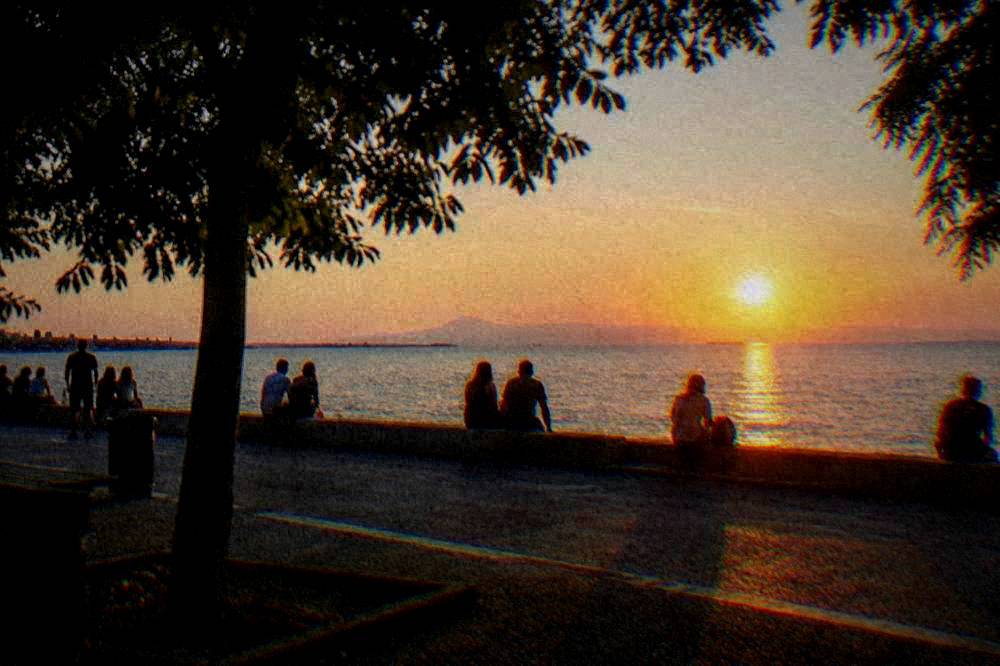
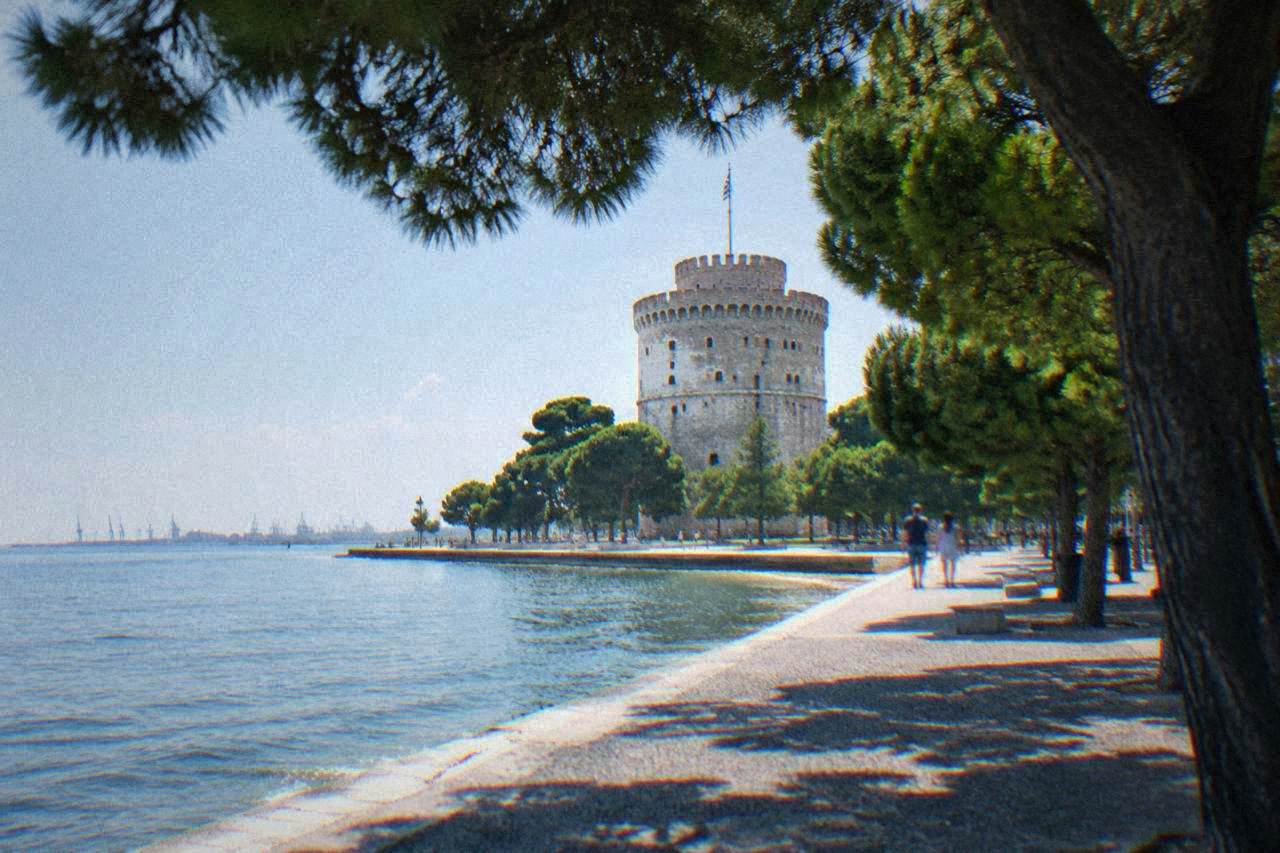
Thessaloniki and Thessalonica are the same place. The city is Thessaloniki, the second city of Greece, a coastal port on the Thermaic Gulf in Central Macedonia, northern Greece, with the White Tower on its seafront promenade, the old upper town of Ano Poli inside the Byzantine walls, and Halkidiki, Pella, Vergina and Mount Olympus within day-trip range. "Thessalonica" is not a different city, an island or a suburb: it is an older English-language rendering of the same Greek name, the kind of spelling that survives in Bible translations, old maps and formal church documents. Anyone booking a flight, a hotel or a tour should search and spell the name as Thessaloniki, because that is the spelling on the airport (Thessaloniki Airport "Makedonia", IATA SKG), on the metro and on every street sign a visitor will read.
Is Thessaloniki The Same As Thessalonica?
Yes, Thessaloniki and Thessalonica are one and the same city in northern Greece, and the difference is purely one of spelling and language. Thessaloniki is the modern Greek name and the one used on every map, airport sign and metro ticket today, while Thessalonica is a Latinized English form of the same name, common in older translations and religious texts. Neither name refers to a separate town, district or island.
The spelling question comes up again and again because the two forms live in different worlds. Thessaloniki is the spelling in everyday Greek use, in the euro-era travel industry and on this site's own pages, from the things to do in Thessaloniki overview to the metro guide. Thessalonica, meanwhile, is the form many readers first met in the letters of Paul in the New Testament, where the city appears as a destination on the apostle's journeys. That biblical association is exactly why English keeps the older Latinized spelling alive a full nineteen centuries later.
The underlying Greek name has not changed. According to the municipality's own history pages, the city was founded in 315 BC by Cassander and named after his wife Thessalonike, the sister of Alexander the Great. The name travelled into Latin, then into English church usage as Thessalonica, and back into modern standard English as Thessaloniki. Same name, different costume.
Why Do Two Spellings Exist For One Greek City?
Two spellings exist because the city's Greek name reached English through different routes: Thessalonica is the Latinized form that settled into English through the Vulgate and later Bible translations, while Thessaloniki is a closer transliteration of the modern Greek pronunciation and became the standard for travel, diplomacy and news. There is no political or geographic divide between them; both point to the same arrivals hall at SKG. The Latinized form Thessalonica settled into English through the Vulgate and later through classic Bible translations, where it names both the city and two New Testament letters. The form Thessaloniki is a closer transliteration of the modern Greek pronunciation, and it became the standard spelling for travel, diplomacy and news as Greece itself became the reference point rather than Latin texts. There is no political or geographic divide between the spellings. A document that says Thessalonica and a boarding pass that says Thessaloniki point to the same arrivals hall at SKG.
Where Each Spelling Tends To Appear
The pattern is fairly predictable once you know to look for it. The table below shows where each form typically shows up.
| Spelling | Typical context | Example |
|---|---|---|
| Thessaloniki | Modern travel, maps, news, transport | Thessaloniki Airport "Makedonia" (SKG) |
| Thessalonica | Bible translations, church documents, classical scholarship | The Pauline letters to the city's early Christian community |
| Thessaloniki | UNESCO's own listing title | The World Heritage entry for the fifteen monuments, inscribed 1988 |
The practical takeaway is simple: spell it Thessaloniki when you search, book or ask a local, and recognise Thessalonica when you meet it in an older book. Travelers who want to dig into the biblical side of the city can read the dedicated guide to Thessaloniki in the Bible, which covers the sites associated with Paul's time in the city using the modern spelling throughout.
Does Thessalonica In The Bible Mean Today's Thessaloniki?
Yes, the Thessalonica of the New Testament is today's Thessaloniki, a continuous settlement founded 315 BC by Cassander, who named it for his wife Thessalonike. Paul reached the city under the Roman Empire, and fifteen of its Paleochristian and Byzantine monuments, UNESCO-listed since 1988, still stand, including the Church of Saint Demetrius and Hagia Sophia. The city's Paleochristian and Byzantine monuments were inscribed on the UNESCO World Heritage List in 1988, fifteen of them, including the Church of Saint Demetrius, Hagia Sophia, Panagia Acheiropoietos and Hosios David. These are working churches, free to enter and open outside services. The city Paul reached under the Roman Empire and the city on today's cruise itineraries are the same continuous settlement, founded 315 BC by Cassander and named for his wife Thessalonike.
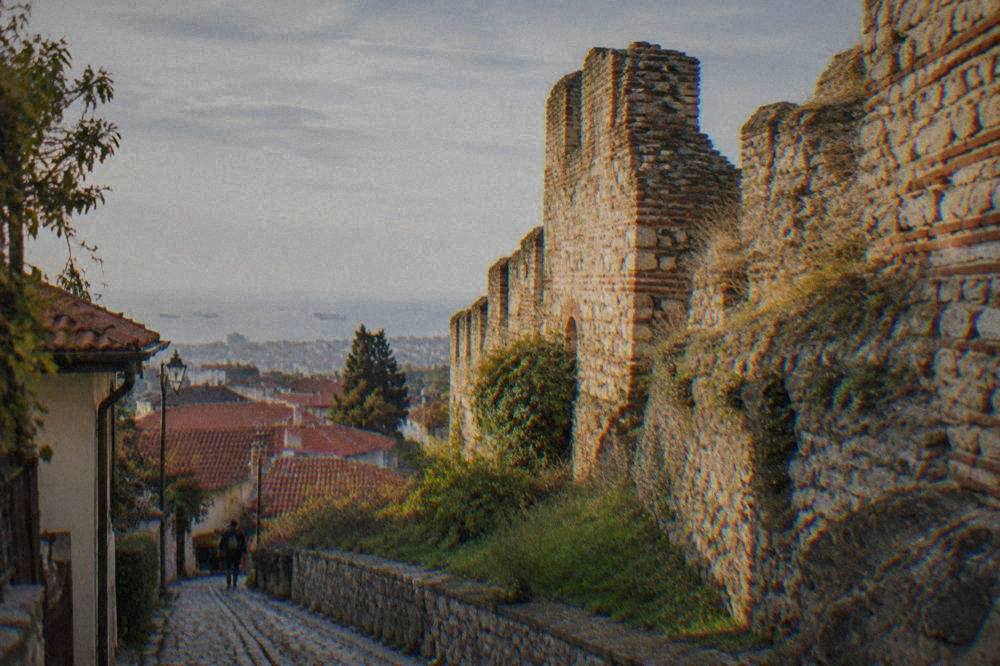
That continuity is the reason the spelling question matters to so many readers. People arrive with a mental image from Sunday school and wonder whether anything of that city survives. The answer is a great deal. The Rotunda and the Arch of Galerius belong to the Roman Galerian complex; the Byzantine walls still climb to the Heptapyrgion above Ano Poli; the Church of Saint Demetrius honours the city's patron saint, whose name day on 26 October doubles as the anniversary of the city's liberation, which fell on 26 October 1912 according to the municipality's own history pages. The wider set of guides lives on Thessaloniki Travel Guide.
For visitors who want the layers explained on the ground, a guided walk is the efficient route. The Best of Thessaloniki: Tour by Local covers the headline sights and the hidden corners with a local guide, and it can be checked via the operator's live listing: Check availability.
What Other Names Has The City Been Called?
Beyond Thessaloniki and Thessalonica, the same city has carried other names during its long history, including Ottoman-era forms and colloquial variants, but none of them refers to a different place. Founded as Thessalonike in 315 BC and under Ottoman rule from 1430 until its liberation on 26 October 1912, it has remained one city, with one gulf and one White Tower. The municipality's history pages record the Ottoman conquest in 1430, and the Heptapyrgion fortress above Ano Poli was used as a prison until 1989, according to the culture ministry's own site. The White Tower itself, the city's landmark on the Nea Paralia promenade, took its current whitewashed form in 1890 under its earlier Ottoman name, per the municipality's published walk guides. What this history does not change is geography: one city, one gulf, one White Tower.
A quick timeline of the city's documented milestones helps place the names in context. Every date below comes from the municipality's or the ministry's own pages.
| Year | Event |
|---|---|
| 315 BC | Cassander founds the city and names it for his wife Thessalonike |
| 1430 | Ottoman conquest of the city, per the municipality's history pages |
| 26 October 1912 | Liberation, the protocol of surrender signed, per thessaloniki.gr |
| 1917 | The Great Fire leaves 73,000 people homeless |
| 1988 | UNESCO inscribes fifteen Paleochristian and Byzantine monuments |
| 1997 | European Capital of Culture |
The question of what the city should be called has practical edges too. Readers planning a trip often land here after a search that mixes the two spellings, and the answers that matter are on the planning pages: whether the city justifies the flight at all, covered in is Thessaloniki worth visiting, and how long to give it, covered in how many days is enough for Thessaloniki. Both use the modern spelling because that is how the city is booked.
Is Salonika Or Salonica Another Name For Thessaloniki Too?
Yes, Salonika and Salonica are further shortenings of the same city's name, used historically in English, French and Ladino sources, especially in the late Ottoman period and in the city's Jewish communities. They refer to the same place on the Thermaic Gulf, but none of these short forms appears today on official signage, timetables or tickets, where the name is Thessaloniki. These abbreviated forms were especially current in the late Ottoman period and in the Jewish communities of the city, whose history is documented on the municipality's own pages, including the arrival of Sephardic Jews after 1492 and the deportations of about 46,000 people in 1943 starting in March 1943. Today none of these short forms appears on official signage, timetables or tickets. The name that gets a traveller from the airport to Aristotelous Square is Thessaloniki.
The old short forms survive mostly in literature and family memory. A reader whose grandparents wrote letters from "Salonika" is reading about the same streets that today host the Modiano Market and the Kapani Market. The city's Jewish history, one of the defining chapters of that era, has its own dedicated page on this site, Jewish Thessaloniki, which keeps the modern spelling throughout while telling the older story.
Names multiply; the city does not. Whether a source says Thessalonica, Thessaloniki, Salonika or Salonica, the referent is the second city of Greece, population figure aside, more than a million people in the wider urban area according to the city itself, on the same gulf, with the same fifteen UNESCO monuments and the same seafront promenade that is built for walking, not swimming. Swimming happens at Perea, about 28 minutes by road.
What Should You Type When You Book?
Type Thessaloniki. Every booking system, airline drop-down and mapping app in standard English use recognises the modern spelling, and the city's own airport, metro and museum pages all carry it. The airport's own information page gives the name as Thessaloniki Airport "Makedonia"; the Thessaloniki Metro's ticket page states its fares in euros under the same name, with a basic ticket at 0.60 euro and a daily ticket at 2.50 euro; the Museum of Byzantine Culture's visiting page lists its hours and its 10 euro full ticket under Thessaloniki. The older spellings are for reading, not for booking.
A few final clarifications round out the question, because the spelling confusion tends to drag neighbouring confusions along with it. Thessaloniki is not an island and not a peninsula: Halkidiki, with its Kassandra and Sithonia arms, is the peninsula region to the southeast. Thessaloniki is not Athens; the two are compared honestly on the page which is nicer, Athens or Thessaloniki. And Thessaloniki is not a Roman ruin with a Greek name bolted on: it is a living city of about 319,045 people in the municipality per the 2021 census, as reported, with a metro that opened in November 2024 and a university, a film festival every November and a food scene that carries a municipal UNESCO gastronomy designation, the subject of the city's own gastronomy site.
Common Questions About Thessaloniki And Thessalonica
Is Thessaloniki The Same As Thessalonica?
Yes. Both names refer to the same city in Central Macedonia, northern Greece. Thessaloniki is the modern spelling used on maps, tickets and signage; Thessalonica is an older Latinized English rendering of the same name.
Which spelling should I use when booking travel?
Use Thessaloniki. The airport, the metro, the museums and every booking platform in standard English use the modern spelling.
Is the Thessalonica of the Bible today's Thessaloniki?
Yes. The city Paul visited is the same continuous settlement on the Thermaic Gulf, and several of its early Christian monuments, including the Church of Saint Demetrius and Hagia Sophia, are among the fifteen UNESCO-listed monuments inscribed in 1988.
Are Salonika and Salonica also names for Thessaloniki?
Yes, they are historical short forms of the same name, common in late Ottoman-era and Ladino sources. They do not appear on modern official signage.
Is Thessaloniki an island or part of Athens?
Neither. Thessaloniki is a coastal city on the Thermaic Gulf in northern Greece. Halkidiki is the peninsula region nearby, and Athens is a separate city several hours away.
The spelling a reader arrives with matters less than the city they land in, and the city is one: Thessaloniki, on its gulf, under its walls, with its White Tower, whatever name the page in front of you happens to use.