What Areas Should I Avoid In Thessaloniki?
Official facts support practical precautions, safe-use transport detail and how to read your own government's travel advice.
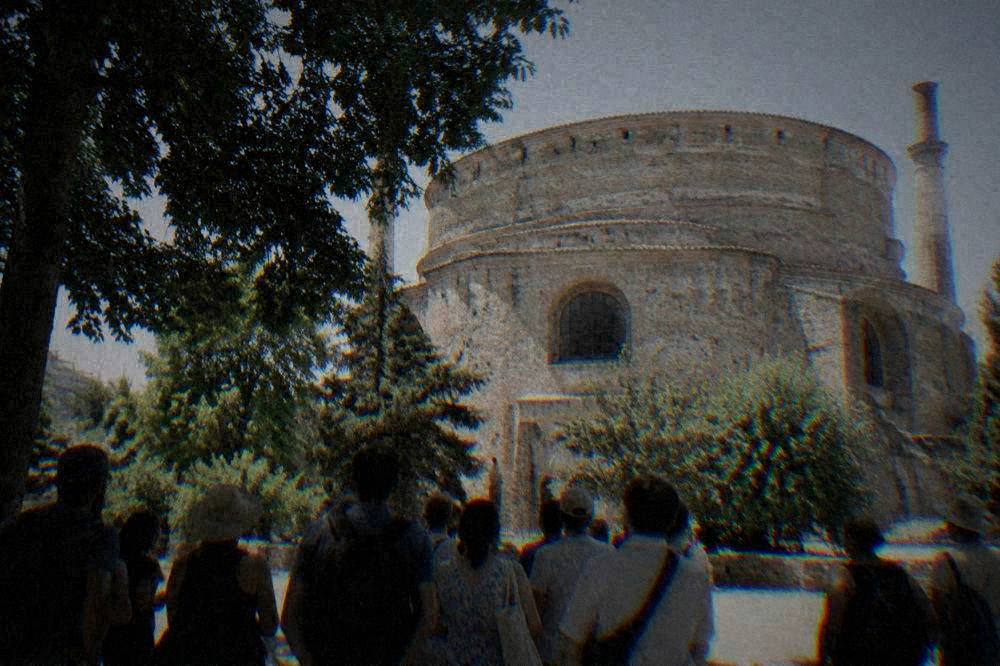
Thessaloniki, the second city of Greece, sits on the Thermaic Gulf in Central Macedonia, a coastal city of fifteen UNESCO-listed Paleochristian and Byzantine monuments, a seafront promenade called the Nea Paralia, and an upper old town, Ano Poli, inside the Byzantine walls. Visitors asking which areas to avoid are usually looking for the kind of district-by-district verdict that guidebooks hand out freely. No such verdict exists in any official source this site reports from. What the facts do support is a process answer, and that is what this page gives.
The honest position is stated plainly in the safety overview on this site: Greece is an ordinary European destination and Thessaloniki is an ordinary European city of more than a million people in its wider urban area, according to the city's own figures. The precautions that matter here are the same ones that matter in any city of that size, and they cost nothing to follow. The emergency number is 112, EU-wide and free from any phone.
What Areas Should I Avoid In Thessaloniki?
There is no list of areas to avoid in Thessaloniki, and this site will not invent one. No official Greek source, no police publication and no statistic names a district of the city as unsafe, and the neighbourhoods on this site's own maps, from Ano Poli to Ladadika to Kalamaria, appear as ordinary residential and visitor quarters. The right question is not which area to skip but which ordinary precautions to take in any big city.
That answer frustrates people who want a rule, so it helps to explain why the rule does not exist. A claim like "avoid the area around the railway station after dark" or "Kapani Market is a pickpocket zone" would be a safety verdict about a named district.
What can be said with confidence is structural. The city centre around Aristotelous Square, the Ladadika quarter, the Ano Poli upper town and the Kalamaria waterfront district are all regular parts of the city that appear on the municipality's own visitor materials as places to see, not places to dodge. Deciding where to sleep is a different question from where to avoid, and the where to stay in Thessaloniki guide handles it area by area.
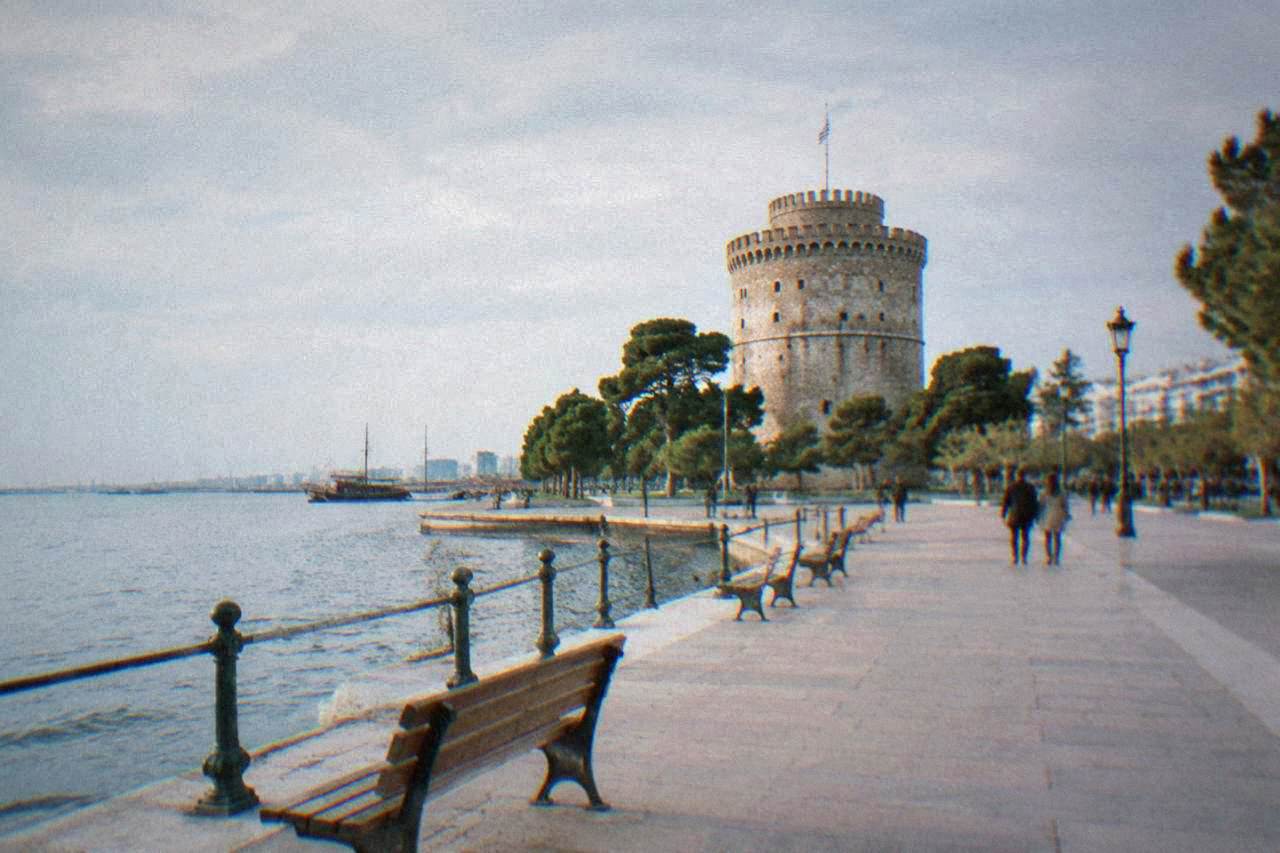
A useful distinction: the Nea Paralia, the seafront promenade, is a place for walking and views, not for swimming. Swimming happens at Perea, about 28 minutes away by road, or at Agia Triada and Epanomi. That is a planning fact, not a safety one, but it is the single most common way visitors misread a Thessaloniki area, and correcting it does more good than a fictional crime map.
Is Central Thessaloniki Safe To Walk Around At Night?
What the facts do support: the metro runs until 00:30 Sunday to Thursday and 02:00 on Friday and Saturday nights, the tourist information centre is reported at Aristotelous Square, and the emergency number 112 works EU-wide. Ordinary city judgment, the kind used in any European city after dark, is the whole of the advice.
Thessaloniki runs late by northern European habit. Dinner crowds fill Ladadika and the streets off Aristotelous Square well into the evening, and the waterfront promenade stays busy with walkers. The metro's late Friday and Saturday hours exist precisely because the city does not shut down at nine. A visitor using the same judgment as in Lisbon, Lyon or Ljubljana, main streets over empty shortcuts, phone in a front pocket rather than a back one, is following every precaution the sources support.
Two practical anchors help at night. The metro's basic ticket is 0.60 euro and the daily ticket 2.50 euro, per the Thessaloniki Metro's ticket page, so a late ride back is cheap and requires no cash negotiation. And the reported tourist information line at Aristotelous Square, +30 2310 229070, is worth saving before the first evening out; it is a reported figure, so confirm it on arrival.
| Evening practical | What the facts say |
|---|---|
| Metro last departures | 00:30 Sunday to Thursday, 02:00 Friday and Saturday |
| Metro basic ticket | 0.60 euro full, 0.30 euro reduced |
| Metro daily ticket | 2.50 euro, 24 hours |
| Emergency number | 112, EU-wide |
| Tourist information | Reported at Aristotelous Square, +30 2310 229070, confirm on arrival |
How Do You Keep Belongings Safe On Buses And The Metro In Thessaloniki?
Keep valuables in front pockets or a closed bag, hold the bag in front of you on crowded buses and metro cars, and treat the busiest transfer points the way you would in any large city, because that is the standard precaution the sources support rather than a warning about any named place. The metro's basic ticket costs 0.60 euro and the airport bus fare is reported at about 2 euro, so there is rarely a reason to carry large amounts of cash on transit at all.
The transport facts make this easy. Line 1 of the metro opened in November 2024 and the Kalamaria extension, five more stations out to Mikra, was inaugurated on 27 August 2026, per the operator's own press release. Older guides that still describe the metro as under construction are simply out of date. The airport bus lines X1, X2 and X3, plus the night N1, are listed on the OASTH site, and the reported airport taxi rate is about 25 euro by day, a figure to confirm with the driver before setting off.
A contactless card covers metro tickets, and the daily ticket at 2.50 euro caps a day of hopping between the centre, Kalamaria and the railway station. The less cash and the fewer open pockets involved, the smaller the surface for ordinary opportunistic theft, which is the only theft category any big-city visitor needs to plan around here. The question of how to pay for the bus in Thessaloniki has its own full answer on this site.
The same logic applies at street level. Crowds at Modiano Market and Kapani Market are dense and fast-moving, which is a reason to wear a bag across the body rather than a verdict on the market. Dense crowds are where lost and stolen items concentrate in every city on earth, and that is a fact about crowds, not about Thessaloniki.
Which Thessaloniki Neighbourhoods Suit Which Kind Of Visit?
The map of Thessaloniki is a map of character, not risk: Ano Poli is the old upper town inside the Byzantine walls, Ladadika is the restaurant quarter near the port, Kalamaria is the seaside district reached by the new metro extension, and the City Centre wraps around Aristotelous Square, and none of them calls for caution. Choosing between them is a matter of what a trip wants, not what it should dodge.
A visitor who wants to walk everywhere sleeps near the centre; the question is Thessaloniki a walkable city gets a full answer elsewhere on this site. A visitor who wants quiet streets and sea views looks toward Kalamaria, now on the metro since 27 August 2026. A visitor interested in the Byzantine layer of the city stays uphill in Ano Poli, inside the walls whose visible stretches run about 4 km, per the UNESCO listing's own description.
| Neighbourhood | Character, per the destination facts |
|---|---|
| City Centre | Aristotelous Square, hotels, the White Tower and the museum cluster on the waterfront |
| Ano Poli | Old upper town within the Byzantine walls, the Heptapyrgion fortress, traditional houses |
| Ladadika | Historic quarter by the port, evening restaurants and bars |
| Kalamaria | Seaside district on the Thermaic Gulf, joined to the metro by the extension inaugurated 27 August 2026 |
| Perea | Beach town about 23 km and 28 minutes by road, for actual swimming rather than the promenade |
None of these rows is a warning. They are the districts a hotel search will return anyway, and reading them as character descriptions lets a visitor decide on preference instead of fear. Walking the Ano Poli layer with a guide is one way to learn the geography quickly, and the Apostle Paul's story walking tour traces the city's early Christian sites through the centre and the walls; Check availability if that angle appeals.
What Should You Do If Something Goes Wrong In Thessaloniki?
Call 112 for any emergency, police, fire or ambulance, the number is EU-wide, free and answered in multiple languages, and for non-emergencies go to the tourist information centre at Aristotelous Square, reported at +30 2310 229070, a number worth confirming on arrival. Report lost or stolen cards to the card issuer immediately, and lost passports to your own consulate or embassy in Greece.
Before travel, the single most valuable step is reading your own government's current travel advice for Greece. Every foreign ministry publishes this, updates it regularly, and it is the only safety document with standing to issue or lift warnings. If your government's advice names a specific Greek area of concern, that advice outranks anything on this page, and it is the document an insurer will point to as well.
For ordinary mishaps, Thessaloniki has the infrastructure of a city of its size. Pharmacies, clinics and hospitals function as they do across Greece, a euro-zone and Schengen country, so a European Health Insurance Card where applicable plus ordinary travel insurance covers the medical side. Keep photographs of your passport and cards somewhere retrievable, which is the cheapest precaution on this entire page.
What Ordinary Precautions Make A Thessaloniki Trip Straightforward?
The precautions that matter are unglamorous: front pockets over back pockets, a closed bag worn in front on crowded transport, no large amounts of cash since the metro takes a 0.60 euro ticket and cards work widely, your government's travel advice read before departure, and 112 saved in your phone before the first evening. None of them names a district, because none needs to.
Layer the practical facts under those habits. The metro runs 05:15 to 00:30 Sunday to Thursday and to 02:00 on Friday and Saturday, so late returns have a cheap, fixed-price option. The airport is about 16 km and 20 minutes by road from Aristotelous Square, served by listed OASTH bus lines. The climate is Mediterranean with continental edges, per the HNMS Thessaloniki Mikra station record, 1959 to 2010, with a January mean low of 1.5 C and a July mean high of 31.7 C, so the clothing and the shoe choices that suit a walking-heavy city are seasonal ones. December averages 55.1 mm of rain against August's 19.3 mm, figures from the same station record.
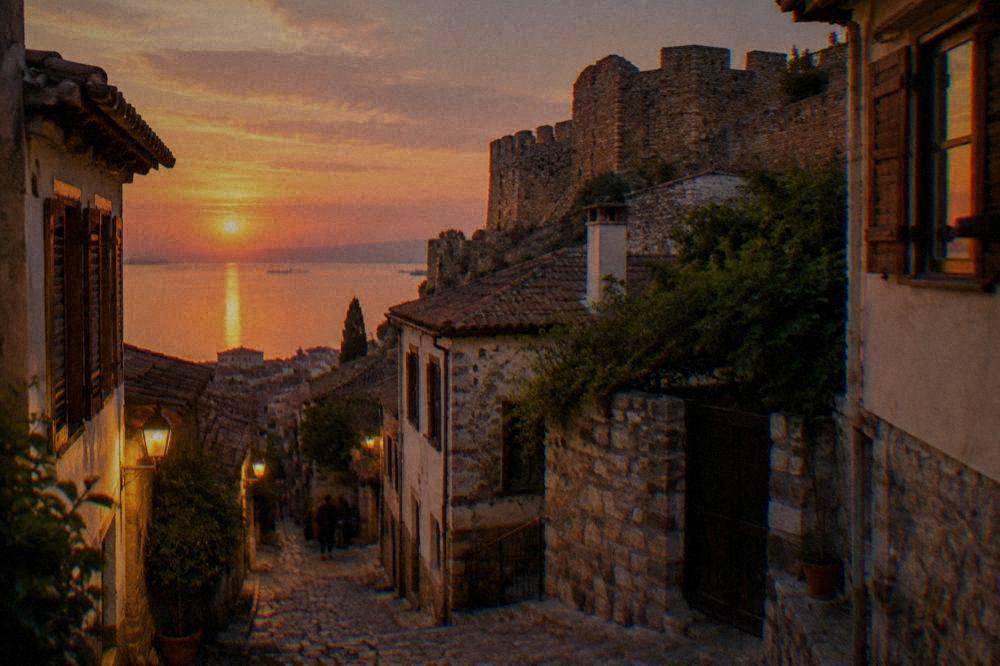
Getting oriented early also does quiet safety work, because a visitor who knows which way the sea is, where the metro stations sit and how the centre links to Ano Poli makes fewer confused decisions at midnight. A first-day walk with a local guide is the fastest orientation there is, and this site's Thessaloniki Travel Guide homepage lays out the full sight map. The trio below covers the angles this page has touched: a guided walk of the city's early Christian story, a food-and-drinks walk through the markets and the Ladadika side streets, and a mythology-and-botany walk through the old upper town.
Common Questions About Staying Safe In Thessaloniki
What Areas Should I Avoid In Thessaloniki?
Use ordinary big-city precautions, front pockets, a closed bag on crowded transport, and read your own government's travel advice for Greece before departure.
Is Thessaloniki safe at night?
The centre stays active late, and the metro runs until 00:30 Sunday to Thursday and 02:00 Friday and Saturday, with a basic ticket of 0.60 euro for the ride home.
What is the emergency number in Thessaloniki?
112, the EU-wide emergency number, free to call from any phone for police, fire or ambulance. A reported tourist information line at Aristotelous Square is +30 2310 229070, worth confirming on arrival.
Are there pickpockets in Thessaloniki?
Crowded spots such as Modiano Market and Kapani Market deserve the usual crowded-place care, a bag worn in front and valuables out of back pockets, as in any large city.
Is the waterfront safe to walk?
The Nea Paralia is a promenade for walking and views, and swimming there is not what it is for, the swimming beaches are at Perea, about 28 minutes by road, Agia Triada and Epanomi. No source attaches a safety warning to the promenade itself.
Where should first-time visitors stay in Thessaloniki?
Choose by character, not by risk: the City Centre around Aristotelous Square for walkability, Ano Poli for the old upper town, Ladadika for evening dining, and Kalamaria for the seaside, now on the metro. The where to stay guide covers each in detail.