What Is The Nicest Neighborhood In Thessaloniki?
An honest, sourced answer to which Thessaloniki neighborhood deserves your time: Ano Poli, Ladadika, Kalamaria, the City Centre and Panorama compared on what the record actually shows.
Thessaloniki, the second city of Greece, sits on the Thermaic Gulf in Central Macedonia, and its character changes street by street: the walled upper town of Ano Poli, the restored warehouses of Ladadika, the apartment blocks of Kalamaria along the sea, and the City Centre wrapped around Aristotelous Square. Ask which neighborhood is the nicest and you are really asking what kind of city you want to wake up in, because Thessaloniki packs a Roman forum, fifteen UNESCO-listed Paleochristian and Byzantine monuments (inscribed 1988) and a working seafront promenade, the Nea Paralia, into a compact stretch of coastline.
What Is The Nicest Neighborhood In Thessaloniki?
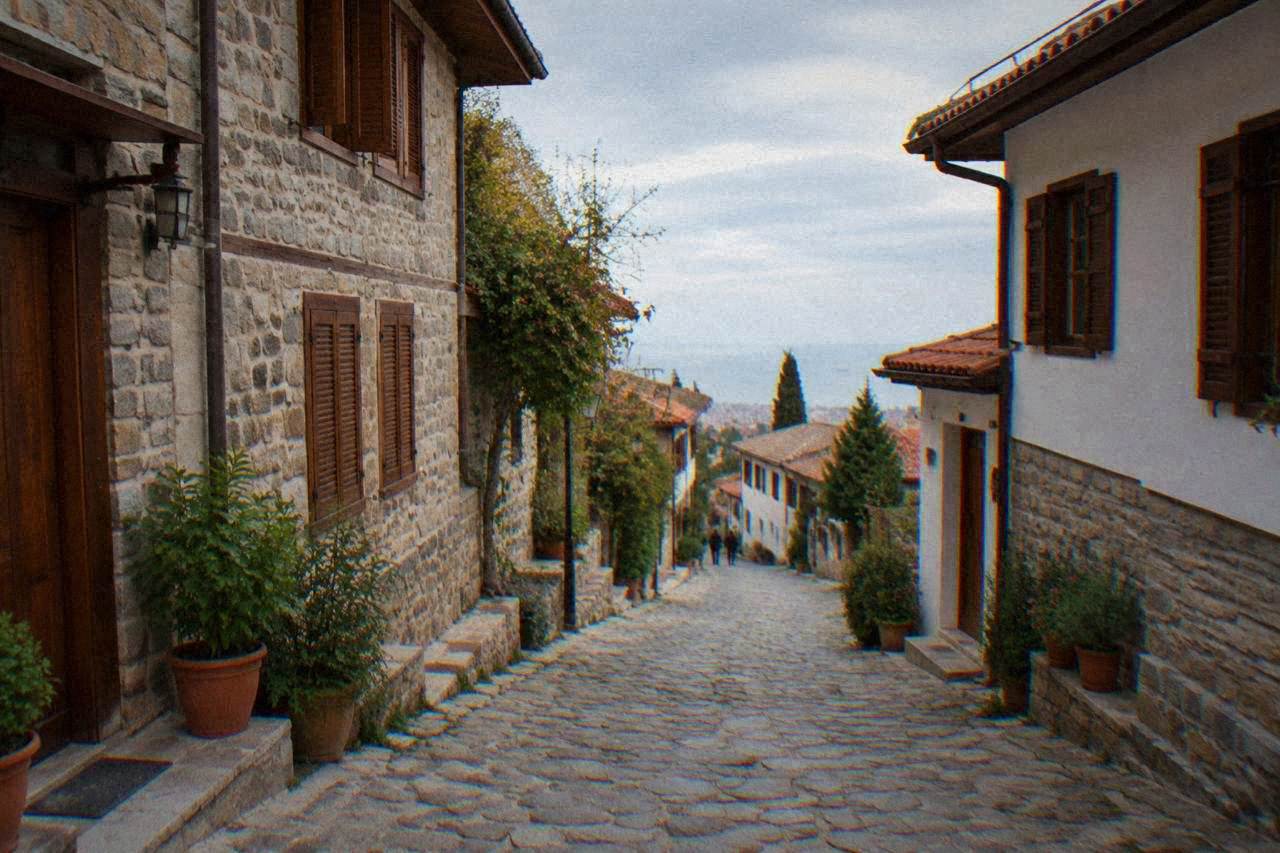
What the record does show is that Ano Poli, the old upper town inside the Byzantine walls, is the area whose character is documented in the most specific terms: the Heptapyrgion fortress, a prison until 1989, the Trigoniou Tower and a streetscape of stone houses that survives the 1917 fire because the fire burned the lower city.
If "nicest" means historic atmosphere, Ano Poli is the documented answer; if it means convenience, the City Centre around Aristotelous Square wins on facts alone.
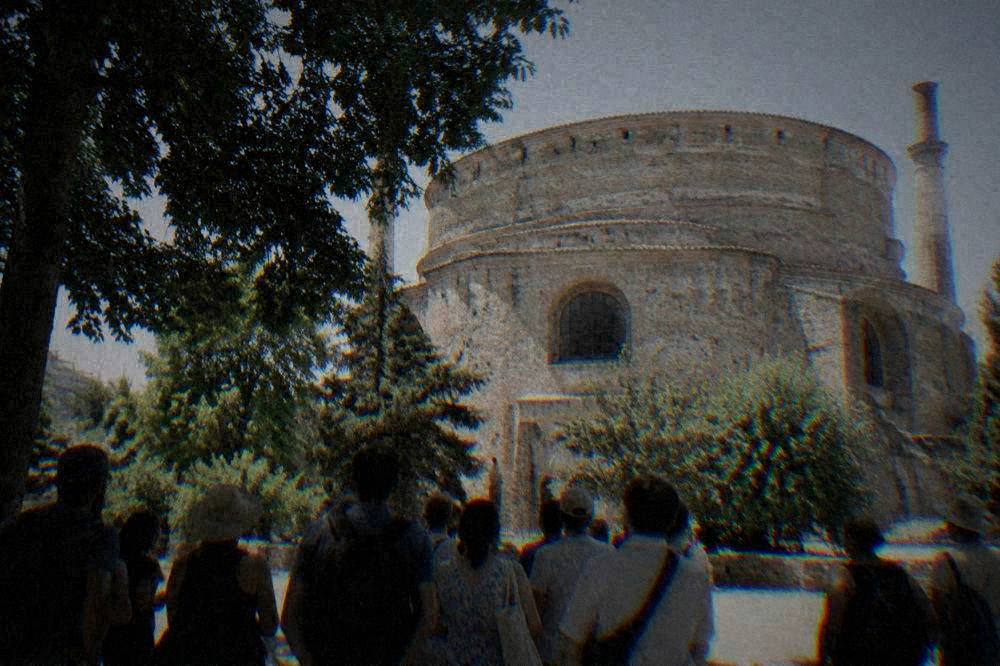
Both answers hold at once, and the honest way to choose is to look at what each area physically contains. The City Centre holds the White Tower, the Roman Agora, the Arch of Galerius, the Rotunda and the museums, all within walking distance of one another; Ano Poli holds the walls, the fortress and the views down over the gulf. A deeper comparison of the whole city against its Aegean rival is in Athens or Thessaloniki compared, and the question of how long to give the city is covered in how many days are enough for Thessaloniki.
| Area | What the record shows | Documented anchor |
|---|---|---|
| Ano Poli | Old upper town inside the Byzantine walls; largely spared by the 1917 Great Fire | Heptapyrgion, Trigoniou Tower |
| City Centre | Grid of streets rebuilt after 1917 under the Hebrard plan | Aristotelous Square, Roman Agora |
| Ladadika | Restored historic district near the port | Port of Thessaloniki |
| Kalamaria | Southeastern district on the Thermaic Gulf; metro extension reached it on 27 August 2026 | Mikra station, coastline |
| Panorama | Hillside district above the gulf, southeast of the centre | Upper reaches of Kalamaria's edge |
The city's walkability is the quiet advantage behind all five areas: the centre, the waterfront and Ano Poli connect on foot, a point examined in detail in is Thessaloniki a walkable city.
What Makes Ano Poli Worth The Climb In Thessaloniki?
Ano Poli is the only part of central Thessaloniki that still shows the city before the Great Fire, because the Great Fire of 1917 burned the lower city and left the upper town inside the walls standing. Its documented contents include the Heptapyrgion fortress, used as a prison until 1989, the Trigoniou Tower on the wall, the Vlatadon Monastery and the small Church of Saint Nicholas Orfanos, one of the fifteen UNESCO monuments. The streets are stone, narrow and steep, and the walls give views over the whole Thermaic Gulf.
The Heptapyrgion's story is the sharpest fact in the neighborhood: the same fortress that crowns the wall held prisoners until 1989, and its release into the city's public life is recent enough that older residents remember it otherwise. The original Byzantine wall circuit ran about 8 km, and about 4 km remains visible today, much of it along the upper town's ridge. That figure comes from the culture ministry's own monument page, and it is the reason a walk up from the centre feels like crossing into a different settlement: you literally are, the upper town having been the core of Byzantine and Ottoman Thessaloniki while the lower city filled in later.
For visitors who want the area explained rather than decoded alone, the related tour on this page, the Thessaloniki walking tour of top sights and hidden gems, routes through the historic centre and the upper town, and you can Check availability before you commit.
Where Should First-Time Visitors Stay In Thessaloniki?
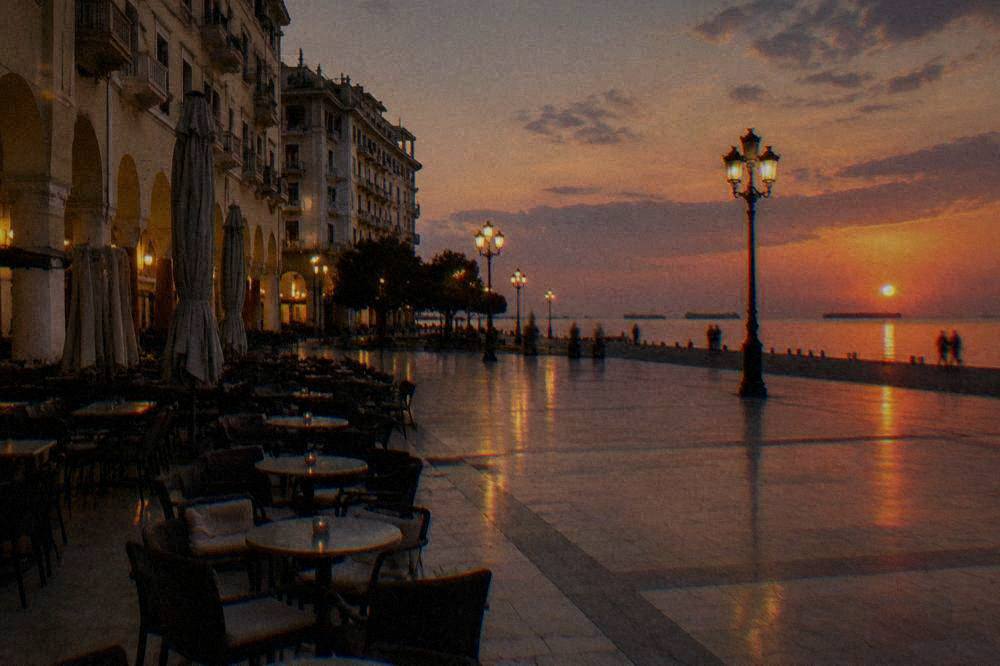
First-time visitors are best based in the City Centre around Aristotelous Square, because that is where the documented sight-lines converge: the White Tower (8 euro full, 4 euro reduced, since 1 April 2026, per the Museum of Byzantine Culture's visiting page), the Archaeological Museum (10 euro), the Museum of Byzantine Culture (10 euro), the Roman Agora and the Arch of Galerius all sit within a compact radius, and the Nea Paralia promenade begins at the square's seaward end.
The practical case for the centre is transport. Thessaloniki's metro opened in November 2024, and its Kalamaria extension was inaugurated on 27 August 2026, so the centre now connects to the southeastern districts by rail; a basic ticket is 0.60 euro and a 24-hour ticket 2.50 euro, per the metro's own ticket page. The airport, SKG, is about 20 minutes by road from Aristotelous Square, with OASTH airport buses X1, X2 and X3 linking the terminals to the KTEL station and two metro stations. Staying central means every day trip, whether to Pella (about 43 minutes by road) or Vergina (about 62 minutes), starts from the same hub.
One cost to plan for: Greek accommodation collects a climate resilience fee per room per night, higher from April to October, and it is paid at the property, not in the booking price. The fee exists everywhere in Greece, so it does not differentiate one neighborhood from another, but it belongs in a first-visit budget, alongside the museum tickets listed above.
Is Ladadika The Best Evening District Of Thessaloniki?
What is documented is physical: Ladadika is the restored district of historic low buildings by the port, west of Aristotelous Square, and its position between the harbour and the centre is what made it the classic after-dark address in the first place. The district's fabric survived into the era of restoration, and its low-rise streetscape stands out against the rebuilt centre.
The port context matters. Thessaloniki has been a harbour city since its founding in 315 BC by Cassander, and the warehouse district beside that harbour was always where goods and people mixed. Restoration turned the surviving blocks into the restaurant and bar quarter the district is known as today.
What Is Kalamaria Known For In Thessaloniki?
Kalamaria is the southeastern district on the Thermaic Gulf, and its documented claim to a visitor's attention is the coast: a waterfront of its own facing the city across the bay. Since 27 August 2026 it has its own metro spine, the five-station extension ending at Mikra, which the transport ministry's press release says carries about 63,000 passengers a day. It reads as a local, residential base rather than a sight district.
The metro fact is the one worth underlining, because older guides still describe Thessaloniki as a city without one, which is out of date: Line 1 opened in November 2024 and the Kalamaria extension followed in August 2026. Hours are 05:15 to 00:30 Sunday to Thursday and 05:15 to 02:00 Friday and Saturday, per the operator's page. For swimmers, the city waterfront itself, the Nea Paralia, is a promenade and not a beach; the water sits at Perea, Agia Triada and Epanomi, and the question of whether Thessaloniki has nice beaches handles it in full.
Panorama, uphill and further southeast, belongs in the same conversation: a hillside district whose name describes exactly what it offers, and nothing in the file prices, ranks or names a single address in it, so it stays a viewpoint and a residential quarter on this page.
Which Thessaloniki Neighborhood Fits Your Trip?
Match the neighborhood to the trip, not to a title. A first visit with two or three days belongs in the City Centre, per the sight density above. A history-focused stay points to Ano Poli, inside the walls and beside the UNESCO monuments. A seaside, lower-key base points to Kalamaria near a metro station. An evening-first trip points to Ladadika by the port.
Season is the last filter. The HNMS Thessaloniki Mikra station record, 1959 to 2010, puts the July mean high at 31.7 C and the January mean low at 1.5 C, with December's 55.1 mm of rain the higher figure against August's 19.3 mm: Ano Poli's climbs suit spring and autumn, the centre works year-round, and the Kalamaria coast earns its keep from late spring. Whatever the month, the neighborhood question is best settled on the ground, and the city rewards the walk: as what Thessaloniki is famous for sets out, the whole story, Hellenistic to Byzantine to Ottoman to modern, sits within a few streets of one another. This Thessaloniki Travel Guide page keeps each area's facts in one place.
Common Questions About Thessaloniki Neighborhoods
What Is The Nicest Neighborhood In Thessaloniki?
No official ranking exists. The documented answer: Ano Poli for history and views inside the Byzantine walls, the City Centre around Aristotelous Square for sight density, Ladadika for evenings by the port, and Kalamaria for a seaside base on the metro.
Is Ano Poli worth visiting?
Yes, on the record: it is the old upper town inside the walls, holds the Heptapyrgion (a prison until 1989), the Trigoniou Tower and UNESCO-listed churches, and survived the 1917 Great Fire that rebuilt the lower city.
Can you reach Kalamaria by metro?
Yes. The Kalamaria extension was inaugurated on 27 August 2026, adding five stations ending at Mikra. A basic ticket is 0.60 euro and a 24-hour ticket 2.50 euro, per the metro's ticket page.
Is the Nea Paralia a beach neighborhood?
No. The Nea Paralia is a seafront promenade, not a swimming beach. Swimming is at Perea (about 28 minutes by road from Aristotelous Square), Agia Triada or Epanomi.
Which area is closest to the sights?
The City Centre around Aristotelous Square: the White Tower, the Roman Agora, the Arch of Galerius, the Rotunda and the main museums all sit within its walking radius, and the promenade starts at its seaward end.