What Do Turks Call Thessaloniki?
The Turkish name for Thessaloniki, the second city of Greece, explained through its Ottoman centuries, from the conquest of 1430 to liberation on 26 October 1912.
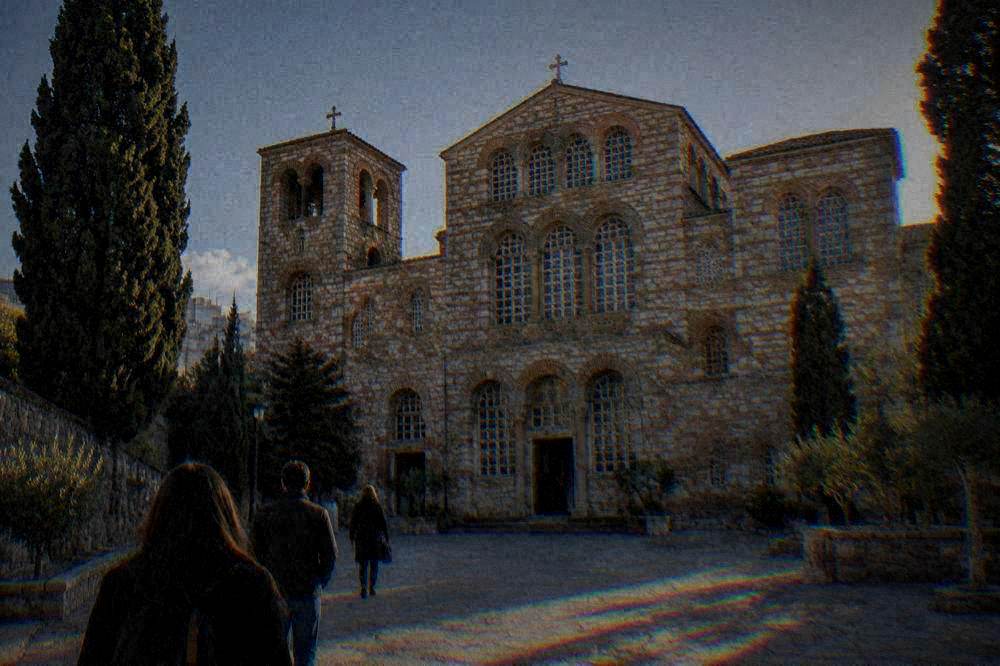
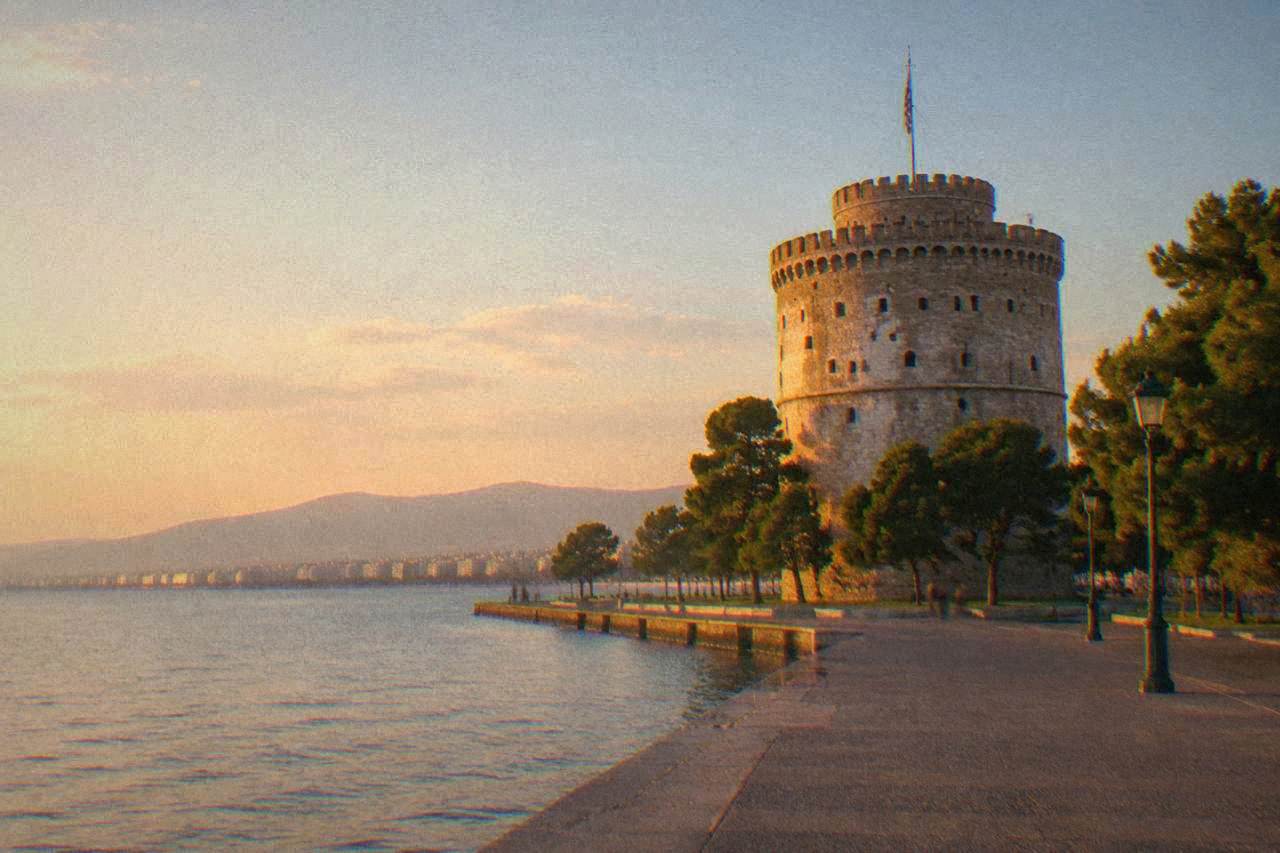
Thessaloniki, the second city of Greece, lies on the Thermaic Gulf in Central Macedonia, and few European cities have carried as many masters as this one. Founded in 315 BC by Cassander and named for his wife Thessalonike, it passed through Roman, Byzantine and Ottoman hands before liberation on 26 October 1912. The Ottoman centuries are the reason the city also lives in Turkish memory under a name of its own, and that layered past is still visible on the ground, from the White Tower on the seafront to the walls of Ano Poli.
For the wider picture of the city, the things to see across Thessaloniki page gathers the full sight list, and what Thessaloniki is famous for covers the landmarks in more depth. The naming question also has practical sides, because search results, old maps and guidebooks in several languages still circulate alternative forms of the city's name, and knowing which era each form belongs to makes them easier to read.
What Do Turks Call Thessaloniki?
Turkish speakers use one inherited name for Thessaloniki, the coastal city on the Thermaic Gulf, and it points to the same place the Greek name does. The bond runs through the Ottoman era, which began with the conquest of the city in 1430, reported on the municipality's own history pages, and ended with liberation on 26 October 1912. For the exact current Turkish spelling, a Turkish-language reference is the place to confirm it before quoting it.
The reason a Turkish name exists at all is straightforward: this was an Ottoman city for just under five hundred years, and the administration, the trade and the everyday speech of that period all shaped how the city was known in Turkish. The municipality's history pages report the conquest in 1430 under Murad II, and they report the arrival of Sephardic Jews after 1492, which added a third major community, Jewish, Muslim and Christian, to the Ottoman city. A city that size, with that many communities writing in that many scripts, naturally ended up with parallel names in parallel alphabets, and each community's records kept their own version alive.
The name question sits inside a bigger family of naming questions. Greek speakers today say the city's name with a stress and a rhythm of their own, covered on how Greeks say Thessaloniki, while English texts sometimes use the older Latin form, covered on whether Thessaloniki is the same as Thessalonica. Each name marks a chapter: the Hellenistic founding, the Roman and Byzantine centuries, the Ottoman period, and the Greek state since 1912.
What the site's sources support plainly is the timeline below. Every row is anchored to a date the municipal or state pages give, and nothing else is added.
| Date | Event | Basis |
|---|---|---|
| 315 BC | Cassander founds the city and names it for Thessalonike | Municipal history pages |
| 1430 | Ottoman conquest of the city, reported under Murad II | Municipal history pages, reported |
| After 1492 | Sephardic Jewish arrival, reported | Municipal history pages, reported |
| 18 August 1917 | Great Fire leaves 73,000 people homeless | Municipal history pages |
| 26 October 1912 | Liberation, protocol of surrender signed | Municipal history pages |
How Long Was Thessaloniki Under Ottoman Rule?
Thessaloniki was under Ottoman rule from the conquest in 1430 until liberation on 26 October 1912, just under five hundred years, as the municipality's history pages report it. The same era gave the city several of its landmarks, including the Ottoman fortification work on the White Tower and the Heptapyrgion fortress above Ano Poli, which served as a prison until 1989.
The length of that period explains why the Turkish connection to the city is not a footnote. Five centuries of administration, commerce and building left physical traces that a visitor walks past without necessarily clocking them. The White Tower itself, the city's landmark on the seafront, owes its present form to late Ottoman fortification work on an older Byzantine tower, per the municipality's own heritage walk notes, and it was once known as a prison tower before the whitewash gave it the name it carries now.
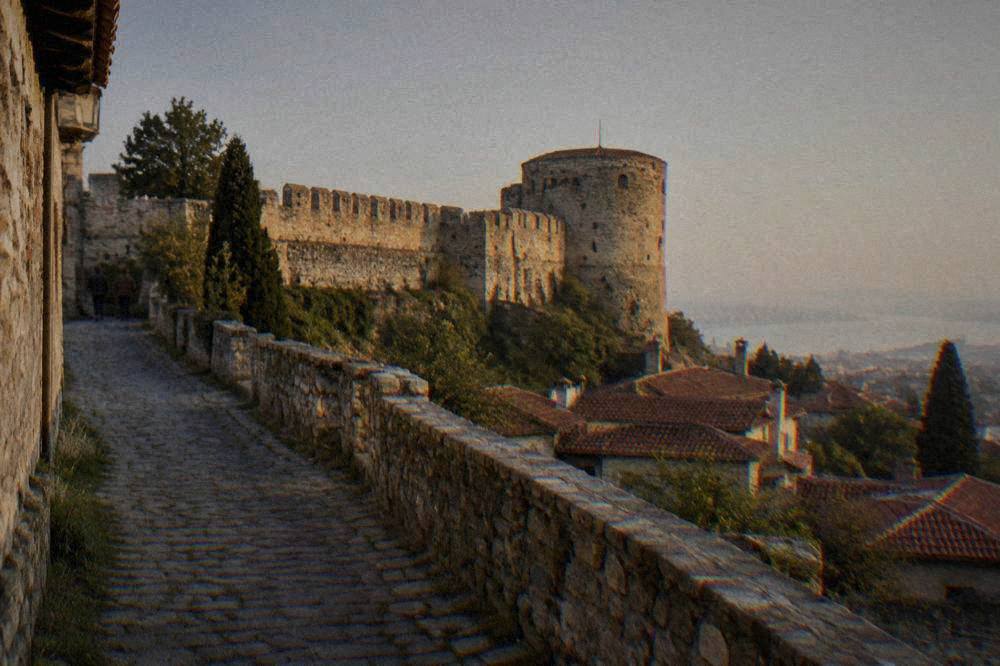
The Heptapyrgion, the fortress at the top of the Byzantine walls, tells a similar double story. The culture ministry's site records that it was converted to prison use in the late 19th century and kept that role until 1989, long after the Ottoman era ended. Its name in Greek means seven towers, and its position at the edge of Ano Poli makes it one of the finest viewpoints over the whole Thermaic Gulf. The walls it sits on are older still, with Hellenistic origins that the municipality's UNESCO pages trace back to the era of the city's founding, later expanded in the Byzantine period. The original circuit ran about 8 km, and a stretch of about 4 km remains visible today, per the UNESCO listing.
The end of Ottoman rule came in the same week the city gained its modern Greek identity. The liberation protocol was signed on 26 October 1912, a date the city shares with the feast of Saint Demetrius, its patron, and the day is marked annually. A walking route through the upper town is the natural way to read this layered history on foot, and the Ano Poli old upper town guide lays out the lanes, walls and towers in order. The Trigoniou Tower viewpoint guide covers one of the most photographed stretches of that wall walk.
What Ottoman Sights Can You See In Thessaloniki Today?
The visible Ottoman layer in Thessaloniki includes the White Tower on the Nea Paralia, the Heptapyrgion fortress within the Byzantine walls of Ano Poli, the Bey Hamam bathhouse near Aristotelous Square, and the house where Atatürk was born, now a museum. The Arch of Galerius and the Rotunda are Roman, not Ottoman, a distinction worth keeping straight on any walking route.
The city rewards this kind of layered reading because the monuments sit close together. A walk from Aristotelous Square up through the Ladadika district and into Ano Poli crosses Roman, Byzantine and Ottoman ground in under an hour of steady walking. The White Tower guide and the Heptapyrgion guide give the details for each, including current ticket prices where the museum's own pages state them.
The table below sorts the main sights by the era that actually built them, so the Ottoman layer does not swallow the older ones.
| Sight | Era That Built It | What The Sources Say |
|---|---|---|
| White Tower | Ottoman fortification on a Byzantine tower | Late Ottoman work, later whitewashed, per municipal walk notes |
| Heptapyrgion | Byzantine walls, later Ottoman-era fortress | Prison from the late 19th century until 1989, per the culture ministry |
| Bey Hamam | Ottoman | Historic bathhouse in the city centre |
| Atatürk Museum | Ottoman-era house | The house where Atatürk was born, now a museum |
| Arch of Galerius | Roman | Open-air monument on Egnatia, free to view |
| Rotunda | Roman | Part of the Galerian complex |
One name in that table carries the Turkish connection further than any other. Atatürk, the founder of modern Turkey, was born in Thessaloniki, and the house is preserved as a museum. Turkish visitors come to the city specifically for this reason, and the shared Ottoman past is part of why the question of the city's Turkish name comes up so often. The UNESCO dimension adds another layer again: the fifteen Paleochristian and Byzantine monuments inscribed in 1988 belong to the era before the conquest, which means the World Heritage core of the city is Byzantine while much of its street-level texture, the markets, the baths, the trade houses, belongs to the Ottoman centuries that followed.
Beyond the city itself, the same history reaches into the wider region. The Kavala and Philippi day trip follows the same Roman-and-Ottoman thread down the Macedonian coast, and the Port of Thessaloniki guide explains how the seafront the Ottomans knew became the cruise port of today.
Where Does The Name Thessaloniki Come From?
The name Thessaloniki comes from Thessalonike, the wife of the city's founder Cassander and a sister of Alexander the Great, and the city was founded in 315 BC, per the municipality's own history pages. The name has stayed essentially stable in Greek ever since, while other languages, Turkish among them, adapted it to their own sounds during the centuries the city lived under their rule.
That stability is unusual for a city with this many rulers. Rome, Byzantium and the Ottomans each left institutions and buildings, but the Greek name held, and the modern city uses it unchanged. The UNESCO listing of 1988, which inscribed fifteen Paleochristian and Byzantine monuments, uses a Latinised form of the same name, and English-language guidebooks have cycled through several spellings of it over the years. The Via Egnatia, constructed between 146 and 120 BC, made the young city a commercial crossroads, per the municipal gastronomy site's historical pages, and a crossroads city collects names the way a port collects ships.
The modern era tested the city as hard as any conquest had. The Great Fire of 18 August 1917 left 73,000 people homeless, per the municipality's history pages, and the Hebrard reconstruction plan that followed gave the centre the street grid visitors walk today, including Aristotelous Square. An earthquake struck in 1978, and the city served as European Capital of Culture in 1997. Through all of it the name carried down unchanged in Greek, which is the quiet answer behind every variant form in every other language.
For visitors weighing the city against the capital, the naming history is a small part of a bigger contrast: which is nicer, Athens or Thessaloniki compares the two on food, sights and pace. And for anyone planning the practical side, how many days is enough for Thessaloniki gives a realistic minimum, since the Ottoman and Byzantine layers each deserve a day of their own.
Common Questions About Thessaloniki's Turkish Name
What Do Turks Call Thessaloniki?
Turkish speakers use one inherited name for the city, and it refers to the same place on the Thermaic Gulf. The name grew out of the Ottoman period, which ran from the conquest in 1430 to liberation on 26 October 1912. A Turkish-language reference is the right place to confirm the exact current spelling.
Was Thessaloniki Ever Part Of Turkey?
The city was part of the Ottoman Empire, not the modern Turkish republic, from 1430 until 26 October 1912, as the municipality's history pages report. Modern Turkey was founded over a decade after Thessaloniki became part of the Greek state.
Why Do Turkish Visitors Come To Thessaloniki?
The city is the birthplace of Atatürk, and the house where he was born is preserved as a museum. The wider Ottoman-era heritage, from the White Tower to the Heptapyrgion, draws visitors with an interest in that shared past.
Is The White Tower An Ottoman Building?
Its present form is late Ottoman fortification work on an older Byzantine tower, per the municipality's heritage walk notes. It was later whitewashed, which is where its current name comes from.
What Language Is Spoken In Thessaloniki Today?
Greek. The city is the second city of Greece, in Central Macedonia, and it uses the euro and the Greek language like the rest of the country. More on this at do they speak English in Thessaloniki.
The question of a name is really a question of history, and in Thessaloniki the history is walkable. Per the Thessaloniki Travel Guide sight pages, a single loop from the White Tower to the Heptapyrgion crosses every era that gave this city a name, and the sunset from the walls of Ano Poli looks out over the same gulf all of them knew.