How To Get To Thessaloniki: Flights, Trains And Ferries
Thessaloniki, the second city of Greece, sits on the Thermaic Gulf in Central Macedonia, and it is reached by air through Thessaloniki Airport Makedonia, by rail from Athens and northern Greece, by long-distance coach, by car, and in season by boat. This guide lays out each route with the figures the official sources actually publish.
Short answer
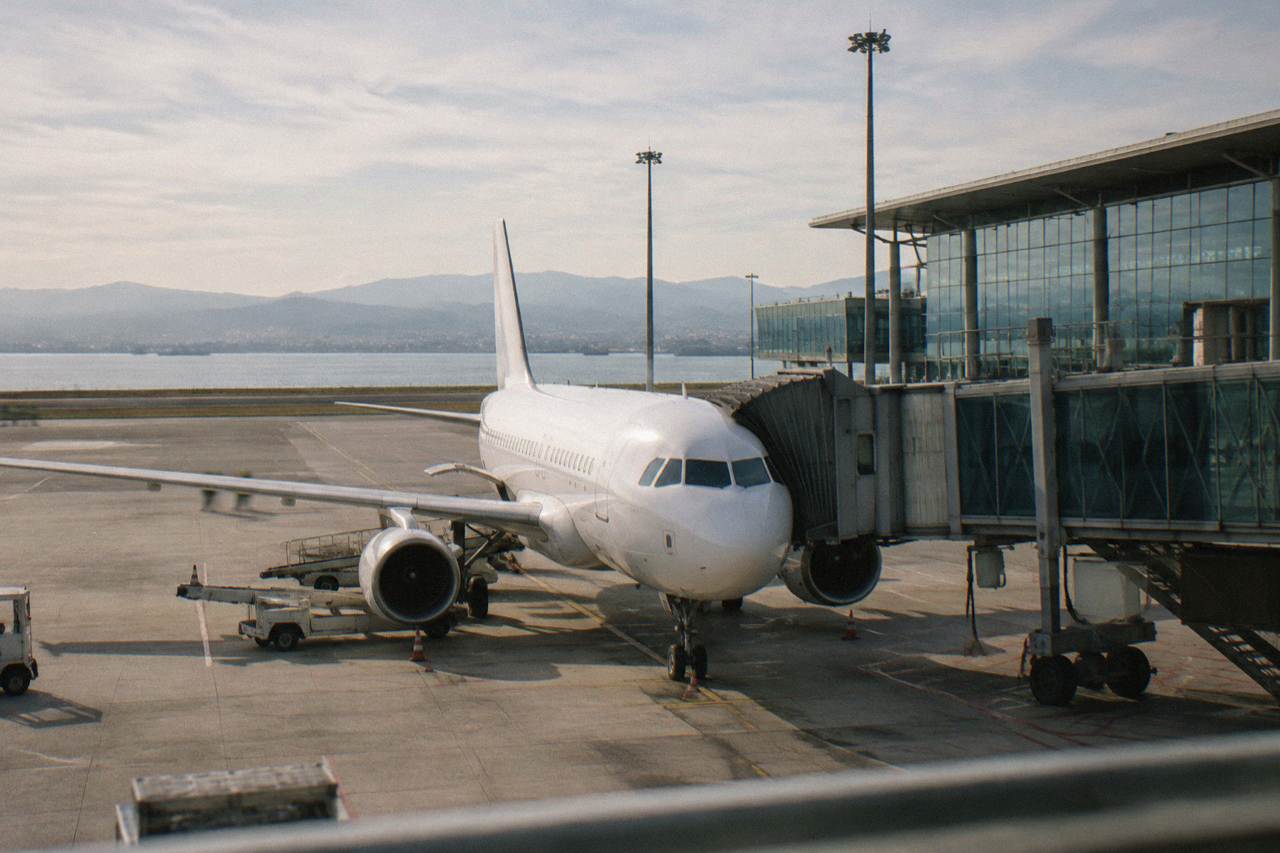
Fly into Thessaloniki Airport Makedonia (SKG), about 16 km and 20 minutes by road from Aristotelous Square, then take an OASTH airport bus or a taxi. Hellenic Train runs the Athens to Thessaloniki route, KTEL coaches cover northern Greece and Halkidiki, and the Port of Thessaloniki receives cruise calls.
Thessaloniki is the second city of Greece, a coastal city on the Thermaic Gulf in Central Macedonia, northern Greece, and it is one of the easier major cities in the Balkans to reach: it has an international airport 16 km from the centre, a main-line rail connection from Athens and the north, an intercity coach network that reaches Halkidiki and the neighbouring countries, and a working port that takes cruise calls. The metro, open since November 2024 and extended to Kalamaria on 27 August 2026, ties the airport bus stops into the city's own transport grid. This page sets out each way in, with the figures the operators themselves publish and clear flags where a detail has to be confirmed at booking. For what to do once you have arrived, start with the site's Thessaloniki highlights guide.
Which Airport Do Flights To Thessaloniki Use?
All scheduled flights to Thessaloniki land at Thessaloniki Airport "Makedonia", IATA code SKG, operated by Fraport Greece, which sits about 16 km and about 20 minutes by road from Aristotelous Square in the city centre. The airport is the main aviation gateway to Central Macedonia, serving the city itself and the whole Halkidiki peninsula region, and there is no second civilian airport in the Thessaloniki area.
That 16 km figure and that 20 minute figure are computed free-flow road distances from Aristotelous Square, not taxi-meter promises, and they appear throughout this site's transport pages. SKG's own information page lists the public bus and taxi connections into the city, which the next section unpacks in detail. One planning point matters more than any other: Thessaloniki is not an island and not a suburb of Athens. Travellers who fly into Athens expecting a short hop north should check the separate Athens to Thessaloniki guide before committing, because the two cities are a long intercity journey apart by road or rail.
Flights to Thessaloniki serve a catchment that stretches well beyond the city. Pella, Vergina, Dion, Mount Olympus, Edessa and Meteora are all reached as day trips from a Thessaloniki base, and Halkidiki's Kassandra and Sithonia peninsulas, both reachable in under two hours by road, sit on the same arrival path. That makes SKG a practical single airport for a whole northern Greece itinerary, and it explains why the airport handles both city breaks and beach-and-antiquity trips in the same arrivals hall.
Seasonality is worth a thought when booking. The HNMS Thessaloniki Mikra station record, 1959 to 2010, puts the July mean daily high at 31.7 C and the January mean daily low at 1.5 C, so the same flight lands in very different weather across the year. The site's best time to visit guide works through the trade-offs month by month.
How Do You Get From Thessaloniki Airport To The City Centre?
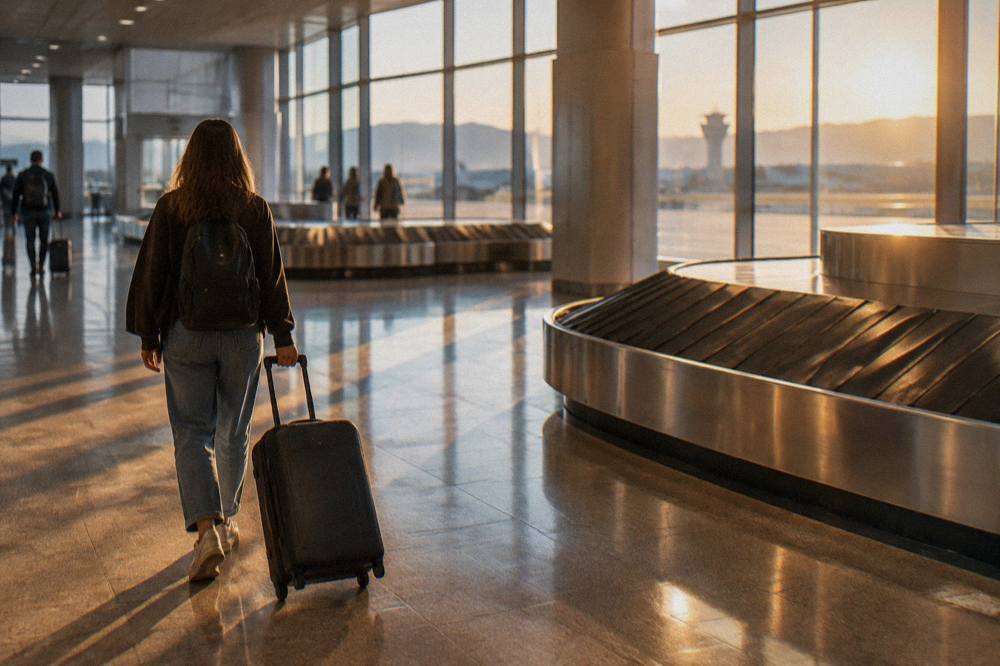
Four OASTH bus lines connect Thessaloniki Airport Makedonia with the city: the X1 from the KTEL intercity station, the X2 from Nea Elvetia metro station, the X3 from Mikra metro station on the Kalamaria branch, and the N1 night line from KTEL. The reported fare is about 2 euro, and a taxi to the centre is reported at about 25 euro by day; both figures come from secondary sources, so confirm before you go.
The bus lines are listed on OASTH's own service page, and the route structure is the useful part. The X2 and X3 exist specifically to push airport traffic onto the metro: the X3 ends at Mikra, the terminus of the Kalamaria extension inaugurated on 27 August 2026, from which the metro runs toward the centre. The X1 and N1 tie the airport to the KTEL Macedonia intercity station, which suits arrivals heading straight onward by long-distance coach.
| Line | Route | Connects to |
|---|---|---|
| X1 | KTEL Macedonia station to airport | Intercity coaches |
| X2 | Nea Elvetia metro station to airport | Metro Line 1 |
| X3 | Mikra metro station to airport | Metro Kalamaria branch |
| N1 | KTEL Macedonia station to airport, night | Intercity coaches |
The metro itself is the piece that changed arrivals. Line 1 opened in November 2024 from the New Railway Station to Nea Elvetia, and the Kalamaria extension added five stations in August 2026. Trains run 05:15 to 00:30 Sunday to Thursday and 05:15 to 02:00 Friday and Saturday, and the ticket prices are published on the operator's own tickets page.
| Ticket | Price | Notes |
|---|---|---|
| Basic single | 0.60 euro | Reduced 0.30 euro, one journey |
| Daily ticket | 2.50 euro | 24 hours, unlimited metro |
| 10+1 basic tickets | 5.80 euro | Carnet |
| 30-day pass | 16 euro | Unlimited metro |
The full detail on the airport transfer, including what the sources do and do not confirm about taxis and ride-hailing, sits in the dedicated Thessaloniki airport to city centre guide, and the wider network is covered in getting around Thessaloniki and the Thessaloniki metro guide. Whether the 0.60 euro metro ticket also covers OASTH city buses is not stated on the metro tickets page, so treat the bus and metro as separate purchases until told otherwise at a ticket point.
A short walk from the metro grid, incidentally, sits one of the city's easy first-afternoon stops: the Museum of Illusions near the centre, covered by the Museum of Illusions ticket page on this site. A landing-day plan that pairs the airport transfer with one compact indoor stop beats pushing a jet-lagged family straight up to Ano Poli.
Can You Get To Thessaloniki By Train?
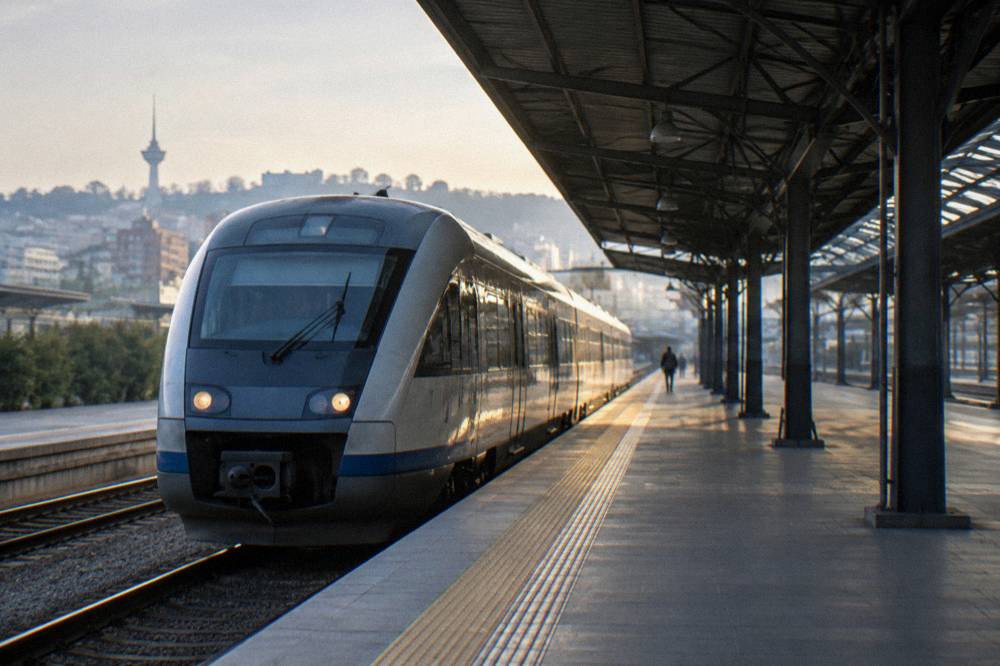
Yes: Hellenic Train serves Thessaloniki with long-distance services on the Athens to Thessaloniki route and regional trains across northern Greece, calling at stations including Larissa, Litochoro, Katerini, Veria, Edessa and Florina, and the city's main rail hub is the New Railway Station, which is also the western terminus of the metro's Line 1.
The regional network is the quiet advantage of arriving by rail. Litochoro, the base for Mount Olympus, and Katerini are on the line south toward Larissa; Veria and Edessa sit on the branch west toward Florina. All of them are also day trips from Thessaloniki by road, and the site's Thessaloniki train station guide covers the station itself, its metro connection and the onward coach link in detail.
Road distances to those two capitals appear in the day-trip table further down.
Can You Get To Thessaloniki By Bus Or By Car?
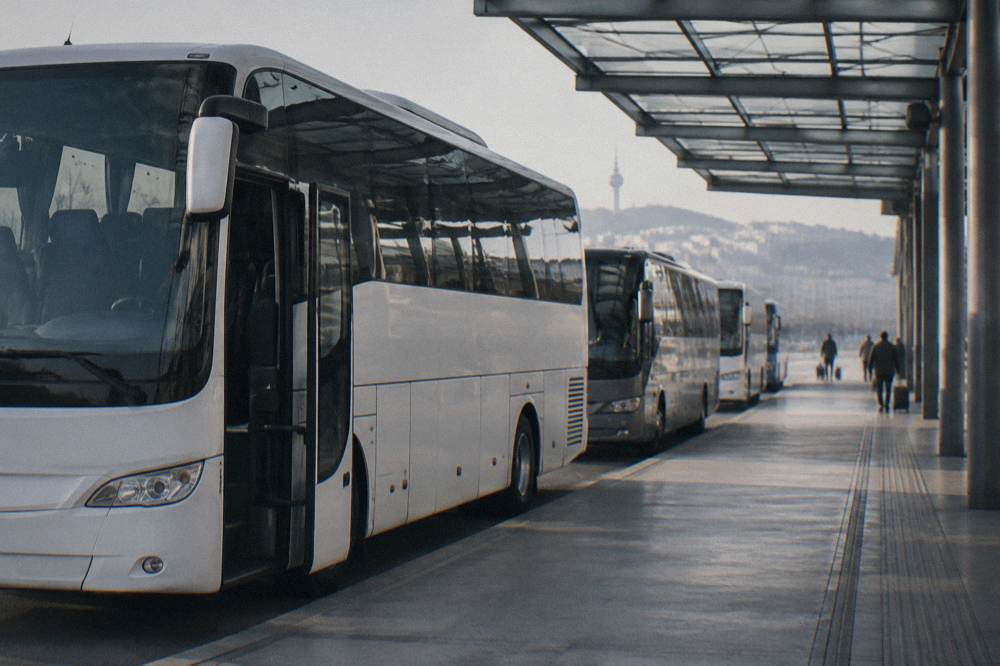
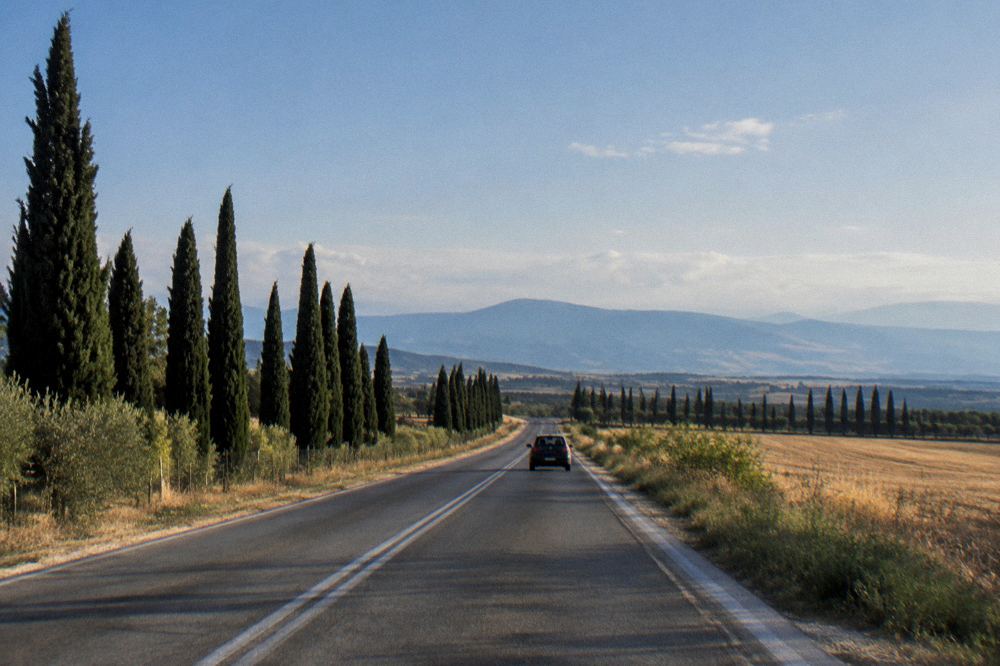
Yes: the KTEL Macedonia intercity station on Giannitson street in Menemeni, about 4 km from the centre, is the hub for long-distance coaches across northern Greece and beyond, while KTEL Halkidiki operates the separate coach network to the Halkidiki peninsula from its own terminal at the 9th km of the Thessaloniki to Nea Moudania road. Driving in, the city sits on the east-west axis that carries traffic to Kavala, Edessa and the northern borders.
The two-station structure trips up first-time visitors more than anything else in this section. Coaches toward Halkidiki, Kassandra and Sithonia do not leave from KTEL Macedonia; they leave from the KTEL Halkidiki terminal, which is itself reached by urban bus line 45. Arrivals planning a beach extension should budget for that transfer rather than assuming one terminal does everything, and the site's dedicated Halkidiki pages cover the peninsula routes.
The same rule applies to car hire rates and fuel costs, which is why the Thessaloniki car rental guide sticks to what the rental desks and the road network actually determine: the city's ring road, the airport pickup points and the driving times to the main regional destinations.
For drivers, the free-flow road distances below are computed from Aristotelous Square over standard routing, and they are presented as "about" because they exclude traffic, parking and stops. Meteora is the one that punishes optimism: Kalambaka is about 228 km and about 154 minutes away each way, which is why this site consistently describes it as a full-day trip, never a half day.
Which Day Trips Are Within Reach Of Thessaloniki?
The computed free-flow drive times from Aristotelous Square put Pella at about 43 minutes, Vergina at about 62, Dion and Litochoro at about 67, Edessa at about 82 and Meteora at about 154 minutes, while Kassandra (Kallithea) is about 78 minutes and Sithonia (Nikiti) about 96, making Thessaloniki a practical single base for beaches, antiquities and mountains alike.
That spread is the reason the airport, the stations and the coach terminals matter so much: almost every worthwhile destination in Central Macedonia routes through this city. The table below holds the figures. The rest of the planning pages sit on Thessaloniki Travel Guide.
| Destination | Distance by road | Free-flow time |
|---|---|---|
| Perea (beaches) | 23 km | about 28 min |
| Pella (museum) | 45.7 km | about 43 min |
| Vergina (Aigai) | 68 km | about 62 min |
| Veria | 72.8 km | about 52 min |
| Kassandra (Kallithea) | 86.2 km | about 78 min |
| Dion (park) | 90.1 km | about 67 min |
| Litochoro | 90.7 km | about 67 min |
| Edessa (waterfalls) | 90.3 km | about 82 min |
| Sithonia (Nikiti) | 97.2 km | about 96 min |
| Mount Olympus (Prionia) | 106.9 km | about 86 min |
| Ouranoupoli | 129.9 km | about 139 min |
| Kavala | 154.6 km | about 118 min |
| Meteora (Kalambaka) | 227.5 km | about 154 min |
Two cautions travel with that table. First, Mount Athos entry requires a permit, the diamonitirion, and is men only; the boat cruise from Ouranoupoli views the coast and does not land, a distinction the site's Mount Athos cruise page spells out. Second, swimming in the city itself is not on offer: the Nea Paralia is a promenade, not a beach, and the nearest swimmable stretches are at Perea, about 28 minutes by road, or Epanomi. The beaches near Thessaloniki guide covers the honest options.
Train travellers can match several of those rows to rail stops: Litochoro and Katerini sit on the Larissa line, Veria and Edessa on the Florina branch, and the KTEL network covers the rest. Choosing between wheel and rail for each destination is exactly what the site's northern Greece itinerary guide exists to do.
Can You Arrive In Thessaloniki By Ferry Or Cruise Ship?
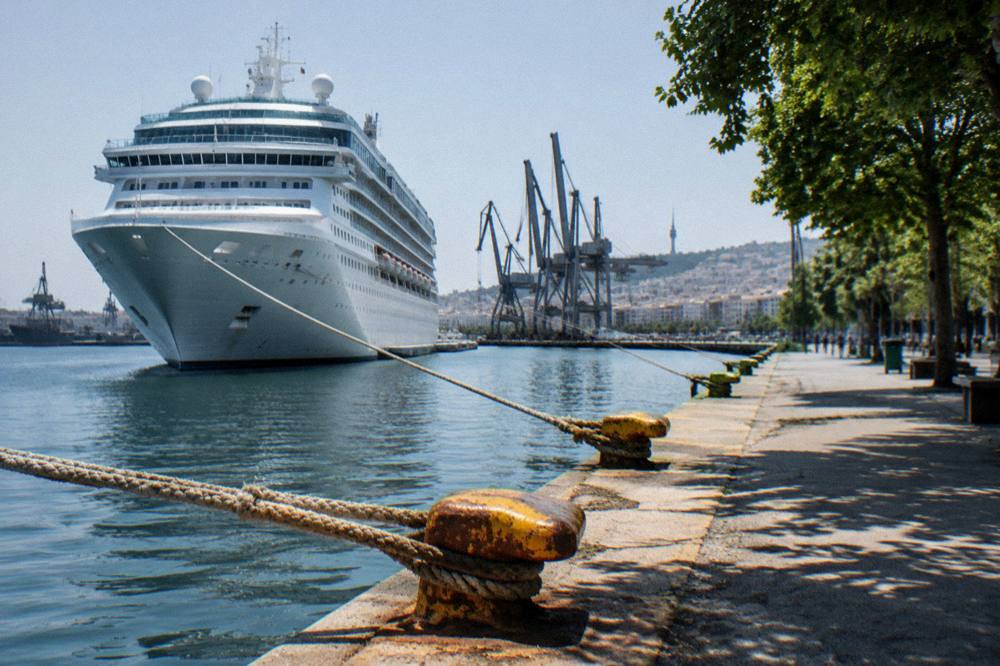
Yes, but with limits: the Port of Thessaloniki is a working seaport on the Thermaic Gulf that receives cruise calls, and a reported seasonal high-speed service to the Sporades ran from late June 2026 but was not operating in October, so a ferry connection to the islands must never be assumed outside the summer window and always has to be confirmed with the operator.
The port's cruise side is real but thinly documented in official material. Arriving cruise passengers have a dedicated resource in the site's Thessaloniki cruise port day guide, which builds a one-day plan around what the city offers on foot and by metro from the seafront.
On islands, the honest answer is short. Thessaloniki is not an island ferry hub, and Halkidiki, its nearest summer playground, is a peninsula region reached by road, not an island. Thassos and the Sporades each need a separate ferry journey whose timetable is confirmed with the operator. When the seasonal Sporades link runs, reported from about 26 June in 2026, it served Skiathos, Skopelos and Alonissos; by October it had stopped.
One more boat with a fixed schedule worth knowing: a summer water taxi runs between Thessaloniki and Perea, reported at about 10 euro one way, a detail the beaches guide carries with its caveats. Confirm it locally before relying on it, as seasonal services in the Thermaic Gulf change year to year.
What Should You Know About Arriving In Each Season?
The HNMS Thessaloniki Mikra station table, 1959 to 2010, shows a July mean daily high of 31.7 C against a January mean daily low of 1.5 C, with monthly rainfall ranging from 19.3 mm in August to 55.1 mm in December and an annual total of 444.5 mm, so the journey in is easiest in the shoulder months and wetter, though mild, in midwinter.
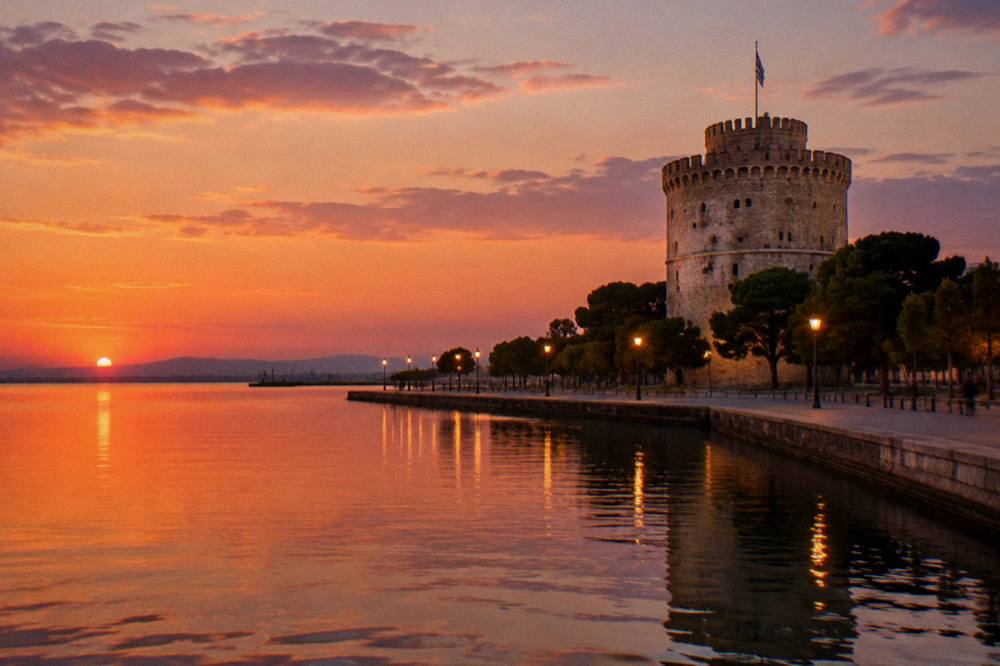
Weather shapes the transfer, not just the trip. Summer arrivals step off aircraft into serious heat and will appreciate that the X2 and X3 airport buses feed into an air-conditioned metro. Winter arrivals, by contrast, should note the seasonal shift in museum hours: the Archaeological Museum closes on Tuesdays from 1 November to 31 March, and the White Tower and the Museum of Byzantine Culture run shorter winter hours, 08:30 to 15:30, instead of the long summer schedule.
| Month | Mean high C | Mean low C | Rain mm |
|---|---|---|---|
| January | 9.3 | 1.5 | 37.7 |
| April | 19.1 | 7.9 | 36.1 |
| July | 31.7 | 19.3 | 23.8 |
| October | 21.2 | 11.3 | 43.0 |
| December | 10.9 | 3.2 | 55.1 |
Event traffic is the other seasonal factor on the arrival path. The Thessaloniki International Fair ran 5 to 13 September in 2026, the Dimitria festival ran 1 to 26 October, and the International Film Festival follows 5 to 15 November, dates that tighten hotel supply in the centre and push flight prices up around them. The site's pages on the Thessaloniki International Fair and the film festival give the calendar context, and the Thessaloniki weather guide holds the full monthly table.
Where Should You Stay After You Arrive?
The pragmatic split for a first visit is between the city centre around Aristotelous Square, which keeps the White Tower, the Rotunda, the Arch of Galerius and the Ladadika dining quarter within walking distance, and areas such as Kalamaria or Ano Poli, now tied to the centre by the metro's Kalamaria branch opened in August 2026, so the transfer choice and the base choice should be made together.
The where to stay in Thessaloniki guide works through the neighbourhoods properly, and the Thessaloniki budget guide frames the costs honestly.
What transport adds to that decision is simple geometry. A base anywhere near a metro station is now functionally close to the New Railway Station, useful for rail arrivals, and to the Kalamaria end of the line, useful if the X3 airport bus is the plan. A base in the Ano Poli upper town trades that for the view from inside the Byzantine walls, a trade-off the Ano Poli guide unpacks.
What Mistakes Should You Avoid When Getting To Thessaloniki?
The five standing errors are assuming there is no metro, assuming the Sporades ferry runs year-round, assuming Meteora is a short hop, expecting the metro ticket to double as a bus ticket, and planning to swim off the city's own waterfront, and every one of them is corrected by a source this site has checked: the metro opened in November 2024, the Sporades link is seasonal, Kalambaka is about 228 km away, the metro tickets page makes no bus claim, and the Nea Paralia is a promenade.
The metro correction deserves its own sentence because it appears as fact on too many pages: Line 1 opened in November 2024 and the Kalamaria extension, five more stations to Mikra, was inaugurated on 27 August 2026. Any guide describing Thessaloniki's metro as "under construction" or "coming soon" was written years ago.
The others pass quickly. The Sporades high-speed service is reported to have started around 26 June 2026 and was not running by October, so an autumn itinerary that assumes an island day from Thessaloniki needs a different plan. Meteora at about 228 km and about 154 minutes of free-flow driving each way is a full day, and the site's Meteora guide says so plainly. And a first evening in the city is better built around the seafront promenade and dinner in Ladadika than around a swim, with the what to eat in Thessaloniki guide as the menu companion.
Common Questions About Getting To Thessaloniki
How far is Thessaloniki Airport from the city centre?
Thessaloniki Airport "Makedonia" (SKG) is about 16 km and about 20 minutes by road from Aristotelous Square, computed over standard free-flow routing. Four OASTH bus lines, X1, X2, X3 and the night N1, connect it to the KTEL station and two metro termini.
How do you get from Thessaloniki Airport to the city?
Take an OASTH airport bus, with the X2 and X3 designed to feed passengers onto the metro at Nea Elvetia and Mikra stations, or a taxi, reported at about 25 euro by day; the reported bus fare is about 2 euro. Confirm both fares before you travel, as neither figure appears on the operator's own published pages.
Can you take a train from Athens to Thessaloniki?
Yes, Hellenic Train runs the Athens to Thessaloniki route, and the city's New Railway Station is also the western terminus of metro Line 1. For journey time, fare and frequency, check the current timetable on the operator's own site.
Is there a ferry from Thessaloniki to the islands?
Only seasonally. A reported high-speed service to the Sporades ran from late June 2026 but was not operating in October, and Halkidiki, Thessaloniki's nearest summer region, is a peninsula reached by road rather than an island. Confirm any island sailing directly with the operator before planning around it.
Does Thessaloniki have a metro?
Yes. Line 1 opened in November 2024 from the New Railway Station to Nea Elvetia, and the five-station Kalamaria extension to Mikra was inaugurated on 27 August 2026. A basic ticket costs 0.60 euro and a daily ticket 2.50 euro, per the operator's tickets page.
Where do buses to Halkidiki leave from in Thessaloniki?
Not from the main intercity station. KTEL Halkidiki runs Halkidiki coaches from its own terminal at the 9th km of the Thessaloniki to Nea Moudania road, while KTEL Macedonia on Giannitson street in Menemeni, about 4 km from the centre, serves the other long-distance routes.