Is Thessaloniki The Second-Largest City In Greece?
Yes, Thessaloniki is Greece's second city. The reported 2021 census figures, what second-largest actually measures, and why the ranking matters for a visit.
Yes, Thessaloniki is Greece's second-largest city, and the answer holds whether you measure the municipality, the urban area or the metropolitan region. The municipality of Thessaloniki counted 319,045 residents at the 2021 census, as reported from ELSTAT figures by secondary sources, and the city's own gastronomy site describes a wider urban area of more than a million people. On the Statista compilation of Greek metropolitan areas, Thessaloniki sits directly after Athens, which is the only Greek urban region larger than it.
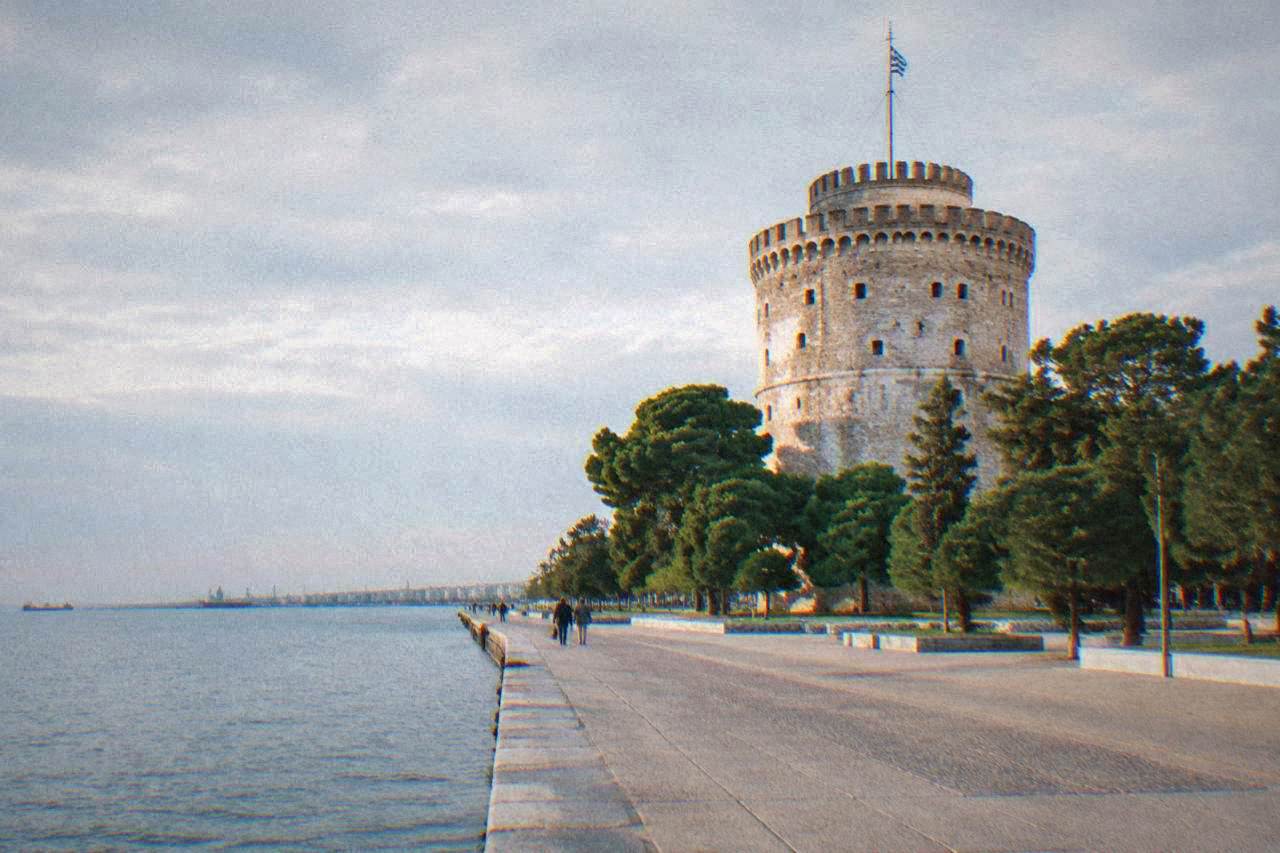
That single word, second, carries more than a population rank. Thessaloniki is the capital of Central Macedonia in northern Greece, a coastal city on the Thermaic Gulf with the White Tower standing on its seafront promenade, the Nea Paralia. It holds fifteen Paleochristian and Byzantine monuments inscribed on the UNESCO World Heritage List in 1988, and it anchors a day-trip ring that runs from Pella and Vergina to Mount Olympus, Halkidiki and, further out, Meteora. Readers deciding between it and the capital can start with the comparison in Athens or Thessaloniki, while this page sticks to the ranking question itself.
The question is asked more often than you might expect, and usually for practical reasons. Somebody planning a first trip to Greece wants to know whether the second city deserves days that could go to the islands or the capital. Somebody moving for work or study wants to know whether a city of this size supports the life they expect. The rank alone answers neither question fully, but it frames both: this is a large, working European city, not a resort town that empties in October.
Is Thessaloniki The Second-Largest City In Greece?
Yes. Thessaloniki is Greece's second-largest city by every published measure: the municipality counted 319,045 residents at the 2021 census, as reported from ELSTAT figures, the wider urban area is put at about 802,000 on the Statista compilation, and the city's own gastronomy site describes more than a million people in the wider urban area. Athens is the only Greek city or metropolitan area larger, and no ranking consulted places a third Greek city between them.
The three numbers measure three different things, and conflating them is how confusion creeps in. The municipality is the tight administrative unit, the municipality plus its suburbs form the urban area, and the metropolitan region stretches further into Central Macedonia. A city can look small on the municipal figure and large on the regional one, and Thessaloniki is a textbook case: 319,045 inside the municipal boundary, but a region the city itself counts at more than a million.
The rank is reported, not editorialised. Statista's ranking of Greek metropolitan areas lists Thessaloniki immediately after Athens, and that placement is what allows the phrase "Greece's second-largest metropolitan area". The municipal gastronomy site's million-plus claim is the city's own description of its wider urban area. Each figure carries its source, and each is worth confirming against the latest ELSTAT release before being quoted anywhere serious.
It is worth being equally careful about what the census does not say. No student count, age breakdown or visitor total is part of the reported figures, and any page that adds them is guessing. What the census does establish is simple and stable: one Greek city is clearly larger than Thessaloniki, and nothing else in the country is close behind it. Third place, on every compilation consulted, belongs to urban regions a fraction of this size.
What the rank does not capture is density of history. Founded in 315 BC by Cassander and named for his wife Thessalonike, liberated on 26 October 1912, rebuilt after the Great Fire of 1917 and shaken by the 1978 earthquake, the city packs two and a half millennia into a walkable centre. Size is the least interesting fact about it, which is a fair summary of what Thessaloniki is famous for.
How Does Thessaloniki Compare With Athens By Size?
Athens is several times larger on every measure, which is exactly why Thessaloniki is called the second city rather than a rival capital. The 2021 census figures reported for Thessaloniki, 319,045 in the municipality and about 802,000 in the urban area on the Statista compilation, sit well below the Athens figures on the same compilation, and no other Greek metropolitan area approaches Thessaloniki's total. The gap to third place is what secures the rank.
The comparison is not a contest, and the two cities do different jobs. Athens concentrates the national government and the classical marbles; Thessaloniki concentrates Macedonia's Byzantine layer, its Ottoman-era street plan in Ano Poli and its food reputation. A useful framing for travellers is in is Thessaloniki worth visiting, which treats the city on its own merits rather than as Athens' understudy.
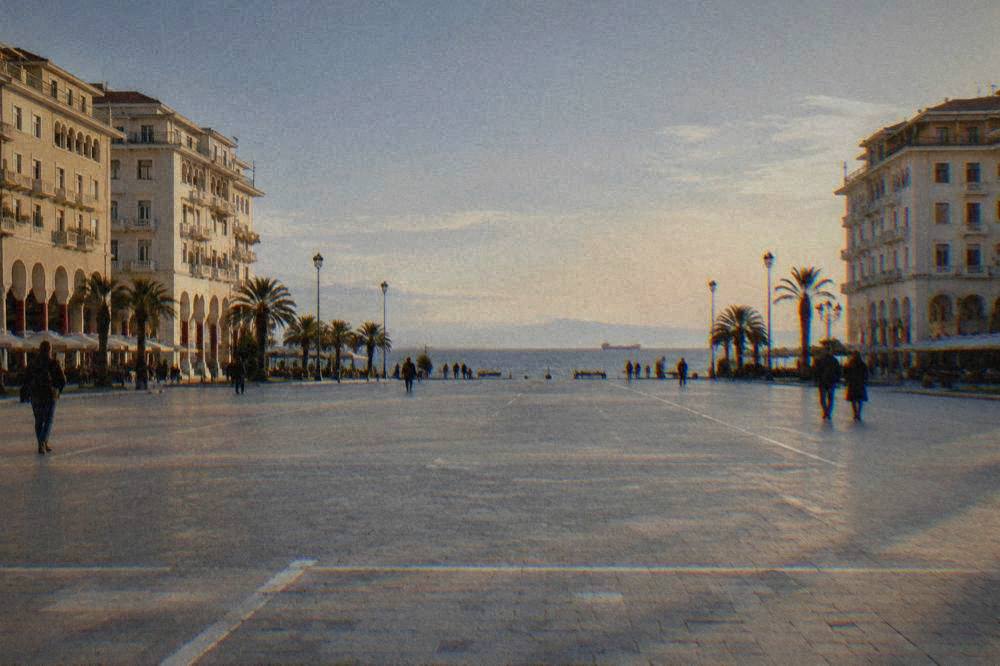
One practical note on the ranking: it is about people, not about travel scale. The second-largest city is still compact where it counts. The centre runs from Aristotelous Square to the White Tower in a short walk, the metro's Line 1 has served the city since November 2024, and the Kalamaria extension was inaugurated on 27 August 2026, so second-city size arrives with first-city convenience. Whether that compactness suits a short trip is covered in how many days is enough for Thessaloniki.
The two cities also differ in how they sit on the map. Athens looks out over the Aegean from the southern mainland; Thessaloniki faces north and west as much as south, a port city on the Thermaic Gulf whose rail and bus lines run to Veria, Edessa, Florina and the border regions. That orientation is part of why it grew large in the first place, and it is why the city works as a base for the whole of northern Greece rather than only for its own sights.
What Does Second City Mean For A Visit To Thessaloniki?
For a visitor, second city mostly means a real, year-round city rather than a resort: Thessaloniki functions as the capital of Central Macedonia with a university economy, a port on the Thermaic Gulf and a cultural calendar that includes the Thessaloniki International Film Festival, whose 67th edition ran 5 to 15 November 2026. It also means the sights of a historic capital, fifteen UNESCO-inscribed monuments, at walkable scale and at provincial prices.
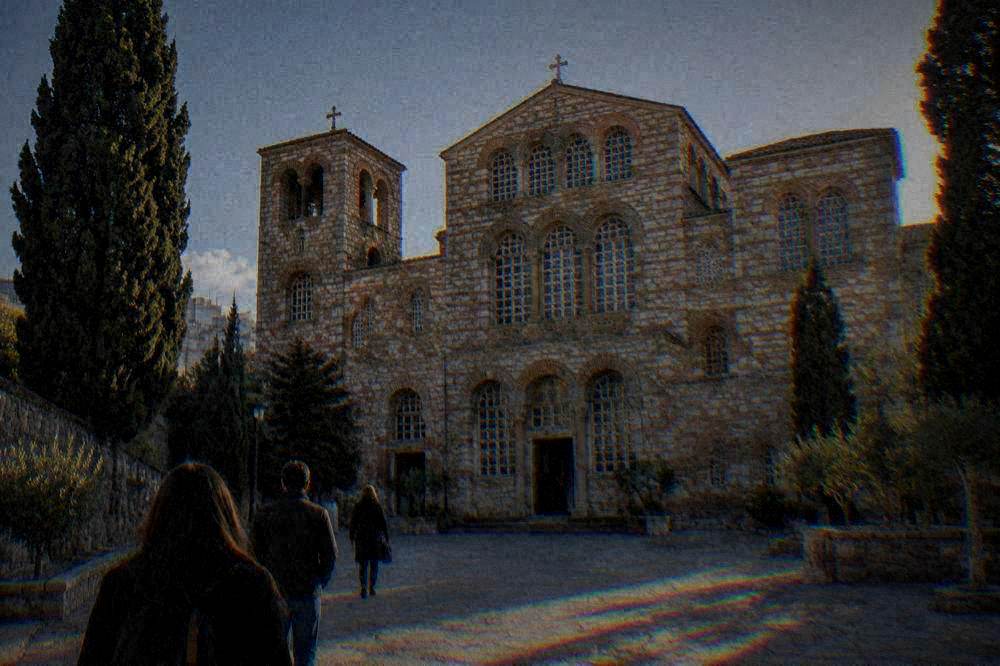
The UNESCO layer deserves the emphasis. Fifteen Paleochristian and Byzantine monuments were inscribed in 1988, including the Rotunda, the Church of Saint Demetrius, Hagia Sophia and the city walls, and they sit inside a continuous urban fabric rather than a fenced archaeological park. The Roman Galerian complex, the Arch of Galerius and the Palace of Galerius, threads through the modern streets. A Thessaloniki walking tour is the efficient way to take that sequence in, and Check availability covers current times.
The museums punch at capital-city weight too. The Archaeological Museum of Thessaloniki lists hours of 09:00 to 17:00 daily from 1 April to 31 October, closing on Tuesdays from 1 November to 31 March, with entry at 10 euro full and 5 euro reduced. The Museum of Byzantine Culture, on its own visiting page, lists 8 euro full and 4 euro reduced tickets for the White Tower it operates, with the tower open 08:00 to 21:00 daily in summer. State museums admit visitors free on 6 March, 18 April, 18 May, the last weekend of September and 28 October.
| Measure | Thessaloniki figure | What it counts |
|---|---|---|
| Municipality (2021 census, reported) | 319,045 residents | The administrative city |
| Urban area (Statista compilation) | about 802,000 | City plus contiguous suburbs |
| Wider urban area (city's own site) | more than a million | The region the city counts |
| Rank among Greek metropolitan areas | second, after Athens | Statista compilation |
The second-city status also shapes the day-trip map. Because Thessaloniki is the regional hub, the trains and KTEL buses of northern Greece converge on it, putting Pella, Vergina, Dion, Edessa and the Halkidiki peninsulas within reach of a stay. Kalambaka, at Meteora, is about 228 km away by road and a full day, so the second city works as a base rather than a footnote. Any ranking question eventually turns practical, and the base question is where to sleep: is Thessaloniki expensive covers costs.
Why Do People Confuse Thessaloniki's Rank With Its Name?
Because the city appears under different names in older texts, some readers assume it must be a different place from the one ranked second in Greece. Thessaloniki, Thessalonica and Salonika all refer to the same city on the Thermaic Gulf, founded in 315 BC, and the ranking attaches to the city itself, not to any one spelling. Settling the name settles the rank: this is one city, Greece's second-largest, not two candidates for the title.
The name question is common enough that this site treats it separately, in is Thessaloniki the same as Thessalonica. The rank question often hides a different one: visitors asking whether the second city is big enough to feel like a destination. On that, the honest answer is that it feels like a provincial capital with a big-city food scene and a seafront, walkable in the centre, with is Thessaloniki a walkable city giving the detail.
There is also a geography confusion worth clearing up, because it affects the ranking question directly. Thessaloniki is a mainland city on the Thermaic Gulf, not an island, and it belongs to Central Macedonia, not to the southern mainland around Athens. Some readers picture it on Halkidiki, whose two peninsulas, Kassandra and Sithonia, lie south of the city; Halkidiki is a day-trip region from Thessaloniki, not the city's location. Pinning the city on the map correctly is the first step to trusting any figure attached to it.
A closing note on what the rank does not decide. Second-largest says nothing about whether the city suits a particular traveller, and nothing about weather, beaches or seasons. The HNMS Thessaloniki Mikra station table, 1959 to 2010, gives a July mean high of 31.7 C and a January mean low of 1.5 C, with December recording 55.1 mm of rain against August's 19.3 mm, and the swimming beaches sit at Perea and along the coast south of the city, not on the promenade. For those questions, the Thessaloniki Travel Guide holds dedicated pages. The rank is a fact to cite, not a reason to go; the reasons are the fifteen monuments, the waterfront and the food, all of them inside Greece's second city.
Common Questions About Thessaloniki's City Rank
Is Thessaloniki The Second-Largest City In Greece?
Yes. The municipality counted 319,045 residents at the 2021 census, as reported from ELSTAT figures, the urban area is about 802,000 on the Statista compilation, and the city describes more than a million people in the wider urban area. Only Athens is larger.
Is Thessaloniki bigger than any Greek island city?
Yes, by a wide margin on the reported figures. Thessaloniki is a mainland coastal city on the Thermaic Gulf in Central Macedonia, and its urban area exceeds that of any island city in Greece on the Statista compilation of metropolitan areas.
What is the population of Thessaloniki?
The municipality counted 319,045 residents at the 2021 census, as reported from ELSTAT figures by secondary sources. The wider urban area is about 802,000 on the Statista compilation, and the city's own gastronomy site says more than a million people in the wider urban area.
Does second-largest mean Thessaloniki is the second capital of Greece?
No. Thessaloniki is the capital of the Central Macedonia region, not a joint national capital. It is sometimes called Greece's co-capital informally because of its size and history, but the administrative capital is Athens alone.
Why is Thessaloniki's population quoted with such different numbers?
Because the figures measure different boundaries: the municipality, the urban area and the wider metropolitan region. Cite the boundary along with the number, and confirm the latest ELSTAT release before quoting any of them elsewhere.