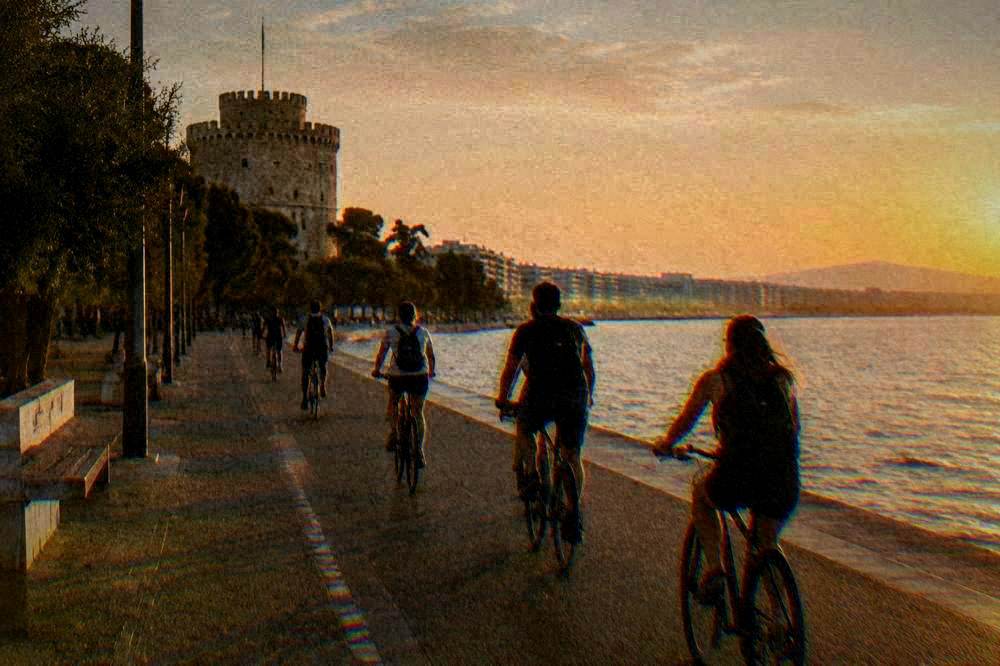
Panorama: The Hillside Suburb And Its Trigona
Panorama sits on the hills southeast of Thessaloniki city centre, and its name is attached across Greece to one pastry: the trigono, a crisp triangle filled with cream. This guide explains where the suburb sits, what the views take in, how to reach it, and how to fold it into a day in the city.
Short answer
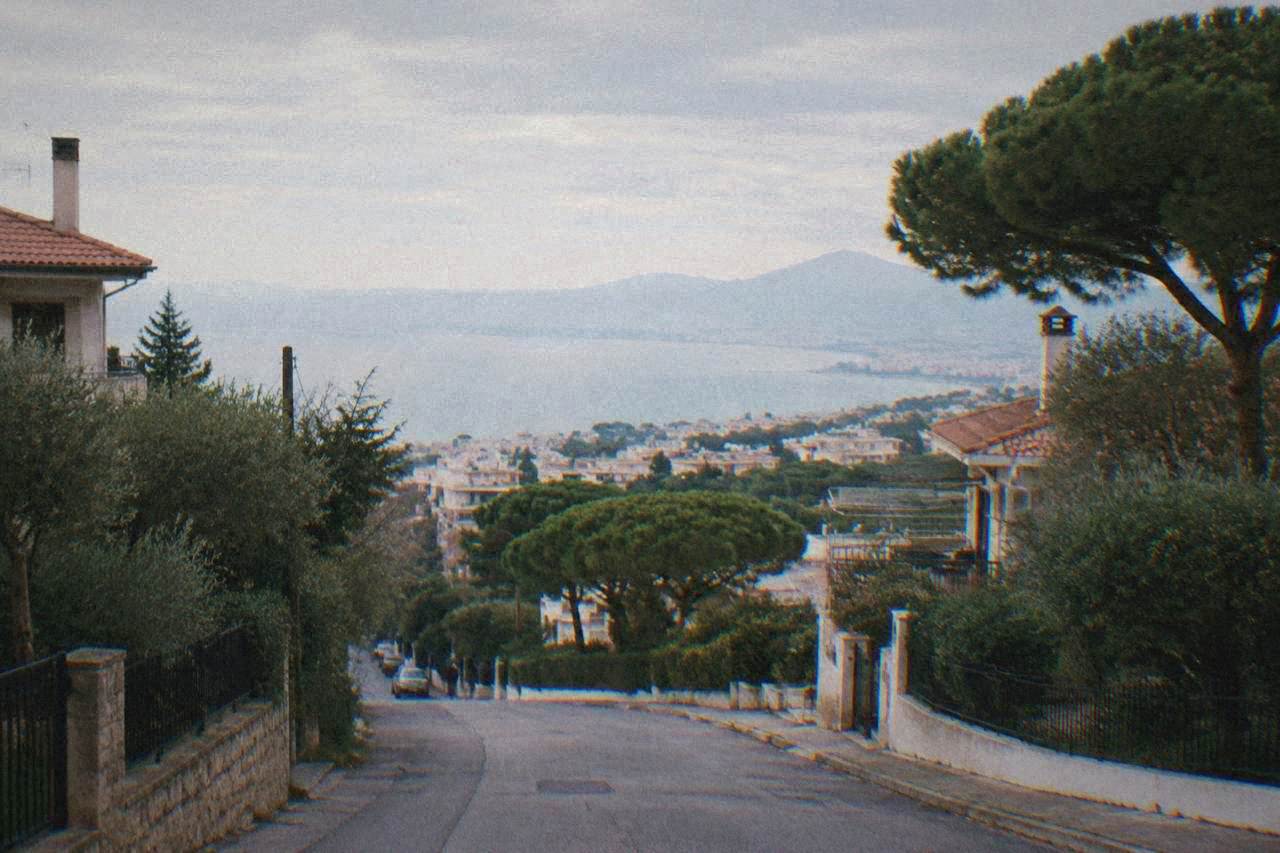
Panorama is an uphill residential suburb of Thessaloniki, about 20 minutes by road southeast of Aristotelous Square, best known for trigona cream pastries and terraced views over the Thermaic Gulf, Mount Olympus and, on clear days, the Halkidiki coastline.
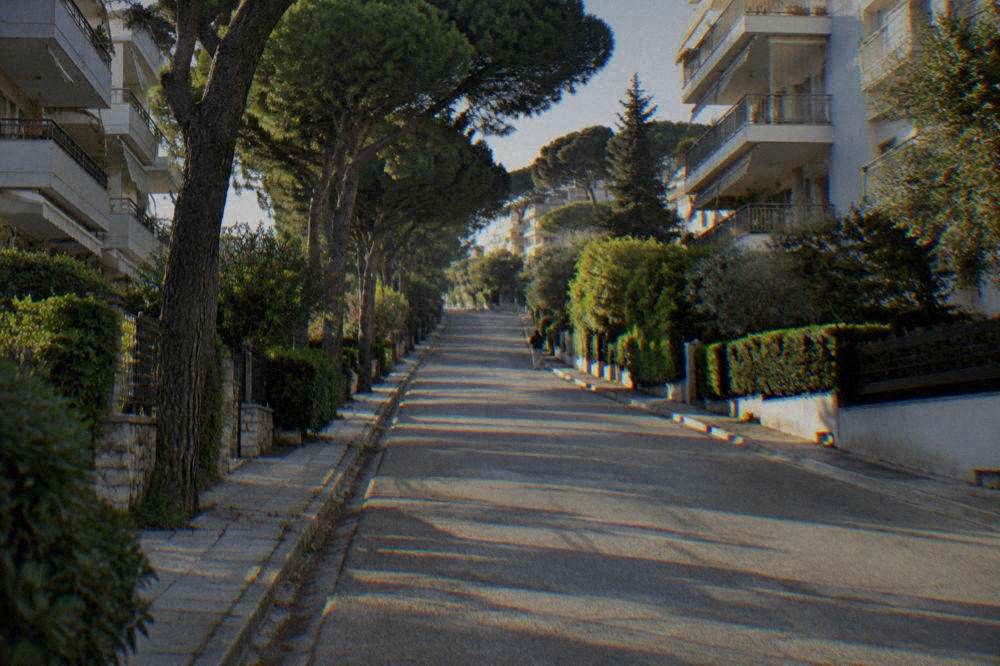
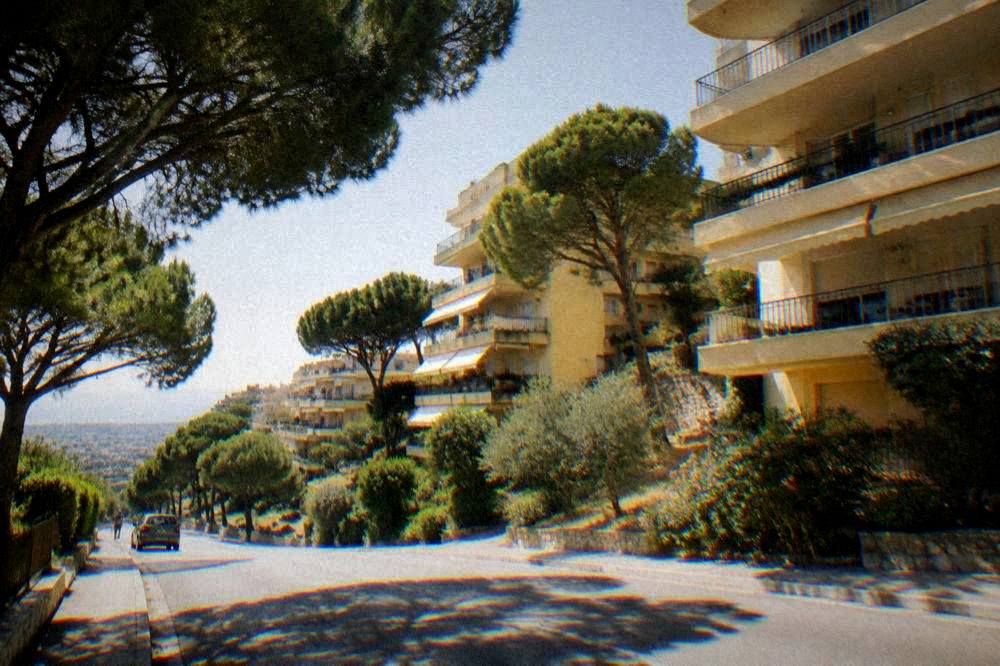
Panorama is the hillside suburb that rises southeast of central Thessaloniki, on the lower slopes that look out over the Thermaic Gulf, and its name travels across Greece attached to a single sweet: the trigono, a crisp triangular pastry filled with cream. The suburb itself is residential, leafy and quiet, a place of low apartment blocks, pine-lined streets and terrace cafeterias rather than monuments. Visitors come for two reasons, the view and the pastry, and both reward the short trip uphill from the city centre described in this Thessaloniki Travel Guide article.
Where Is Panorama In Thessaloniki?
Panorama is an uphill suburb in the southeastern corner of Thessaloniki, Central Macedonia, lying beyond Kalamaria on the slopes that rise above the southeast shore of the Thermaic Gulf. Its hillsides face northwest over the city, the bay and the distant mountains, and it sits roughly twenty minutes by road from Aristotelous Square in the city centre, uphill nearly all the way.
Thessaloniki itself climbs away from the sea in steps. The flat heart of the city around Aristotelous Square runs along the waterfront, the old upper town of Ano Poli rises behind it inside the Byzantine walls, and Panorama occupies the high ground on the opposite, southeastern side of the urban spread. The name is literal: the suburb's position on the ridge gives it a long panorama across the gulf, the city shoreline and the mountains beyond.
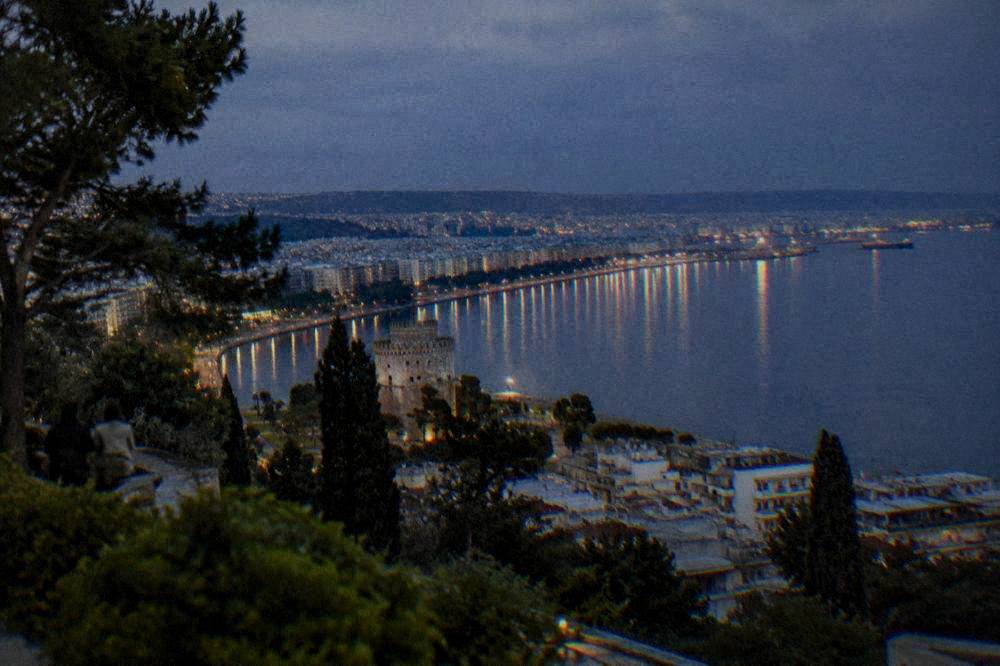
What that view actually takes in depends on the weather. On a clear day the skyline of central Thessaloniki runs along the water to the northwest, with the White Tower and the high-rise blocks of the centre visible as a band against the sea. Across the gulf, Mount Olympus sits on the horizon to the southwest, and the first arm of Halkidiki reaches west along the far shore. The gulf itself is wide at this point, so the water reads as a bay rather than open sea.
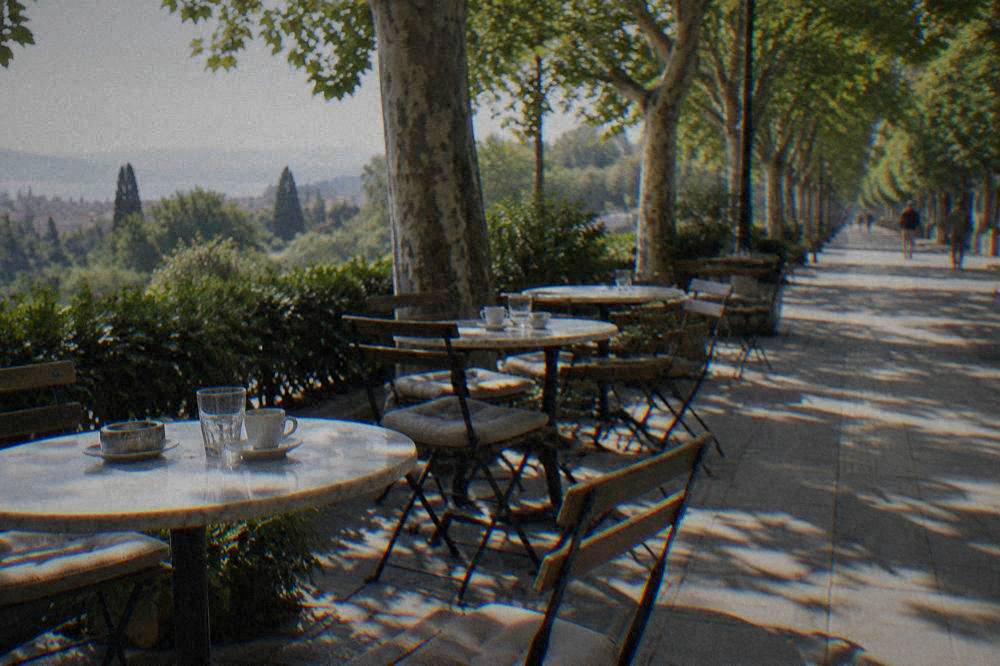
The suburb is not a monument district and does not pretend to be. It belongs to the everyday life of the city, which is exactly the point of going. A morning in Panorama is a morning among locals buying bread, drinking coffee on terraces and walking dogs along the ridgeline avenues, with the whole of Thessaloniki laid out below.
| Fact | Detail |
|---|---|
| Position | Southeastern Thessaloniki, uphill from Kalamaria |
| Direction from centre | Southeast, roughly 20 minutes by road |
| What it overlooks | Thermaic Gulf, city shoreline, Mount Olympus on clear days |
| Character | Residential, leafy, terraced streets and cafeterias |
| Known for | Trigona pastries and gulf views |
| Nearest named areas | Kalamaria to the west and north, the airport side of the bay beyond |
What Is Panorama In Thessaloniki Known For?
Panorama is known across Greece for trigona, triangular cream-filled pastries that carry the suburb's name, and for the hillside views that gave the district its title. The trigono panoramas, as the pastry is labelled in bakeries throughout the country, is the suburb's single most famous export, while the lookout points over the Thermaic Gulf are its main open-air attraction.
The trigono deserves the explanation. It is a small pastry baked as a triangle, filled after baking with a cream, and eaten cold. The shape is the point: the three corners give thin, crisp tips while the centre holds the filling, and the contrast between the brittle pastry and the soft cream is what the sweet is built around. Versions filled with chocolate cream or other flavours circulate, but the plain cream trigono is the classic. The pastry's full commercial name references Panorama itself, which is why the suburb appears on boxes sold in Thessaloniki, Athens and anywhere Greek bakeries ship.
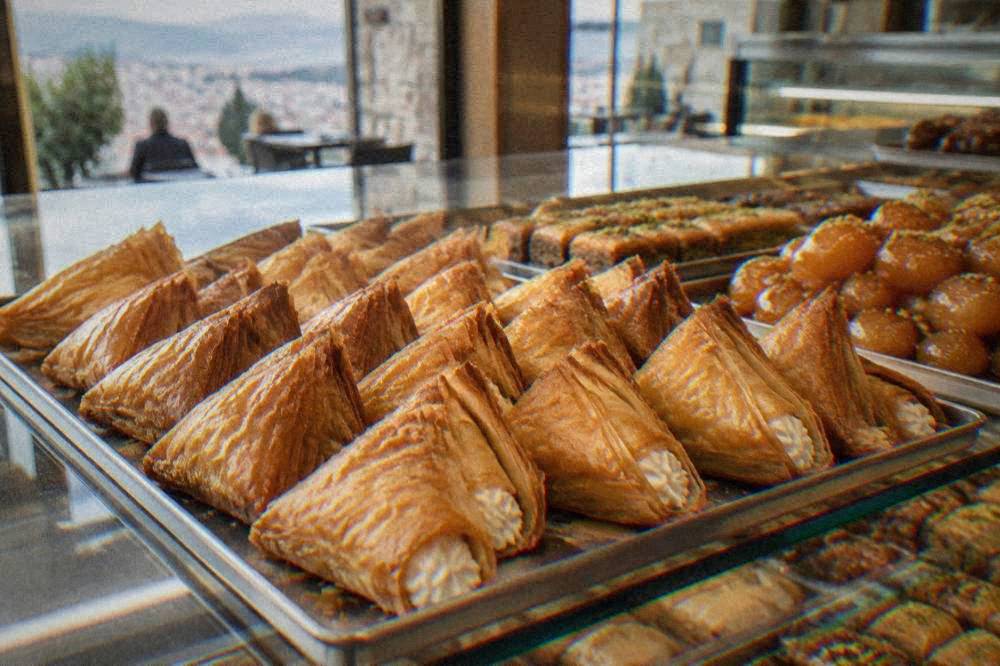
The suburb's standing in Thessaloniki's sweet life is not a minor one. Thessaloniki has a wide pastry tradition, from bougatsa to syrup-soaked spoon sweets, and trigona from Panorama sit alongside them as one of the city's signature sweets. The Thessaloniki sweets guide on this site covers the wider field; Panorama's contribution is the one sweet that carries a suburb's name on the box.
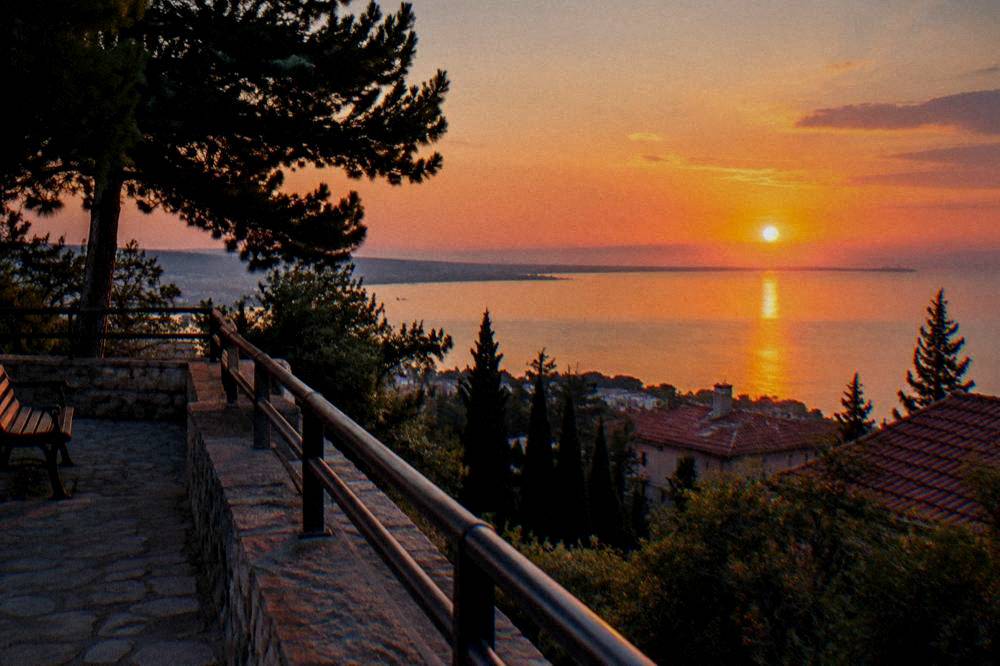
Beyond the pastry, the suburb is known as a comfortable residential hillside with cafeterias positioned for the view. The terrace cafés along the ridge avenues do steady business from late morning onward, and the sunset hour over the gulf is the busiest. What the record does support is simpler: a hillside suburb with a famous pastry and a famous view.
What Are Trigona And Where Do You Eat Them In Panorama?
A trigono is a crisp triangular pastry filled with cream, sold cold and eaten by hand, and in Panorama it is sold in the suburb's pastry shops and cafeterias as the district's signature sweet. The pastry is associated with Panorama to the point that bakeries across Greece label the sweet with the suburb's name, and buying one in its home suburb is the standard reason for the trip uphill.
That matters less than it sounds, because trigona are not a single-shop secret in Panorama: several patisseries in the suburb sell them, boxes travel across the city daily, and any pastry counter in the district will have them stacked in trays. Buy by the piece or by the box, eat one on a terrace with a coffee, and take a box down the hill if the mood strikes.
The practical advice is short. Ask for a trigono, plural trigona, and expect it served cold from a refrigerated case, because the cream filling does not sit well at room temperature. The pastry weakens as it absorbs moisture from the cream, so a fresh one is crisper than one boxed hours earlier. Prices for individual pastries vary, so check the counter before ordering.
| Sweet | Form | Where it fits in Thessaloniki |
|---|---|---|
| Trigono | Cold crisp triangle, cream filling | Panorama's signature, boxed citywide |
| Bougatsa | Warm flat parcel, cream or cheese filling | A breakfast sweet across the whole city |
| Syrup sweets | Soaked phyllo and semolina pieces | Traditional café and festive tables |
| Spoon sweets | Fruit preserved in syrup, served on a spoon | Hospitality sweets across northern Greece |
A tasting walk built around Panorama pairs naturally with the city's broader food life. The Thessaloniki food tour pages on this site cover the central market and ouzeri tradition in the flat city, and a food-focused traveller can book one of those for a morning and climb to Panorama afterward for the sweet course. Check availability if a guided tasting in the centre appeals before the uphill part of the day.
How Do You Get To Panorama From Thessaloniki City Centre?
Panorama is reached from the Thessaloniki city centre by road, uphill and to the southeast, a drive of roughly twenty minutes from Aristotelous Square in free-flow traffic, with city bus routes from the centre serving the district and the metro's Kalamaria extension bringing rail travel to the neighbouring district since 27 August 2026. No metro station sits in Panorama itself, so the last leg is by bus, taxi or foot.
The transport picture needs honesty. Thessaloniki's metro is open: Line 1 has run from the New Railway Station to Nea Elvetia since November 2024, and the Kalamaria extension, five further stations out to Mikra, was inaugurated on 27 August 2026. Confirm the connection locally or at your accommodation before setting out.
The metro's basic ticket costs 0.60 euro and a 24-hour ticket 2.50 euro per the Thessaloniki Metro's ticket page, with trains running 05:15 to 00:30 Sunday to Thursday and 05:15 to 02:00 Friday and Saturday. The metro ticket page does not state that the ticket also covers city buses, so buy separately or check at the station. A taxi from the centre is an option; agree the meter or ask at the hotel desk. Walking up from Kalamaria is a real but steep option, and walking down is the easier direction.
For a loop, the natural order is centre first, Panorama second. Start at Aristotelous Square, take transport up through Kalamaria to Panorama, then return downhill in time for the seafront. The one day in Thessaloniki itinerary on this site shows how the pieces of the flat city fit together, and Panorama slots in as the afternoon or sunset add-on.
| Way to reach Panorama | Notes |
|---|---|
| Metro plus bus | Line 1 and its Kalamaria extension reach neighbouring Kalamaria; bus needed for the last leg, confirm the route locally |
| On foot | Steep climb from Kalamaria; easier downhill than up |
What Can You See From Panorama's Hillside?
From Panorama's hillside terraces you can see the Thermaic Gulf laid out below, the long shoreline of central Thessaloniki running northwest with the White Tower marking the city core, Mount Olympus on the southwestern horizon on clear days, and the coastline of the Halkidiki side of the bay curving to the southeast. The view is the suburb's open-air attraction and needs no ticket.
The angle matters more than people expect. Thessaloniki's waterfront sights, the Rotunda, the Arch of Galerius and the Archaeological Museum, all sit on the flat, and the city reads as a strip from above rather than a cluster. The gulf dominates: water fills the middle distance, the shipping lanes and the distant shore define the edges, and the sun sets into the sea to the northwest, which is why the terrace hour in Panorama runs late in the day.
Two landmarks frame the view. To the northwest the White Tower sits on the waterfront promenade, the city's clearest marker from any height; a full ticket to the tower itself costs 8 euro and a reduced ticket 4 euro, in force since 1 April 2026 per the Museum of Byzantine Culture's visiting page. To the southwest, on clear days, the mass of Mount Olympus sits above the far shore. The distance to the mountain's trailheads is real: Prionia, the main trailhead, is about 86 minutes by road from Aristotelous Square, so what you see from Panorama is the mountain's profile across the water, not a suburb of it.
For comparison, the other classic height in Thessaloniki is Ano Poli with the Heptapyrgion fortress, which looks down over the old town and the harbour rather than across the open gulf. The two viewpoints complement each other: Ano Poli for the rooftops and walls, Panorama for the water and horizon. A traveller with time for only one height picks by preference, the historic city below or the sea and mountains beyond.
| Viewpoint area | Direction from centre | What the view centres on |
|---|---|---|
| Panorama | Southeast, uphill | Thermaic Gulf, Mount Olympus on clear days, the city shoreline |
| Ano Poli and Heptapyrgion | Northwest of centre, inside the walls | Old town rooftops, the harbour, the city below |
| White Tower | On the waterfront | The gulf from sea level, the promenade eastward |
When Is The Best Time Of Year To Visit Panorama?
The comfortable months for Panorama are late spring and early autumn, when the HNMS Thessaloniki Mikra station, 1959 to 2010, shows May mean highs of 24.6 C and September highs of 27.1 C with modest rainfall, while July and August average 31.7 and 31.4 C, which makes the climb and the terrace sitting hot at midday, and winter brings January mean lows of 1.5 C.
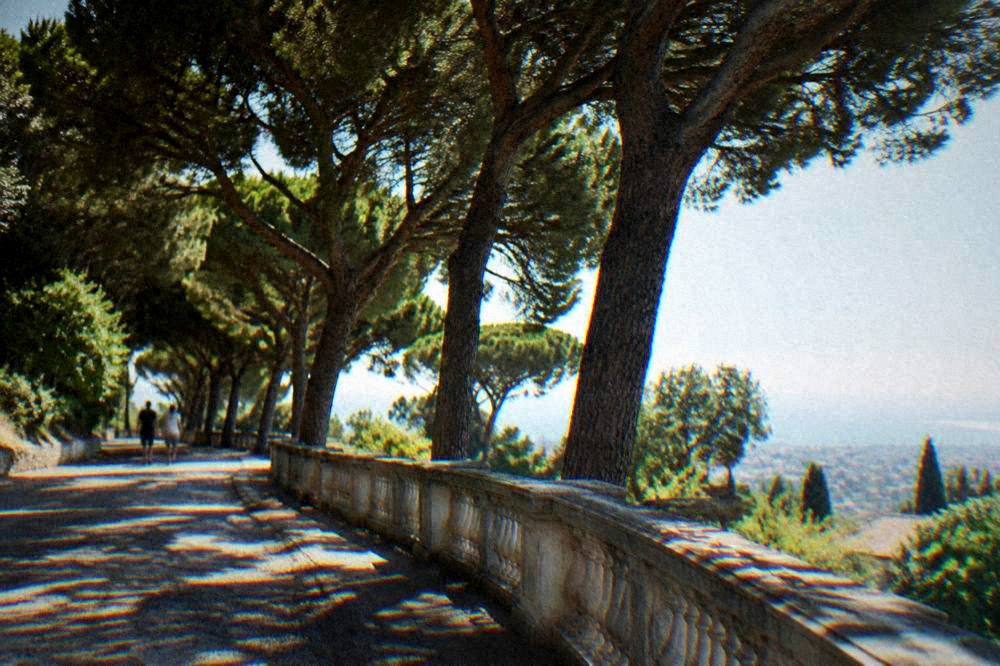
Thessaloniki's climate is Mediterranean with continental edges, and the hillside suburb feels both. Summer afternoons are hot and the shade of the pine-lined streets is the suburb's own answer; the terrace hour shifts to evening, when the 05:15 to 02:00 weekend metro hours make a late return to the centre straightforward. Autumn is gentle: October still averages a 21.2 C mean high, and the light across the gulf in late afternoon is the reason photographers climb. Winter is quiet and cold at night, with December carrying the year's highest monthly rainfall in the station record at 55.1 mm.
The climate table below is the weather-station record, HNMS Thessaloniki Mikra station, 1959 to 2010, and gives the monthly means for planning.
| Month | Mean high C | Mean low C | Rain mm |
|---|---|---|---|
| January | 9.3 | 1.5 | 37.7 |
| February | 11.0 | 2.3 | 35.0 |
| March | 14.3 | 4.7 | 37.9 |
| April | 19.1 | 7.9 | 36.1 |
| May | 24.6 | 12.6 | 44.2 |
| June | 29.4 | 17.0 | 29.8 |
| July | 31.7 | 19.3 | 23.8 |
| August | 31.4 | 19.1 | 19.3 |
| September | 27.1 | 15.4 | 29.8 |
| October | 21.2 | 11.3 | 43.0 |
| November | 15.5 | 7.1 | 52.8 |
| December | 10.9 | 3.2 | 55.1 |
One event tie-in is worth knowing. The city's calendar runs through autumn, with the Dimitria festival reported for 1 to 26 October 2026 and the 67th Thessaloniki International Film Festival dated 5 to 15 November 2026, so an October or November visit can pair a Panorama sunset with an evening screening back down the hill. Confirm festival programmes before travelling, as details change year to year.
How Does Panorama Fit Into A Day In Thessaloniki?
Panorama works best as the late-afternoon or sunset chapter of a day spent in the flat city centre, reached after the main sights, the markets and the seafront promenade, and closed with a trigono and a coffee on a terrace before the downhill ride back. It is a two-hour stop, not a half-day district, and it pairs naturally with Kalamaria on the way up.
A practical shape for the day looks like this. Morning in the city centre: Aristotelous Square, the Roman and Byzantine core, the Church of Saint Demetrius or the Museum of Byzantine Culture, with museum hours of 08:00 to 20:00 daily in summer for the Byzantine museum per its visiting page. Midday in the markets, Kapani Market or the Modiano halls, or lunch in Ladadika. Afternoon along the Nea Paralia promenade, which is a walking waterfront, not a swimming beach; swimming is at Perea on the other side of the bay, about 28 minutes by road. Then uphill to Panorama for the view and the pastry as the light drops.
Guided options cover the city part of that day well. The hop-on hop-off sightseeing bus loops the headline sights and is a reasonable way to see the flat city before or after the climb; check availability for the current schedule. The Thessaloniki walking tour pages cover guided options on foot in the centre.
For travellers who want the heights with a guide rather than alone, the old town walking tour covering Ano Poli's mythology and botany is the natural companion to Panorama, one height guided, one explored independently.
| Time of day | Place | What to do |
|---|---|---|
| Morning | City centre | Square, Roman and Byzantine sights, a museum |
| Midday | Markets and Ladadika | Market wander, long lunch |
| Afternoon | Nea Paralia | Seafront walk east from the White Tower |
| Late afternoon | Panorama | Terrace, view, trigona, sunset over the gulf |
| Evening | Back downhill | Dinner in the centre, or a festival screening in season |
Where Can You Stay Near Panorama In Thessaloniki?
No hotel names stand out for Panorama or its neighbouring districts; the suburb itself is residential, and stays near it are best chosen from the city centre, Kalamaria or the Ladadika side using the main where-to-stay guidance, with one certainty worth knowing: Greek accommodation collects a climate resilience fee per room per night, higher from April to October, paid at the property.
The fee is the practical detail that surprises guests at check-out. It is charged by the accommodation, per room per night, and the rates are set higher in the April to October period than in winter; the specific per-star rates are not listed on this page, so ask the property when booking. Beyond that, the choice of base for a Panorama visit is a trade between the flat centre's walkability and the southeastern suburbs' proximity to the hillside. The main things to do in Thessaloniki roundup and the city-centre and Kalamaria pages on this site cover the geography of that choice in detail.
Staying in Panorama itself is possible, since the suburb is residential rather than industrial, but the centre holds the restaurants, the promenade and the transport links, and the climb uphill each evening loses its charm for some travellers after a long day of walking. A stay near the waterfront with one planned sunset trip to Panorama is the common pattern.
Why Is Panorama Worth The Uphill Trip From Thessaloniki?
Panorama earns the trip because it combines two things the flat centre cannot supply: a genuine hillside panorama over the Thermaic Gulf with Mount Olympus on the horizon, and the home ground of the trigono, the cream-filled pastry that carries the suburb's name into bakeries across Greece. It is a short, cheap, low-effort excursion that shows the everyday residential side of Thessaloniki.
The honest framing is that Panorama is not a monument district. Thessaloniki's UNESCO-listed Paleochristian and Byzantine monuments, fifteen of them, inscribed in 1988, are all in the flat city and the old walls, and a first-time visitor with two days should see those first; the one day in Thessaloniki and longer itineraries on this site lay out that order. Panorama is the reward after the syllabus, a pastry and a sunset that belong to the city without belonging to any guidebook checklist.
That is also why the suburb suits repeat visitors and food-led travellers so well. A second or third trip to Thessaloniki runs out of new major sights before it runs out of appetite, and Panorama, with its terrace culture and its famous sweet, is precisely the kind of place that fills a spare afternoon. Take transport up through Kalamaria, order a trigono cold from a counter, find a terrace facing the water and let the city show itself from the height that gave the suburb its name.
Common Questions About Panorama Thessaloniki
What is Panorama Thessaloniki known for?
Panorama is known for trigona, the triangular cream-filled pastries that carry the suburb's name, and for its hillside views over the Thermaic Gulf toward the city skyline and Mount Olympus on clear days.
How far is Panorama from Thessaloniki city centre?
Panorama sits roughly twenty minutes by road southeast of Aristotelous Square, uphill from the neighbouring district of Kalamaria. Confirm bus connections locally.
Does the Thessaloniki metro go to Panorama?
No. The metro's Line 1 and its Kalamaria extension, inaugurated 27 August 2026, serve the neighbouring district of Kalamaria, not Panorama itself, so the last leg to the suburb is by bus, taxi or foot.
What is a trigono?
A trigono is a crisp triangular pastry filled with cream and served cold. It is associated with Panorama to the point that the sweet is sold across Greece under the suburb's name.
Can you see Mount Olympus from Panorama?
On clear days, yes. The mountain's profile sits on the southwestern horizon across the Thermaic Gulf. The mountain itself, with the Prionia trailhead about 86 minutes by road from Aristotelous Square, is a separate day trip.
Is Panorama a good place to stay in Thessaloniki?
Panorama is residential and quiet, and this site prints no hotel names for it. A common pattern is to stay near the waterfront in the centre and make one evening trip uphill for the view and the pastry.