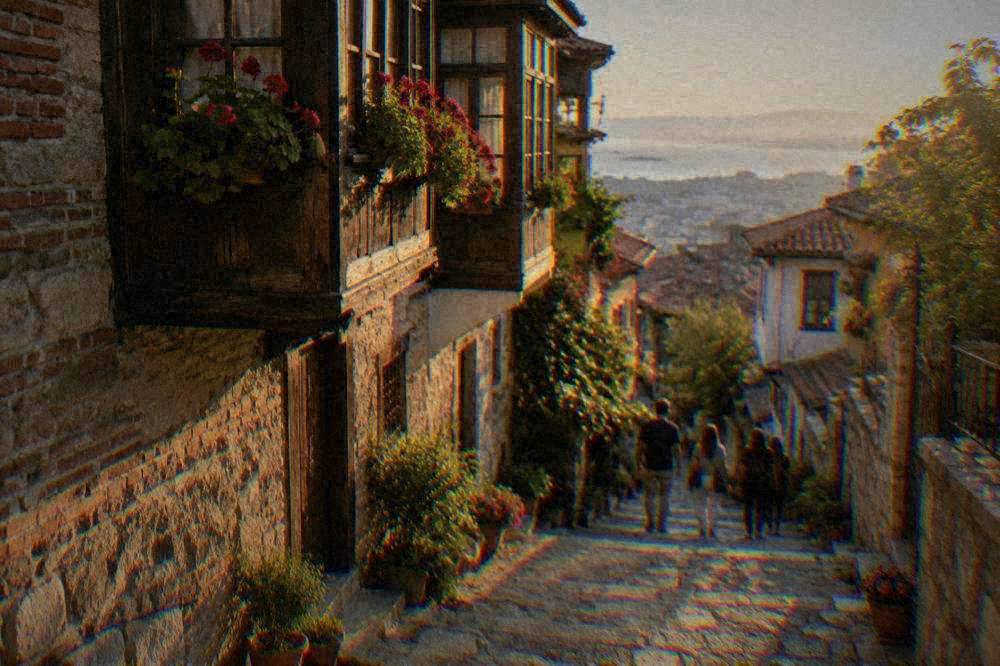
Agios Nikolaos Orfanos: Frescoes Behind The City Walls
Agios Nikolaos Orfanos is a Byzantine church in Ano Poli, Thessaloniki's old upper town, and one of the fifteen monuments inscribed on the UNESCO World Heritage List in 1988. This guide covers where it is, what its frescoes show, how visiting works and how to fold it into a wider Thessaloniki itinerary.
Short answer
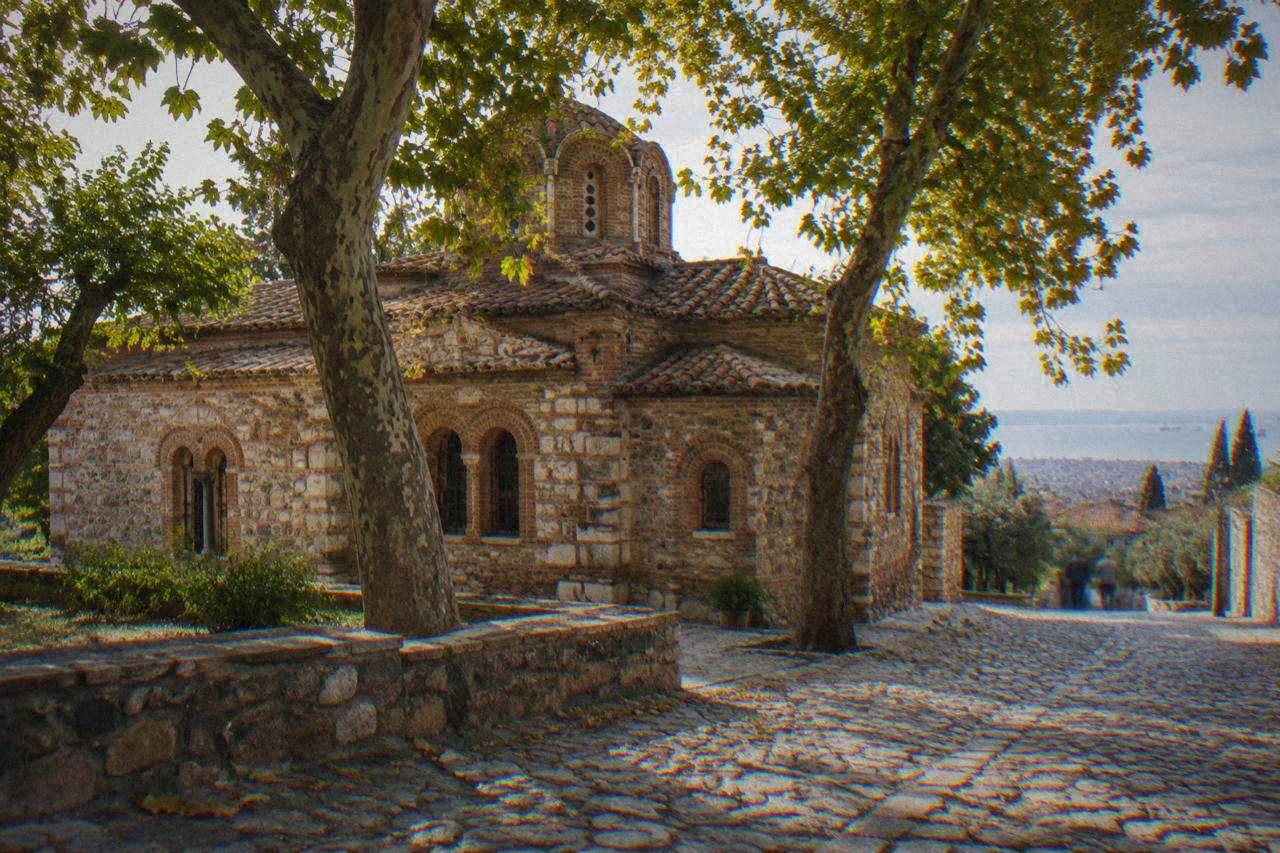
Agios Nikolaos Orfanos is a UNESCO-listed Byzantine church in Thessaloniki's Ano Poli, reached on foot from the city centre in under half an hour uphill. It is a working church, free to enter outside services, and it is best combined with the Vlatadon Monastery, the Trigoniou Tower and the Heptapyrgion along the walls.
Agios Nikolaos Orfanos is one of the fifteen Paleochristian and Byzantine monuments of Thessaloniki inscribed on the UNESCO World Heritage List in 1988, and it hides in plain sight. The church stands in Ano Poli, the old upper town that climbs from the modern grid toward the Byzantine walls, in a lane where package tours rarely wander. Unlike the White Tower on the seafront or the Arch of Galerius on Egnatia, it asks nothing of a visitor: no ticket desk, no queue, just a small stone building whose interior walls carry one of the fullest Byzantine fresco cycles in the city.
What Is Agios Nikolaos Orfanos In Thessaloniki?
Agios Nikolaos Orfanos is a Byzantine church in Ano Poli, Thessaloniki's old upper town, and one of the fifteen Paleochristian and Byzantine monuments the city holds under its 1988 UNESCO World Heritage inscription. It is a functioning Orthodox church rather than a ticketed museum: entry is free, and access follows the rhythm of services rather than a museum timetable. Its interior preserves an extensive fresco cycle, which is the reason it stands on the list at all.
Thessaloniki's UNESCO inscription covers fifteen Early Christian and Byzantine monuments, from the Rotunda and the Arch of Galerius at the bottom of the modern city to a band of churches that climbs through Ano Poli toward the walls. Agios Nikolaos Orfanos belongs to that upper group, alongside the Vlatadon Monastery, the Church of Saint Demetrius lower down, Hagia Sophia, Panagia Acheiropoietos and Hosios David. The inscription, made in 1988, recognises the city as a living sequence of Early Christian and Byzantine architecture unmatched in concentration elsewhere.
What makes this church count is its painted interior. The walls and vaults carry a dense narrative cycle of frescoes, a survival that many Thessaloniki churches cannot claim, since fire, earthquake and rebuilding repeatedly stripped the others back. The 1917 Great Fire devastated the centre and damaged Hagia Sophia and the Church of Saint Demetrius; the 1978 earthquake added its own toll across the city. A modest parish church high above the centre, wrapped in the walls' protection, kept its paintings.
Treat it as a quiet counterweight to the big museums. The Archaeological Museum and the Museum of Byzantine Culture hold the excavated objects, the mosaics and the display cases, while Agios Nikolaos Orfanos is the object itself: an intact painted space still doing the job it was built for. That distinction, museum versus living church, shapes everything practical about a visit, from opening patterns to etiquette.
Where Is Agios Nikolaos Orfanos And How Do You Get There?
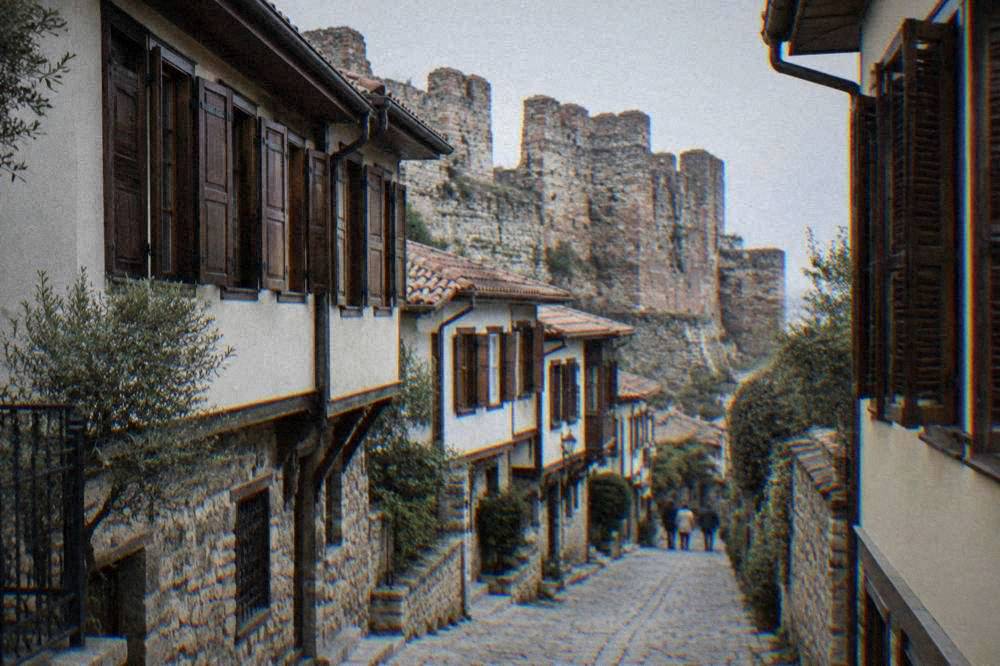
Agios Nikolaos Orfanos stands in Ano Poli, the old upper town of Thessaloniki, in the lanes between the Church of Saint Demetrius area and the Byzantine walls, a stiff uphill walk from Aristotelous Square. There is no metro station at the church itself; the practical route combines the metro or a bus to the lower city with a walk up through the upper town's sloping streets.
Ano Poli is the only part of central Thessaloniki that survived the 1917 Great Fire with its historic fabric largely intact, which is why its lanes feel like a different city from the grid below. The walk up from the centre passes the Church of Saint Demetrius, the city's patron saint church, and continues through streets that narrow and climb until the walls appear overhead. Sensible shoes matter more than timing: the gradients are real, and the stone can be slick after rain.
For orientation, the useful anchors are the Trigoniou Tower on the wall's crest and the Vlatadon Monastery, both covered in this site's guide to Ano Poli. The church sits in the fold of streets below them. Visitors planning the descent can loop down past the Heptapyrgion, the fortress at the walls' top that served as a prison until 1989, and come out near the Roman Forum end of the modern city.
| Route | How it works | Notes |
|---|---|---|
| On foot from Aristotelous Square | Uphill walk through the upper town lanes | Steepest option, most rewarding for the views |
| Metro Line 1 plus walk | Line 1 runs 05:15 to 00:30 Sunday to Thursday, 05:15 to 02:00 Friday and Saturday | Combine with the walk up from near the centre |
| Bus plus walk | City buses serve the edges of Ano Poli | Confirm the stop locally, routes change |
| Taxi | Drop-off near the upper town lanes | Agree the destination as Ano Poli |
The metro fare is worth knowing before the walk up. The Thessaloniki Metro's ticket page states a basic ticket of 0.60 euro, reduced 0.30 euro, and a 24-hour daily ticket at 2.50 euro, with Line 1 operating since November 2024 and the Kalamaria extension added on 27 August 2026. Nobody enjoys discovering a downhill walk is the easy half.
A guided walk can carry the history so the climb stays enjoyable. The bus-based day trip from Thessaloniki that covers the Vergina tombs, Agios Nikolaos Park and the Edessa waterfalls also starts from the city, and its operator's listing details what the day includes.
What Do The Frescoes Of Agios Nikolaos Orfanos Show?
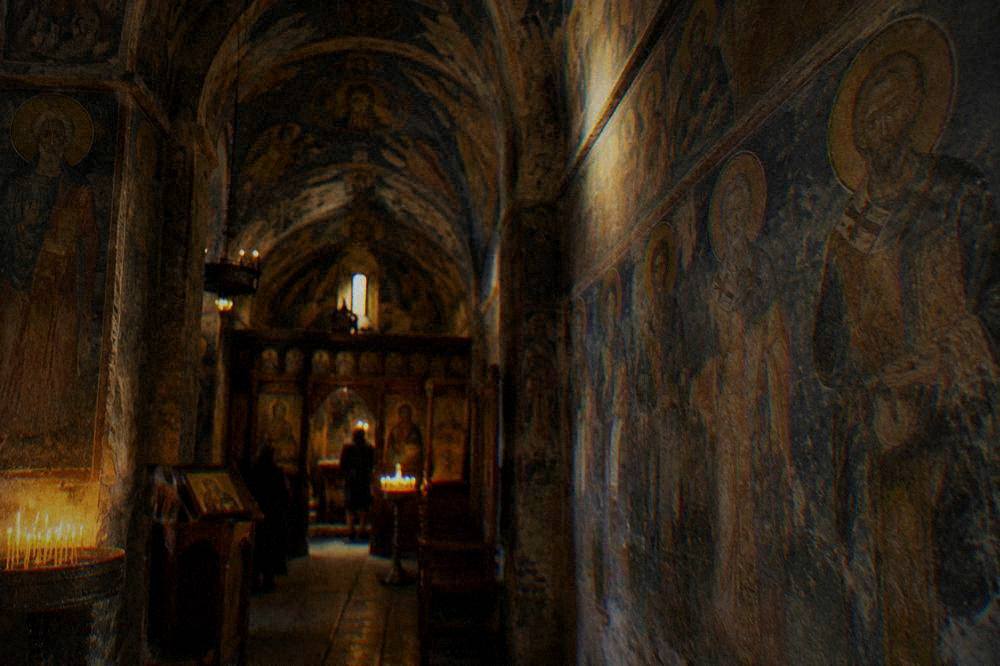
The frescoes of Agios Nikolaos Orfanos form a dense narrative cycle covering the church's walls and vaults, including scenes from the life and miracles of Saint Nicholas and rows of saints and feasts in the Byzantine painting tradition. The church's inclusion in the UNESCO inscription rests on this painted interior, one of the fullest surviving fresco ensembles among Thessaloniki's fifteen listed monuments.
The painted programme is what separates this church from a plain parish building. In the Byzantine tradition, the decoration of a church interior follows an established order: Christ in the dome or vault, the feast cycle along the walls, saints in the lower registers, and the patron saint honoured near his own chapel. Saint Nicholas, the saint the church is named for, anchors the narrative, and the miracle scenes give the cycle its storytelling spine.
No printed guide on this page attempts a scene-by-scene key, because a fresco cycle rewards standing in front of it, and the church is small enough that a slow circuit takes minutes rather than hours. Hagia Sophia and Hosios David carry celebrated mosaics, while this church carries its story in paint across nearly every surface.
Light matters. The interior is deliberately dim, and late morning, when sun angles through the windows, can make the upper registers easier to read. Photography rules in working churches are set by the church, not by a museum policy page, so ask before shooting and assume flash is never acceptable around fragile pigment.
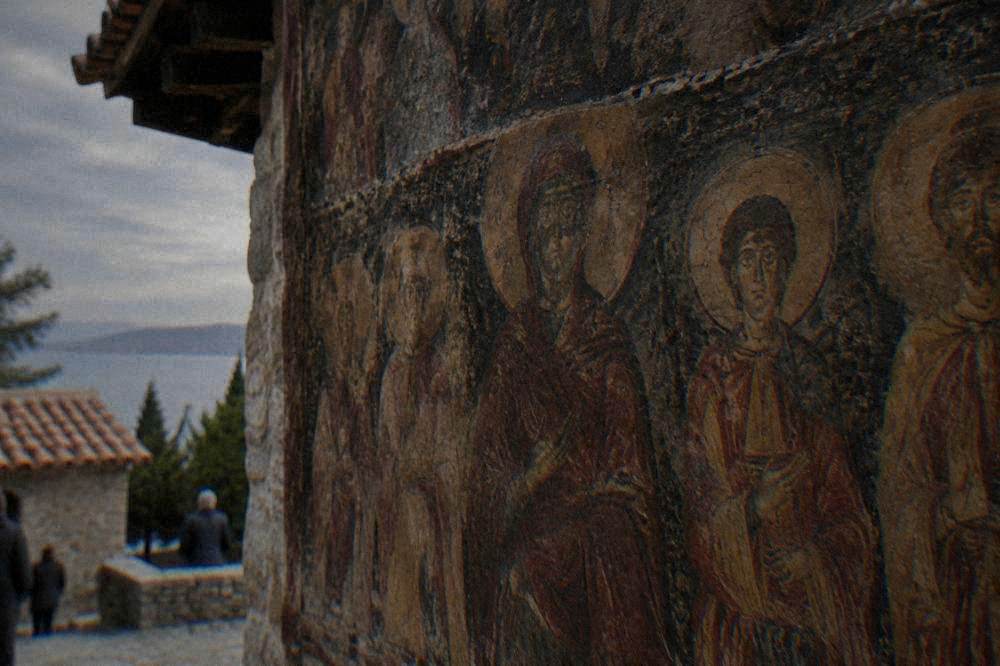
Practical etiquette follows the building's status. It is a working Orthodox church: free to enter, open outside service times, and quiet by expectation. Dress modestly, shoulders and knees covered, and step back if a service begins, because worship takes precedence over sightseeing in a space like this.
For visitors who want the deeper story of the city's Byzantine layers in one visit, the museums hold the excavated counterpart to what this church preserves in place. The Archaeological Museum and the Museum of Byzantine Culture frame the objects, and this site carries full pages on both. If a structured day out of the city appeals after the frescoes, the guided trip covering the Vergina tombs, Agios Nikolaos Park and the Edessa waterfalls runs from Thessaloniki, and live availability and cancellation terms sit on the operator's listing.
Is Agios Nikolaos Orfanos Free To Visit In Thessaloniki?
Yes, entry is free, because Agios Nikolaos Orfanos is a working Orthodox church rather than a state-ticketed museum. The state museums in Thessaloniki charge admission, with the Archaeological Museum and the Museum of Byzantine Culture at 10 euro full and 5 euro reduced and the White Tower at 8 euro and 4 euro from 1 April 2026, but churches stand outside that system.
This distinction trips up visitors who buy a museum pass and assume it covers the UNESCO churches. It does not, and it does not need to, because the churches cost nothing. The combined state-sites ticket of about 15 euro full and 8 reduced, which is reported on the state ticketing pages, covers the big museums and state sites only; confirm what it includes on the museum's own ticket page before booking.
| Site in Thessaloniki | Admission | Basis |
|---|---|---|
| Agios Nikolaos Orfanos | Free | Working church, open outside services |
| Vlatadon Monastery area churches | Free | Working churches in the same tradition |
| Archaeological Museum | 10 euro full, 5 euro reduced | The museum's own visiting page |
| Museum of Byzantine Culture | 10 euro full, 5 euro reduced | The museum's own visiting page |
| White Tower | 8 euro full, 4 euro reduced, from 1 April 2026 | The museum's visiting page |
| Arch of Galerius | Free to view | Open-air monument on Egnatia |
Free-admission days exist for the state museums, on 6 March, 18 April, 18 May, the last weekend of September and 28 October, and entry to state museums is free for EU citizens up to 25. None of that applies to a church that charges nothing on any day. The money a visitor saves here is better spent on a guided walk or a day trip, and the contrast is the point: Thessaloniki's most atmospheric Byzantine interiors cost exactly nothing to stand inside.
Should a guided structure appeal, the meteora bus trip with a local guide is one of the options that leaves from Thessaloniki and pairs a guide with monastery interiors, and the operator's live listing carries what the day covers and what it costs.
What Can You See Around Agios Nikolaos Orfanos In Ano Poli?
Around Agios Nikolaos Orfanos in Ano Poli sit the Vlatadon Monastery, also on the UNESCO list, the Trigoniou Tower on the Byzantine walls, the Heptapyrgion fortress that served as a prison until 1989, and lanes of pre-fire houses that the 1917 blaze never reached. Together they make the upper town the densest concentration of the city's UNESCO monuments outside the seafront strip.
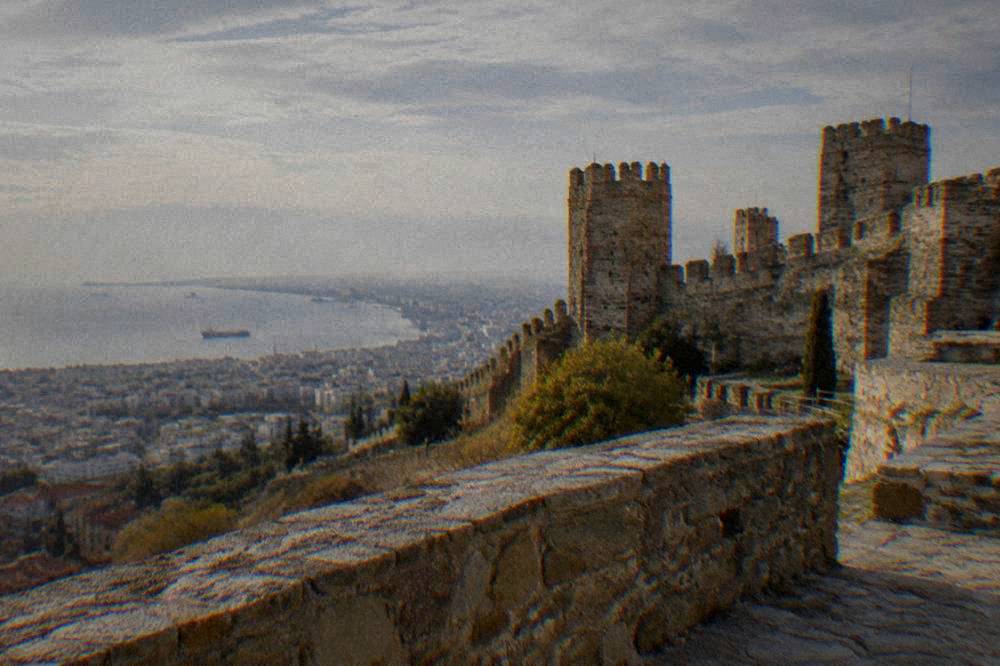
The natural walking circuit starts at the Church of Saint Demetrius, climbs past the church, reaches the walls near the Trigoniou Tower, visits the Heptapyrgion, and returns through the lanes to the modern city. The walls themselves carry Hellenistic origins, were expanded in the Byzantine era, when the circuit ran about 8 km, and about 4 km remains visible today, per the culture ministry's own monument page. Standing under them explains why the upper town survived when the centre burned.
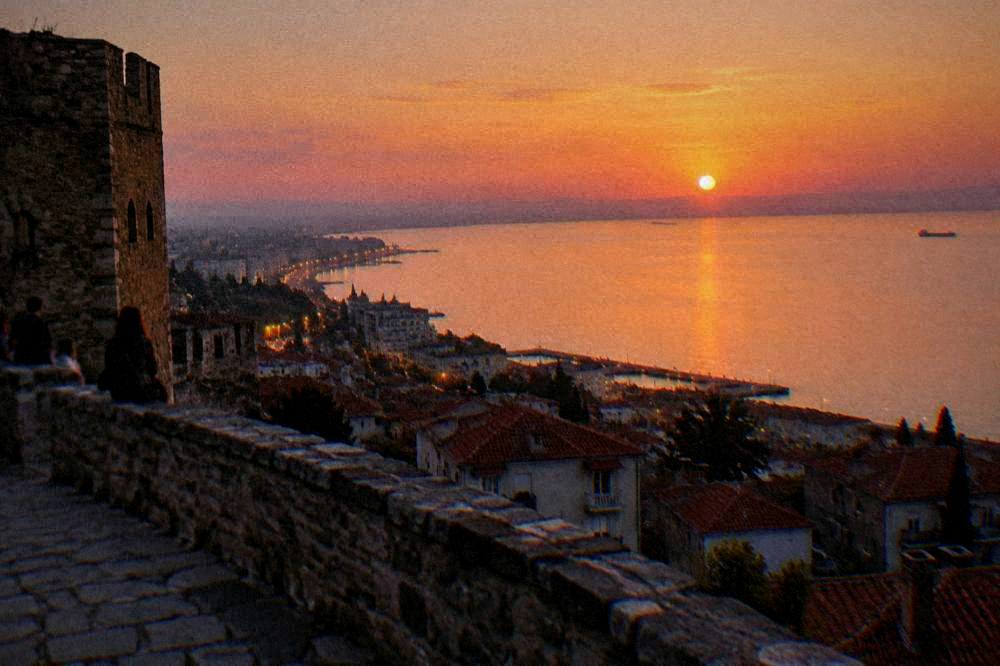
The Heptapyrgion, at the top of the slope, was converted to a prison in the late 19th century and kept that role until 1989, a history the ministry's page records plainly. Its position gives the widest view over the city and the Thermaic Gulf, on clear days reaching toward the Olympus massif across the water.
| Ano Poli sight | What it is | Why it pairs with the church |
|---|---|---|
| Vlatadon Monastery | UNESCO-listed monastery by the walls | Same upper-town cluster, minutes away |
| Trigoniou Tower | Tower on the Byzantine walls | Landmark for orientation on the climb |
| Heptapyrgion | Fortress, a prison until 1989 | Best view over the city and gulf |
| Church of Saint Demetrius | City patron's church, UNESCO list | Start or end point of the uphill walk |
| Pre-fire lanes | Houses the 1917 fire never reached | The oldest surviving street fabric in the city |
Check the Heptapyrgion's current admission and hours on site or at the tourist information centre before counting on an interior visit. And the Nea Paralia at the bottom of the city is a promenade, not a beach: after a hot climb, the sea is for looking at from the walls, and swimming belongs to Perea, about 28 minutes away by road.
For the wider picture of the upper town's lanes, viewpoints and timings, the site's Ano Poli guide carries the neighbourhood in full, and the overview page for things to do in Thessaloniki places the upper town among the city's other districts.
How Does Agios Nikolaos Orfanos Compare With Thessaloniki's Other Byzantine Churches?
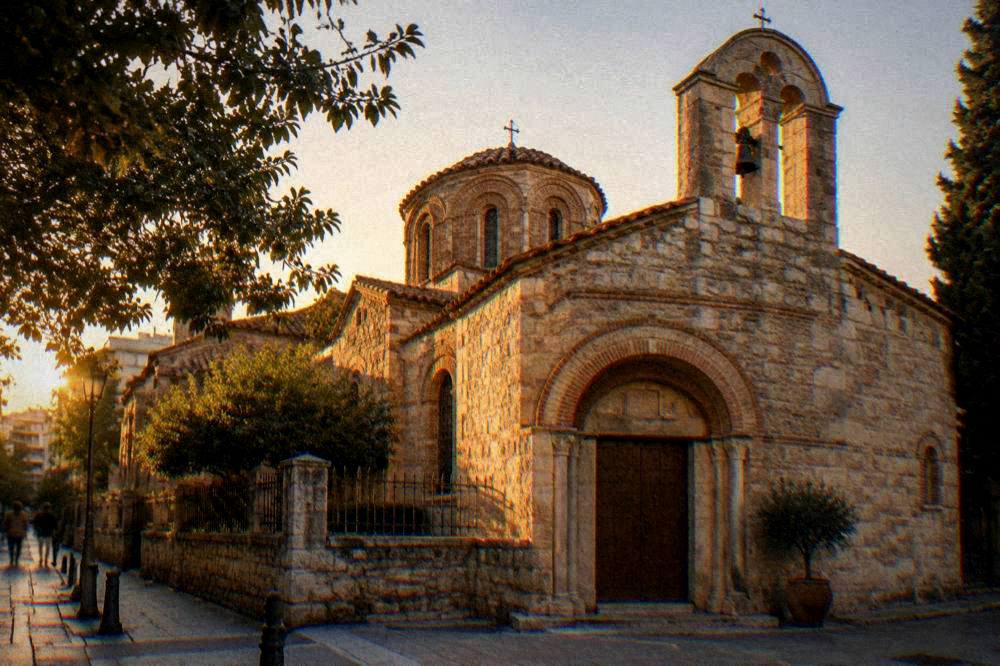
Agios Nikolaos Orfanos is one of several UNESCO-listed Byzantine churches in Thessaloniki, and its distinguishing feature is the completeness of its fresco cycle, where Hagia Sophia is known for its mosaics, Panagia Acheiropoietos for its architecture and the Church of Saint Demetrius for its scale and crypt. All are working churches with free entry, so the choice between them is about which interiors and which neighbourhoods, not about tickets.
The city's fifteen UNESCO monuments spread from the waterfront to the walls, and a visitor with two or three hours can see a handful of them on foot. The lower group, Hagia Sophia, Panagia Acheiropoietos and the Church of Saint Demetrius, sits within the modern grid near the centre. The upper group, this church and the Vlatadon Monastery, belongs to Ano Poli. Hosios David, with its celebrated mosaic, bridges the two zones.
| Church | Area | Known for | Admission |
|---|---|---|---|
| Agios Nikolaos Orfanos | Ano Poli | Full fresco cycle, UNESCO list | Free |
| Hagia Sophia | City centre | Mosaics, UNESCO list | Free |
| Church of Saint Demetrius | Near centre | Scale, crypt, patron saint | Free |
| Panagia Acheiropoietos | City centre | Early Christian architecture | Free |
| Hosios David | Upper edge | Mosaic, UNESCO list | Free |
| Vlatadon Monastery | By the walls | Monastery setting, UNESCO list | Free |
A useful sequencing rule: put the museums before the churches, or after them, but not in between. The Museum of Byzantine Culture's daily 08:00 to 20:00 summer hours and the Archaeological Museum's 09:00 to 17:00 pattern, closed Tuesday from 1 November to 31 March, are fixed timetables, while the churches move with services. Flexibility goes to the churches, structure to the museums.
The site carries dedicated pages for Hagia Sophia, the Church of Saint Demetrius, Panagia Acheiropoietos and the Vlatadon Monastery for readers planning the full UNESCO set.
Can You Combine The Church With Day Trips From Thessaloniki?
Agios Nikolaos Orfanos fits a Thessaloniki trip easily alongside the classic day trips, because the church itself takes under an hour while the region's headline destinations, Vergina at about 62 minutes by road, Pella at about 43, Dion at about 67 and Meteora at about 154 minutes, each consume a full day or half of one. The pattern that works is one upper-town day in the city, then a day out.
The drive times below are computed free-flow road distances from Aristotelous Square, with no traffic or stops, so read them as best-case planning figures.
| Day trip destination | Road distance from Aristotelous Square | About by road, free flow |
|---|---|---|
| Pella | 45.7 km | 43 minutes |
| Vergina (Aigai) | 68.0 km | 62 minutes |
| Dion | 90.1 km | 67 minutes |
| Edessa waterfalls | 90.3 km | 82 minutes |
| Kassandra (Kallithea) | 86.2 km | 78 minutes |
| Meteora (Kalambaka) | 227.5 km | 154 minutes |
The church has a second, geographic claim on the region: the name Agios Nikolaos also marks a park near Naoussa in the vine country west of the city, which is a stop on at least one guided day trip from Thessaloniki that combines the Vergina royal tombs, the park and the Edessa waterfalls. That is a different Agios Nikolaos entirely, a green outside Naoussa rather than the painted church in Ano Poli, and travellers who book the trip should expect Macedonia's countryside and antiquities, not Thessaloniki's upper town. The site's page on Naoussa covers that wine region in detail.
Meteora deserves its own warning, because the file is blunt about it: Kalambaka is about 228 km away, roughly 2 hours 34 minutes of free-flow driving each way, and it is a full-day proposition, never a half-day add-on. Per-monastery prices and each monastery's weekly closing day are reported on monastery sites rather than confirmed in the sources this site prints, so check the current price and hours on the official pages before you go.
The Kassandra peninsula is the sea option, and a private beaches tour from Thessaloniki is one structured way to reach it. Check availability on the operator's live listing if a beach day after a fresco day sounds like the right rhythm.
When Is The Best Time To Visit Agios Nikolaos Orfanos And Ano Poli?
The most comfortable months to walk Ano Poli and visit Agios Nikolaos Orfanos are April, May, October and into early November, when the HNMS Thessaloniki Mikra station record for 1959 to 2010 shows mean highs of 19.1 C in April, 24.6 C in May and 21.2 C in October, against July's 31.7 C that makes the uphill lanes punishing at midday. The church itself is visitable year round, since it is enclosed and free.
The climate record is a weather-station mean, not a forecast, and it rewards reading in full. Winter is real here: January's mean low sits at 1.5 C, and December carries the highest monthly rainfall total at 55.1 mm, with November close behind at 52.8 mm. Summer is dry and hot, with August the lowest rainfall month at 19.3 mm and July the highest mean daily high at 31.7 C.
| Month | Mean high C | Mean low C | Rain mm |
|---|---|---|---|
| April | 19.1 | 7.9 | 36.1 |
| May | 24.6 | 12.6 | 44.2 |
| June | 29.4 | 17.0 | 29.8 |
| July | 31.7 | 19.3 | 23.8 |
| August | 31.4 | 19.1 | 19.3 |
| September | 27.1 | 15.4 | 29.8 |
| October | 21.2 | 11.3 | 43.0 |
Figures are from the HNMS Thessaloniki Mikra station, 1959 to 2010. In summer, walk the upper town in the early morning, when the frescoes' dim interior also comes as relief, and save the seafront for the afternoon. In October, the city's calendar helps: the Dimitria festival ran 1 to 26 October in its 2026 edition, Saint Demetrius day falls on 26 October, and the Film Festival filled 5 to 15 November in 2026, so an autumn visit pairs the climb with a full cultural programme.
Common Questions About Agios Nikolaos Orfanos In Thessaloniki
Is Agios Nikolaos Orfanos in Thessaloniki free to enter?
Yes. It is a working Orthodox church, entry is free, and access follows service times rather than a museum timetable. Dress modestly and keep voices low.
Is Agios Nikolaos Orfanos part of the UNESCO World Heritage List?
Yes. It is one of the fifteen Paleochristian and Byzantine monuments of Thessaloniki inscribed on the UNESCO World Heritage List in 1988.
Where is Agios Nikolaos Orfanos located?
In Ano Poli, Thessaloniki's old upper town, in the lanes below the Byzantine walls near the Trigoniou Tower and the Vlatadon Monastery, an uphill walk from Aristotelous Square.
How long does a visit to Agios Nikolaos Orfanos take?
The church is small, and a slow circuit of the frescoes takes well under an hour. Plan the surrounding Ano Poli walk, the walls and the Heptapyrgion as the real time cost, typically half a morning or afternoon.
Can you take photographs inside Agios Nikolaos Orfanos?
Ask before photographing and assume flash is never acceptable around fragile frescoes.
Is there a different Agios Nikolaos near Naoussa?
Yes. Agios Nikolaos Park near Naoussa, a green in the wine country east of Thessaloniki, is a stop on some guided day trips and has no connection to the Ano Poli church beyond the shared saint's name.
Agios Nikolaos Orfanos rewards the traveller who climbs for it: a free, working, UNESCO-listed painted church in the one district of Thessaloniki that survived the 1917 Great Fire with its lanes standing, and a calm hour inside walls that carry the city's Byzantine story in full colour.