Three Days In Thessaloniki With A Day Out
Three days is enough for Thessaloniki's seafront, Roman remains and Byzantine churches, plus one day trip into Central Macedonia.
Short answer
Spend day one on the Nea Paralia and the White Tower, day two on the UNESCO churches and Ano Poli, and day three on a day trip: Vergina and Pella for ancient Macedonia, or Meteora for the monasteries.
Thessaloniki, the second city of Greece, sits on the Thermaic Gulf in Central Macedonia, and three days is the comfortable span for it: one day for the seafront and the Roman centre, one for the Byzantine churches and the upper town of Ano Poli, and one for a day trip out to Vergina, Pella, Dion or Meteora. The city keeps fifteen Paleochristian and Byzantine monuments on the UNESCO World Heritage List, inscribed in 1988, alongside a Roman Galerian complex, a seafront promenade, the Nea Paralia, and a metro that has been open since November 2024. This page lays out a day-by-day plan built only on published opening hours, ticket prices and computed drive times, so the schedule holds together on the ground.
What Can You Realistically See In Thessaloniki In Three Days?
Three days covers the whole walkable historic centre of Thessaloniki, its two principal museums, the UNESCO church circuit, the Ano Poli upper town and one full day trip, without rushing anything: the sights cluster between the seafront promenade and the Byzantine walls, and the metro's Line 1 plus a day-trip bus or tour handles everything beyond. The division that works is thematic: seafront and Roman remains on day one, Byzantine monuments and the upper town on day two, and Central Macedonia on day three. Two of the three big state museums close on Tuesday in winter, the Archaeological Museum from 1 November to 31 March and the Museum of Byzantine Culture on the same winter pattern, so a winter trip should place museum days carefully.
The city was founded in 315 BC by Cassander and named for his wife Thessalonike, and its layers stack vertically: Roman Rotunda and Arch of Galerius near the modern centre, the Byzantine churches in between, the Ottoman-era Ano Poli above, and the 1917 Great Fire reconstruction around Aristotelous Square. The 1978 earthquake damaged several monuments; the Heptapyrgion fortress was still a prison until 1989. For a shorter stay, the one day in Thessaloniki and two days in Thessaloniki plans compress the same material.
A reasonable question to settle first is whether three days is even the right number. The answer on trip length is that two days works for the city alone; the third day is what turns a city break into a northern Greece trip.
How Should You Spend Day One In Central Thessaloniki?
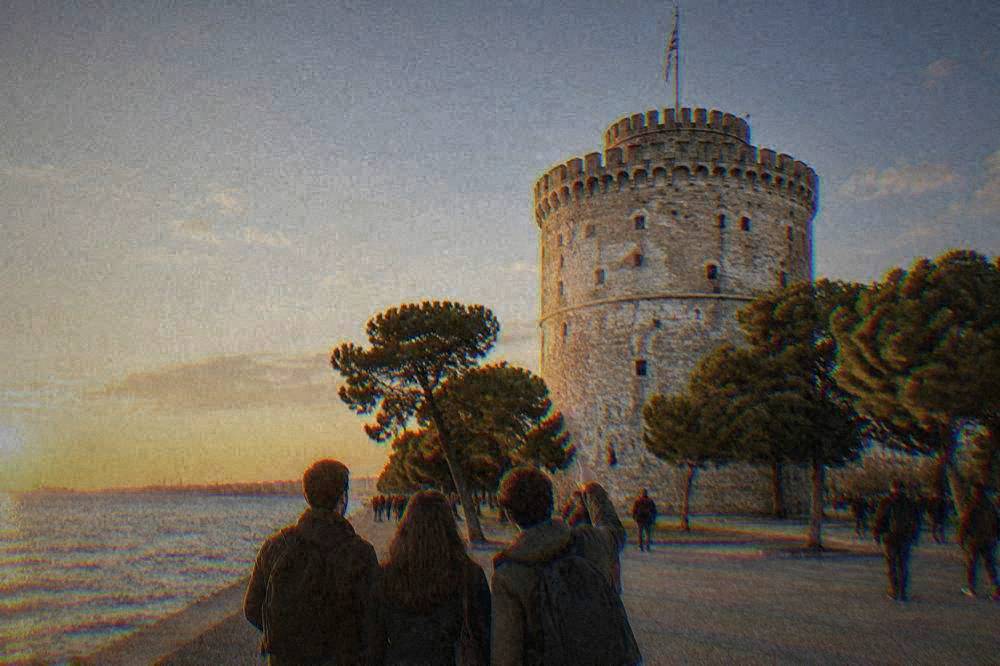
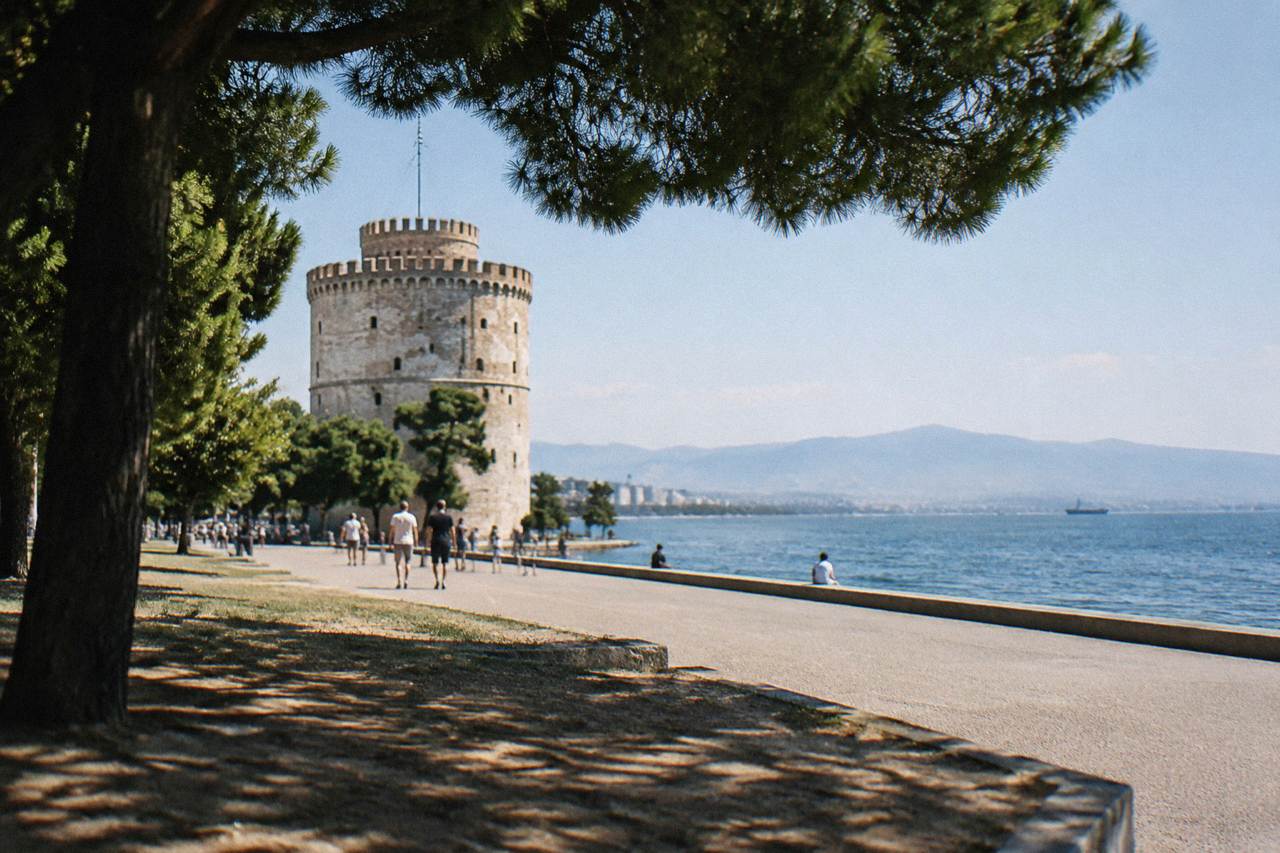
Day one belongs to the seafront and the Roman core: start at the White Tower when it opens at 08:00 in summer, walk the Nea Paralia promenade, then cut inland to the Arch of Galerius, the Rotunda and the Roman Agora, ending at Aristotelous Square and the Ladadika district, all within a two-kilometre walking line. The White Tower is open daily 08:00 to 21:00 from 1 April to 31 October and 08:30 to 15:30 in winter, with entry stopping 20 minutes before closing, and costs 8 euro full, 4 euro reduced under the prices in force from 1 April 2026. Do the tower early: the evening queue on the seafront is the longer one.
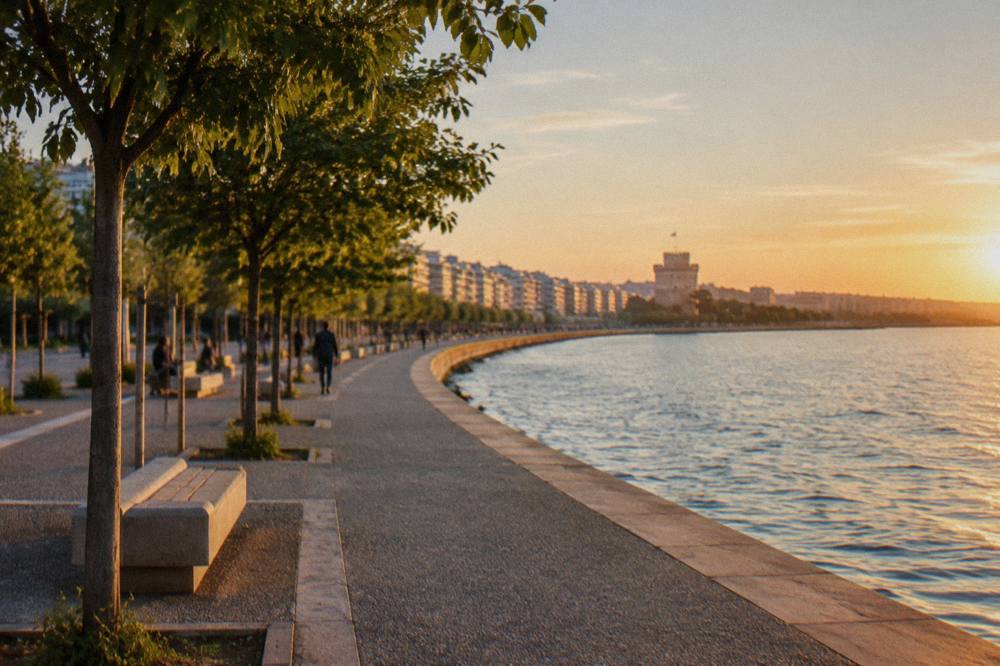
The Nea Paralia is a promenade, not a beach: it runs along the Thermaic Gulf as a landscaped walking and cycling waterfront, and swimming is done further out at Perea, about 28 minutes by road, or Epanomi. Walk it for the view back toward the White Tower and the port, then turn uphill. The Arch of Galerius is a free, open-air monument on Egnatia street; the Rotunda stands a short walk north. For the Rotunda's current ticket, check the price on the official ticket page before you go, because the desk holds no confirmed 2026 figure for it.
Afternoon options split by interest. The Archaeological Museum of Thessaloniki is open 09:00 to 17:00 daily from 1 April to 31 October, and 09:00 to 17:00 closed Tuesday from 1 November to 31 March, at 10 euro full and 5 euro reduced. The Church of Saint Demetrius, the city's patron saint whose name day falls on 26 October, is a working church and free to enter outside services. Finish at Aristotelous Square, laid out under the post-fire reconstruction plan, facing the gulf.
A guided walk compresses day one efficiently. The Best of Thessaloniki: Tour by Local pairs the headline sights with a local's commentary, and the desk's featured pick for this itinerary is that tour:
The two companions below suit the same first-day ground:
| Day one stop | Detail |
|---|---|
| White Tower | 8 euro full, 4 euro reduced; daily 08:00 to 21:00 summer, 08:30 to 15:30 winter |
| Nea Paralia | Promenade, free, no swimming; Perea beach about 28 minutes by road |
| Arch of Galerius | Open-air monument on Egnatia, free to view |
| Rotunda | Hours around 08:00 to 20:00 in summer; confirm the current ticket price before visiting |
| Archaeological Museum | 10 euro full, 5 euro reduced; 09:00 to 17:00, closed Tuesday from 1 November to 31 March |
| Church of Saint Demetrius | Working church, free entry outside services |
What Should Day Two Cover In Byzantine Thessaloniki And Ano Poli?
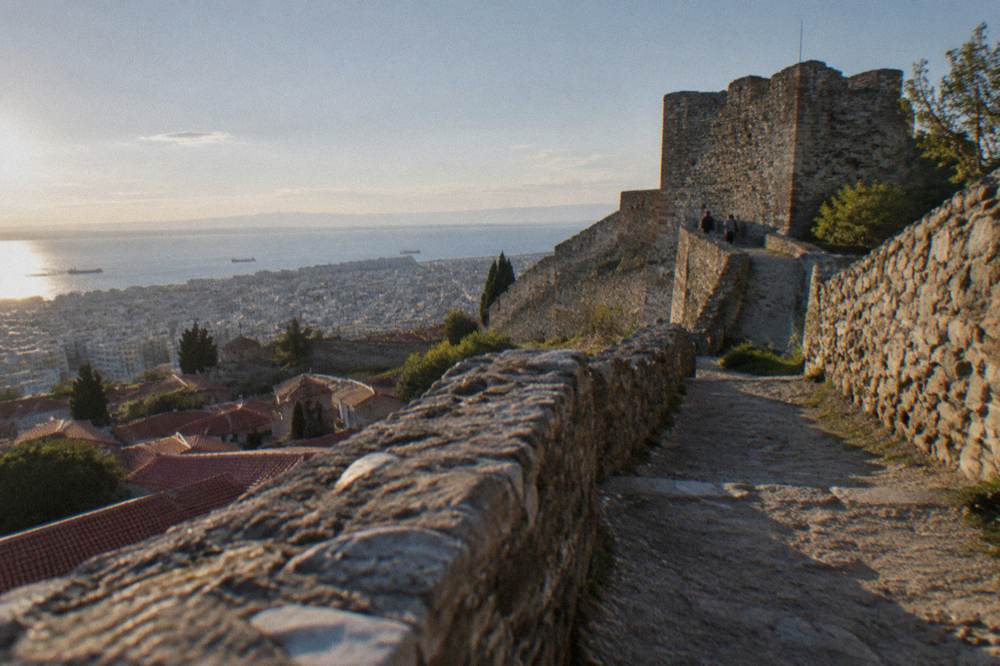
Day two climbs from the Museum of Byzantine Culture on the seafront road up through the UNESCO church circuit, Hagia Sophia, Panagia Acheiropoietos, Hosios David, to the walled upper town of Ano Poli and the Heptapyrgion fortress, a walking day of about four kilometres with one steep quarter at the top. The Museum of Byzantine Culture is open daily 08:00 to 20:00 in summer and Monday, Wednesday to Sunday 08:30 to 15:30 in winter, closed Tuesday from 1 November to 31 March, at 10 euro full and 5 euro reduced. Its galleries explain exactly what the fifteen UNESCO monuments are, so it earns its place before the churches.
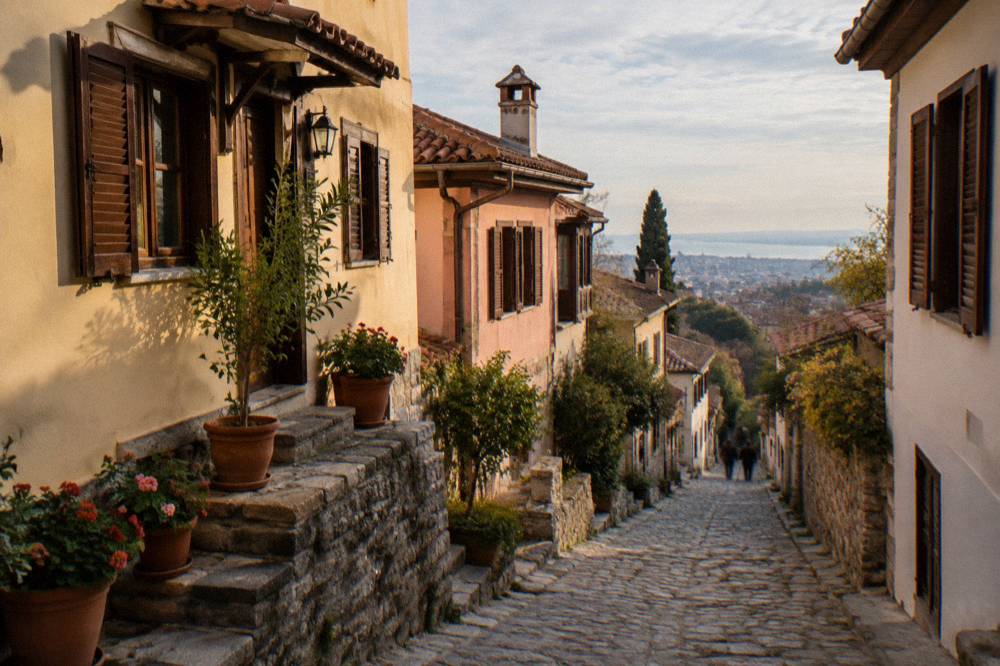
Above the museum, the churches are free, working places of worship, open outside service times. Hagia Sophia and the Church of Saint Demetrius are the two headline names; both were damaged in the Great Fire of 1917 and restored. The Byzantine churches guide covers the full circuit. From the churches, the streets narrow into Ano Poli, the old upper town inside the Byzantine walls, where the Heptapyrgion fortress sits at the top. The fortress was used as a prison until 1989; for its current ticket, check the official page before you go.
The walk down rewards with the best rooftop view over the city and the gulf, and the descent lands near the Vlatadon Monastery, one of the UNESCO fifteen. In the afternoon, the Modiano Market and Kapani Market halls sit between the centre and the port, and the Ladadika district, the old warehouse quarter, covers the evening. For deeper background on the districts, see the Ano Poli guide and the Ladadika guide.
A themed walk suits this second day well:
If day two lands on a rainy stretch, the rainy-day itinerary substitutes the museums for the open-air monuments.
Should you let a guide take one of the two city days?
| Day two stop | Detail |
|---|---|
| Museum of Byzantine Culture | 10 euro full, 5 euro reduced; daily 08:00 to 20:00 summer, 08:30 to 15:30 winter, Tuesday closed in winter |
| Hagia Sophia | UNESCO monument, working church, free outside services |
| Church of Saint Demetrius | UNESCO monument, damaged in the 1917 fire, free entry |
| Heptapyrgion | Fortress, prison until 1989; confirm ticket price before visiting |
| Ano Poli | Old upper town inside the Byzantine walls |
| Modiano and Kapani Markets | Central market halls, confirm individual stall hours locally |
Where Should Day Three Take You Outside Thessaloniki?
Day three should leave the city for one of four realistic day trips: Vergina and Pella for the royal archaeology of ancient Macedonia at about 62 and 43 minutes by road, Dion and Mount Olympus at about 67 minutes, or Meteora, which is about 228 km and roughly two and a half hours each way and needs the whole day. The drive times are computed free-flow road distances from Aristotelous Square, so add time for traffic, parking and stops. The Alexander the Great sites guide explains what Vergina and Pella hold: the Museum of the Royal Tombs of Aigai at Vergina and the archaeology of Pella, the birthplace city of Alexander.
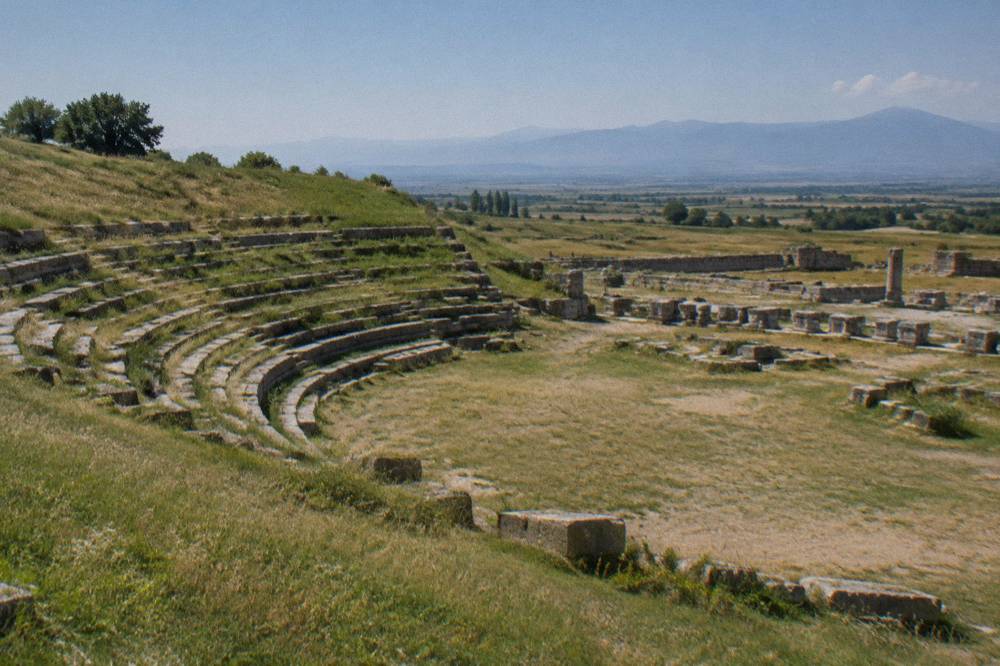
Vergina's ticket is reported at 20 euro full and 10 euro reduced per the museum's own site, covering the central museum building, the Royal Tombs display and the wider site; treat the figure as reported and confirm before you go. The Pella museum is reported at 10 euro with a combined site ticket at 15 euro. The Vergina guide and Pella guide hold the details. A combined Vergina and Pella tour is the smoothest way to do both in one day, since the sites sit in opposite directions from each other:
Meteora is the other candidate, but plan it honestly: Kalambaka is about 228 km from Aristotelous Square, about 2 hours 34 minutes free-flow each way, and the monasteries each close one weekday. Entry is reported at 5 euro per monastery, cash only, with no combined ticket, per the monasteries' own published information; confirm before you go. The Meteora day trip guide covers the choice in full.
| Day trip | Road distance from Aristotelous Square | Free-flow time |
|---|---|---|
| Pella | 45.7 km | about 43 minutes |
| Vergina | 68.0 km | about 62 minutes |
| Dion | 90.1 km | about 67 minutes |
| Litochoro, Mount Olympus | 90.7 km | about 67 minutes |
| Edessa waterfalls | 90.3 km | about 82 minutes |
| Kassandra, Kallithea | 86.2 km | about 78 minutes |
| Sithonia, Nikiti | 97.2 km | about 96 minutes |
| Meteora, Kalambaka | 227.5 km | about 154 minutes |
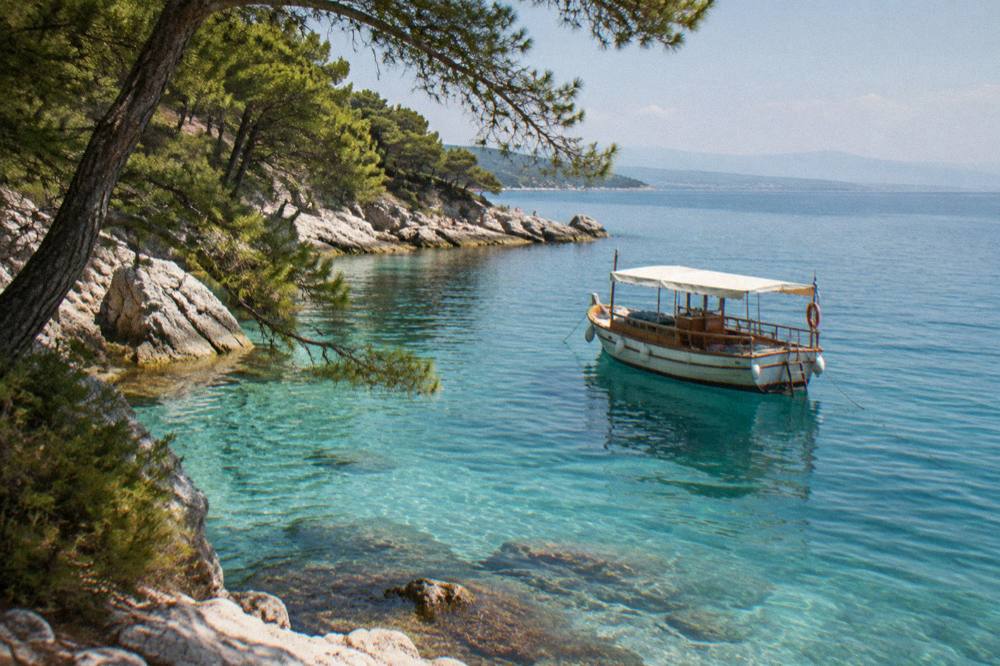
Beach-bound travellers can swap the archaeology for Halkidiki: Kallithea on Kassandra is about 78 minutes and Nikiti on Sithonia about 96 minutes, and the Thessaloniki and Halkidiki itinerary builds a combined plan. Families should check the Thessaloniki with kids variant before committing to a long bus day.
How Do You Get Around Thessaloniki In Three Days?
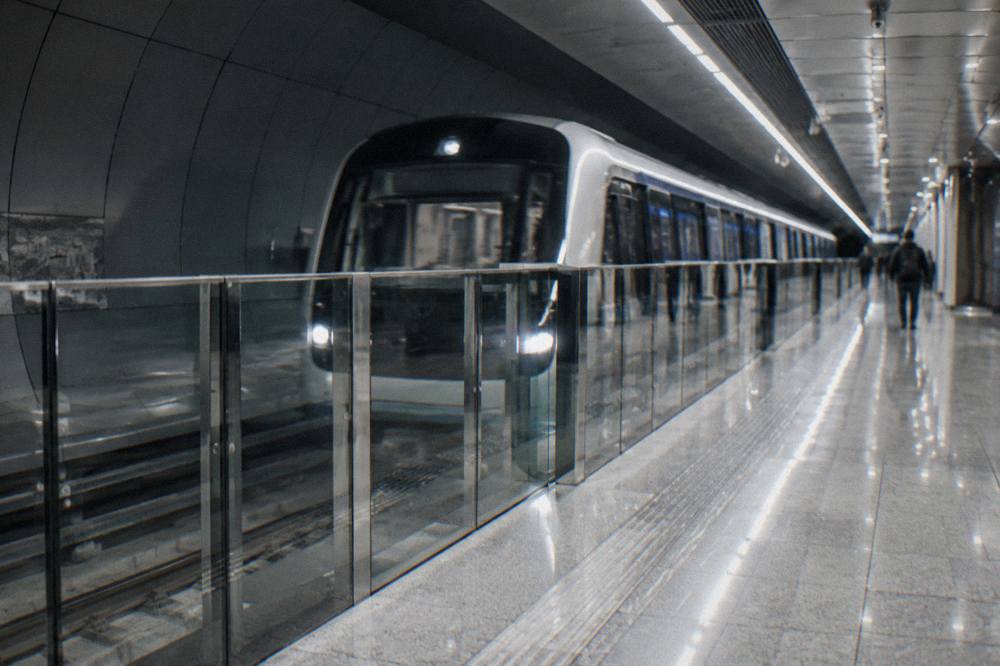
The metro, open since November 2024 with the Kalamaria extension added on 27 August 2026, runs 05:15 to 00:30 Sunday to Thursday and 05:15 to 02:00 Friday and Saturday, with a basic ticket at 0.60 euro and a 24-hour ticket at 2.50 euro, and it covers the airport link via the X2 and X3 bus connections. The Thessaloniki Metro's ticket page states those fares. From Thessaloniki Airport "Makedonia", SKG, about 16 km and 20 minutes by road from the centre, the airport's own page lists the public bus and taxi options, and the OASTH airport lines X1, X2, X3 and N1 are confirmed on the transit operator's route list. The reported airport bus fare is about 2 euro and a reported daytime taxi about 25 euro; both are reported figures to confirm before travel.
Inside the city, days one and two need no ticket at all: the historic centre is compact and pedestrian-scaled, one reason the answer to whether the city is walkable is broadly yes. The metro matters for the airport corridor, the Kalamaria extension stations and the New Railway Station. Whether a single metro ticket also covers a city bus is not settled by the ticket page itself, so buy per journey or check at a ticket machine. The getting around guide and the metro guide hold the full picture.
| Transport leg | Detail |
|---|---|
| Metro basic ticket | 0.60 euro, one journey; 24-hour ticket 2.50 euro |
| Metro hours | 05:15 to 00:30 Sunday to Thursday, 05:15 to 02:00 Friday and Saturday |
| Airport to centre | About 16 km, about 20 minutes by road |
| Airport buses | OASTH lines X1, X2, X3 and N1; reported fare about 2 euro |
| Taxi, airport to centre | Reported about 25 euro by day; confirm before travel |
| Day-trip buses | KTEL Macedonia and KTEL Halkidiki stations; fares not confirmed |
What Should You Budget For Three Days In Thessaloniki?
Count on museum entries of roughly 18 to 28 euro per person for the city days, 8 euro at the White Tower and 10 euro each at the two big museums, plus a day-trip cost that depends entirely on the route, while the metro keeps city transport at 0.60 euro a ride or 2.50 euro a day, and Greek accommodation collects a climate resilience fee per room per night on top of the room rate. The fee is charged by the accommodation, is per room per night and runs higher from April to October, so expect it as a small added line at check-in. The budget guide breaks the rest down.
Two structural savings matter. First, the free-admission days: state museums are free on 6 March, 18 April, 18 May, the last weekend of September and 28 October. Second, winter: the Tuesday closures of the Archaeological Museum and the Museum of Byzantine Culture apply from 1 November to 31 March, and hours shorten, but prices drop nowhere else, so the calendar matters more than the season for the budget. The best time to visit guide weighs weather against crowds, using the HNMS Thessaloniki Mikra station, 1959 to 2010, climate record: July's mean high is 31.7 C and January's mean low 1.5 C.
Food deserves its line in any three-day budget, and a guided food walk is a practical way to cover the city's market and delicacy culture in one sitting. This trio covers the city days and the evening table:
For what the city's table actually holds, the what to eat guide is the reference.
What Could Go Wrong With A Three-Day Thessaloniki Plan?
The three avoidable planning errors are these: putting Meteora into a half day when it is about 228 km each way, scheduling the big museums on a winter Tuesday when both close, and assuming the Nea Paralia waterfront is a swimming beach when the nearest swimmable shore is Perea, about 28 minutes by road. Each of these appears constantly in recycled itineraries, and each fails against the published record. The Meteora timing is arithmetic: about 154 minutes free-flow each way leaves little of a half day for monasteries that close mid-afternoon, so it is a full-day trip, full stop.
A fourth, quieter error is over-planning the churches. They are working churches with liturgical schedules, not ticketed museums: entry is free, hours vary with services, and a list of fixed opening times does not exist to print. Build the church circuit loosely, morning by morning, and treat any closure as a reason to walk to the next one. The Thessaloniki Travel Guide homepage's overview of the city's sights helps sequence them.
Weather rarely breaks a three-day plan. Rain totals run between 19.3 mm in August and 55.1 mm in December on the HNMS Thessaloniki Mikra station, 1959 to 2010, record, so a wet half-day has substitutes in the museums, the markets and the restaurants of Ladadika, and the dedicated rain itinerary exists for exactly that. The emergency number, for completeness, is 112.
Common Questions About Three Days In Thessaloniki
Is 3 days in Thessaloniki enough?
Yes, for the city itself and one day trip. Three days covers the seafront and Roman core, the UNESCO churches and Ano Poli, and a single excursion to Vergina, Pella, Dion or Meteora. A fourth day is only needed for two day trips or a Halkidiki beach extension.
What is the best day trip from Thessaloniki on day three?
Vergina and Pella together are the strongest single-day archaeology pairing, at about 62 and 43 minutes by road respectively. Meteora is spectacular but is about 228 km each way and consumes the entire day.
Do you need a car for 3 days in Thessaloniki?
Not for the city. The historic centre is walkable and the metro's Line 1, open since November 2024, covers the main corridor at 0.60 euro a ride. A car or an organized day trip only pays off on day three.
Which museums close on Tuesday in Thessaloniki?
From 1 November to 31 March, the Archaeological Museum of Thessaloniki and the Museum of Byzantine Culture both close on Tuesday. In summer both are open daily.
Can you swim in Thessaloniki during a three-day visit?
Not on the city waterfront: the Nea Paralia is a promenade. The nearest swimmable beaches are at Perea, about 28 minutes by road, and further out at Epanomi or the Halkidiki peninsulas.
What does the White Tower cost in 2026?
8 euro full and 4 euro reduced, under the prices in force from 1 April 2026 per the Museum of Byzantine Culture's visiting page. Entry stops 20 minutes before closing.
Three days in Thessaloniki, two in the city and one in Central Macedonia, is the shape that works, and every hour in the plan above sits inside a published opening hour or a computed drive time rather than a guess.